Peperomia Ginny (Peperomia Clusiifolia ‘Ginny’)
Peperomia Ginny, scientifically known as Peperomia clusiifolia ‘Ginny’, is a charming and low-maintenance plant that has become increasingly popular among.
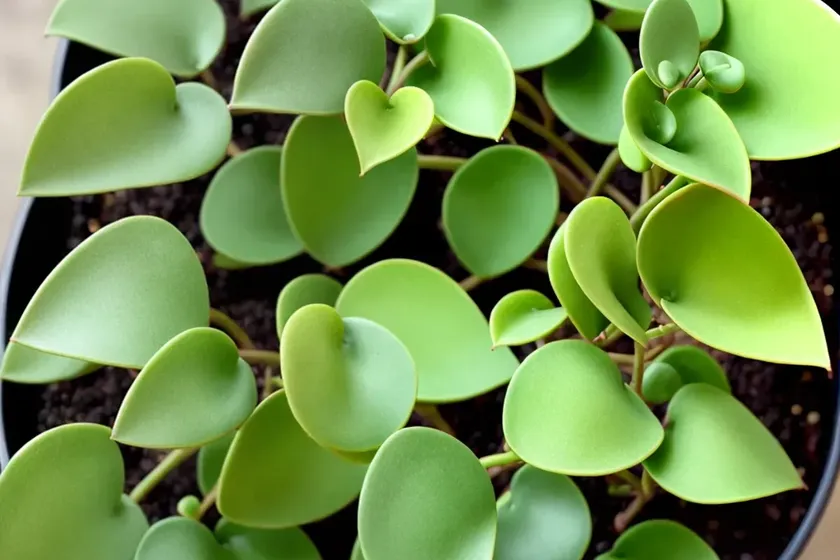
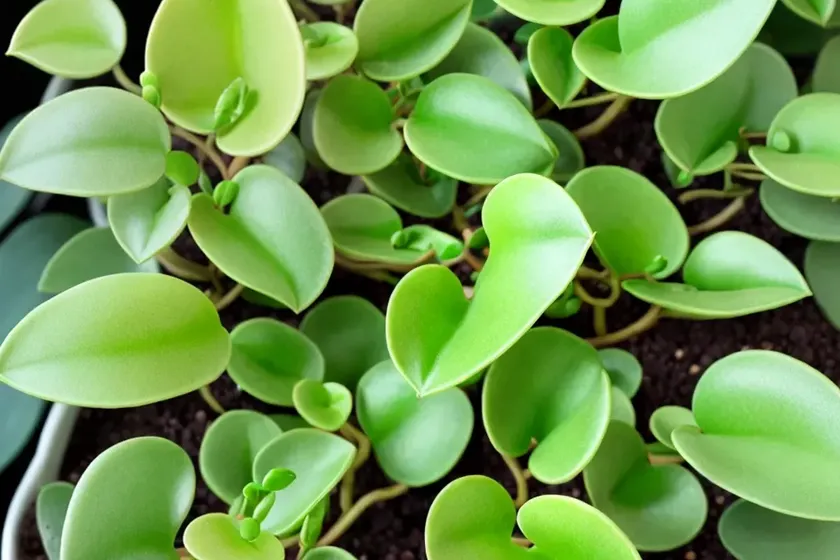
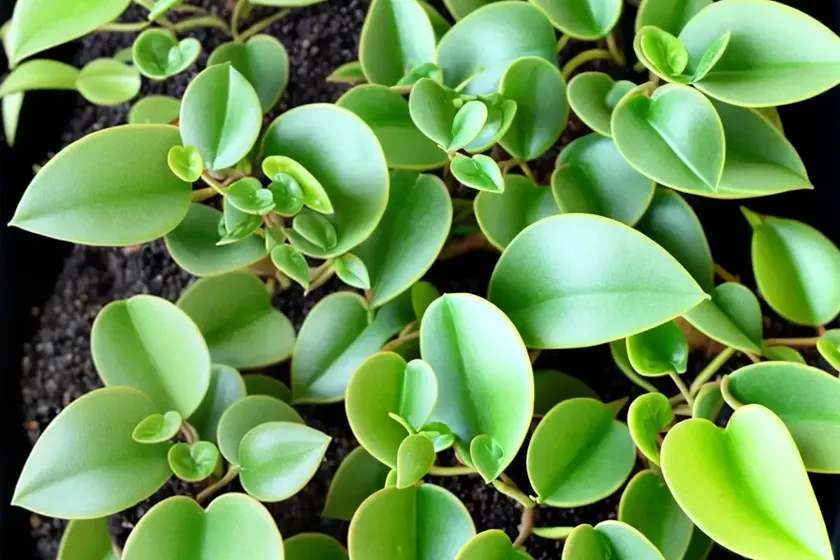
Peperomia Ginny, scientifically known as Peperomia clusiifolia ‘Ginny’, is a charming and low-maintenance plant that has become increasingly popular among indoor gardeners. Its unique appearance, easy care requirements, and air-purifying capabilities make it an attractive addition to any indoor space. In this comprehensive guide, we will delve into the various aspects of caring for Peperomia Ginny, including its cultural requirements, uses, propagation, common diseases, and botanist’s tips. Whether you are a seasoned plant enthusiast or a beginner looking to enhance your indoor greenery, this guide will provide you with all the essential information you need to cultivate a thriving Peperomia Ginny plant.
What is Peperomia Ginny (Peperomia clusiifolia ‘Ginny’)?
Peperomia Ginny is a variety of Peperomia clusiifolia, a species native to tropical and subtropical regions of Central and South America. It belongs to the Piperaceae family and is prized for its ornamental foliage, which comes in a variety of vibrant colors and unique patterns. The ‘Ginny’ cultivar is known for its compact growth habit and eye-catching leaves, making it a popular choice for indoor plant enthusiasts.
Key Takeaways – Peperomia Ginny (Peperomia clusiifolia ‘Ginny’)
Before we delve into the details of caring for Peperomia Ginny, let’s summarize the key takeaways that we will be exploring in this guide:
- Culture:
-
Understand the ideal cultural conditions for Peperomia Ginny, including its native habitat and growth requirements.
-
Uses:
-
Explore the uses of Peperomia Ginny as an ornamental plant and its contributions to indoor spaces.
-
Water:
-
Learn about the watering needs of Peperomia Ginny and the best practices for maintaining optimal soil moisture.
-
Sunlight:
-
Determine the light requirements of Peperomia Ginny and how to provide suitable light conditions for healthy growth.
-
Fertilizer:
-
Discover the role of fertilization in promoting lush foliage and overall plant health in Peperomia Ginny.
-
Soil:
-
Identify the preferred soil characteristics for Peperomia Ginny and the importance of well-draining substrates.
-
Pruning:
-
Learn about the pruning requirements of Peperomia Ginny, including shaping the plant and removing dead foliage.
-
Propagation:
-
Explore the various methods of propagating Peperomia Ginny to expand your plant collection.
-
Container:
-
Understand the role of containers in cultivating Peperomia Ginny and the selection of suitable pots for optimal growth.
-
Popularity:
-
Gain insights into the rising popularity of Peperomia Ginny in the world of indoor gardening.
-
Common Diseases:
-
Recognize the potential diseases that can affect Peperomia Ginny and how to address and prevent them.
-
Disease Diagnosis:
-
Understand the symptoms of common diseases in Peperomia Ginny and their appropriate treatments.
-
Common Pests:
-
Identify the common pests that may target Peperomia Ginny and effective pest management strategies.
-
Botanist’s Tips:
- Receive expert tips from botanists on caring for Peperomia Ginny and ensuring its long-term health and beauty.
Now that we have an overview of the key aspects to be covered, let’s begin our journey into the world of Peperomia Ginny care.
Culture: Understanding the Ideal Growing Conditions for Peperomia Ginny
Native Habitat
Peperomia Ginny thrives in environments that mimic its natural habitat, characterized by tropical and subtropical regions with high humidity levels and moderate temperatures. In its native setting, this plant is typically found in the understory of forests, where it receives filtered sunlight and is shielded from direct exposure to harsh rays.
Growth Requirements
Cultivating a healthy Peperomia Ginny plant involves catering to its specific growth requirements. Here are the key cultural factors to consider:
- Temperature: Peperomia Ginny favors temperatures ranging from 65°F to 75°F (18°C to 24°C), making it well-suited for indoor environments with consistent warmth.
- Humidity: High humidity levels are beneficial for the optimal growth of Peperomia Ginny. While it can tolerate lower humidity levels, providing a humid environment can promote vigorous foliage development.
- Foliage Preference: Given its origin in shaded forest areas, Peperomia Ginny exhibits a preference for indirect or filtered light, making it an excellent choice for indoor spaces with limited natural light.
As we transition to the practical aspects of caring for Peperomia Ginny, we will examine in detail its water and sunlight requirements, as well as the role of soil and fertilizer in supporting its growth.
Uses: Harnessing the Decorative Potential of Peperomia Ginny
Peperomia Ginny is renowned for its ornamental foliage, making it a versatile plant with several uses in indoor settings. Whether you are looking to enhance the aesthetic appeal of your living space or harness the air-purifying properties of indoor plants, Peperomia Ginny offers a myriad of benefits.
Ornamental Display
With its variegated leaves adorned with striking patterns and colors, Peperomia Ginny serves as a captivating addition to any indoor garden or plant collection. The vibrant foliage can effortlessly elevate the visual appeal of tabletops, shelves, and desks, offering a touch of natural beauty to interior spaces.
Air-Purifying Qualities
In addition to its decorative prowess, Peperomia Ginny contributes to indoor air quality by actively removing toxins and impurities from the surrounding environment. Its lush foliage acts as a natural air purifier, making it an eco-friendly and health-conscious choice for indoor décor.
As we explore the practical care guidelines for Peperomia Ginny, we will delve into the specifics of watering and sunlight exposure to ensure the plant’s vitality and aesthetic impact in your living space.
Water: Nurturing Peperomia Ginny’s Moisture Needs
Proper watering is crucial for maintaining the health and vigor of Peperomia Ginny. Understanding its moisture requirements and implementing effective watering practices are essential for preventing issues such as root rot or dehydration.
Watering Frequency
Peperomia Ginny appreciates consistent moisture without being waterlogged. As a general rule, it is advisable to allow the top inch of the soil to dry out before watering again. This ensures that the plant has access to adequate moisture while preventing the risk of overwatering, which can lead to root suffocation and fungal diseases.
Watering Techniques
-
Direct Watering: When watering Peperomia Ginny, aim to water the soil directly at the base of the plant. This allows the roots to receive the necessary moisture without wetting the foliage excessively, which can make the plant susceptible to rot.
-
Drainage Considerations: Ensure that the container housing Peperomia Ginny has proper drainage to prevent water from accumulating at the bottom. Excess moisture can be detrimental to the plant’s root system, so allowing for efficient drainage is vital.
As we continue to care for Peperomia Ginny, understanding its light requirements and how to best provide sunlight will further contribute to its overall well-being and vibrant foliage.
Sunlight: Providing Optimal Light Conditions for Peperomia Ginny
Peperomia Ginny thrives in environments with bright, indirect light, mirroring its natural habitat in shaded forest understories. By understanding its light preferences and conditions, you can tailor the plant’s surroundings to promote healthy growth and vibrant foliage.
Light Requirements
-
Indirect Sunlight: Place Peperomia Ginny in a location with ample indirect light, away from direct exposure to harsh, intense sunlight. This can include settings near east or west-facing windows, where the sun’s rays are filtered through curtains or blinds.
-
Low-Light Tolerance: Peperomia Ginny exhibits a degree of tolerance to lower light conditions, making it suitable for areas with moderate to low light levels. While it can adapt to less intense light, providing bright, indirect light will encourage robust growth and vibrant leaf coloration.
Now that we have covered the essential considerations for watering and light exposure, we can explore the role of fertilizer and soil in nurturing the health and beauty of Peperomia Ginny.
Fertilizer: Enhancing Peperomia Ginny’s Nutrient Intake
Fertilization plays a vital role in providing Peperomia Ginny with essential nutrients that bolster its growth and foliage development. By understanding the principles of fertilizing this plant, you can ensure that it receives the necessary nourishment to thrive.
Fertilizer Selection
For Peperomia Ginny, a balanced, water-soluble fertilizer formulated specifically for houseplants is well-suited to meet its nutritional needs. Look for a fertilizer with a balanced ratio of nitrogen, phosphorus, and potassium (N-P-K) to support overall plant health and sustainable growth. A diluted, liquid fertilizer applied during the plant’s active growing season can provide the essential nutrients to promote lush and vibrant foliage.
Fertilizer Application
-
Frequency: During the growing season, which typically spans from spring through summer, apply a diluted, balanced fertilizer once every four to six weeks to support the plant’s nutrient requirements.
-
Dosage: Follow the manufacturer’s guidelines for the recommended dosage and dilution ratio when applying fertilizer to Peperomia Ginny. A conservative approach to fertilization helps prevent the risk of nutrient excess, which can be detrimental to the plant’s health.
By incorporating proper fertilization into your care routine, you can ensure that Peperomia Ginny receives the necessary nutrients to maintain its striking foliage and overall vitality.
Soil: Choosing the Ideal Growing Medium for Peperomia Ginny
Selecting the right soil for Peperomia Ginny is crucial to providing a conducive environment for healthy root development and vitality. Optimal soil characteristics, such as good drainage and aeration, contribute to the plant’s overall well-being and growth.
Soil Composition
-
Well-Draining Mix: Peperomia Ginny thrives in a well-draining potting mix that allows excess moisture to escape readily. A lightweight blend containing components such as peat moss, perlite, and coarse sand promotes effective drainage and prevents waterlogged conditions, which can compromise the plant’s root system.
-
Aeration: The ideal potting mix should also provide ample aeration to the roots, fostering a healthy growing environment and preventing the risk of compaction.
As we progress in our care for Peperomia Ginny, we will explore the benefits of pruning, propagation methods, and the importance of suitable containers for cultivating and displaying this charming plant.
Pruning: Shaping and Maintaining Peperomia Ginny’s Foliage
Pruning is an essential aspect of caring for Peperomia Ginny, contributing to a tidy appearance and healthy growth. By engaging in regular pruning practices, you can promote the plant’s overall vitality and aesthetic appeal.
Dead Leaf Removal
-
Monitor Foliage: Regularly inspect the foliage of Peperomia Ginny to identify any signs of dead or yellowing leaves. These leaves can be gently removed by pinching them off at their base to encourage a cleaner and more vibrant appearance.
-
Pruning Shears: In instances where larger dead or discolored leaves need to be removed, the use of sterilized pruning shears can facilitate precise and tidy cuts, minimizing damage to the plant.
Maintenance Pruning
-
Size Control: To manage the size and shape of Peperomia Ginny, occasional pruning of leggy or overextended stems can help maintain a compact and bushy growth habit.
-
Propagation Material: Pruned cuttings can also serve as propagation material, allowing you to expand your collection of Peperomia Ginny or share the plant with fellow gardening enthusiasts.
With proper pruning practices, you can cultivate a well-groomed and flourishing Peperomia Ginny plant, showcasing its vibrant foliage and compact growth habit.
Propagation: Multiplying Peperomia Ginny for an Enriched Plant Collection
Propagation offers an exciting opportunity to expand your collection of Peperomia Ginny, whether for personal enjoyment or as a thoughtful gift for fellow plant enthusiasts. By exploring the propagation methods suitable for this plant, you can multiply its charming presence in your indoor space.
Stem Cuttings
-
Cutting Selection: Select healthy, non-flowering stems from the mother plant, ensuring they exhibit robust growth and are free from signs of disease or damage.
-
Propagation Medium: Place the stem cuttings in a well-draining propagation medium, such as a mix of perlite and peat moss, to encourage the development of new roots.
-
Root Formation: Over time, the stem cuttings will develop roots, signaling their readiness for transplanting into individual pots for continued growth.
Leaf Cuttings
-
Leaf Selection: Choose mature and healthy leaves from Peperomia Ginny, making clean cuts close to the base of each leaf while preserving their integrity.
-
Propagation Tray: Lay the leaf cuttings on a moist propagation medium within a tray, ensuring that each leaf maintains contact with the medium to promote root development.
-
New Plantlets: As the leaf cuttings produce new plantlets at their base, they can be separated and transplanted into individual pots to establish independent plants.
Propagation Tip: Maintain adequate humidity and warmth to facilitate the successful propagation of Peperomia Ginny cuttings, fostering optimal conditions for root development.
By embracing the art of propagation, you can propagate Peperomia Ginny and nurture new plants that embody the same captivating characteristics as the parent plant.
Container: Selecting Suitable Pots for Peperomia Ginny
The choice of container for Peperomia Ginny plays a pivotal role in supporting its growth and enhancing its visual impact in indoor spaces. By considering the characteristics of suitable pots, you can create an optimal environment for the plant’s development.
Container Considerations
-
Drainage Holes: Ensure that the chosen pots have adequate drainage holes to prevent water from pooling at the base, which can lead to root rot and other moisture-related issues.
-
Size Appropriateness: Select a pot that accommodates the current root structure of Peperomia Ginny while allowing room for modest growth. A slightly larger pot provides space for the plant to flourish without being excessively oversized.
-
Material Options: Choose pots made of materials such as terra cotta, ceramic, or lightweight plastic, considering factors such as aesthetic appeal, porosity, and insulation.
By choosing suitable containers and considering their impact on the plant’s growth, you can create an optimal environment for the cultivation and display of Peperomia Ginny in your living space.
Popularity: Embracing the Rise of Peperomia Ginny in Indoor Gardening
As the allure of indoor gardening continues to captivate plant enthusiasts, Peperomia Ginny has emerged as a favored choice due to its diverse benefits and captivating appearance. Its rising popularity reflects its appeal as a low-maintenance and visually striking addition to indoor plant collections.
Decorative Trends
-
Instagram-Worthy: The vibrant foliage and eye-catching patterns of Peperomia Ginny contribute to its growing presence on social media platforms, where plant enthusiasts showcase their lush and photogenic specimens.
-
Trendsetter: With its unique aesthetics and ease of care, Peperomia Ginny has captured the attention of interior décor trends, featuring prominently in modern and minimalist design concepts.
-
Home Greenery: Embracing the trend of incorporating natural greenery into interior spaces, enthusiasts are turning to Peperomia Ginny for its compact size and striking visual appeal.
Plant Enthusiast Community
-
Plant Swaps and Sharing: The growing community of indoor plant lovers has embraced Peperomia Ginny as a plant worth sharing, engaging in swaps and gifting opportunities to spread the charm of this captivating variety.
-
Collectible Appeal: With its unique foliage and relative accessibility, Peperomia Ginny has become a sought-after addition to plant collections, enticing enthusiasts with its decorative and low-maintenance qualities.
As the popularity of Peperomia Ginny continues to ascend in the realm of indoor gardening, its allure as a decorative centerpiece and air-purifying asset persists, captivating the interest of plant lovers worldwide.
Common Diseases: Safeguarding Peperomia Ginny Against Potential Health Issues
While Peperomia Ginny is known for its resilience and low susceptibility to diseases, it is essential to be aware of potential health issues and their respective treatments to safeguard the plant’s vitality.
Leaf Spot
-
Symptoms: The appearance of dark, water-soaked spots on the leaves, often accompanied by yellowing or browning of affected areas.
-
Treatment: Maintain a balanced watering routine to prevent waterlogged conditions and maintain optimal air circulation to discourage the development of leaf spot diseases.
Powdery Mildew
-
Symptoms: The presence of powdery white patches on the foliage, signaling the onset of powdery mildew, a common fungal affliction in indoor plants.
-
Treatment: Implement proper ventilation and avoid high humidity levels to deter the establishment of powdery mildew on Peperomia Ginny’s leaves.
By remaining vigilant and proactive in monitoring the health of Peperomia Ginny, you can identify and address potential diseases in their early stages, preserving the plant’s vitality and visual appeal.
Disease Diagnosis: Recognizing Symptoms and Addressing Plant Health
Realizing the significance of disease diagnosis contributes to timely and effective interventions to maintain the robustness and attractiveness of Peperomia Ginny. By familiarizing yourself with common disease symptoms, you can address potential issues promptly.
Visual Symptoms
-
Yellowing Leaves: When observing yellowing leaves on Peperomia Ginny, assess the watering routine to ensure proper soil moisture and drainage.
-
Leaf Spots: Dark or discolored spots on the leaves may indicate the presence of fungal infections, prompting vigilance in managing watering and humidity levels.
Action Steps
-
Isolation: If disease symptoms are detected, isolate the affected plant to prevent the potential spread of pathogens to other plants in your collection.
-
Treatment Regimen: Address the underlying causes of plant health issues, such as overwatering, inadequate ventilation, or poor soil drainage, to minimize the risk of recurrent diseases.
Through proactive disease diagnosis and effective response measures, you can sustain the vitality and beauty of Peperomia Ginny, securing its place as a vibrant and resilient addition to your indoor garden.
Common Pests: Vigilance in Combatting Potential Pest Threats
While Peperomia Ginny exhibits resistance to many common pests, it is essential to remain watchful for signs of infestation and implement measures to manage and repel potential pests.
Mealybugs
-
Identification: Mealybugs typically manifest as white, cottony clusters on the leaves and stems, indicating an infestation that requires prompt attention.
-
Control Measures: Utilize natural remedies like diluted alcohol or insecticidal soap to eliminate mealybugs while promoting ongoing control through regular monitoring.
Spider Mites
-
Signs of Infestation: The presence of fine webbing on the undersides of leaves, in addition to stippled or discolored foliage, can indicate the onset of a spider mite infestation.
-
Mitigation Strategies: Mitigate spider mites by increasing humidity levels, regular misting, and the application of insecticidal soap to deter their proliferation.
By remaining vigilant


