Peperomia Arifolia (Peperomia Arifolia)
Plants play a vital role in our lives, offering beauty, oxygen, and a range of practical uses. One fascinating plant species that has captured the hearts.
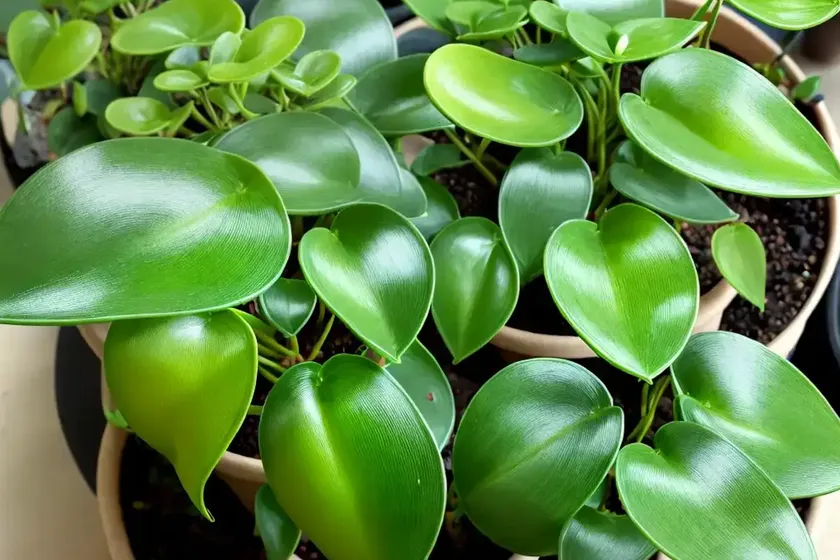
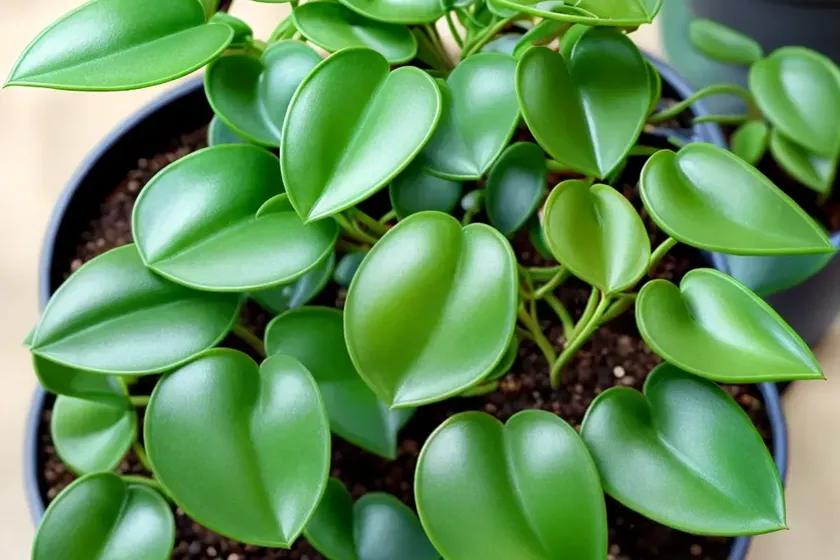
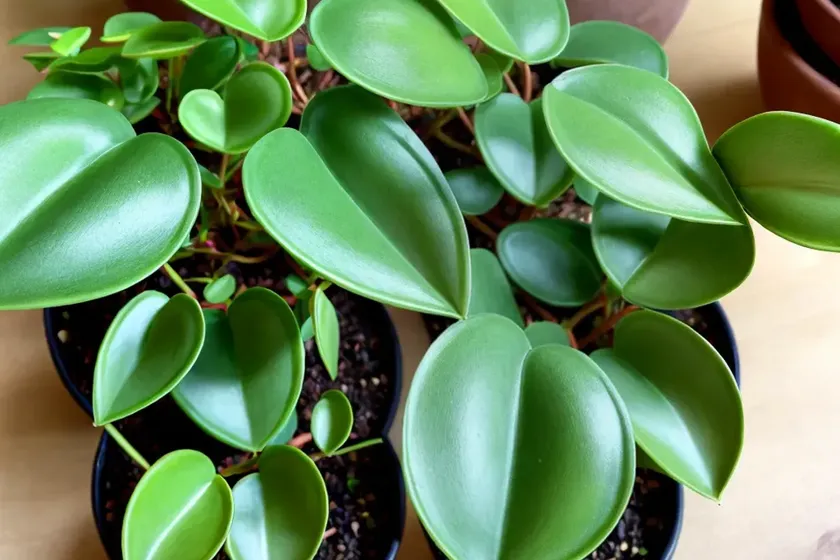
Plants play a vital role in our lives, offering beauty, oxygen, and a range of practical uses. One fascinating plant species that has captured the hearts of plant enthusiasts worldwide is the Peperomia arifolia. This unique and charming plant, known for its attractive foliage, is a member of the Piperaceae family and is native to tropical and subtropical regions. In this comprehensive guide, we will delve into all aspects of the Peperomia arifolia, from its cultural preferences to its common uses, diseases, and pests. So, whether you are a seasoned plant enthusiast or a beginner looking to expand your green thumb, this article will provide you with all the information you need to care for and enjoy the Peperomia arifolia to its fullest potential.
What is Peperomia Arifolia?
Peperomia arifolia, commonly known as the “Pepper Face” or “Shiny Leave Peperomia,” is a species of perennial flowering plant in the family Piperaceae. It is native to Central and South America, where it thrives in the warm and humid conditions of tropical rainforests. The Peperomia genus includes a diverse group of small, easy-care houseplants with waxy and often highly textured leaves.
Key Takeaways
- Scientific Name: Peperomia arifolia
- Common Names: Pepper Face, Shiny Leave Peperomia
- Family: Piperaceae
- Native Habitat: Central and South America
- Growth Habit: Perennial
The Peperomia arifolia is valued for its ornamental foliage, which comes in a variety of shapes, sizes, and textures, making it a popular choice for indoor cultivation. Its small size and attractive appearance make it an ideal choice for terrariums, mixed planters, and as a standalone potted plant.
Culture
Water
Peperomia arifolia plants prefer slightly moist soil but are susceptible to rot if overwatered. It is crucial to allow the soil to dry out partially between waterings. Generally, watering the plant once every 7-10 days is sufficient, but this frequency may vary depending on environmental conditions such as temperature and humidity. Before watering, it is advisable to check the moisture level of the soil by inserting a finger into the soil to a depth of about an inch. If the soil feels dry, it is time to water the plant.
It is important to use a well-draining potting mix to prevent waterlogging, which can lead to root rot. When watering, do so until the excess water drains out from the bottom of the pot. This helps to ensure that the roots receive adequate moisture while preventing water accumulation at the bottom of the pot.
Sunlight
Peperomia arifolia plants thrive in bright, indirect light. They can also tolerate lower light conditions, making them suitable for various indoor environments. However, it is essential to avoid exposing them to direct sunlight, as this can scorch the leaves and cause irreparable damage. Placing the plant near a window with sheer curtains or a few feet away from a bright window can provide the ideal lighting conditions.
Fertilizer
Regular fertilization is beneficial for the growth and overall health of Peperomia arifolia plants. A balanced, water-soluble fertilizer with a dilution of half or quarter strength is recommended during the growing season, from spring to early autumn. Fertilizing the plant every 4-6 weeks helps maintain vibrant foliage and supports healthy growth. However, it is important to refrain from over-fertilizing, as this can lead to salt build-up in the soil, causing damage to the plant’s roots.
Soil
Peperomia arifolia thrives in a well-draining, aerated potting mix that provides both moisture retention and good air circulation for the roots. A peat-based mix with added perlite or coarse sand is ideal for creating the well-draining medium that Peperomia arifolia plants require. The soil pH should ideally be slightly acidic to neutral, ranging between 6.0 and 7.0.
Pruning
Regular pruning can help maintain the shape and size of Peperomia arifolia plants. Pruning dead or yellowing leaves, as well as leggy or unsightly growth, promotes a tidy appearance and encourages new growth. To prune the plant, simply use clean, sharp scissors or pruning shears to trim away the undesired portions of the plant. It is important to sanitize the tools before and after pruning to prevent the spread of diseases.
Propagation
Peperomia arifolia plants can be propagated through leaf cuttings or stem cuttings. Leaf cuttings can be taken by carefully removing healthy leaves from the parent plant and placing them in a suitable potting mix. Stem cuttings, which include a portion of the stem with one or more leaves, can also be rooted in a moist potting mix to produce new plants. Both methods of propagation are relatively straightforward and can yield successful results with proper care and attention.
Container
Peperomia arifolia plants are well-suited for container gardening and are often grown in pots or decorative planters. Their compact size makes them an excellent choice for small spaces, windowsills, and desktops. When selecting a container for a Peperomia arifolia, it is important to choose one with adequate drainage holes to prevent waterlogging. Additionally, a container that allows for proper root development and growth is essential.
Popularity
The Peperomia arifolia’s rising popularity can be attributed to its attractive foliage, ease of care, and versatility in various indoor settings. As a low-maintenance houseplant that thrives in moderate light and infrequent watering, it has become a favored choice for both novice and experienced plant enthusiasts.
Common Diseases
Disease Diagnosis
Peperomia arifolia plants are relatively resistant to diseases but may occasionally encounter issues such as leaf spot, powdery mildew, or stem rot. Monitoring the plant for any signs of discoloration, spots, or abnormal growth can help in diagnosing and addressing potential diseases in a timely manner. Quick action, including isolation of affected plants and appropriate treatment, can help prevent the spread of diseases and promote the plant’s recovery.
Common Pests
Peperomia arifolia plants are generally resilient against pests, but they can occasionally become hosts to common houseplant pests such as mealybugs, spider mites, and aphids. Regularly inspecting the plant’s leaves and stems for signs of pest infestation, such as webbing, stippling, or small moving insects, can aid in early detection and treatment.
Botanist’s Tips
To ensure the optimal growth and well-being of Peperomia arifolia plants, keep the following tips in mind:
– Maintain a well-draining potting mix to prevent waterlogging and root rot.
– Provide bright, indirect light to promote healthy foliage growth.
– Use a balanced fertilizer at half or quarter strength during the growing season.
– Monitor the plant regularly for signs of diseases or pests and take prompt action if necessary.
Fun Facts
- The Peperomia arifolia is commonly referred to as the “Pepper Face” due to the shape and arrangement of its leaves, which resemble peppercorn clusters.
- This plant is often used in terrariums and miniature garden displays due to its compact size and attractive foliage.
- Peperomia arifolia is a great choice for pet owners, as it is non-toxic to cats, dogs, and other common household pets.


