Plant Scientist’s Guide to Prairie Moon Peony (Paeonia ‘Prairie Moon’)
In the world of ornamental plants, the peony stands out as a timeless beauty. Among the numerous peony varieties, Paeonia ‘Prairie Moon,’ also known as Prairie Moon peony, is a stunning and popular choice for gardeners. Its large, showy flowers and easy-to-care-for nature make it a delightful addition to any garden. In this comprehensive guide, we’ll delve into the characteristics, cultivation, maintenance, and various other aspects of growing Prairie Moon peony.
What is Prairie Moon Peony (Paeonia ‘Prairie Moon’)?
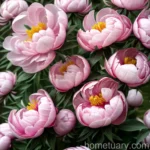
Paeonia ‘Prairie Moon’ is a herbaceous perennial belonging to the Paeoniaceae family. It is a hybrid variety developed for its unique characteristics, most notably its impressive blooms and adaptability to diverse growing conditions. The cultivar’s captivating pale yellow flowers with creamy undertones make it a highly sought-after peony selection among gardeners and landscape enthusiasts. Whether used as a focal point in a garden bed or as cut flowers in floral arrangements, Prairie Moon peony never fails to attract attention and admiration.
Key Takeaways – Prairie Moon Peony
Before we delve into the specific aspects of cultivation and care, here are the key takeaways about Prairie Moon peony:
- Scientific Name: Paeonia ‘Prairie Moon’
- Common Name: Prairie Moon peony
- Type: Herbaceous perennial
- Flower Color: Pale yellow with creamy nuances
- Bloom Time: Late spring to early summer
- USDA Hardiness Zones: 3-8
- Watering: Regular watering; prefers moist, well-draining soil
- Sunlight: Full sun to partial shade
- Soil Type: Rich, fertile soil with good drainage
- Fertilization: Balanced, slow-release fertilizer in early spring
- Pruning: Cut back foliage in fall after it has died back
- Propagation: Division of rhizomes in early fall
Now, let’s explore each of these aspects in detail.
Cultivation of Prairie Moon Peony
When it comes to cultivating Prairie Moon peony, understanding its specific cultural requirements is crucial for success. Let’s look at the various factors involved in growing this enchanting plant.
Water
While Prairie Moon peony is relatively drought-tolerant once established, it thrives best in consistently moist soil. Adequate watering is essential, especially during its active growth periods in spring and early summer. To provide the necessary moisture, aim to keep the soil evenly moist but not waterlogged. In contrast, prolonged periods of drought can stress the plant, affecting its overall health and blooming potential.
Sunlight
To ensure abundant blooms and robust growth, providing adequate sunlight is crucial. Prairie Moon peony prefers full sun but can also tolerate partial shade, especially in regions with hot summers. When planted in full sun, it can exhibit its best floral display, but in hotter climates, some afternoon shade can help protect the delicate blooms from scorching.
Fertilizer
Proper fertilization is key to supporting the vigorous growth and blooming of Prairie Moon peony. Using a balanced, slow-release fertilizer in early spring is ideal, as it provides the necessary nutrients for the plant’s initial growth and budding phase. Avoid over-fertilizing, as excessive nitrogen can lead to lush foliage at the expense of flower production.
Soil
The soil quality directly impacts the overall health and performance of Prairie Moon peony. It thrives in rich, fertile soil with good drainage. Loamy soils that are rich in organic matter are particularly well-suited for this peony variety. Additionally, maintaining a slightly acidic to neutral pH level in the soil promotes optimal nutrient uptake and supports robust growth.
Pruning and Maintenance
Pruning plays a crucial role in the health and aesthetics of Prairie Moon peony. Here are some essential pruning and maintenance practices to consider:
-
Fall Pruning: As the growing season comes to an end, the foliage of Prairie Moon peony will start to die back. In late fall, once the foliage has turned brown, it is advisable to cut back the stems to ground level. This helps prevent the spread of diseases and minimizes overwintering pests.
-
Spring Maintenance: In early spring, as the new shoots emerge, it’s a good practice to clean up the area around the plant and remove any debris that may have accumulated over the winter. Additionally, applying a layer of organic mulch around the base of the plant helps retain soil moisture and suppress weed growth.
Propagation of Prairie Moon Peony
Prairie Moon peony can be propagated through several methods, but the most common and successful approach is through division. Here’s a simple guide to propagating this beautiful peony variety:
- Division: In early fall, when the plant is dormant, carefully dig up the clumps of Prairie Moon peony. Using a sharp, sterilized knife, divide the root clumps into sections, ensuring that each division has several healthy, well-developed buds. Replant the divisions at the same depth as the parent plant, and water them thoroughly to promote establishment.
Container Cultivation of Prairie Moon Peony
While Prairie Moon peony is typically grown in garden beds, it can also thrive in containers, adding a touch of elegance to patios, balconies, and small outdoor spaces. When cultivating Prairie Moon peony in containers, consider the following factors:
-
Container Size: Select a sizable container that provides ample room for the peony’s root system to expand. A depth of at least 18 inches is recommended to accommodate the deep roots of the plant.
-
Soil and Drainage: Fill the container with a well-draining, nutrient-rich potting mix, incorporating organic matter to promote healthy growth. Ensure that the container has adequate drainage holes to prevent waterlogging, which can be detrimental to the plant.
-
Sunlight: Place the container in a location that receives ample sunlight, ideally 6-8 hours of direct sunlight per day. Adequate sunlight is essential for the plant to thrive and produce abundant blooms.
-
Watering: Container-grown plants may require more frequent watering than those in the ground, as the soil in containers tends to dry out more quickly. Monitor the soil moisture regularly and water the plant as needed to keep the soil consistently moist, but not waterlogged.
Popularity of Prairie Moon Peony
Paeonia ‘Prairie Moon’ has garnered immense popularity among gardeners and horticultural enthusiasts for several compelling reasons:
-
Floral Elegance: The large, fragrant flowers of Prairie Moon peony captivate viewers with their exquisite beauty and soft, creamy hues. Their alluring appearance makes them a sought-after choice for floral arrangements and garden focal points.
-
Low Maintenance: Despite its stunning appearance, Prairie Moon peony is relatively low-maintenance once established, making it an attractive option for gardeners seeking a plant with enduring appeal and minimal care requirements.
-
Adaptability: This peony variety exhibits adaptability to a wide range of climates and growing conditions, thriving in diverse geographical regions and soil types. Its resilience and ability to withstand variable weather patterns contribute to its widespread popularity.
Common Diseases and Pests
Like all plants, Prairie Moon peony is susceptible to certain diseases and pests that can impact its health and vigor. Here are some common issues to be aware of:
Disease Diagnosis
-
Botrytis Blight: Also known as gray mold, botrytis blight can affect peonies during periods of extended wetness. It manifests as grayish-brown spots on the foliage and flowers, often causing a fuzzy, mold-like growth. Adequate air circulation and avoiding overhead watering can help prevent this fungal disease.
-
Powdery Mildew: Powdery mildew appears as white, powdery patches on the leaves and stems of the plant. It thrives in humid conditions and can impact the overall aesthetic of the peony. Pruning to improve air circulation and applying fungicidal treatments can help manage powdery mildew.
-
Verticillium Wilt: This soil-borne fungal disease can cause wilting, yellowing, and browning of the foliage, ultimately leading to the decline of the entire plant. Implementing proper sanitation practices and avoiding planting in areas with a history of verticillium wilt can help prevent this serious disease.
Common Pests
-
Nematodes: These microscopic pests can damage the roots of Prairie Moon peony, leading to stunted growth and poor overall performance. Using nematode-resistant rootstocks when planting can help mitigate this issue.
-
Peony Buds and Flowers: In addition to diseases, peonies can be targets for ants, which are often attracted to the nectar produced by peony buds. Contrary to popular belief, ants do not harm the plants and are simply drawn to the sweet secretion without causing any damage.
Botanist’s Tips for Growing Prairie Moon Peony
To ensure the successful cultivation of Prairie Moon peony, consider the following expert tips:
-
Adequate Support: As the flowers of Prairie Moon peony can be quite large and heavy, providing support in the form of stakes or hoops can help prevent the stems from bending or breaking under the weight of the blooms.
-
Deadheading Spent Blooms: Removing spent blooms not only maintains the plant’s tidy appearance but also encourages the development of additional flower buds for continuous blooming.
-
Mulching: Applying a layer of organic mulch around the base of the plant helps retain soil moisture, suppress weed growth, and maintain a consistent root temperature.
-
Overwinter Protection: In colder climates, providing a layer of mulch or straw around the base of the plant can help insulate the roots and protect them from extreme cold.
Fun Facts about Prairie Moon Peony
As a fascinating and captivating plant, Prairie Moon peony has several interesting aspects that make it a standout addition to any garden. Here are some fun facts about this enchanting peony variety:
-
Symbolism: Peonies, including Prairie Moon, are often associated with romance, prosperity, and good fortune in various cultures, making them popular choices for wedding bouquets and gifts.
-
Longevity: With proper care, peonies can live for decades, rewarding gardeners with their exquisite blooms year after year. Some peony plants have been known to thrive for over a century, serving as enduring symbols of beauty and resilience in gardens.
-
Medicinal Uses: In traditional Chinese medicine, the roots of certain peony species, including Paeonia lactiflora, are used for their purported medicinal properties, believed to benefit various health conditions.
Links to External Resources
For further information on Prairie Moon peony and its cultivation, here are some valuable external resources:
- American Peony Society
- Royal Horticultural Society – Growing Peonies
- The Spruce – How to Grow and Care for Peonies
Conclusion
Paeonia ‘Prairie Moon’ stands as an exceptional representative of the timeless allure and remarkable versatility of peonies. Its captivating blooms and relatively low maintenance requirements make it an appealing choice for gardeners seeking a plant that offers enduring beauty and charm. By understanding its specific cultural needs and implementing proper care techniques, gardeners can enjoy the splendor of Prairie Moon peony as it flourishes in their gardens and landscapes, enchanting all who behold its delicate yet majestic flowers.
Whether in traditional garden beds, elegant containers, or as focal points in landscape designs, Prairie Moon peony holds a cherished place in the hearts of plant enthusiasts and serves as a testament to the enduring charm of ornamental plants, captivating the senses with its exceptional beauty and inherent grace.
The information provided in this guide is intended to serve as a comprehensive resource for gardeners and plant enthusiasts seeking to cultivate the enchanting Prairie Moon peony. By delving into the various aspects of its care and cultivation, readers can gain valuable insights into the best practices for ensuring the health and vigor of this captivating peony variety. From its stunning blooms to its adaptability and resilience, Prairie Moon peony continues to captivate the hearts of gardeners worldwide, offering a timeless symbol of natural beauty and horticultural excellence.