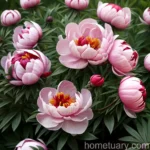
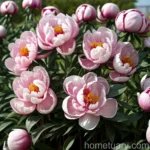
The Amazing Peony (Paeonia lactiflora ‘Top Brass’)
What is a Peony (Paeonia lactiflora ‘Top Brass’)
Peony (Paeonia lactiflora ‘Top Brass’), commonly known as the garden peony, is a perennial flowering plant in the family Paeoniaceae. It is a herbaceous plant native to Asia, Southern Europe, and Western North America, known for its large, showy, and fragrant flowers. The ‘Top Brass’ cultivar, in particular, is prized for its stunning deep pink, double flowers and dark green foliage.
Key Takeaways – Peony (Paeonia lactiflora ‘Top Brass’)
The peony is a popular garden plant with various cultural uses, and it requires specific care to thrive. Here is an overview of the key takeaways regarding the cultivation and maintenance of the peony plant:
- Culture: Peonies are prized for their large, colorful blooms and are often used in floral arrangements and as ornamental garden plants.
- Uses: The peony has a rich history of medicinal and cultural uses, in addition to being a favorite in the horticultural world for its ornamental beauty.
- Water: Adequate water is essential, particularly during the plant’s active growing season and flowering period.
- Sunlight: Peonies thrive in full sun, but can also tolerate partial shade.
- Fertilizer: Proper fertilization is crucial for healthy growth and abundant flowering.
- Soil: Well-draining, fertile soil is necessary for optimal growth and blooming.
- Pruning: Regular pruning and deadheading promote healthy plant growth and flowering.
- Propagation: Propagation can be done through division and root cuttings to create new plants.
- Container Popularity: Peonies can be grown in containers, providing a beautiful display on patios and in small gardens.
- Common Diseases: Peonies may be susceptible to certain diseases, and proper care practices can help prevent issues.
- Common Pests: Identifying and managing pests is crucial for maintaining the health of peony plants.
Now, let’s delve deeper into these factors to understand how to care for peony (Paeonia lactiflora ‘Top Brass’) and ensure its successful cultivation.
Water
Proper watering is crucial for the health and vitality of peonies. They require sufficient moisture, especially during their active growth and flowering periods. However, it is equally important to avoid waterlogging, as this can lead to root rot and other issues.
Peony Watering Tips:
- Regular Watering: During the growing season, provide consistent moisture to the plants. This is particularly important during dry spells.
- Deep Watering: When watering, ensure that the soil is thoroughly moistened to reach the root system.
- Avoid Waterlogging: Peonies prefer well-draining soil and are susceptible to root rot if the soil remains excessively wet for prolonged periods.
Sunlight
Peonies thrive in full sunlight, although they can also tolerate partial shade. Adequate sunlight is essential for promoting robust growth and abundant flowering.
Peony Sunlight Requirements:
- Full Sun: Plant peonies in areas that receive at least 6-8 hours of direct sunlight per day for optimal growth and blooming.
- Partial Shade: While they prefer full sun, peonies can still thrive in areas with partial shade, especially in regions with intense summer heat.
Fertilizer
Proper fertilization is essential for supporting the growth and flowering of peonies. It is important to provide the necessary nutrients throughout the growing season to ensure healthy and robust plants.
Peony Fertilization Guidelines:
- Balanced Fertilizer: Use a balanced fertilizer with equal proportions of nitrogen, phosphorus, and potassium to support overall plant health.
- Application Timing: Apply fertilizer in early spring as new growth emerges and then again after the first wave of blooms.
Soil
The soil composition and quality play a significant role in the successful cultivation of peonies. They thrive in well-draining, fertile soil, and proper soil preparation is crucial before planting.
Peony Soil Preferences:
- Well-Draining Soil: Ensure that the soil is well-draining to prevent waterlogging, which can lead to root rot.
- Fertile Soil: Peonies prefer nutrient-rich soil that provides the necessary resources for healthy growth and flowering.
When preparing the soil for planting, incorporate organic matter such as compost to improve soil fertility and structure.
Pruning
Regular pruning and deadheading are essential practices for promoting healthy growth and prolonging the flowering period of peonies. Pruning helps maintain plant vigor and appearance while preventing disease and pest issues.
Peony Pruning Guidelines:
- Deadheading: Remove spent flowers promptly to encourage the plant to redirect its energy into producing new blooms.
- Pruning After Flowering: Trim back the foliage after the flowering period to encourage healthy growth and prepare the plant for the next season.
Propagation
Peonies can be propagated through division and root cuttings, allowing gardeners to expand their collection or share plants with others.
Peony Propagation Methods:
- Division: Divide mature peony plants in early autumn to create new plants. Each division should have several healthy buds and a portion of the root system.
- Root Cuttings: Root cuttings can also be taken and propagated to establish new plants.
Propagation should be carried out carefully to ensure the successful establishment of new peony plants.
Container Popularity
Peonies are also well-suited to container gardening, offering a stunning display of colorful blooms in patio and small garden settings.
Growing Peonies in Containers:
- Container Selection: Choose large containers with adequate drainage holes to accommodate the plant’s root system and prevent waterlogging.
- Potting Mix: Use a well-draining, nutrient-rich potting mix to support healthy plant growth.
- Watering: Container-grown peonies may require more frequent watering, especially during hot and dry periods.
- Sunlight: Ensure that the containers are placed in a location that receives sufficient sunlight for the plants to thrive.
Common Diseases and Disease Diagnosis
Peonies may be susceptible to certain diseases, and early detection is crucial for effective management.
Common Peony Diseases:
- Botrytis Blight: This fungal disease can cause grey mold on the plant’s foliage and flowers, especially in humid conditions.
- Powdery Mildew: Characterized by a powdery white growth on the leaves, powdery mildew can affect peonies in conditions with poor air circulation.
- Root Rot: Overly wet and poorly draining soil can lead to root rot, affecting the plant’s health.
Disease Diagnosis and Management:
- Early Detection: Regularly inspect plants for signs of disease, including abnormal spots, discoloration, or fungal growth.
- Proper Sanitation: Removing and disposing of affected plant parts can help prevent the spread of disease.
- Fungicidal Treatments: In cases of severe infections, fungicidal treatments may be necessary for disease management.
Common Pests
Peonies can also attract a variety of pests, such as aphids, spider mites, and scales, which can impact the overall health and appearance of the plants.
Identification and Pest Management:
- Aphids: These small, soft-bodied insects can cluster on new growth and flower buds, causing distortion and damage.
- Spider Mites: Spider mites are tiny pests that can cause stippling on the leaves, leading to a decline in plant health.
- Scales: Scales can infest the stems and branches, feeding on plant sap and causing weakening and dieback.
Integrated Pest Management (IPM):
- Biological Controls: Introduce natural predators, such as ladybugs or predatory mites, to manage pest populations.
- Horticultural Oils: Use horticultural oils to suffocate and control pest infestations while minimizing harm to beneficial insects.
Botanist’s Tips for Growing Peony (Paeonia lactiflora ‘Top Brass’)
Success in growing peonies, including the ‘Top Brass’ cultivar, requires attention to several key factors. Here are some botanist’s tips for cultivating healthy and beautiful peony plants:
- Planting Depth: When planting peonies, ensure that the eyes, or budding points, are positioned no more than 1-2 inches below the soil surface to promote vigorous growth and flowering.
- Mulching: Apply a layer of organic mulch around the base of the plants to conserve moisture, suppress weeds, and insulate the roots during extreme temperatures.
- Supporting Blooms: Use peony rings or stakes to support the heavy flower heads, preventing them from drooping and enhancing the overall aesthetic of the plant.
Fun Facts about Peonies
Peonies have a rich history and a range of interesting characteristics that make them beloved by gardeners and enthusiasts worldwide. Here are some fun and fascinating facts about peonies:
- Cultural Significance: In many cultures, peonies symbolize prosperity, good fortune, and happiness, and they are often incorporated into wedding bouquets and celebrations.
- Medicinal Uses: Peonies have a history of medicinal uses, with preparations from the plant used in traditional medicine for their potential therapeutic properties.
- Longevity: Established peony plants can live for decades, with some specimens known to thrive for over 100 years in the same location.
These intriguing aspects of peonies add depth to their appeal and make them a cherished addition to gardens and landscapes.
Links to External Resources
As you continue to explore the world of peonies and delve into the specifics of cultivating the ‘Top Brass’ variety, the following external resources provide additional insights and guidance:
- American Peony Society
- Royal Horticultural Society – Peonies
- University of Missouri Extension – Growing Peonies in the Home Garden
In Conclusion
Peony (Paeonia lactiflora ‘Top Brass’) is a captivating and versatile plant with a rich history and exceptional beauty, making it a favorite among gardeners and horticulture enthusiasts. By understanding its cultural preferences, providing proper care, and managing potential challenges, you can unlock the full potential of this stunning perennial and enjoy the splendor of its vibrant blooms in your garden.
As you embark on your journey with peonies, may these insights and guidelines serve as valuable resources to nurture and appreciate the remarkable qualities of the ‘Top Brass’ peony.
Plant Name: “Peony (Paeonia lactiflora ‘Top Brass’)”
Keywords: Paeonia lactiflora ‘Top Brass’ care, Peony plant varieties, Growing Paeonia lactiflora ‘Top Brass’, How to care for peonies, Paeonia lactiflora ‘Top Brass’ planting tips, Peony flower information, Paeonia lactiflora ‘Top Brass’ pruning guide, Peony propagation methods, Paeonia lactiflora ‘Top Brass’ sunlight requirements, Peony soil preferences, Paeonia lactiflora ‘Top Brass’ water needs, Peony bloom time, Paeonia lactiflora ‘Top Brass’ fertilizer recommendations, Peony pests and diseases, Paeonia lactiflora ‘Top Brass’ companion plants, Peony garden design ideas, Paeonia lactiflora ‘Top Brass’ fragrance levels, Peony cutting garden tips, Paeonia lactiflora ‘Top Brass’ cold hardiness, Peony plant lifespan, Paeonia lactiflora ‘Top Brass’ flower form, Peony container gardening, Paeonia lactiflora ‘Top Brass’ deer resistance, Peony bloom colors, Paeonia lactiflora ‘Top Brass’ foliage characteristics, Peony planting depth, Paeonia lactiflora ‘Top Brass’ disease resistance, Peony dividing techniques, Paeonia lactiflora ‘Top Brass’ landscape uses, Peony height and spread, Paeonia lactiflora ‘Top Brass’ flower arrangement ideas, Peony trellising methods, Paeonia lactiflora ‘Top Brass’ bloom size, Peony winter care tips, Paeonia lactiflora ‘Top Brass’ natural habitat, Peony drying and preserving methods, Paeonia lactiflora ‘Top Brass’ container size recommendations, Peony companion planting guide, Paeonia lactiflora ‘Top Brass’ wildlife attraction, Peony planting season, Paeonia lactiflora ‘Top Brass’ hybridization history, Peony garden maintenance, Paeonia lactiflora ‘Top Brass’ root system, Peony flower symbolism, Paeonia lactiflora ‘Top Brass’ irrigation techniques, Peony garden pests management, Paeonia lactiflora ‘Top Brass’ seed saving tips, Peony mulching recommendations, Paeonia lactiflora ‘Top Brass’ genetic traits, Peony medicinal uses