Peony (Paeonia lactiflora ‘Karl Rosenfield’): A Complete Guide
Peonies are one of the most beloved ornamental plants in gardens around the world. Their large, showy blooms and intoxicating fragrance make them a favorite among gardeners and flower enthusiasts. Among the wide variety of peonies, the Paeonia lactiflora ‘Karl Rosenfield’ stands out for its stunning, deep-red double blooms and vigorous growth habit. In this comprehensive guide, we will explore the culture, uses, and tips for growing and caring for the Karl Rosenfield peony.
Table of Contents
- What is the Karl Rosenfield Peony?
- Key Takeaways
- Culture
- Uses
- Water
- Sunlight
- Fertilizer
- Soil
- Pruning
- Propagation
- Container Popularity
- Common Diseases
- Disease Diagnosis
- Common Pests
- Botanist’s Tips
- Fun Facts
- Links to External Resources
What is the Karl Rosenfield Peony?
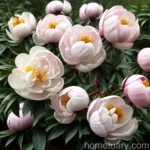
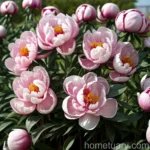
The Paeonia lactiflora ‘Karl Rosenfield’ is a well-known herbaceous perennial and a double-flowered peony cultivar. It is valued for its large, deep-red, fragrant flowers that bloom in late spring to early summer. This peony cultivar was first introduced in the late 19th century and has since become a popular choice for gardens and landscapes due to its stunning visual appeal and ease of cultivation.
Key Takeaways – Karl Rosenfield Peony
Before delving into the specifics of growing and caring for the Karl Rosenfield peony, here are key takeaways about this beautiful peony variety:
- Scientific Name: Paeonia lactiflora ‘Karl Rosenfield’
- Common Name: Karl Rosenfield Peony
- Flower Color: Deep red
- Flower Type: Double flower
- Bloom Time: Late spring to early summer
- Fragrance: Fragrant
- Growth Habit: Herbaceous perennial
- Uses: Ornamental, cut flower
Let’s now explore the various aspects of growing and caring for the Karl Rosenfield peony in more detail.
Culture
The culture of the Karl Rosenfield peony encompasses the environmental conditions, care routines, and overall approach to cultivating this stunning peony variety. In this section, we will cover the specific cultural requirements for optimal growth and blooming.
Water
Proper watering is crucial for the health and vigor of the Karl Rosenfield peony. Here are some key considerations for watering this peony cultivar:
- Water Requirements: Peonies, including the Karl Rosenfield variety, prefer well-drained soil and require moderate watering. Avoid overwatering, as excessive moisture can lead to root rot.
- Watering Schedule: During the growing season, water the peony deeply once a week, ensuring that the soil is evenly moist but not waterlogged. Adjust the frequency based on weather conditions and soil moisture levels.
Sunlight
Sunlight is essential for the Karl Rosenfield peony to produce abundant blooms and maintain healthy foliage. Understanding its sunlight requirements is key to successful cultivation.
- Sunlight Needs: Karl Rosenfield peonies thrive in full sun to partial shade. They require at least 6-8 hours of direct sunlight per day for optimal growth and impressive blooming.
- Shade Tolerance: While they prefer full sun, Karl Rosenfield peonies can tolerate light afternoon shade, especially in regions with hot summers.
Fertilizer
Proper fertilization promotes robust growth and abundant flowering in the Karl Rosenfield peony. Here’s a guide to fertilizing this peony cultivar effectively:
- Fertilizer Type: Use a balanced, slow-release fertilizer specifically formulated for flowering perennials or for peonies. Alternatively, organic options such as well-aged compost can also be beneficial.
- Fertilizing Schedule: Apply fertilizer in early spring as new growth emerges, following the package instructions for the correct application rate. Refrain from over-fertilizing, as excessive nutrients can lead to lush foliage at the expense of blooming.
Soil
The soil composition and quality play a significant role in the overall health and performance of the Karl Rosenfield peony. Understanding its soil requirements is essential for successful cultivation.
- Soil Type: Karl Rosenfield peonies thrive in well-drained, loamy soil with a slightly acidic to neutral pH (6.5-7.0). Amending heavy clay soil with organic matter such as compost or peat moss aids in improving drainage and soil structure.
- Soil Moisture: While well-draining soil is essential, it should also retain adequate moisture to support the peony’s growth. Mulching with organic matter helps retain soil moisture and regulate soil temperature.
Pruning
Proper pruning is vital for maintaining the health, shape, and blooming potential of the Karl Rosenfield peony. Here are some key guidelines for pruning this peony cultivar:
- Pruning Time: Prune the peony plant in late fall or early spring before new growth emerges. Remove any dead or damaged stems, as well as old foliage to prevent disease issues.
- Pruning Technique: Cut the stems just above ground level, removing all the old foliage to promote clean, healthy growth in the upcoming season. Pruning also helps improve air circulation, reducing the risk of fungal diseases.
Propagation
The propagation of the Karl Rosenfield peony involves the process of creating new plants from existing ones. While peonies can be propagated through various methods, division is the most common approach for the Paeonia lactiflora ‘Karl Rosenfield’.
Division
Dividing mature peony plants not only helps maintain plant vigor but also allows gardeners to expand their peony collection. Here’s how to propagate the Karl Rosenfield peony through division:
- Timing: Optimal timing for division is in early fall, allowing the new divisions to establish before winter sets in. Alternatively, early spring just as new growth emerges also provides a suitable window for division.
- Digging: Carefully dig around the plant’s drip line, taking care not to damage the roots. Lift the clump from the ground, removing excess soil to reveal the root system.
- Division: Use a sharp, clean knife to divide the clump into sections, ensuring that each division has several healthy buds and a portion of the root system.
- Planting: Replant the divisions in prepared soil, ensuring the buds are positioned no deeper than 2 inches below the soil surface. Water thoroughly and mulch to conserve soil moisture and protect the new divisions.
Container Popularity
The Karl Rosenfield peony’s popularity extends to container gardening, offering an opportunity to enjoy its captivating blooms in confined spaces or on patios and balconies. While peonies are traditionally grown in the ground, container cultivation allows gardeners with limited space to experience the beauty of this exquisite peony variety.
Container Selection
When choosing a container for the Karl Rosenfield peony, consider the following factors:
- Size: Select a large, sturdy container with a minimum diameter of 18-24 inches to accommodate the peony’s expansive root system and provide ample space for growth.
- Drainage: Ensure that the container has drainage holes to prevent waterlogging, as peonies are susceptible to root rot in poorly drained soil.
- Material: Opt for containers made of durable materials such as ceramic, fiberglass, or wood, as they provide insulation and stability for the peony plant.
Soil and Watering
Proper soil and watering practices are crucial for the successful cultivation of the Karl Rosenfield peony in containers:
- Soil Mix: Use a well-draining, nutrient-rich potting mix formulated for flowering perennials or a blend of quality loam, compost, and perlite to ensure adequate drainage and fertility.
- Watering: Container-grown peonies may require more frequent watering, especially during hot, dry periods. Monitor the soil moisture regularly and water deeply when the top inch of the soil feels dry.
Overwintering
In regions with harsh winters, overwintering container-grown peonies is essential for their survival and continued growth. Follow these tips to protect the Karl Rosenfield peony during the winter months:
- Insulation: Place the container in a sheltered location, such as a garage or shed, to protect the peony from extreme cold and temperature fluctuations. Consider wrapping the container with insulating material to prevent freezing.
- Moisture Management: Water the peony sparingly during winter dormancy to prevent the soil from fully drying out while avoiding excessive moisture accumulation.
Common Diseases
Despite their overall resilience, peonies, including the Karl Rosenfield variety, are susceptible to certain diseases that can impact their growth and flowering. Recognizing and effectively addressing these diseases is crucial for maintaining healthy peony plants.
Botrytis Blight
Botrytis blight, also known as gray mold, is a common fungal disease that affects peonies, particularly during periods of cool, wet weather. Here’s how to identify and manage botrytis blight in Karl Rosenfield peonies:
- Symptoms: Look for grayish-brown spots on leaves and stems, often accompanied by a fuzzy gray mold. Infected flower buds may fail to open or become discolored.
- Management: Improve air circulation by spacing plants adequately, removing and disposing of affected plant parts, and applying fungicides as a preventive measure during periods conducive to disease development.
Phytophthora Blight
Phytophthora blight, caused by the soil-borne pathogen Phytophthora cactorum, can lead to severe wilting, browning, and stem collapse in peonies. Here’s how to manage phytophthora blight in Karl Rosenfield peonies:
- Symptoms: Look for wilting, browning, and blackening of lower stems, often accompanied by a distinctive foul odor. In wet conditions, the pathogen may produce a white, powdery growth on affected areas.
- Management: Improve soil drainage, avoid overwatering, and apply fungicides labeled for phytophthora control as a preventive measure, particularly during the growing season.
Verticillium Wilt
Verticillium wilt is a fungal disease that can affect a wide range of plants, including peonies. Understanding its symptoms and management is essential for preventing and controlling the disease in Karl Rosenfield peonies:
- Symptoms: Look for wilting, yellowing, and browning of foliage, often on one side of the plant. Infected plants may exhibit stunted growth and reduced flowering.
- Management: There are no effective chemical controls for verticillium wilt in peonies. Focus on prevention by planting peonies in well-drained soil, avoiding excessive nitrogen fertilization, and promptly removing and destroying infected plants.
Disease Diagnosis
Diagnosing diseases in Karl Rosenfield peonies involves careful observation of symptoms and signs, coupled with an understanding of the environmental conditions and cultural practices that may predispose the plants to specific diseases. When confronted with potential disease issues, consider the following steps for accurate diagnosis and effective management:
- Symptom Identification: Carefully examine the peony plant for any unusual symptoms, including leaf spots, wilting, discoloration, or abnormal growth patterns.
- Environmental Assessment: Evaluate the environmental conditions, such as moisture levels, temperature, and air circulation, to identify factors that may contribute to disease development.
- Cultural Review: Review the plant’s cultural history, including watering practices, fertilization, and maintenance routines, to assess any potential stresses or imbalances that could weaken the plant’s defenses.
Once you have gathered relevant information, consider consulting with a local horticulturist or plant pathology expert to confirm the diagnosis and receive specific recommendations for disease management tailored to your region and growing conditions.
Common Pests
While peonies, including the Karl Rosenfield variety, are relatively resistant to pest infestations, several pests can pose a threat to their health and appearance. Understanding the common pests and their management is essential for safeguarding peony plants.
Red Spider Mites
Red spider mites, also known as two-spotted spider mites, are tiny arachnids that can inflict damage to peony foliage and impair plant vigor. Recognizing and managing red spider mite infestations is crucial for protecting the Karl Rosenfield peony:
- Symptoms: Look for stippling, yellowing, and speckling on the upper leaf surface, often accompanied by fine webbing. Severe infestations can lead to leaf desiccation and premature leaf drop.
- Management: Use a strong blast of water to dislodge mites from the foliage, apply horticultural oils or insecticidal soaps to suffocate the mites, and introduce predatory mites as a biological control measure.
Peony Leaf Miner
Peony leaf miners are small, fly-like insects whose larvae tunnel within peony leaves, causing unsightly visual damage and potentially weakening the plant. Here’s how to identify and manage peony leaf miners in Karl Rosenfield peonies:
- Symptoms: Look for serpentine mines and blotches on the upper leaf surface, often accompanied by brown or white blotches. Heavily infested leaves may exhibit extensive damage, compromising their photosynthetic capacity.
- Management: Promptly remove and destroy infested leaves, and consider applying insecticidal treatments labeled for leaf miner control as a preventive measure during the growing season.
Nematus Ribesii (Currant Sawfly)
The larvae of Nematus ribesii, also known as the currant or gooseberry sawfly, are voracious feeders that can defoliate peony plants if left unchecked. Identifying and managing currant sawfly infestations is crucial for protecting the Karl Rosenfield peony:
- Symptoms: Look for skeletonized foliage, defoliation, and the presence of green or yellowish larvae on the undersides of leaves. Severe infestations can lead to substantial leaf loss and weakened plant vigor.
- Management: Handpick and destroy larvae when feasible, prune and dispose of severely infested foliage, and consider applying insecticidal treatments labeled for sawfly control as necessary.
By remaining vigilant and implementing integrated pest management strategies, gardeners can effectively mitigate the impact of common pests on Karl Rosenfield peonies, promoting healthy growth and abundant flowering.
Botanist’s Tips
To maximize the beauty and performance of the Karl Rosenfield peony in the garden, consider these expert tips from botanists and horticulturists:
- Mulch Wisely: Apply a 2-3 inch layer of organic mulch, such as shredded bark or compost, around the base of the peony plant to conserve soil moisture, suppress weeds, and moderate soil temperature.
- Support Blooms: Install peony rings or carefully position stakes around peony plants in early spring to support the weight of the large flower heads and prevent them from sprawling on the ground.
- Monitor Moisture: Regularly check the soil moisture levels, particularly during hot, dry periods, and water the peony deeply when necessary to ensure sufficient hydration.
- Practice Sanitation: Remove and dispose of any spent blooms, damaged foliage, or other plant debris promptly to minimize disease pressure and maintain a tidy garden appearance.
By incorporating these practical recommendations into your peony care routine, you can foster healthy, vibrant Karl Rosenfield peonies that captivate with their stunning blooms and alluring fragrance.
Fun Facts
Dive into the captivating world of Karl Rosenfield peonies with these intriguing fun facts:
- History and Heritage: The Karl Rosenfield peony was named after the renowned horticulturist Karl Theodor Rosenfield, celebrating his contributions to horticulture and plant breeding.
- Botanical Splendor: Beyond their ornamental appeal, peony petals are edible and can be used to garnish salads, desserts, and beverages, adding a touch of elegance to culinary creations.
- Cultural Symbolism: Peonies, including the Karl Rosenfield variety, are revered in various cultures as symbols of prosperity, good fortune, and enduring beauty, often featuring prominently in art and literature.
- Medicinal Traditions: Traditional Chinese medicine has long utilized peony roots as a remedy for various ailments, recognizing their potential anti-inflammatory and analgesic properties.
- Enduring Splendor: Some peony cultivars, including the Karl Rosenfield variety, can live for decades, showcasing their resplendent blooms year after year and becoming cherished heirlooms in family gardens.
By embracing these fascinating tidbits about Karl Rosenfield peonies, you can deepen your appreciation for these magnificent plants and the rich tapestry of horticultural history and tradition they embody.
Links to External Resources
To further your knowledge and exploration of Karl Rosenfield peonies and gardening in general, consider the following external resources:
- American Peony Society: The American Peony Society offers a wealth of information on peony cultivation, varieties, and events for peony enthusiasts.
- RHS Gardening: Growing Peonies: The Royal Horticultural Society provides comprehensive advice on growing and caring for peonies, including the Karl Rosenfield variety.
- University of Missouri Extension: Peonies: Explore this thorough guide to peonies, featuring insights into peony care, selection, and maintenance from the University of Missouri Extension.
- Better Homes & Gardens: Peony Care Tips: Discover practical tips and advice for growing and enjoying peonies, including guidance on planting, watering, and pest management.
These reputable resources offer a treasure trove of guidance, inspiration, and expertise, empowering you to enrich your journey with Karl Rosenfield peonies and expand your horticultural horizons.
In conclusion, the Karl Rosenfield peony, with its captivating deep-red double blooms and robust growth habit, stands as a testament to the enduring allure and grace of peonies in gardens and landscapes. By embracing the cultural insights, botanical wisdom, and practical tips outlined in this comprehensive guide, you can nurture and celebrate the beauty of the Karl Rosenfield peony while discovering the boundless joys of peony gardening.
From understanding its specific cultural requirements to mitigating disease and pest pressures, cultivating the Karl Rosenfield peony offers a rich tapestry of experiences that resonate with the profound legacy and timeless charm of these remarkable flowering plants. As you embark on your journey with Karl Rosenfield peonies, may the dazzling blooms, mesmerizing fragrance, and enduring symbolism of peonies enrich your garden and infuse your days with natural splendor.