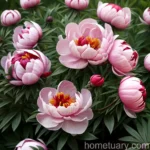
All About Peony (Paeonia lactiflora ‘Marshmallow Button’)
Peony (Paeonia lactiflora ‘Marshmallow Button’) is a delightful herbaceous perennial plant known for its large, fluffy, and fragrant blooms. The ‘Marshmallow Button’ variety adds a charming touch to any landscape with its soft pastel colors, making it a popular choice among gardeners and flower enthusiasts. In this comprehensive guide, we will explore the culture, uses, care tips, and fascinating facts about the peony (Paeonia lactiflora ‘Marshmallow Button’). Whether you are a seasoned gardener or a beginner, this detailed article will provide valuable insights into the world of this stunning peony variety.
What is Peony (Paeonia lactiflora ‘Marshmallow Button’)?
Peony Overview
Peony plants are well-loved for their captivating beauty, lush foliage, and enchanting fragrance. The Paeonia lactiflora ‘Marshmallow Button’ is a specific cultivar of the Paeonia lactiflora species, renowned for its unique floral characteristics. Originating from China, peonies have a rich cultural and historical significance, and they have been cultivated for centuries.
The ‘Marshmallow Button’ variety is particularly cherished for its delicate pastel-colored blooms, which resemble fluffy marshmallows, hence the name. The lush, green foliage provides an elegant backdrop to the stunning flowers, creating a visually appealing display in any garden or landscape.
Key Takeaways – Peony (Paeonia lactiflora ‘Marshmallow Button’)
To give you a quick overview of the key points we will cover in this article, here are the main highlights of the peony (Paeonia lactiflora ‘Marshmallow Button’):
- Culture: Understanding the cultural requirements for growing peonies.
- Uses: Explore the versatile uses of the ‘Marshmallow Button’ peony.
- Water: Learn about the proper watering techniques to keep peonies healthy.
- Sunlight: Discover the sunlight preferences of peonies for optimal growth.
- Fertilizer: Insights into the fertilization needs of peonies.
- Soil: Understanding the ideal soil conditions for planting peonies.
- Pruning: Tips for pruning peonies to promote vigorous growth and abundant blooms.
- Propagation: Exploring different propagation techniques for peonies.
- Container Popularity: Insights into growing peonies in containers.
- Common Diseases: Understanding common diseases that affect peonies and methods for diagnosis and control.
- Common Pests: Identifying and controlling pests that may impact peony plants.
- Botanist’s Tips: Expert tips for successful cultivation and maintenance of peonies.
- Fun Facts: Interesting and lesser-known facts about peony (Paeonia lactiflora ‘Marshmallow Button’).
- Links to External Resources: Direct links to credible external sources for further exploration.
Now, let’s delve into each of these aspects in detail to gain a comprehensive understanding of this enchanting plant.
Culture
Peony Care Tips
Cultivating peonies, including the ‘Marshmallow Button’ variety, requires attention to specific cultural practices to ensure optimal growth and abundant blooms. Here are essential care tips for nurturing peonies:
-
Planting Time: Peonies are best planted in the fall, allowing them to establish strong root systems before the arrival of winter. Spring planting is also an option but may require extra care to support the plants during the warmer months.
-
Location: Choose a planting site with well-draining soil and ample sunlight. Peonies thrive in full sun to partial shade, although they generally produce more blooms in full sun.
-
Soil Preparation: Prior to planting, prepare the soil by incorporating organic matter such as compost or well-rotted manure. Ensure that the soil pH is slightly acidic to neutral (6.5 to 7.0) for optimal growth.
-
Planting Depth: Peony roots should be planted no more than 2 inches below the soil surface. Planting too deep may result in poor flowering.
-
Watering: Provide regular watering, especially during dry spells, to keep the soil consistently moist but not waterlogged. Adequate moisture is crucial during the initial establishment phase.
-
Fertilization: Depending on the soil quality, incorporating balanced fertilizer in early spring can help promote healthy growth and abundant blooms. A low-nitrogen, high-phosphorus, and high-potassium fertilizer is recommended.
-
Mulching: Apply a layer of organic mulch around peony plants to conserve soil moisture and suppress weed growth. Mulching also provides insulation during temperature fluctuations.
-
Support: Tall peony varieties, including the ‘Marshmallow Button’, may require support to prevent the heavy blooms from bending or breaking. Install sturdy peony rings or stakes in early spring to provide support as the plants grow.
These cultural practices form the foundation for successful peony cultivation, laying the groundwork for beautiful, resilient plants.
Uses
Peony in Landscaping and Floral Arrangements
The ‘Marshmallow Button’ peony, with its enchanting blooms and lush foliage, offers a multitude of uses in both landscaping and floral arrangements. Let’s explore the versatile applications of this captivating plant:
-
Landscaping: Peonies, including the ‘Marshmallow Button’ variety, make stunning focal points in garden beds and borders. Their showy blooms and lush foliage add a touch of elegance to any landscape, creating visually appealing displays.
-
Cut Flowers: The large, fragrant flowers of the ‘Marshmallow Button’ peony are prized for their use in floral arrangements. Whether used alone or combined with other blooms, peonies add a luxurious and graceful element to bouquets and floral designs.
-
Perennial Gardens: As long-lived perennials, peonies are valued for their longevity in the garden. They return year after year, gracing the landscape with their dazzling blooms and adding enduring beauty to perennial gardens.
-
Container Gardens: For those with limited space or who want to enjoy peonies on patios and balconies, growing the ‘Marshmallow Button’ peony in containers is a viable option. Select large containers to accommodate the vigorous growth of peony roots and provide proper drainage.
-
Medicinal and Folklore Uses: Historically, certain parts of peony plants have been used in traditional medicine for their purported medicinal properties. Additionally, peonies hold cultural significance in various folklore and traditions, symbolizing prosperity, good fortune, and happiness.
The uses of peony (Paeonia lactiflora ‘Marshmallow Button’) are diverse, making it a highly sought-after plant for both practical and aesthetic purposes.
Water
Peony Watering Requirements
Proper watering is essential for the health and vigor of peonies, including the ‘Marshmallow Button’ variety. Understanding the specific watering needs of peonies is vital to prevent issues such as root rot or drought stress. Here are insights into the watering requirements for peonies:
-
Establishment Phase: After planting or transplanting peonies, provide regular and consistent watering to support root establishment. Ensure that the soil remains evenly moist but not waterlogged during this critical phase.
-
Mature Plants: Once established, peonies generally require minimal intervention for watering, as they are moderately drought-tolerant. However, during extended periods of dry weather, it is essential to supplement natural rainfall with deep watering to maintain soil moisture.
-
Signs of Overwatering: Excessive moisture can lead to root rot and other related issues. Signs of overwatering include wilting, yellowing leaves, or a sour odor emanating from the soil. If these symptoms are observed, adjust the watering frequency to allow the soil to dry out slightly between watering sessions.
-
Watering Technique: Aim to water the base of the plants directly to deliver water to the root zone. Avoid overhead watering, especially in the evening, to minimize the risk of fungal diseases and foliar issues.
By adhering to proper watering practices, gardeners can ensure the health and resilience of their ‘Marshmallow Button’ peonies, promoting abundant blooms and lush foliage.
Sunlight
Sun Requirements for Peonies
Sunlight plays a crucial role in the growth and flowering of peonies, influencing their overall vigor and bloom production. Understanding the sun preferences of peonies, particularly the ‘Marshmallow Button’ variety, is essential for successful cultivation. Here are important considerations regarding sunlight requirements for peonies:
-
Full Sun: Peonies thrive in full sun conditions, receiving at least six to eight hours of direct sunlight daily. In full sun, peonies typically produce more blooms and exhibit compact, sturdy growth.
-
Partial Shade: While peonies prefer full sun, they can also tolerate partial shade, particularly in regions with intense afternoon sunlight or during exceptionally hot summers. In partial shade, peonies may display slightly elongated growth and produce fewer blooms, but they will still thrive with proper care.
-
Sun Protection: During periods of extreme heat, providing some protection from intense midday sun can benefit peonies. Planting them where they receive morning sun and afternoon shade or providing light shade cloth can reduce stress and prevent sunscald on the foliage.
-
Northern Exposure: In regions with intense heat, peonies may benefit from a northern exposure where they receive ample morning sun but are sheltered from the scorching afternoon sun. This can help prevent wilting and sun damage during the peak of summer.
By ensuring that peonies receive adequate sunlight, whether in full sun or partial shade, gardeners can support robust growth, vibrant blooms, and overall plant health.
Fertilizer
Peony Fertilizer Needs
Fertilization is an important aspect of peony care, contributing to the overall health, vigor, and blooming capacity of the ‘Marshmallow Button’ and other peony varieties. Here’s a comprehensive guide to understanding the fertilizer needs of peonies:
-
Fertilizer Selection: Use a balanced, slow-release fertilizer with a formulation such as 5-10-10 or 10-10-10, where the nitrogen (N) content is not overly high. These formulations promote healthy root growth and flower production without stimulating excessive foliage growth.
-
Application Timing: Apply fertilizer in early spring as new growth emerges, following the recommended rates based on the label instructions. Avoid over-fertilization, as excessive nitrogen can lead to lush foliage at the expense of flower production.
-
Mulch and Compost: Incorporating organic mulch and compost around peony plants can provide a natural source of nutrients as they decompose. This enriches the soil and supports the long-term nutritional needs of the peonies.
-
Avoid High Nitrogen: Peonies are sensitive to excessive nitrogen, as it can lead to weak stems and an increased risk of flopping. Therefore, it is essential to prioritize phosphorus and potassium for robust growth and blooming.
-
Topdressing: For established peonies, topdressing with compost or well-rotted manure in early spring can supplement their nutritional requirements and support healthy growth throughout the growing season.
By implementing a balanced fertilization regimen and providing organic sources of nutrients, gardeners can ensure that their ‘Marshmallow Button’ peonies thrive and produce an abundance of gorgeous blooms.
Soil
Ideal Soil Conditions for Peonies
Soil quality significantly impacts the growth, development, and overall performance of peonies, including the ‘Marshmallow Button’ variety. Understanding the ideal soil conditions for planting and cultivating peonies is crucial for fostering healthy, robust plants. Here are the key considerations for soil preparation and maintenance:
-
Well-Draining Soil: Peonies prefer well-draining soil that allows excess moisture to percolate away from the root zone. Avoid waterlogged or heavy clay soils, as they can lead to root rot and other issues.
-
Soil pH: Aim for a slightly acidic to neutral soil pH range of 6.5 to 7.0 for peonies. Conduct a soil test to determine the pH level and make necessary amendments to achieve the ideal pH range for optimal growth.
-
Organic Matter: Prior to planting, work organic matter such as compost, well-rotted manure, or peat moss into the soil to enhance its structure, fertility, and water-holding capacity. Organic amendments also support beneficial microbial activity in the soil.
-
Soil Structure: Peonies thrive in loamy, well-structured soil that provides a balance of air circulation, water retention, and nutrient availability. Amending heavy clay soils with sand and organic matter can improve soil structure and drainage.
-
Mulching: Applying a layer of organic mulch around peony plants not only conserves soil moisture but also contributes to the enrichment of the soil as the mulch breaks down over time.
By ensuring that peonies are planted in well-prepared soil with the appropriate characteristics, gardeners can set the stage for thriving, resilient plants that grace the garden with their stunning blooms.
Pruning
Pruning Peonies for Health and Blooms
Proper pruning is an essential aspect of peony care, as it promotes vigorous growth, abundant blooms, and overall plant health. Understanding the specific pruning requirements of peonies, including the ‘Marshmallow Button’ variety, is critical for successful cultivation. Here’s a comprehensive guide to pruning peonies:
-
Spring Pruning: In early spring, once the new shoots have emerged, it is beneficial to cut back any remaining dead foliage from the previous season. This tidies the appearance of the plants and reduces overwintering diseases.
-
Bud Disbudding: To encourage larger blooms, some gardeners practice disbudding, which involves removing side buds to direct the plant’s energy towards the central bud. This results in fewer but larger and more spectacular flowers on each stem.
-
Post-Blooming Maintenance: After the blooming period, deadhead spent flowers by cutting the stem down to a set of healthy leaves. This prevents seed formation and encourages the plant to redirect its energy into developing robust roots for the following year.
-
Support Staking: As the ‘Marshmallow Button’ peony produces large, heavy blooms, it may benefit from staking the stems for support. Install peony rings or stakes early in the growing season to prevent bending or breaking of the stems under the weight of the flowers.
-
Fall Clean-Up: In late fall, after the first frost, prune the stems of peonies to ground level and dispose of the foliage to minimize the risk of overwintering diseases.
By incorporating these pruning techniques into the care routine, gardeners can ensure that their ‘Marshmallow Button’ peonies maintain a tidy appearance, produce abundant blooms, and remain healthy season after season.
Propagation
Propagation Techniques for Peonies
Propagating peonies, including the ‘Marshmallow Button’ variety, allows gardeners to expand their collection, share plants with others, or rejuvenate older specimens. There are several methods of propagation that can be employed to achieve new peony plants:
-
Division: Dividing mature peony clumps is the most common and successful method of propagation. This is typically done in the fall when the plant is dormant. Dig up the entire plant, carefully divide the clump into sections with at least three to five eyes (buds) each, and replant the divisions at the appropriate depth.
-
Seed Propagation: Growing peonies from seed is a viable but slow process, as it can take several years for the plants to reach maturity and produce blooms. Collect seeds from spent flower heads, sow them in well-draining soil in containers, and provide consistent moisture and warmth for germination to occur.
-
Root Cuttings: Taking root cuttings from peony plants in the fall or early spring can yield new plants. Select healthy, thick roots, cut them into sections several inches long, and plant them horizontally in containers or prepared garden beds.
-
Grafting: Grafting is a more advanced propagation technique that involves joining a piece of peony stem (scion) to a compatible rootstock. This method is often utilized for creating specific cultivars or as a means of preserving rare or unique peony varieties.
By employing these proven propagation techniques, gardeners can expand their peony collection, preserve cherished varieties, and propagate the ‘Marshmallow Button’ peony to share its beauty with others.
Container Popularity
Growing Peonies in Containers
While peonies are traditionally planted in garden beds, growing them in containers is a practical and visually appealing alternative, particularly for those with limited garden space. The ‘Marshmallow Button’ peony can thrive in containers when provided with the right growing conditions. Here’s a guide to successfully growing peonies in containers:
-
Container Selection: Choose large, sturdy containers with ample drainage holes to support the vigorous root system of peonies. A depth of at least 18 inches is ideal to accommodate the extensive root mass.
-
Potting Mix: Use a high-quality, well-draining potting mix that provides good aeration and moisture retention. A mix formulated for perennials or roses is suitable for growing peonies in containers.
-
Watering: Container-grown peonies may require more frequent watering than those planted in the ground, as containers can dry out more quickly. Monitor soil moisture regularly and water deeply when the top inch of soil feels dry.
-
Sunlight: Place the containers in a location that receives ample sunlight, preferably at least six hours of direct sun daily. If intense afternoon sun is a concern, providing light shade during the hottest part of the day can benefit the plants.
-
Fertilization: Apply a balanced, slow-release fertilizer to container-grown peonies in early spring, following the recommended rates. Additionally, topdressing with compost can enrich the potting mix and support the plants throughout the growing season.
-
Overwintering: In regions with cold winters, provide winter protection for container-grown peonies by insulating the pots or moving them to a sheltered location to prevent freeze-thaw cycles that can damage the roots.
Successfully cultivating peonies in containers allows gardeners to enjoy their captivating beauty on patios, balconies, or other outdoor spaces, adding a touch of elegance and charm to the surroundings.
Common Diseases
Disease Control for Peonies
While peonies, including the ‘Marshmallow Button’ variety, are generally robust and disease-resistant, they can still be susceptible to certain fungal and bacterial infections. By being vigilant and implementing preventative measures, gardeners can effectively manage and control common diseases that may affect peonies. Here are some strategies for disease control:
-
Botrytis Blight: Proper plant spacing, good air circulation, and avoiding overhead watering can help prevent botrytis blight, a fungal disease that leads to gray mold on the foliage and flowers. Remove and dispose of affected plant parts promptly.
-
Powdery Mildew: Monitor plants for signs of powdery mildew, a common fungal disease that appears as a powdery white coating on the foliage. Selecting mildew-resistant cultivars and providing good air circulation can help prevent this disease.
-
Leaf Spots: Bacterial and fungal leaf spot diseases can impact peony foliage, leading to discoloration and leaf damage. Maintaining clean garden beds, removing and disposing of affected leaves, and avoiding overhead irrigation can reduce the risk of leaf spot diseases.
-
Root Rot: Overly wet or poorly drained soil can