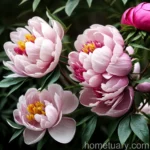
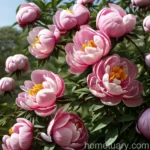
The Beautiful Alice Harding Peony
Peonies are timeless garden favorites, beloved for their large, extravagant blooms and their ability to thrive with minimal care. Among the diverse range of peony varieties, the Paeonia lactiflora ‘Alice Harding’ stands out for its stunning features and versatility in garden design. In this comprehensive guide, we will delve into the various aspects of this captivating plant, from its cultural needs to its uses, diseases, and maintenance tips. Whether you’re a seasoned gardener or a newcomer to the world of botanical wonders, this article is your essential resource for understanding and cultivating the enchanting Alice Harding peony.
What is the Peony (Paeonia lactiflora ‘Alice Harding’)?
The Paeonia lactiflora ‘Alice Harding,’ commonly known as the Alice Harding peony, is a herbaceous perennial that belongs to the Paeoniaceae family. Originating from China, it has garnered acclaim for its striking beauty and robust growth. This peony is renowned for its large, fragrant flowers, which typically bloom in late spring to early summer, adding a touch of elegance to any garden or landscape.
Key Takeaways – Peony (Paeonia lactiflora ‘Alice Harding’)
Before we delve into the intricate details of the Alice Harding peony, let’s highlight the key takeaways that will guide us through this comprehensive exploration of its characteristics and care requirements.
- Peony Flower Varieties: Understanding the breadth of peony flower types and the unique attributes of the Alice Harding variety.
- Cultivation Guide: Exploring the essential steps for cultivating Paeonia lactiflora, with a focus on the care and maintenance of the Alice Harding peony.
- Garden Showcase: Showcasing the versatility and ornamental value of Alice Harding peonies in various garden settings.
- Care and Maintenance: Providing insights into the specific needs of Alice Harding peonies, covering water, sunlight, soil, and fertilizer requirements.
- Disease and Pest Control: Identifying common diseases and pests that affect peonies, along with preventive measures and treatment strategies.
- Propagation and Pruning: Understanding the propagation methods and pruning techniques suitable for the Alice Harding peony.
Now, let’s embark on a journey to uncover the enchanting world of the Alice Harding peony, from its cultural significance to its practical uses and horticultural care.
Culture
The cultural requirements of the Paeonia lactiflora ‘Alice Harding’ are fundamental to its health and vitality. Understanding the plant’s preferences for water, sunlight, soil, and fertilizer is crucial for providing optimal growing conditions.
Uses
The Alice Harding peony offers a myriad of uses in garden landscapes and floral arrangements. Its versatility makes it a prized addition to various settings, including residential gardens, public parks, and commercial landscapes.
- Garden Ornament: The large, showy blooms of the Alice Harding peony make it an excellent choice for creating focal points in garden beds and borders.
- Cut Flowers: The fragrant, long-lasting flowers of the Alice Harding peony are popular choices for creating stunning floral arrangements and bouquets.
- Habitat Enhancement: Peonies, including the Alice Harding variety, attract pollinators such as bees and butterflies, contributing to the ecological balance of a garden or natural habitat.
Water
Proper watering is essential for the health and vitality of the Alice Harding peony. While it is important to ensure an adequate water supply, overwatering should be avoided to prevent root rot and other water-related issues.
- Optimal Moisture: The Alice Harding peony thrives in well-draining soil that retains moisture without becoming waterlogged. Consistent moisture levels are beneficial, especially during the active growing season and flower bud development.
- Watering Practices: When irrigating paeonies, including the Alice Harding variety, it is advisable to water deeply but infrequently. This encourages the development of a robust root system while minimizing the risk of waterlogged soil.
Sunlight
The sunlight requirements of the Alice Harding peony play a pivotal role in its growth and flowering performance. Understanding its needs for light exposure is essential for selecting suitable planting locations and optimizing its ornamental value.
- Sun Exposure: The Alice Harding peony thrives in full sun to partial shade, making it adaptable to a wide range of garden settings. In regions with hot climates, providing afternoon shade can protect the plant from excessive heat and sun exposure.
- Flowering Performance: Adequate sunlight is essential for promoting blooming, as it supports the plant’s photosynthetic processes and energy production, contributing to the development of abundant flowers.
Fertilizer
While peonies are generally low-maintenance plants, they benefit from occasional fertilization to support healthy growth and prolific flowering. The Alice Harding peony, in particular, can be nourished with a balanced fertilizer regimen to enhance its overall vigor.
- Fertilizer Timing: Applying a balanced, slow-release fertilizer in early spring can provide the Alice Harding peony with essential nutrients for the growing season. Avoid excessive nitrogen, as it may encourage lush foliage at the expense of flower production.
- Soil Enrichment: Incorporating organic matter, such as compost or well-rotted manure, into the soil can improve its fertility and texture, creating an optimal growing environment for the Alice Harding peony and promoting long-term health.
Soil
The soil requirements of the Alice Harding peony are integral to its long-term performance and resilience. Understanding the preferred soil conditions enables gardeners to create an ideal foundation for the plant’s growth and development.
- Well-Drained Soil: Peonies, including the Alice Harding variety, thrive in well-drained, loamy soil with a slightly acidic to neutral pH. This soil type supports healthy root development and reduces the risk of waterlogging, which can be detrimental to the plant’s health.
- Soil Amendment: Prior to planting, amending the soil with organic matter and perlite can improve its structure and drainage, creating an optimal substrate for the Alice Harding peony’s root establishment.
Pruning
Pruning is an essential aspect of peony care, contributing to the plant’s overall health, aesthetics, and blooming performance. Proper pruning techniques can maximize the ornamental value of the Alice Harding peony while maintaining its vigorous growth.
- Spring Pruning: Removing dead or damaged stems and foliage in early spring helps rejuvenate the Alice Harding peony and promotes the emergence of healthy new growth. This practice also enhances airflow within the plant, reducing the risk of fungal diseases.
- Deadheading Blooms: Deadheading spent flowers not only maintains the plant’s tidiness but also conserves its energy for future growth and blooming cycles. Regular deadheading can extend the flowering period of the Alice Harding peony.
Propagation
The propagation of the Alice Harding peony offers opportunities for expanding its presence in the garden or sharing its beauty with other gardening enthusiasts. Understanding the methods of propagation is essential for successfully reproducing this esteemed variety.
- Division: Dividing mature peony clumps in early autumn or late summer is a common propagation method for the Alice Harding peony. Each division should contain multiple eyes, ensuring the development of robust, blooming plants.
- Root Cuttings: Propagating peonies from root cuttings can be a viable method for generating new plants, including the Alice Harding variety. Selecting healthy, disease-free roots and providing optimal growing conditions can facilitate successful root propagation.
Container Popularity
While peonies are often associated with traditional garden settings, they can also thrive in containers, offering a versatile option for gardeners with limited space or unique design preferences.
- Container Selection: Choosing spacious, well-draining containers is essential for cultivating peonies, including the Alice Harding variety, in a containerized environment. This allows for adequate root development and minimizes the risk of waterlogging.
- Soil and Watering: Planting peonies in containers requires attention to soil quality and watering practices, given the limited root space. Using high-quality potting mix and monitoring moisture levels can support the health and vigor of container-grown Alice Harding peonies.
Common Diseases
The health of the Alice Harding peony can be impacted by various diseases, ranging from fungal infections to viral pathogens. Recognizing common peony diseases and their symptoms is crucial for implementing timely treatment and preventive measures.
- Botrytis Blight: This fungal disease, caused by Botrytis cinerea, can lead to the development of gray mold on peony foliage and flowers. Improved air circulation and preventive fungicide applications can help manage and prevent botrytis blight in the Alice Harding peony.
- Powdery Mildew: Characterized by a powdery white coating on foliage, powdery mildew can affect peonies, including the Alice Harding variety, especially in humid conditions. Proper ventilation and fungicidal treatments can mitigate its impact on plant health.
- Phytophthora Root Rot: Excessive soil moisture and poor drainage can contribute to the onset of Phytophthora root rot, causing root damage and decline in peony health. Ensuring well-drained soil and avoiding overwatering are crucial preventive measures against this destructive disease.
Disease Diagnosis
Accurately diagnosing diseases affecting the Alice Harding peony is essential for implementing targeted management strategies and preventing the spread of pathogens within the garden environment.

- Visual Symptoms: Observing changes in foliage color, texture, or the presence of abnormal growth can provide valuable clues for diagnosing potential diseases in the Alice Harding peony.
- Professional Consultation: If disease symptoms are uncertain or widespread, consulting with a plant pathologist or experienced horticulturist can provide valuable insights into diagnosing and managing peony diseases effectively.
Common Pests
Peonies, including the Alice Harding variety, may fall victim to various pests that can compromise their health and ornamental value. Recognizing common peony pests and adopting proactive pest control measures can safeguard the plant from infestations.
- Nematodes: Root-knot nematodes can cause damage to the root system of peonies, leading to stunted growth and reduced vitality. Employing nematode-resistant rootstock and maintaining healthy soil conditions can mitigate their impact on the Alice Harding peony.
- Spider Mites: These tiny arachnids can infest peony foliage, causing stippling and discoloration. Regular monitoring and targeted applications of insecticidal soaps or oils can help control spider mite populations on the Alice Harding peony.
Botanist’s Tips
For those who seek to nurture and showcase the enchanting beauty of the Alice Harding peony, incorporating the following tips and best practices can contribute to its exceptional growth and blooming performance.
- Adequate Air Circulation: Ensuring ample space between peony plants, including the Alice Harding variety, promotes better air circulation, reducing the risk of fungal diseases and enhancing overall plant vigor.
- Mulching Benefits: Applying a layer of organic mulch around peonies helps conserve soil moisture, suppress weed growth, and enhance the visual appeal of the garden, including the Alice Harding peony’s planting areas.
Fun Facts
Peonies, with their rich history and remarkable characteristics, offer a treasury of intriguing and delightful facts that captivate enthusiasts and admirers alike. Discovering these fun facts can deepen one’s appreciation for the Alice Harding peony and the enchanting world of peonies in general.
- Historical Significance: Peonies have been cultivated in China for over two millennia and were revered as symbols of wealth, honor, and beauty.
- Fragrance Diversity: Peonies, including the Alice Harding variety, exhibit a wide range of fragrances, from sweet and floral to citrusy and spicy, adding olfactory charm to garden spaces.
- Longevity in Bloom: Established peony plants can continue to produce stunning blooms for several decades, showcasing their enduring ornamental value and resilience.
Links to External Resources
To further enrich your knowledge and appreciation of the Alice Harding peony and peonies in general, explore the following external resources for comprehensive insights, practical guidance, and inspirational ideas.
- American Peony Society: The American Peony Society provides a wealth of information on peony varieties, cultivation tips, and global peony events, offering valuable resources for peony enthusiasts.
- Royal Horticultural Society – Peonies: The Royal Horticultural Society offers a detailed guide to peonies, covering their cultivation, care, and diverse range of varieties, including the Alice Harding peony.
- Missouri Botanical Garden – Paeonia lactiflora]: The Missouri Botanical Garden provides in-depth information on Paeonia lactiflora, encompassing its natural history, cultural requirements, and notable cultivars such as ‘Alice Harding.’
- University of Minnesota Extension – Peonies: The University of Minnesota Extension offers a comprehensive guide to growing and caring for peonies, featuring practical advice on soil preparation, planting, and disease management for peonies, such as the Alice Harding variety.
Conclusion
The Alice Harding peony, with its resplendent blooms and enduring charm, continues to captivate gardeners and floral enthusiasts around the world. By embracing the insights and recommendations presented in this comprehensive guide, you can embark on a rewarding journey of cultivating, nurturing, and showcasing the extraordinary beauty and resilience of the Alice Harding peony. From its cultural significance to its practical uses, care requirements, and pest management, this elegant peony variety offers a wealth of opportunities for enriching the garden landscape and delighting the senses with its timeless allure. As you embark on your journey with the Alice Harding peony, may its enchanting blooms and enduring grace inspire you to create verdant garden sanctuaries and enchanting floral displays for years to come.