Penstemon Pinifolius (Pine-needle Beardtongue)
Penstemon pinifolius, commonly known as Pine-needle Beardtongue, is a remarkable plant that adds beauty and diversity to any landscape. With its unique.
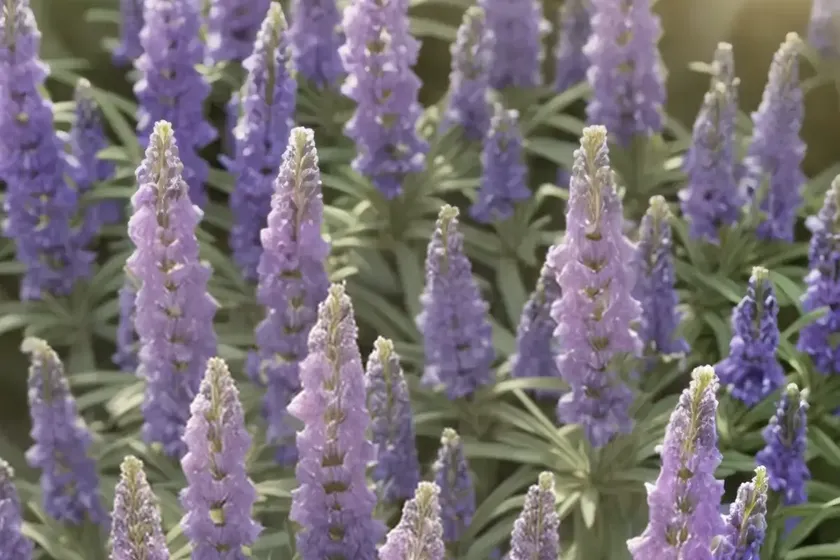
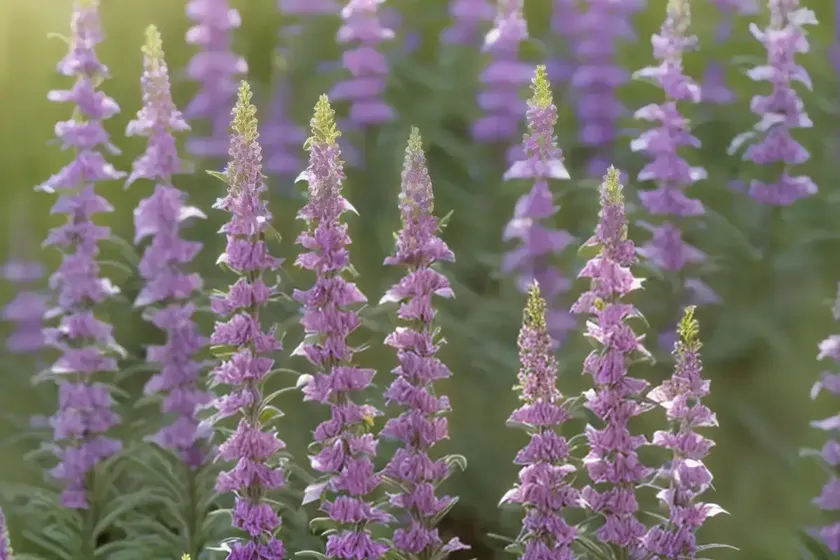
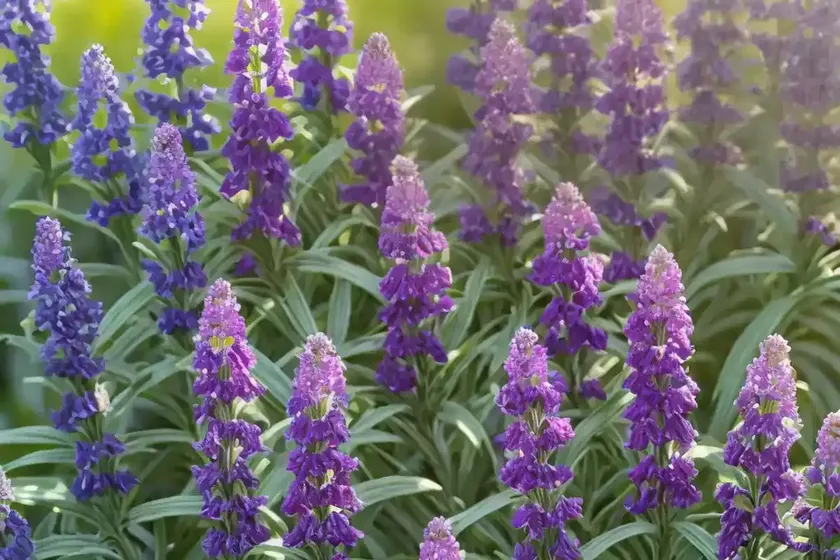
Penstemon pinifolius, commonly known as Pine-needle Beardtongue, is a remarkable plant that adds beauty and diversity to any landscape. With its unique pine needle-like foliage and vibrant blooms, it is a favorite among gardeners and landscapers. In this comprehensive guide, I will delve into the various aspects of Penstemon pinifolius, including its cultural requirements, uses, water and sunlight needs, fertilizer and soil preferences, pruning, propagation, container gardening, common diseases, pests, and much more.
So, let’s embark on an exciting journey to explore the fascinating world of Penstemon pinifolius, along with interesting facts, tips, and resources to help you cultivate and appreciate this remarkable species of flowering plants.
What is Penstemon pinifolius?
Penstemon pinifolius, belonging to the family Plantaginaceae, is a species of flowering plant native to the Southwestern United States, particularly found in the states of Colorado, New Mexico, Utah, and Arizona. The genus Penstemon encompasses a diverse group of herbaceous perennials, some of which are valued for their ornamental qualities and suitability as garden plants. The species name “pinifolius” is inspired by its needle-like foliage, resembling that of a pine tree, hence the common name Pine-needle Beardtongue.
This low-growing perennial plant is renowned for its distinctive evergreen foliage and striking tubular flowers, making it a desirable addition to rock gardens, borders, and xeriscape landscapes. Its adaptability, drought tolerance, and ability to attract pollinators further contribute to its appeal among gardeners and conservationists.
Now, let’s delve into the key aspects of Penstemon pinifolius, including its culture, uses, water and sunlight requirements, fertilizer and soil preferences, pruning, propagation, container gardening, common diseases, pests, and various tips for cultivating and appreciating this delightful plant.
Key Takeaways – Penstemon pinifolius (Pine-needle Beardtongue)
Culture
- Native to Southwestern United States
- Well-suited for xeriscapes, rock gardens, and borders
Uses
- Ornamental plant in landscapes and gardens
- Attracts pollinators such as butterflies and hummingbirds
Water
- Drought-tolerant once established
- Requires well-drained soil to prevent root rot
Sunlight
- Thrives in full sun to partial shade
- Benefits from morning sun and afternoon shade in hot climates
Fertilizer
- Minimal fertilizer requirements
- Preferably apply a balanced fertilizer in spring
Soil
- Well-drained, sandy or gravelly soil
- Tolerates a range of soil pH levels
Pruning
- Prune after flowering to encourage bushier growth
- Remove spent flower spikes to promote prolonged blooming
Propagation
- Propagate from seeds or stem cuttings
- Divide clumps in early spring for vegetative propagation
Container
- Well-suited for container gardening
- Ensure adequate drainage in containers
Popularity
- Highly favored by gardeners and landscapers
- Recognized as a valuable native plant species
Common Diseases
- Susceptible to root rot in poorly drained soil
- Occasionally affected by powdery mildew
Disease Diagnosis
- Yellowing or wilting foliage may indicate root rot
- White powdery patches on leaves suggest powdery mildew
Common Pests
- Occasionally targeted by aphids and spider mites
- Monitor for pest infestations and use appropriate control measures
Botanist’s Tips
- Select cultivars to diversify flower colors
- Incorporate Penstemon pinifolius in wildlife-friendly gardens
Fun Facts
- Attracts a variety of pollinators, contributing to garden biodiversity
- Traditional uses of Penstemon species in Native American herbal remedies
Now that we have covered the key takeaways, let’s explore each aspect in detail to gain a comprehensive understanding of Penstemon pinifolius, its care requirements, ecological significance, and horticultural potential.
Penstemon Pinifolius Varieties
Penstemon pinifolius encompasses several noteworthy varieties, each displaying unique characteristics and color variations in their blooms. Gardeners have the opportunity to select from a range of cultivars, allowing for diversity in flower colors and plant habits. Some popular varieties of Penstemon pinifolius include:
- Penstemon pinifolius ‘Compactum’: A compact selection with vibrant red-orange tubular flowers, ideal for smaller gardens and containers.
- Penstemon pinifolius ‘Mersea Yellow’: Exhibits striking yellow blooms atop attractive foliage, adding a cheerful touch to the landscape.
- Penstemon pinifolius ‘Nearly Red’: A larger cultivar featuring deep red flowers and robust growth, making it a standout in perennial borders.
These varieties showcase the versatility and visual appeal of Penstemon pinifolius, offering an array of options for gardeners to incorporate into their landscapes. By exploring different varieties, enthusiasts can create captivating floral displays and contribute to the conservation of this native species.
Pine-needle Beardtongue Blooms
The blooming period of Penstemon pinifolius is a spectacle to behold, as it graces the garden with its vivid tubular flowers. The flowers, which resemble small trumpets, come in an array of colors, including shades of red, orange, and yellow, lending a vibrant and captivating presence to the landscape. The specific bloom time can vary based on regional climate and local growing conditions; however, the plant typically produces flowers from late spring to early summer, attracting pollinators and creating a dazzling floral showcase.
With its extended blooming period and vibrant hues, Pine-needle Beardtongue serves as a valuable addition to pollinator gardens, contributing to the conservation of native flora and the support of essential pollinator populations.
Penstemon Pinifolius Care Guide
Optimal care is essential to ensure the health and vitality of Penstemon pinifolius, allowing it to thrive and display its full ornamental potential. Cultivating Penstemon pinifolius involves providing suitable water and sunlight, understanding its fertilizer and soil requirements, implementing proper pruning practices, and employing effective propagation methods.
Pine-needle Beardtongue Plant
Water Requirements
One of the distinctive features of Penstemon pinifolius is its remarkable drought tolerance once established. During the establishment phase, consistent watering is necessary to aid root development and ensure successful acclimatization to the growing site. After the initial establishment period, the plant demonstrates a strong ability to withstand dry conditions, making it well-suited for xeriscape gardens and regions with limited water availability.
It is crucial to remember that while Penstemon pinifolius is tolerant of drought, it still requires occasional watering during prolonged dry spells, especially in the absence of natural precipitation. Over-watering can lead to root rot and other detrimental conditions, so it is imperative to provide well-drained soil and avoid waterlogged conditions. By adhering to proper watering practices and monitoring soil moisture, gardeners can facilitate the healthy growth of Pine-needle Beardtongue while conserving water resources.
Sun Exposure
In its natural habitat, Penstemon pinifolius thrives in environments characterized by abundant sunlight and well-drained soil. When cultivated in gardens and landscapes, it requires full sun to partial shade for optimal growth and flowering. In regions with intense summer heat, providing afternoon shade can help protect the plant from excessive stress and maintain its vigor.
For gardeners in hot climates, providing morning sun exposure while shielding the plant from intense afternoon sun can be beneficial, creating an ideal balance to support the plant’s photosynthetic processes and minimize heat-related damage. By strategically considering sun exposure and microclimate conditions, enthusiasts can create an environment conducive to the flourishing of Penstemon pinifolius.
Fertilizer Application
Penstemon pinifolius generally exhibits minimal fertilizer requirements, thriving in nutrient-poor soils characteristic of its native habitats. However, applying a balanced, slow-release fertilizer in early spring can provide a gentle nutrient boost to support vigorous growth and abundant flowering. It is important to avoid excessive fertilization, as this can lead to excessive foliage at the expense of flowering, compromising the plant’s ornamental value.
By adopting a conservative approach to fertilization and focusing on the plant’s natural adaptability to nutrient-poor conditions, gardeners can encourage the development of robust, well-balanced growth and vibrant blooms, enriching the landscape and supporting local pollinator populations.
Soil Preferences
The soil conditions play a pivotal role in the successful cultivation of Penstemon pinifolius. Well-drained, sandy or gravelly soils are ideal, mimicking the rocky slopes and arid habitats that the plant naturally inhabits. These soil types allow for optimal aeration, moisture retention, and root development, contributing to the plant’s overall vigor and resilience.
Furthermore, Penstemon pinifolius demonstrates a degree of tolerance for various soil pH levels, adapting to slightly acidic to slightly alkaline conditions. By selecting well-drained soil and avoiding waterlogged or heavy clay soils, gardeners can create an environment conducive to the healthy growth and sustained vitality of Pine-needle Beardtongue.
Pruning Guide for Pine-needle Beardtongue
Pruning plays an essential role in the care and maintenance of Penstemon pinifolius, promoting vigorous growth, extended flowering, and overall plant health. Proper pruning practices involve removing spent flower spikes, managing plant size, and shaping the foliage, preserving the plant’s aesthetic appeal and ensuring its long-term vitality.
Pruning After Flowering
After the main blooming period has concluded, it is beneficial to engage in selective pruning to remove spent flower spikes and encourage the development of new flowering stems. Trimming back the faded flower spikes not only enhances the plant’s appearance but also stimulates the production of new buds, potentially leading to an extended blooming period and a more prolific display of colorful flowers.
In addition to strategic deadheading, the removal of any damaged or diseased foliage is recommended to safeguard the plant’s health and prevent the spread of pathogens. By incorporating regular post-blooming pruning into the care routine, gardeners can contribute to the overall vigor and visual allure of Penstemon pinifolius.
Pruning for Bushier Growth
To encourage a compact, bushier growth habit, selective pruning can be employed to trim back leggy or excessively sprawling growth, promoting a more uniform and aesthetically pleasing appearance. This approach involves selectively removing elongated or unruly stems, redirecting the plant’s energy towards the development of sturdy, well-branched growth.
By maintaining the plant’s shape and density through thoughtful pruning, gardeners can create a harmonious and well-balanced display of foliage and flowers, enriching the landscape with the captivating presence of Pine-needle Beardtongue.
Propagation Methods for Penstemon Pinifolius
Propagation of Penstemon pinifolius can be achieved through various methods, including seeds, stem cuttings, and division of clumps. Each technique offers unique advantages and may be employed based on the specific preferences of the gardener and the desired propagation scale.
Propagation from Seeds
Growing Penstemon pinifolius from seeds provides an opportunity to explore the plant’s genetic diversity and foster new variations in flower color and growth habit. The seeds can be collected from mature flower spikes and sown in well-draining seed-starting mix. Providing adequate moisture and warmth can facilitate germination, and the resulting seedlings can be transplanted into the garden or containers once they have developed into robust young plants.
Seed propagation allows for the exploration of unique traits and the expansion of the plant’s presence in diverse garden settings, contributing to the preservation and appreciation of this native species.
Propagation from Stem Cuttings
Vegetative propagation through stem cuttings offers a reliable method for reproducing specific selections of Penstemon pinifolius, perpetuating desirable characteristics and traits. With sterilized pruning shears, healthy stem cuttings can be obtained from the parent plant and placed in a well-draining rooting medium, such as perlite or vermiculite, to initiate root development.
Maintaining consistent moisture and warmth while monitoring for root formation can lead to the successful establishment of new plants, ensuring the preservation of exceptional cultivars and the expansion of Pine-needle Beardtongue within the horticultural community.
Division of Clumps
Dividing established clumps of Penstemon pinifolius in early spring provides an effective means of propagation, rejuvenating the parent plant and yielding offspring for new planting locations. Carefully separating the clumps into distinct sections, each with viable roots and shoots, allows for the establishment of multiple new plants with minimal stress to the parent specimen.
By dividing clumps at the appropriate time and treating the newly separated divisions with care, gardeners can multiply the presence of Penstemon pinifolius and contribute to the cultivation and appreciation of this prized native perennial.
Pine-needle Beardtongue in Container Gardening
The adaptability and ornamental value of Penstemon pinifolius make it well-suited for container gardening, offering an opportunity to showcase its vibrant blooms and distinctive foliage in a versatile and portable setting. When cultivating Pine-needle Beardtongue in containers, several key considerations contribute to the plant’s success and longevity in this unique growing environment.
Container Selection
Choosing an appropriately sized container with adequate drainage is crucial when cultivating Penstemon pinifolius in containers. The selected container should allow for root development and moisture management, promoting a healthy growing environment for the plant. Additionally, selecting a container that complements the plant’s growth habit and aesthetics enhances the overall visual impact, creating an attractive display for patios, decks, and other outdoor spaces.
Soil and Water Management
Utilizing well-draining, nutrient-rich potting mix is essential for container-grown Penstemon pinifolius, mimicking the optimal soil conditions found in its natural habitat. Proper soil composition supports root health and growth, providing the necessary foundation for the plant to thrive in a confined space. Regular monitoring of soil moisture and appropriate watering practices are integral to sustaining the plant’s well-being and preventing water-related issues, such as root rot and soil compaction.
Sunlight Requirements
Maintaining suitable sun exposure in a container garden setting is vital for the successful cultivation of Penstemon pinifolius. Positioning the containers in locations that receive adequate sunlight, ensuring access to at least six hours of direct sun each day, can optimize the plant’s growth and flowering capacity. Careful consideration of microclimatic conditions and potential sun exposure variations enables gardeners to create an environment conducive to the flourishing of Pine-needle Beardtongue in containers.
When carefully tending to the needs of Penstemon pinifolius in container gardening, enthusiasts can enjoy the splendor of its flowers and foliage in a mobile and versatile setting, expanding the possibilities for incorporating this captivating plant into diverse outdoor spaces.
Common Diseases of Penstemon Pinifolius
While Penstemon pinifolius is generally resilient and low-maintenance, it is susceptible to certain diseases that can affect its health and appearance if left unaddressed. Understanding common diseases and their associated symptoms equips gardeners with the knowledge to identify and manage potential issues, safeguarding the vitality of Pine-needle Beardtongue and preserving its ornamental value.
Root Rot
Root rot, caused by fungal pathogens, poses a significant threat to Penstemon pinifolius, particularly in poorly drained or waterlogged soil conditions. The onset of root rot is often signaled by yellowing, wilting, or declining foliage, as the root system becomes compromised and unable to support the plant’s nutritional and physiological needs. By addressing the underlying causes of excess moisture and implementing corrective measures, such as improving soil drainage and adjusting watering practices, gardeners can mitigate the risk of root rot and promote the recovery of affected plants.
Powdery Mildew
Powdery mildew, a common fungal disease affecting numerous ornamental plants, may occasionally afflict Penstemon pinifolius, manifesting as white or grayish powdery patches on the surfaces of leaves and stems. This cosmetic blemish is typically more prevalent in conditions characterized by high humidity and limited air circulation, creating an environment conducive to fungal growth. Employing preventive measures such as adequate spacing between plants, promoting airflow, and avoiding overhead watering can help minimize the risk of powdery mildew and maintain the pristine appearance of Pine-needle Beardtongue.
By actively monitoring the health of Penstemon pinifolius and promptly addressing any signs of disease through appropriate cultural practices and targeted treatments, gardeners can cultivate healthy, resilient specimens with minimal risk of disease-related setbacks.
Disease Diagnosis
Effective disease diagnosis is a key aspect of plant care, enabling gardeners to identify and address potential health issues affecting Penstemon pinifolius. The recognition of specific symptoms and patterns associated with common diseases facilitates proactive intervention and targeted management strategies.
Signs of Root Rot
- Yellowing or wilting foliage, particularly in the absence of water stress
- Development of dark, mushy roots with a foul odor
- Stunted growth and reduced vigor despite adequate cultural care
Symptoms of Powdery Mildew
- White or grayish powdery patches on the upper and lower surfaces of leaves
- Distorted or stunted growth in severe cases
- Potential premature leaf drop under severe infection conditions
By familiarizing themselves with the diagnostic cues of potential diseases and conducting regular plant health assessments, gardeners can swiftly respond to emerging issues and uphold the overall well-being of Pine-needle Beardtongue with informed and strategic actions.
Pest Control for Pine-needle Beardtongue
While Penstemon pinifolius is generally resistant to pest infestations, it can occasionally be targeted by certain common garden pests, necessitating vigilant monitoring and appropriate intervention to preserve the plant’s health and ornamental value. By identifying potential pests and understanding their behaviors, gardeners can implement targeted control measures to mitigate pest-related damage and promote the flourishing of Pine-needle Beardtongue.
Aphids
Aphids, small sap-sucking insects, may occasionally feed on the tender foliage and shoots of Penstemon pinifolius, potentially causing distortion and discoloration of plant tissues. Monitoring for the presence of aphids and employing natural predators or targeted insecticidal treatments can help regulate their populations and protect the plant from undue stress.
Spider Mites
Spider mites, microscopic arachnids that extract plant juices, can pose a threat to the health of Penstemon pinifolius, particularly in dry, warm conditions. Detecting early signs of spider mite activity and introducing measures such as hosing down the plants or employing horticultural oil sprays can curtail their impact and maintain the plant’s vitality.
By remaining vigilant for signs of pest activity and promptly intervening with appropriate control methods, gardeners can shield Pine-needle Beardt


