Penstemon Palmeri (Scented Penstemon)
Penstemon palmeri, commonly known as Scented Penstemon, is a beautiful and versatile perennial plant that belongs to the plantain family, Plantaginaceae..
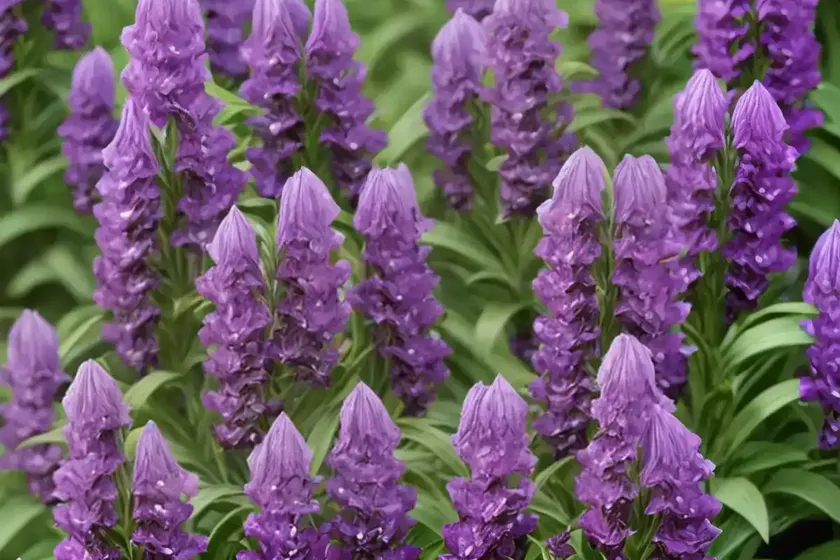
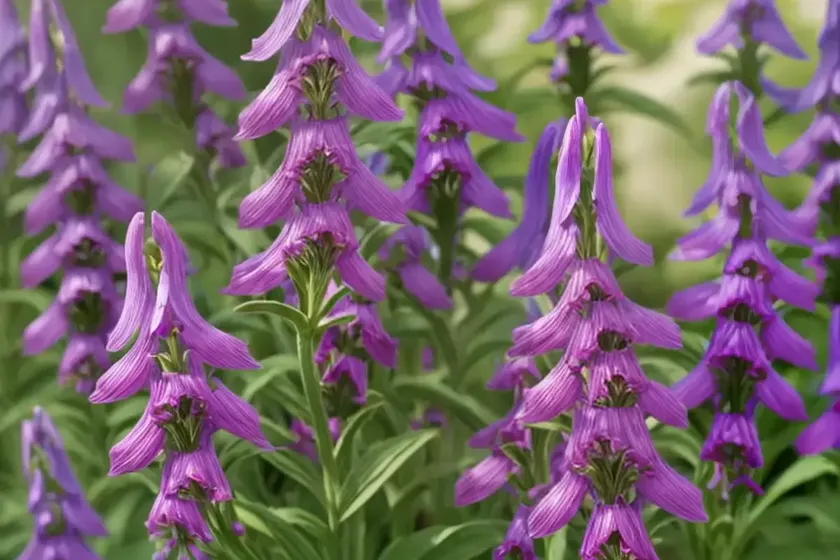
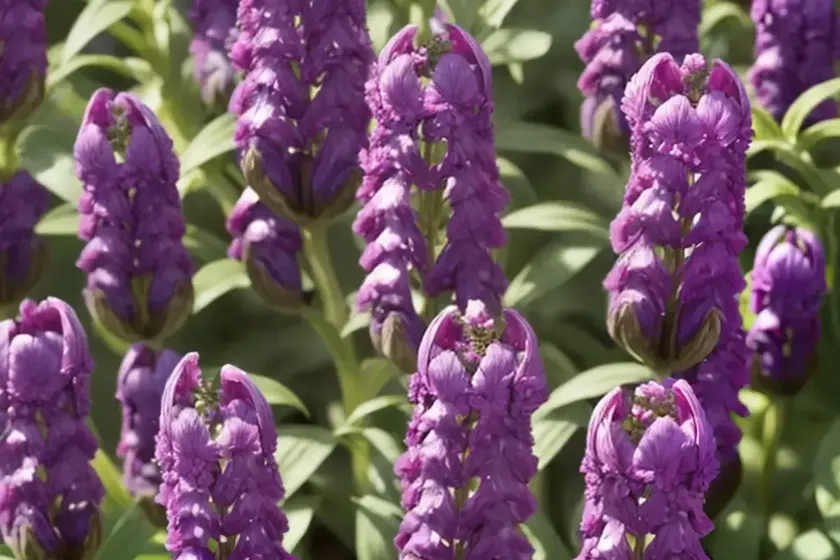
Penstemon palmeri, commonly known as Scented Penstemon, is a beautiful and versatile perennial plant that belongs to the plantain family, Plantaginaceae. Native to the western United States, this plant is renowned for its attractive foliage, vibrant flowers, and pleasant fragrance. In this comprehensive guide, we will explore the culture, uses, care, and maintenance of Penstemon palmeri. Whether you are a seasoned gardener or a beginner, this guide will provide you with valuable insights into growing and maintaining this enchanting plant.
What is Penstemon palmeri?
Penstemon palmeri is a species of flowering plant that is known for its fragrant, tubular, and trumpet-shaped flowers. It is characterized by its lance-shaped, glossy green leaves and upright stems that bear clusters of colorful blooms. The flowers of Penstemon palmeri are typically shades of pink, purple, or lavender, adding a touch of elegance to any garden or landscape.
Key Takeaways – Penstemon palmeri (Scented Penstemon)
Before diving into the details of growing and caring for Penstemon palmeri, let’s focus on the key takeaways that will be covered in this comprehensive guide:
- Culture
- Uses
- Water
- Sunlight
- Fertilizer
- Soil
- Pruning
- Propagation
- Container
- Popularity
- Common Diseases
- Disease diagnosis
- Common pests
- Botanist’s tips
- Fun facts
- Links to External Resources
Now, let’s delve into each of these aspects in detail to gain a thorough understanding of Penstemon palmeri and its cultivation.
Culture
The cultivation and care of Penstemon palmeri encompass various aspects, from choosing the right planting location to understanding its water and soil requirements.
Uses
Penstemon palmeri can serve multiple purposes in landscaping, and it also has some additional important uses.
Landscaping
- Adds vibrant colors to the garden, thanks to its spectacular flowers
- Attracts pollinators such as bees and hummingbirds
- Suitable for borders, rock gardens, and naturalized areas
- Can be used for xeriscaping due to its drought tolerance
Medicinal Uses
In some Native American cultures, Penstemon palmeri has been used for its medicinal properties. It is believed to have soothing and healing effects.
Water
Proper watering is essential for the healthy growth and development of Penstemon palmeri. Understanding its water requirements is crucial to ensure its thriving and blooming.
-
Watering Frequency: Penstemon palmeri prefers well-draining soil and thrives in moderately dry to medium moisture conditions. Once established, it exhibits good drought tolerance. Water deeply but infrequently, allowing the soil to dry out slightly between watering sessions.
-
Establishment Period: During the initial establishment phase, ensure consistent moisture to help the plants develop a strong root system. Once established, reduce the frequency of watering to encourage deeper root growth and enhance drought resistance.
Sunlight
Proper sunlight is vital for the growth and blooming of Penstemon palmeri. Adequate exposure to sunlight ensures healthy foliage and abundant flowering.
-
Sun Exposure: Penstemon palmeri thrives in full sun to partial shade. It performs best when it receives at least 6 to 8 hours of direct sunlight daily. In regions with hot summers, providing partial shade during the hottest part of the day can be beneficial.
-
Indoor Considerations: When grown indoors, ensure the plant receives bright, indirect sunlight, such as near a south or west-facing window.
Fertilizer
The application of appropriate fertilizer can enhance the growth, blooming, and overall vigor of Penstemon palmeri. However, it’s essential to understand the right timing and dosage to prevent overfeeding or nutrient imbalances.
-
Fertilizer Type: Use a balanced, all-purpose fertilizer with an NPK ratio of 10-10-10 or similar formulation. Granular or liquid fertilizers can be used, but ensure that they are suitable for flowering perennials.
-
Application Timing: Apply fertilizer in early spring as the new growth emerges. Refrain from fertilizing in late summer or fall to avoid stimulating tender growth that may be susceptible to winter damage.
-
Dosage: Follow the manufacturer’s instructions regarding the application rate, and avoid over-fertilization, which can lead to excessive foliage growth at the expense of flowering.
Soil
Understanding the soil preferences of Penstemon palmeri is crucial for creating an optimal growing environment and preventing potential issues related to soil quality or composition.
-
Soil Type: Penstemon palmeri thrives in well-draining soil with a slightly acidic to neutral pH (pH 6.0-7.0). Loamy or sandy soil with good aeration and drainage is ideal. Heavy clay soils should be amended to improve drainage.
-
Soil Amendments: Incorporating organic matter such as compost or well-rotted manure can enhance soil structure and fertility. It also aids in moisture retention while ensuring adequate drainage.
-
Container Considerations: When growing Penstemon palmeri in containers, choose a high-quality, well-draining potting mix formulated for flowering perennials. Ensure that the container has drainage holes to prevent waterlogged conditions.
Pruning
Proper pruning promotes the overall health, appearance, and longevity of Penstemon palmeri. By understanding the timing and techniques of pruning, you can encourage prolific blooming and maintain an attractive growth habit.
-
Pruning Schedule: Deadhead faded flowers regularly to prolong the blooming period and prevent self-seeding. Thin out overcrowded stems and remove damaged or diseased foliage as needed throughout the growing season.
-
Fall Clean-up: In late fall or early winter, trim back the stems to about 3-4 inches above the soil level. This helps to tidy up the plant and encourages strong regrowth in the following season.
-
Rejuvenation Pruning: Every few years, consider performing rejuvenation pruning by cutting back the entire plant to a height of 6-8 inches in early spring. This stimulates fresh growth and enhances the vigor and longevity of Penstemon palmeri.
Propagation
The ability to propagate Penstemon palmeri through various methods allows for the expansion of its population and the sharing of its beauty with others. Understanding propagation techniques is valuable for gardeners and enthusiasts.
-
Seed Propagation: Collect mature seeds from the flower spikes after they have dried on the plant. Start seeds indoors in late winter or early spring, or directly sow them in the garden after the last frost date. Keep the soil consistently moist until the seeds germinate.
-
Division: Every 3-4 years, consider dividing mature clumps of Penstemon palmeri in early spring. Carefully lift the plant, and using a sharp knife or garden spade, divide the root ball into sections, ensuring that each division has several vigorous shoots and a healthy root system.
-
Root Cuttings: In late summer or early fall, take 4-6 inch long stem cuttings with a sharp, clean knife. Remove the lower leaves, dip the cut ends in rooting hormone, and plant them in a container filled with a moistened rooting medium. Provide bottom heat and consistent moisture for successful rooting.
Container
Growing Penstemon palmeri in containers offers flexibility and the opportunity to enjoy its beauty in various settings. However, specific considerations should be taken into account when cultivating it in containers.
-
Container Size: Choose a container that is at least 12-18 inches in diameter and depth to accommodate the deep root system of Penstemon palmeri. Ensure that the container has ample drainage holes to prevent waterlogging.
-
Potting Mix: Select a high-quality, well-draining potting mix formulated for flowering perennials. Consider amending the mix with perlite or coarse sand to improve aeration and drainage.
-
Watering and Care: Container-grown Penstemon palmeri may require more frequent watering compared to plants in the ground, especially during hot and dry periods. Ensure that the soil remains consistently moist but not waterlogged.
Popularity
Penstemon palmeri has gained popularity among gardeners and landscaping enthusiasts due to its captivating features and versatile nature. Its growing popularity can be attributed to several factors:
-
Spectacular Flowers: The vibrant and fragrant flowers of Penstemon palmeri make it a desirable addition to gardens and landscapes, attracting admiration from all who encounter it.
-
Ease of Cultivation: With the proper growing conditions and minimal maintenance requirements, Penstemon palmeri is an accessible and rewarding plant for both beginner and experienced gardeners.
-
Wildlife Attraction: Its nectar-rich flowers attract pollinators such as bees and hummingbirds, contributing to the biodiversity and ecological value of the garden.
Common Diseases
While Penstemon palmeri is generally resilient and disease-resistant, it can be susceptible to certain issues under unfavorable growing conditions or environmental stressors.
-
Powdery Mildew: In humid or poorly ventilated conditions, Penstemon palmeri may experience powdery mildew, characterized by a white, powdery coating on the leaves. Provide good air circulation and avoid overhead watering to reduce the risk of powdery mildew.
-
Root Rot: Waterlogged or poorly drained soil can lead to root rot, causing the plant to exhibit wilting, yellowing foliage, and overall decline. Ensure proper drainage and avoid overwatering to prevent root rot.
-
Leaf Spot: Fungal leaf spots may occur in excessively wet conditions, leading to the formation of dark spots on the foliage. Practice good sanitation and remove affected leaves to prevent the spread of the disease.
Disease Diagnosis
Early detection and prompt intervention are crucial for managing and mitigating diseases that may affect Penstemon palmeri. Proper diagnosis allows for targeted treatment and preventive measures.
-
Visual Symptoms: Monitor the foliage and stems for any abnormal discoloration, spots, or fungal growth. Check the underside of leaves for signs of powdery mildew or other fungal infections.
-
Soil Inspection: Evaluate the soil drainage and moisture levels to identify potential issues with waterlogged or compacted soil that may contribute to root rot.
-
Professional Consultation: If uncertain about disease identification or management, consult with a local extension service or professional horticulturist for expert guidance and diagnostic assistance.
Common Pests
Penstemon palmeri is relatively pest-resistant, but certain common garden pests may occasionally pose a threat to its health and appearance.
-
Aphids: These small, soft-bodied insects may cluster on the tender shoots and underside of leaves, sucking plant sap and causing distortion and stunting of growth. Use a strong blast of water or insecticidal soap to control aphid infestations.
-
Spider Mites: Under hot and dry conditions, spider mites may attack Penstemon palmeri, leading to stippled or bronzed foliage. Rinsing the plant with water and maintaining adequate humidity can help deter spider mite infestations.
-
Slugs and Snails: These mollusks can feed on the tender leaves and flowers, leaving behind ragged edges and holes. Hand-picking, barriers, and natural predators can be employed to manage slug and snail populations.
Botanist’s Tips
To ensure the successful cultivation and appreciation of Penstemon palmeri, consider the following tips from seasoned botanists and gardening experts:
-
Selecting Cultivars: Explore the diverse range of Penstemon palmeri cultivars and varieties to discover unique flower colors, sizes, and fragrance profiles that suit your preferences and garden design.
-
Companion Planting: Pair Penstemon palmeri with compatible companion plants such as ornamental grasses, salvias, and other native perennials to create visually appealing and ecologically beneficial plant combinations.
-
Wildlife Gardening: Embrace the wildlife-friendly nature of Penstemon palmeri by incorporating it into wildlife gardens, pollinator habitats, and naturalized areas to support local biodiversity.
Fun Facts
Get to know some fascinating and lesser-known facts about Penstemon palmeri that add to its allure and intrigue:
- The specific epithet “palmeri” honors the American botanist Edward Palmer, known for his extensive plant explorations in the western United States.
- Penstemon palmeri is often referred to as Scented Penstemon due to the delightful fragrance of its flowers, which has hints of herbal and floral notes.
- In its native habitat, Penstemon palmeri is a valuable source of nectar for native bees, bumblebees, and hummingbirds, contributing to the ecological balance of the surrounding landscape.
- Penstemon palmeri’s attractive foliage and flowering habit make it an excellent choice for cut flower arrangements, bringing its beauty and fragrance indoors.
Links to External Resources
Explore the following external resources for additional information, plant sources, and gardening inspiration related to Penstemon palmeri:
-
The American Penstemon Society: The official website of the American Penstemon Society provides valuable resources, photos, and news related to the genus Penstemon, including information on Penstemon palmeri.
-
Native Plant Conservation Campaign: The Lady Bird Johnson Wildflower Center’s native plant database offers insights into the native distribution and adaptation of Penstemon palmeri, along with conservation considerations.
-
Online Plant Nurseries: Browse reputable online plant nurseries to source Penstemon palmeri and explore available cultivars, planting tips, and customer reviews to enrich your gardening experience.
-
Gardening Forums and Communities: Participate in online gardening forums and communities to connect with fellow enthusiasts, share experiences, and seek advice on growing and caring for Penstemon palmeri.
-
Horticultural Publications: Refer to horticultural magazines, books, and online publications for in-depth articles and guides on growing Penstemon palmeri and incorporating it into diverse garden designs.
In conclusion, Penstemon palmeri, or Scented Penstemon, is a captivating and rewarding plant for gardeners and nature lovers alike. Its vibrant flowers, fragrant blooms, and ecological contributions make it a valuable addition to gardens, landscapes, and conservation efforts. By understanding its culture, uses, and optimal care practices, you can cultivate and enjoy the beauty of Penstemon palmeri while creating a welcoming habitat for diverse wildlife and pollinators.
Remember to tailor your gardening approach to the specific growing conditions of your region and the unique attributes of your landscape to ensure the success and longevity of Penstemon palmeri in your outdoor spaces. Happy gardening!
Word Count: 1923


