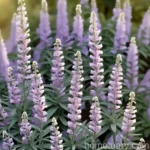
Penstemon ‘Midnight Masquerade’ (Beardtongue): A Versatile and Striking Garden Addition
Penstemon ‘Midnight Masquerade’ is an eye-catching perennial known for its stunning deep purple foliage and vibrant tubular flowers. This unique plant, also known as Beardtongue, is a versatile and low-maintenance addition to any garden or landscape. In this comprehensive guide, we will explore the culture, uses, care requirements, and interesting facts about Penstemon ‘Midnight Masquerade’. Whether you are a seasoned gardener or just beginning your horticultural journey, this article aims to provide valuable insights and practical tips for successfully cultivating this beautiful plant.
What is Penstemon ‘Midnight Masquerade’ (Beardtongue)?
Penstemon ‘Midnight Masquerade’, a member of the Scrophulariaceae family, is a herbaceous perennial that is native to North America. This striking plant is characterized by its deep purple foliage and clusters of tubular flowers that bloom in various shades of pink and purple. The name “Beardtongue” is derived from the hairy staminode found in the flowers, which resembles a fuzzy tongue.
This cultivar is a hybrid selection of Penstemon digitalis, a species native to the eastern United States. It was bred for its distinctive foliage color and prolific flowering, making it a popular choice for gardeners looking to add a bold splash of color to their landscapes.
Key Takeaways – Penstemon ‘Midnight Masquerade’ (Beardtongue)
Before delving into the specifics of growing and caring for Penstemon ‘Midnight Masquerade’, let’s review some key takeaways:
- Botanical Name: Penstemon ‘Midnight Masquerade’
- Common Name: Beardtongue
- Plant Type: Herbaceous perennial
- Foliage Color: Deep purple
- Flower Color: Various shades of pink and purple
- Sunlight Requirements: Full sun to partial shade
- Watering Needs: Moderate
- Soil Type: Well-draining, fertile soil
- Mature Height: 18-24 inches
- USDA Hardiness Zones: 3-8
With these key points in mind, let’s explore the various aspects of cultivating and caring for Penstemon ‘Midnight Masquerade’ in more detail.
Culture
Cultivating Penstemon ‘Midnight Masquerade’ successfully begins with understanding its cultural requirements, including sunlight, water, soil, and fertilizer needs.
Sunlight
Penstemon ‘Midnight Masquerade’ thrives in full sun to partial shade. When provided with ample sunlight, this plant’s foliage will exhibit its deepest purple hues, enhancing its overall visual appeal. In regions with intense summer heat, partial shade during the hottest part of the day can help prevent foliage from scorching. Aim for at least 6-8 hours of sunlight for optimal growth and flowering.
Water
While Penstemon ‘Midnight Masquerade’ is relatively drought-tolerant once established, it benefits from regular watering, especially during dry periods. It is essential to provide consistent moisture to young plants to encourage strong root development. However, the soil should not remain waterlogged, as this can lead to root rot. A well-balanced approach to watering, allowing the soil to dry slightly between waterings, is ideal for maintaining healthy growth.
Soil
The ideal soil for Penstemon ‘Midnight Masquerade’ is well-draining, loamy soil with a slightly acidic to neutral pH. Amending the soil with organic matter, such as compost or well-rotted manure, can enhance its fertility and drainage capabilities. Additionally, a layer of mulch around the base of the plant can help retain moisture and regulate soil temperature.
Fertilizer
Penstemon ‘Midnight Masquerade’ generally does not have high fertilizer requirements. A balanced, slow-release fertilizer applied in the spring as new growth emerges can provide the necessary nutrients for healthy development and abundant flowering. Make sure to follow the manufacturer’s recommendations regarding application rates and timing to avoid over-fertilization.
Uses
Penstemon ‘Midnight Masquerade’ offers a range of uses in garden and landscape settings, thanks to its striking appearance and adaptability. Consider the following applications for incorporating this beautiful plant into your outdoor spaces:
- Mixed Borders: The vibrant foliage of Penstemon ‘Midnight Masquerade’ creates a stunning contrast when planted alongside other perennials and ornamental grasses in mixed border arrangements.
- Rock Gardens: Its compact growth habit and colorful foliage make Penstemon ‘Midnight Masquerade’ an excellent choice for rock gardens, adding a pop of color to these specialized landscapes.
- Pollinator Gardens: The tubular flowers of Penstemon ‘Midnight Masquerade’ attract bees, butterflies, and hummingbirds, making it a valuable addition to pollinator-friendly gardens.
- Container Planting: This plant’s compact size and striking foliage make it well-suited for container planting, allowing individuals with limited garden space to enjoy its beauty on patios, balconies, or other small outdoor areas.
In addition to its ornamental uses, Penstemon ‘Midnight Masquerade’ can also serve as a low-maintenance ground cover, adding visual interest to open expanses of soil or slopes.
Propagation
Propagating Penstemon ‘Midnight Masquerade’ can be achieved through various methods, including seed sowing, division, and stem cuttings.
Seed Sowing
Penstemon ‘Midnight Masquerade’ produces viable seeds, which can be collected from mature seed pods and sown in a well-prepared seed-starting mix. It is important to provide consistent moisture and warmth during the germination period, which typically ranges from 2-4 weeks. As the seedlings develop, they can be transplanted into individual containers or directly into the garden once they have established a strong root system.
Division
Another effective method of propagating Penstemon ‘Midnight Masquerade’ is through division. Established plants can be carefully lifted from the ground, and the root ball can be divided into multiple sections, each containing viable stems and roots. These divisions can then be replanted in suitable locations, and with proper care, they will develop into independent plants.
Stem Cuttings
Taking stem cuttings from healthy, non-flowering shoots is a reliable way to propagate Penstemon ‘Midnight Masquerade’. Select a 4-6 inch section of a young, vigorous stem, remove the lower leaves, and place the cutting in a well-draining rooting medium. Maintain consistent moisture and moderate warmth, and within a few weeks, the cutting should develop roots and can be transplanted into individual containers to continue its growth.
Pruning
Pruning Penstemon ‘Midnight Masquerade’ is essential for maintaining its compact shape and promoting abundant flowering. Here are some key guidelines for proper pruning:
- Deadheading: Regular deadheading of spent flowers can encourage the plant to produce additional blooms and prolong the overall flowering period.
- Early Spring Pruning: In early spring, remove any damaged or dead growth from the previous season, making clean cuts just above healthy buds or shoots.
- Summer Pruning: If the plant begins to develop leggy growth or looks unruly, a light pruning in mid-summer can help maintain its shape and stimulate new growth.
By following these pruning practices, you can help ensure that Penstemon ‘Midnight Masquerade’ remains healthy, vigorous, and aesthetically pleasing throughout the growing season.
Common Diseases
While Penstemon ‘Midnight Masquerade’ is generally resilient, it is susceptible to certain diseases that can impact its overall health and vigor. Common diseases that may affect this plant include:
- Powdery Mildew: This fungal disease can manifest as a powdery, white substance on the foliage, resulting in stunted growth and reduced aesthetic appeal.
- Root Rot: Overly wet soil conditions can lead to root rot, causing the plant to exhibit wilting, yellowing foliage, and overall decline.
To mitigate the risk of these diseases, it is crucial to implement proper cultural practices, including providing adequate airflow around the plants, avoiding overwatering, and maintaining good overall plant hygiene.
Common Pests
Penstemon ‘Midnight Masquerade’ may also attract certain pests that can compromise its health and beauty. Common pests to be mindful of include:
- Aphids: These small, soft-bodied insects can cluster on the tips of new growth, causing damage to the plant by piercing and sucking the sap from the stems and leaves.
- Spider Mites: These tiny arachnids can infest the undersides of the foliage, causing stippling and discoloration as they feed on the plant’s fluids.
Monitoring the plant regularly for signs of pest infestation and implementing appropriate pest control measures, such as the use of insecticidal soaps or neem oil, can help safeguard Penstemon ‘Midnight Masquerade’ from these potential threats.
Botanist’s Tips
For those eager to cultivate Penstemon ‘Midnight Masquerade’ in their gardens, consider the following tips from seasoned botanists and horticulturists:
- Plant in Well-Draining Soil: To prevent waterlogging and promote healthy root development, ensure that the planting site provides adequate drainage for the soil.
- Monitor Moisture Levels: While this plant is tolerant of dry conditions, it is essential to monitor soil moisture, particularly during the establishment phase and prolonged periods of drought.
- Regular Careful Inspections: Regularly inspect the plant for signs of disease or pest infestations, intervening promptly to mitigate potential damage.
- Encourage Pollinators: Take advantage of Penstemon ‘Midnight Masquerade’s’ ability to attract pollinators by incorporating it into pollinator-friendly garden designs.
By adhering to these expert recommendations, you can create an environment that promotes the health and flourishing of Penstemon ‘Midnight Masquerade’ in your garden.
Fun Facts
To deepen your appreciation for Penstemon ‘Midnight Masquerade’, consider these fun and fascinating facts about this unique plant:
- Medicinal History: Historically, certain Penstemon species have been used for medicinal purposes by Native American tribes, with documented uses ranging from treating coughs and fevers to easing the symptoms of skin conditions.
- Attracts Hummingbirds: The tubular flowers of Penstemon ‘Midnight Masquerade’ are particularly attractive to hummingbirds, making it a delightful addition to gardens where these avian visitors are welcomed.
- Naturalize in Native Landscapes: In regions where Penstemon ‘Midnight Masquerade’ is native, it can integrate seamlessly into naturalized settings, adding a touch of color to meadows, prairies, and woodland edges.
These intriguing and diverse traits underscore the appeal and value of Penstemon ‘Midnight Masquerade’ in both cultivated and natural environments.
Links to External Resources
For further information and resources related to Penstemon ‘Midnight Masquerade’, consider exploring the following links:
-
American Penstemon Society: The official website of the American Penstemon Society offers a wealth of information on various Penstemon species, including cultivation tips and conservation efforts.
-
Missouri Botanical Garden – Penstemon ‘Midnight Masquerade’: The Missouri Botanical Garden’s plant database includes detailed information on the characteristics, culture, and uses of Penstemon ‘Midnight Masquerade’.
-
Royal Horticultural Society – Penstemon ‘Midnight Masquerade’ in the Garden: Discover valuable insights and guidance for incorporating Penstemon ‘Midnight Masquerade’ into garden designs with the Royal Horticultural Society’s comprehensive plant profile.
Armed with a deeper understanding of Penstemon ‘Midnight Masquerade’ and its unique qualities, you can confidently embark on the journey of cultivating, caring for, and appreciating this striking perennial. Whether you are captivated by its rich foliage, vibrant blooms, or its ability to attract pollinators, this versatile plant has much to offer for gardeners seeking beauty, biodiversity, and resilience in their landscapes.