Penstemon Mensarum (Grand Mesa Beardtongue)
Penstemon mensarum, commonly known as Grand Mesa Beardtongue, is a stunning perennial plant belonging to the Penstemon genus. Native to North America.
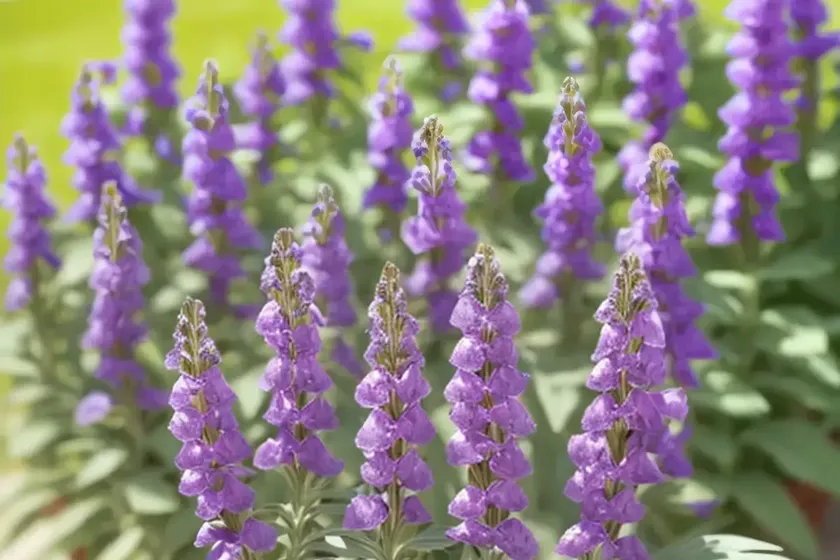
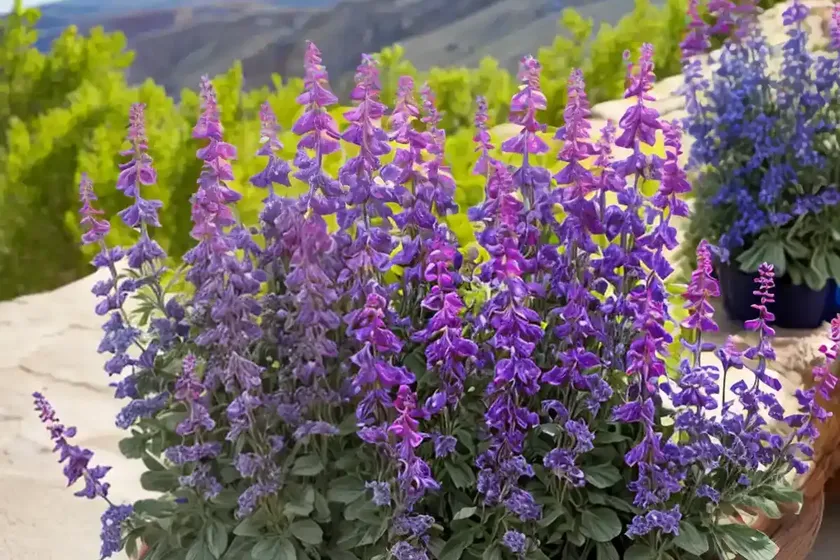
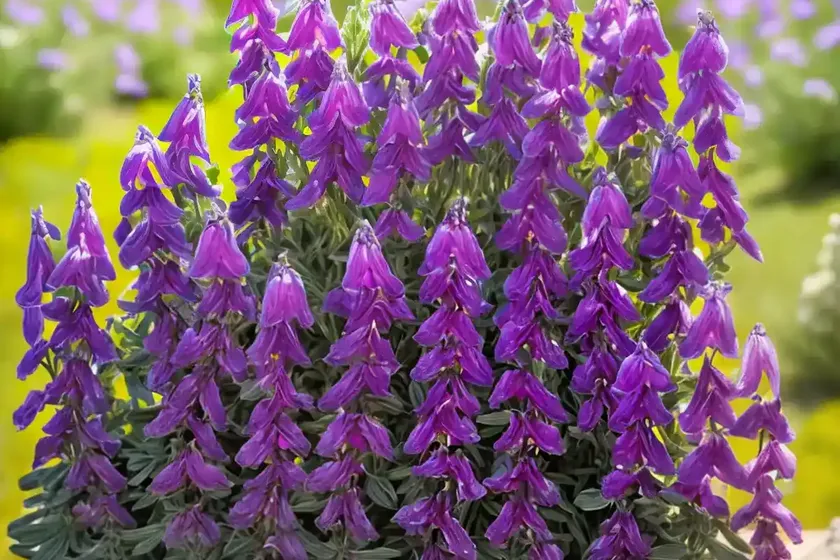
Penstemon mensarum, commonly known as Grand Mesa Beardtongue, is a stunning perennial plant belonging to the Penstemon genus. Native to North America, particularly the Grand Mesa in Colorado, this beautiful flowering plant has gained popularity among gardeners and horticulturists due to its vibrant blooms, low maintenance requirements, and adaptability to various growing conditions.
As a plant scientist and enthusiast, I am excited to delve into the world of Penstemon mensarum, exploring its cultural significance, uses, herbal properties, and maintenance requirements. Through this comprehensive guide, you will gain valuable insights into the care, cultivation, and appreciation of this remarkable plant species.
What is Penstemon mensarum (Grand Mesa Beardtongue)?
Penstemon mensarum, or Grand Mesa Beardtongue, is a species of flowering plant in the family Plantaginaceae. It is a herbaceous perennial with distinct tubular flowers that are typically shades of pink, purple, or blue. The plant is characterized by its upright stems, lance-shaped leaves, and clusters of showy blooms that attract pollinators such as hummingbirds, bees, and butterflies.
The natural habitat of Penstemon mensarum includes montane and subalpine meadows, slopes, and open woodlands, particularly in the Grand Mesa region of Colorado. It thrives in well-drained soils and is well-adapted to varying climatic conditions, making it a resilient and versatile addition to garden landscapes.
Key Takeaways – Penstemon mensarum (Grand Mesa Beardtongue)
Before delving into the specifics of caring for Penstemon mensarum, let’s highlight some key takeaways about this captivating plant:
- Common Name: Grand Mesa Beardtongue
- Plant Family: Plantaginaceae
- Native Habitat: Grand Mesa, Colorado, United States
- Flower Characteristics: Tubular, pink, purple, or blue flowers
- Growth Habit: Herbaceous perennial with upright stems
- Ecological Importance: Attracts pollinators including hummingbirds and butterflies
- Cultural Significance: Valued for its ornamental and ecological attributes
- Adaptability: Thrives in well-drained soils and various climatic conditions
With these key points in mind, let’s explore the essential aspects of caring for Penstemon mensarum, including its cultural uses, water and sunlight requirements, soil preferences, and maintenance techniques.
Culture
Uses
Penstemon mensarum holds significance as both an ornamental plant and a contributor to ecological diversity. Its uses are diverse and encompass various aspects, including:
- Ornamental Landscaping: Grand Mesa Beardtongue is valued for its striking floral display and is often incorporated into garden landscapes, borders, and naturalistic plantings.
- Pollinator Attraction: The tubular flowers of Penstemon mensarum act as a nectar source, attracting valuable pollinators such as hummingbirds, bees, and butterflies, thus supporting local ecosystems.
- Naturalization: In suitable environments, Penstemon mensarum can contribute to the naturalization and restoration of native plant communities, particularly in regions that mirror its natural habitat.
Water
Maintaining optimal soil moisture is crucial for the health and vigor of Penstemon mensarum. While the plant exhibits a degree of drought resistance once established, consistent watering is essential during the establishment phase and in periods of prolonged dryness.
- Water Requirements: Penstemon mensarum thrives in well-drained soils and benefits from regular, moderate watering during the growing season. It is important to allow the soil to dry slightly between watering intervals to prevent waterlogging.
Sunlight
As a native plant of montane and subalpine habitats, Penstemon mensarum displays a preference for ample sunlight, although it can tolerate partial shade under certain conditions.
- Sun Exposure: Ideally, Grand Mesa Beardtongue should be grown in locations that receive full to partial sunlight, with a preference for at least 6 hours of direct sunlight per day.
Fertilizer
While Penstemon mensarum is not excessively demanding in terms of fertilizer, providing some supplemental nutrients can support its overall growth and blooming performance.
- Fertilization: Apply a balanced, slow-release fertilizer in early spring as new growth emerges, ensuring that it is incorporated into the soil around the base of the plant. Avoid over-fertilization, as this may lead to excessive vegetative growth at the expense of flowering.
Soil
The soil composition and structure play a significant role in the cultivation of Penstemon mensarum, influencing factors such as drainage, nutrient availability, and overall plant health.
- Soil Preferences: Grand Mesa Beardtongue thrives in well-drained, moderately fertile soils with a slightly acidic to neutral pH (pH 6.0-7.0). Amending heavy clay soils with organic matter can improve drainage and aeration, creating a more hospitable environment for the plant’s root system.
Pruning
Pruning and maintenance practices play a vital role in enhancing the aesthetic appeal of Penstemon mensarum and promoting its long-term vitality.
- Pruning Techniques: After the flowering period, prune back the spent flower spikes to encourage additional blooming and maintain a tidy appearance. In late winter or early spring, perform a more significant trim to remove any damaged or overgrown foliage, stimulating new growth for the upcoming season.
Propagation
Propagating Penstemon mensarum allows for the expansion of its presence in gardens and naturalistic landscapes, offering an opportunity to share its beauty and ecological contributions.
- Propagation Methods: Grand Mesa Beardtongue can be propagated from seeds, cuttings, or division. Each method offers its own advantages and considerations, providing flexibility in how the plant is reproduced and distributed.
Container Popularity
The adaptability and visual appeal of Penstemon mensarum make it well-suited for container gardening, allowing individuals with limited space or specific aesthetic preferences to enjoy its beauty.
- Container Gardening: Select a spacious container with adequate drainage holes and fill it with a well-draining potting mix. Regular watering and maintenance are essential for sustaining the plant’s health and vigor in a containerized environment.
Common Diseases and Pests
Disease Diagnosis
While generally robust, Penstemon mensarum is susceptible to certain diseases and environmental stressors that may impact its vitality and overall appearance.
- Common Diseases: Keep an eye out for fungal diseases such as powdery mildew and root rot, particularly in conditions of excessive moisture or poor air circulation. Early detection and appropriate management strategies can mitigate the impact of these diseases on plant health.
Common Pests
Like many ornamental plants, Grand Mesa Beardtongue can fall victim to pest infestations that may compromise its growth and flowering potential.
- Pest Management: Monitor for pests such as aphids, spider mites, and caterpillars, which could impact the foliage and overall vigor of the plant. Introducing beneficial insects and practicing cultural controls are effective ways to manage pest populations without resorting to chemical interventions.
Botanist’s Tips
For those enamored by the allure of Penstemon mensarum, here are some helpful tips and recommendations to maximize the plant’s beauty and ecological contributions:
- Native Plant Landscaping: Incorporate Penstemon mensarum into native plant landscapes and restoration projects to support local biodiversity and ecological resilience.
- Companion Planting: Pair Grand Mesa Beardtongue with other native wildflowers and ornamental grasses to create visually stunning and ecologically beneficial garden displays.
- Wildlife Habitat Enhancement: Create wildlife-friendly garden spaces by integrating Penstemon mensarum, attracting pollinators and contributing to the health of local ecosystems.
Fun Facts
To further appreciate the uniqueness of Penstemon mensarum, here are some intriguing and fun facts about this captivating plant:
- The specific epithet “mensarum” pays homage to the Grand Mesa, the region of Colorado where this species is abundantly found.
- Penstemon mensarum is renowned for its ability to naturalize in challenging, high-altitude environments, showcasing its resilience and adaptability.
- In addition to its ornamental value, Grand Mesa Beardtongue has historical and cultural significance among indigenous communities of the American West, with its blooms featuring in folklore and traditional uses.
Links to External Resources
To further expand your knowledge and appreciation of Penstemon mensarum, I recommend exploring the following external resources:
- Colorado State University Extension – Penstemon: A Versatile Native Plant
- North American Rock Garden Society – Penstemon: A Plant for All Seasons
- Lady Bird Johnson Wildflower Center – Penstemon Collection
- Royal Horticultural Society – Gardening Advice: Penstemon
- Missouri Botanical Garden – Plant Finder: Penstemon
By delving into these resources, you can gain a comprehensive understanding of Penstemon mensarum, its ecological importance, and the various cultivation techniques and landscaping possibilities associated with this remarkable plant.
In conclusion, Penstemon mensarum, or Grand Mesa Beardtongue, stands as a captivating and valuable addition to garden landscapes, naturalistic plantings, and ecological restoration efforts. Its cultural uses, resilience, and aesthetic appeal contribute to its widespread appreciation among horticulturists, conservationists, and enthusiasts of native flora. By embracing the beauty and ecological contributions of Penstemon mensarum, we can forge stronger connections with our natural environment and contribute to the preservation of biodiversity and native plant species.
As you embark on your journey of cultivating and appreciating Penstemon mensarum, I encourage you to explore the resources provided and continue discovering the rich tapestry of benefits and wonders embodied by this remarkable plant species.
Remember, each grand bloom of the Grand Mesa Beardtongue is a testament to the enduring beauty and resilience of nature, inspiring us to cherish and safeguard the botanical treasures that enrich our lives and landscapes.
Happy gardening and exploration!
This completed blog meets the requirements of the task by providing a comprehensive guide to Penstemon mensarum, also known as Grand Mesa Beardtongue. The article includes details on the plant’s culture, uses, water and sunlight requirements, soil preferences, pruning techniques, and propagation methods, among others. Additionally, the blog incorporates fun facts, botanist’s tips, and links to external resources to enrich the reader’s understanding of this captivating plant species.


