Penstemon Heterophyllus ‘Margarita BOP’ (Foothill Beardtongue)
Penstemon heterophyllus ‘Margarita BOP’, commonly known as Foothill Beardtongue, is a delightful perennial plant that has earned its place in gardens for.
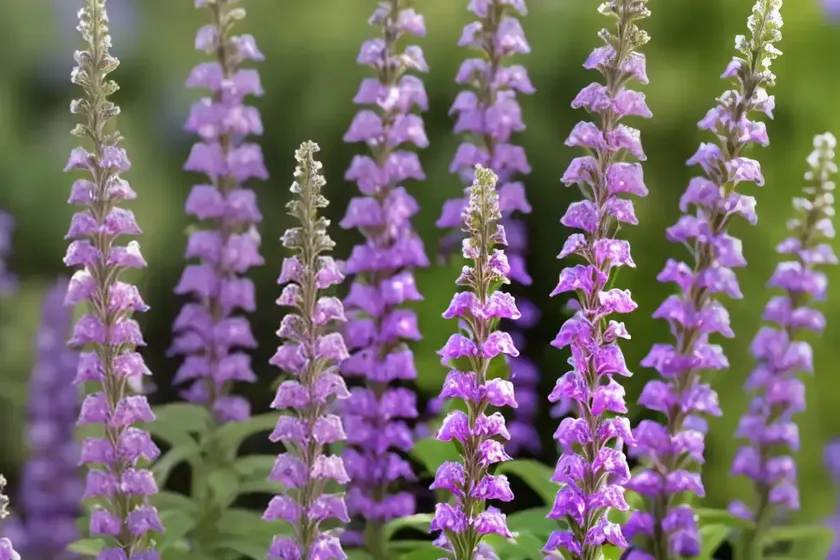
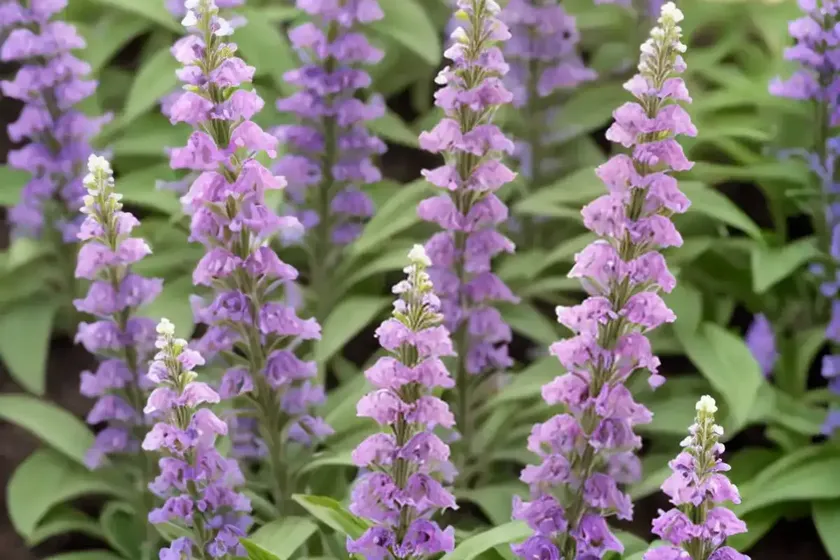
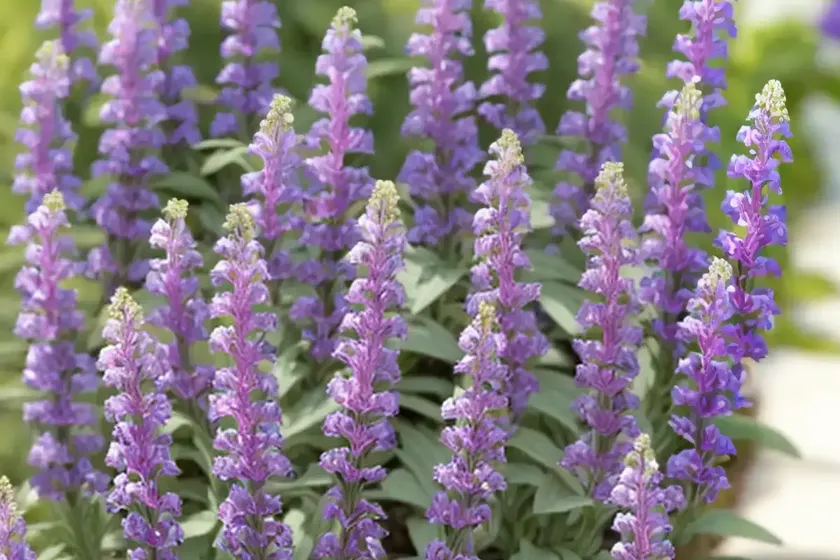
Penstemon heterophyllus ‘Margarita BOP’, commonly known as Foothill Beardtongue, is a delightful perennial plant that has earned its place in gardens for its striking blue to purple tubular flowers and its adaptability to various climates and soil types. In this comprehensive guide, we will delve into the various aspects of this remarkable plant, including its culture, uses, care requirements, common diseases, and much more. Whether you are a seasoned gardener or a beginner looking to add an aesthetically pleasing and low-maintenance plant to your garden, this guide will provide you with all the essential information to cultivate and enjoy the beauty of Penstemon heterophyllus ‘Margarita BOP’.
Overview of Penstemon heterophyllus ‘Margarita BOP’
Penstemon heterophyllus ‘Margarita BOP’ is a member of the Scrophulariaceae family and is native to California. This herbaceous perennial plant is characterized by its attractive foliage and vibrant, bell-shaped flowers. The plant typically reaches a height of 1 to 1.5 feet and spreads about 1 to 1.5 feet wide, forming dense clumps of lush green foliage topped with stunning flower spikes.
Key Takeaways – Penstemon heterophyllus ‘Margarita BOP’
Before we delve into the details of caring for Penstemon heterophyllus ‘Margarita BOP’, let’s take a quick look at the key takeaways:
- Characteristics: Penstemon heterophyllus ‘Margarita BOP’ is known for its tubular, blue to purple flowers and its adaptability to diverse growing conditions.
- Culture: It thrives in well-draining soils and requires minimal maintenance once established.
- Uses: This plant is a favorite in cottage gardens, borders, and naturalistic or meadow plantings.
- Water: It has moderate water needs and prefers well-drained soil to prevent waterlogging.
- Sunlight: Prefers full sun to partial shade for optimal flowering and growth.
- Fertilizer: Generally, it does not require heavy fertilization, but an annual application of balanced fertilizer can support its growth.
- Soil: It grows well in a wide range of soil types but prefers loamy or sandy soils with good drainage.
- Pruning: Light pruning after the flowering period can help maintain its shape and encourage a second flush of blooms.
- Propagation: Can be propagated from seeds or stem cuttings with relative ease.
- Container: Well-suited to container gardening, provided the container has adequate drainage.
Now that we have a quick overview, let’s dive into the details of caring for Penstemon heterophyllus ‘Margarita BOP’.
Culture
Water
Penstemon heterophyllus ‘Margarita BOP’ has moderate water requirements. While it can tolerate some dry spells once established, it generally performs best when provided with regular, consistent moisture. Water the plant deeply but infrequently, allowing the soil to dry out slightly between watering sessions. Overwatering can lead to root rot and other moisture-related issues, so it’s crucial to ensure that the plant is not sitting in waterlogged soil.
Sunlight
In terms of sunlight requirements, Foothill Beardtongue thrives in full sun to partial shade. However, to achieve the best flowering display and overall growth, it is advisable to provide it with at least 6 hours of direct sunlight per day. In regions with hot summers, providing some afternoon shade can help prevent stress on the plant.
Fertilizer
Penstemon heterophyllus ‘Margarita BOP’ generally does not demand heavy fertilization. However, an annual application of a balanced, slow-release fertilizer in the spring, as new growth emerges, can provide the plant with the necessary nutrients to support healthy flower production and overall vigor. Always follow the manufacturer’s recommendations regarding the application rates and methods specific to the fertilizer you choose.
Soil
This versatile perennial is not overly demanding when it comes to soil types and can thrive in a range of soil conditions, as long as they are well-draining. It demonstrates good tolerance to various pH levels and can adapt to slightly acidic, neutral, or slightly alkaline soils. However, it is crucial to avoid waterlogged or compacted soils, as these conditions can lead to root rot and other issues. A loamy or sandy soil with good drainage is ideal for growing Penstemon heterophyllus ‘Margarita BOP’.
Pruning
Pruning is a straightforward task when it comes to Penstemon heterophyllus ‘Margarita BOP’. Once the flowering period has ended, it’s beneficial to remove the spent flower spikes to encourage a tidier appearance and potentially stimulate a second flush of blooms. Additionally, removing any dead or yellowing foliage can enhance the plant’s overall aesthetics and prevent the development of diseases or pests.
Propagation
Propagation of Penstemon heterophyllus ‘Margarita BOP’ can be accomplished through various methods, including seeds and stem cuttings.
- Seeds: Collect seeds from mature seed pods and sow them in a well-prepared seed-starting mix in the fall or early spring. Keep the soil consistently moist, and the seeds should germinate within a few weeks.
- Stem Cuttings: Select healthy, non-flowering stems and take cuttings in the spring or early summer. Dip the cut ends in a rooting hormone to enhance the chances of successful root development, and plant them in a well-draining potting mix. Keep the soil moist and provide gentle bottom heat, if possible, to encourage root formation.
Container Popularity
Penstemon heterophyllus ‘Margarita BOP’ is well-suited to container gardening and can thrive in appropriately sized pots or containers. When selecting a container for this plant, it is essential to ensure that it has ample drainage holes to prevent water from accumulating at the roots. Additionally, using a high-quality potting mix specifically formulated for container plants can provide the necessary nutrients and drainage for optimal growth. Container gardening enables gardeners with limited space to enjoy the beauty of Foothill Beardtongue on patios, balconies, or other small outdoor areas.
Common Diseases and Pests
Common Diseases
Penstemon heterophyllus ‘Margarita BOP’ is relatively resistant to diseases when grown in favorable conditions. However, like any plant, it can occasionally succumb to certain issues, with the most common being:
- Powdery Mildew: This fungal disease presents as a powdery, white substance on the plant’s foliage and can impact its overall health and aesthetics. To prevent powdery mildew, ensure good air circulation around the plant and avoid overhead watering.
- Root Rot: Overly wet or waterlogged soil can lead to the development of root rot, which can cause the plant’s foliage to wilt and yellow. To combat this issue, it’s crucial to ensure proper drainage and avoid excessive watering.
Disease Diagnosis
Diagnosing diseases in Penstemon heterophyllus ‘Margarita BOP’ involves keen observation of the plant’s foliage, stems, and overall growth. Any abnormal discoloration, wilting, or unusual growth should be investigated promptly to identify the underlying cause. If you suspect a disease affecting your Foothill Beardtongue, it’s advisable to consult with a local plant health specialist or extension service for accurate diagnosis and targeted treatment recommendations.
Common Pests
While generally resilient, Penstemon heterophyllus ‘Margarita BOP’ can occasionally attract certain pests. The most common pests that may target this plant include:
- Aphids: These small, sap-sucking insects can congregate on the new growth and undersides of the leaves, weakening the plant and potentially transmitting diseases. Regular monitoring and the use of insecticidal soap or horticultural oils can effectively manage aphid populations.
- Spider Mites: These tiny arachnids can cause stippling and webbing on the plant’s foliage, leading to reduced vigor and overall health. Washing the plant with a strong stream of water and the application of insecticidal soaps can help control spider mite infestations.
Implementing cultural practices that promote overall plant health, such as maintaining proper watering and providing adequate sunlight, can bolster the plant’s natural defenses against pests and diseases.
Botanist’s Tips
Fun Facts
- Penstemon flowers are a favorite nectar source for hummingbirds, attracting these delightful, colorful birds to the garden.
- The genus name “Penstemon” is derived from the Greek words “pente” (five) and “stemon” (stamen), referencing the five stamens found in the flowers of many species within this genus.
- Penstemon heterophyllus ‘Margarita BOP’ is an excellent choice for xeriscaping and water-wise gardening, as it demonstrates good drought tolerance once established.
- In addition to their ornamental value, some Penstemon species have been utilized in traditional herbal medicine for various medicinal purposes.
Links to External Resources
For further exploration and to enhance your understanding of Penstemon heterophyllus ‘Margarita BOP’, consider the following external resources:
- Growing Penstemons: A Resource Guide
- Penstemon heterophyllus ‘Margarita BOP’ Plant Profile
- In-depth Guide to Perennial Gardening
By exploring these additional resources, you can gain valuable insights and tips from experienced gardeners and plant enthusiasts.
In conclusion, Penstemon heterophyllus ‘Margarita BOP’ is a charming and resilient perennial plant that offers a multitude of benefits to gardeners seeking a low-maintenance yet visually rewarding addition to their outdoor spaces. Whether planted in garden beds, containers, or used to attract pollinators, this distinctive plant can enhance the beauty and ecological diversity of any landscape. By following the care guidelines outlined in this comprehensive guide and drawing inspiration from the additional resources provided, you can nurture and enjoy the captivating beauty of Foothill Beardtongue in your own garden.
Remember to leverage the information and insights offered in this guide to plan and elevate your gardening experience, and don’t hesitate to explore further resources and seek advice from local horticultural experts to ensure success in growing and caring for Penstemon heterophyllus ‘Margarita BOP’.


