Penstemon ‘Arabesque Red’ (Beardtongue): A Plant Scientist’s Guide

As a plant scientist and enthusiast, I am always fascinated by the diverse and beautiful world of plants. Among the plethora of botanical wonders, Penstemon ‘Arabesque Red’, commonly known as Beardtongue, stands out as an exceptional and captivating species. This blog post delves into the various aspects of Penstemon ‘Arabesque Red’ – from its cultural requirements to its uses and maintenance – providing a comprehensive guide for both novice and experienced gardeners.
What is Penstemon ‘Arabesque Red’ (Beardtongue)?
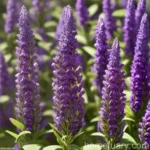
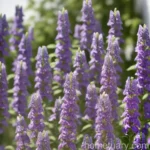
Penstemon ‘Arabesque Red’ is a stunning perennial plant that belongs to the genus Penstemon, which is renowned for its colorful tubular flowers and its attractiveness to pollinators. The ‘Arabesque Red’ variety, in particular, is cherished for its vibrant red blooms, which add a pop of color to any garden or landscape. This striking plant is native to North America and is a cherished addition to gardens, borders, and naturalistic landscapes.
Key Takeaways – Penstemon ‘Arabesque Red’ (Beardtongue)
Before diving into the specifics of cultivating and caring for Penstemon ‘Arabesque Red’, let’s briefly outline the key takeaways:
- Plant Name: Penstemon ‘Arabesque Red’ (Beardtongue)
- Scientific Name: Penstemon digitalis
- Common Name: Beardtongue ‘Arabesque Red’
- Plant Type: Perennial
- Flower Color: Red
- Sunlight: Full sun to partial shade
- Watering: Moderate water needs
- Soil Type: Well-draining, fertile soil
- Height: 24-36 inches
- Spread: 18-24 inches
- USDA Hardiness Zones: 4-9
Now, let’s explore the detailed cultural requirements, uses, maintenance, and other aspects of growing Penstemon ‘Arabesque Red’.
Culture
Cultivating Penstemon ‘Arabesque Red’ involves understanding its specific cultural requirements, including suitable growing conditions, soil preferences, and maintenance practices.
Uses
-
Garden Borders: The vibrant and eye-catching red flowers make Penstemon ‘Arabesque Red’ a perfect choice for border plantings. The striking color contrasts beautifully with green foliage and other flowering plants, creating a visually appealing garden border.
-
Pollinator Gardens: Due to its tubular flowers, Penstemon ‘Arabesque Red’ is highly attractive to pollinators, including bees and hummingbirds. It serves as an essential nectar source, supporting the biodiversity of pollinator gardens.
-
Naturalistic Landscapes: In naturalistic and prairie-style landscapes, Penstemon ‘Arabesque Red’ thrives, adding a touch of wild beauty to the natural environment.
-
Cut Flower Arrangements: The long-lasting blooms of Penstemon ‘Arabesque Red’ make it an excellent candidate for cut flower arrangements, bringing its vibrant color indoors.
Water
For optimal growth and blooming, Penstemon ‘Arabesque Red’ requires moderate and consistent watering. However, it is crucial to ensure that the soil is well-draining to prevent waterlogged conditions that can lead to root rot. During hot and dry periods, regular watering is essential to maintain the plant’s health and vigor.
Sunlight
Penstemon ‘Arabesque Red’ thrives in full sun to partial shade, making it adaptable to a range of light conditions. However, to promote abundant flowering and robust growth, it is preferable to provide it with at least six hours of direct sunlight daily.
Fertilizer
When it comes to fertilization, Penstemon ‘Arabesque Red’ benefits from a balanced, slow-release fertilizer applied in early spring as new growth emerges. Additionally, applying a light top-dressing of compost around the base of the plant can contribute to its overall health and vitality.
Soil
Well-draining, fertile soil is key to the success of Penstemon ‘Arabesque Red’. The plant prefers loamy or sandy soil with good drainage, ensuring that excess water does not accumulate around its roots. Amending the soil with organic matter, such as compost or aged manure, can improve its texture and fertility, creating an ideal growing environment for this stunning perennial.
Pruning
Pruning plays a vital role in maintaining the health, appearance, and blooming performance of Penstemon ‘Arabesque Red’. After the flowering period, deadheading spent blooms can encourage the production of new flowers and prevent the plant from self-seeding excessively. Additionally, removing any damaged or diseased foliage helps promote overall plant vitality.
Propagation
Propagating Penstemon ‘Arabesque Red’ can be achieved through several methods, including division, stem cuttings, or seed propagation. Each approach offers its own unique set of benefits and challenges, allowing gardeners to select the most suitable method based on their preferences and expertise.
Container Popularity
Penstemon ‘Arabesque Red’ is well-suited for container gardening, allowing individuals with limited garden space to enjoy its beauty on patios, balconies, or decks. When grown in containers, it is essential to ensure proper drainage and provide adequate space for the plant’s roots to thrive.
Container
When selecting a container for Penstemon ‘Arabesque Red’, opt for a sturdy, well-draining pot that accommodates the plant’s growth and development. Choosing a container with adequate depth and width prevents the plant from becoming root-bound and promotes overall stability.
Common Diseases
Like many plants, Penstemon ‘Arabesque Red’ is susceptible to certain diseases and pests. Being vigilant about early signs of diseases can help in prompt intervention and mitigation of potential damage to the plant.
Disease Diagnosis
Diagnosing plant diseases can be challenging, as symptoms may vary based on the causative agent. Common diseases that may affect Penstemon ‘Arabesque Red’ include powdery mildew, leaf spot, and root rot. Keeping a close eye on the plant’s foliage, stems, and overall appearance can aid in early disease detection and management.
Common Pests
Pests such as aphids, spider mites, and caterpillars may pose a threat to Penstemon ‘Arabesque Red’. Regular monitoring of the plant and implementing appropriate pest control measures, such as insecticidal soap or neem oil, can help in managing pest infestations effectively.
As an experienced botanist, I have gathered a few valuable tips for successfully cultivating and caring for Penstemon ‘Arabesque Red’:
Botanist’s Tips
-
Pollinator Attraction: To attract pollinators, strategically plant Penstemon ‘Arabesque Red’ alongside other nectar-rich flowering plants, creating a diverse and inviting habitat for beneficial insects and birds.
-
Well-Draining Soil: Ensure that the planting site or container has well-draining soil to prevent waterlogged conditions, which can compromise the plant’s health.
-
Regular Deadheading: Regularly deadhead spent blooms to encourage continuous flowering and prevent the plant from expending energy on seed production.
-
Early Disease Intervention: At the first sign of any abnormality or disease symptoms, take prompt action to investigate and address the issue to prevent its escalation.
Fun Facts
-
Native Range: Penstemon ‘Arabesque Red’ is native to North America, where it thrives in open woodlands, prairies, and savannas.
-
Attractive to Hummingbirds: The tubular flowers of Penstemon ‘Arabesque Red’ are specifically adapted to attract hummingbirds, which play a vital role in pollination.
-
Drought Tolerance: When established, Penstemon ‘Arabesque Red’ exhibits excellent drought tolerance, making it a resilient and low-maintenance addition to xeriscapes and water-wise landscapes.
-
Medicinal Uses: Some indigenous cultures have historically utilized Penstemon species for their purported medicinal properties, particularly in the treatment of various ailments.
With its striking red blooms, adaptability to diverse growing conditions, and its indispensable role in supporting pollinators, Penstemon ‘Arabesque Red’ stands as a charismatic addition to any garden or landscape. Now, let’s explore some external resources to further enhance our knowledge of this captivating plant.
Links to External Resources
- Royal Horticultural Society – Penstemon
- University of Wisconsin-Madison – Penstemon digitalis
- North Carolina State University Extension – Growing Penstemons
In conclusion, the allure and versatility of Penstemon ‘Arabesque Red’ make it a cherished favorite among gardeners and plant enthusiasts. By understanding its cultural requirements, uses, and maintenance practices, individuals can cultivate and enjoy the beauty of this captivating perennial, while contributing to the preservation of pollinator populations and the natural ecosystem.
After this information-rich blog post, readers will have gained a comprehensive understanding of Penstemon ‘Arabesque Red’ and the best practices for its care and cultivation.
References
- “How to Grow and Care for Penstemon ‘Arabesque Red’ (Beardtongue)”. Royal Horticultural Society. Link
- Smith, A. R., Furbish, S., & Malakoff-Kleinschmidt, J. (n.d.). “Beardtongue (Penstemon)”. University of Wisconsin-Madison. Link
- “Growing Penstemon digitalis”. North Carolina State University Extension. Link