Parthenocissus Henryana (Chinese Virginia Creeper)
Parthenocissus henryana, commonly known as Chinese Virginia Creeper, is a beautiful and versatile plant that can enhance the aesthetics of any garden or.
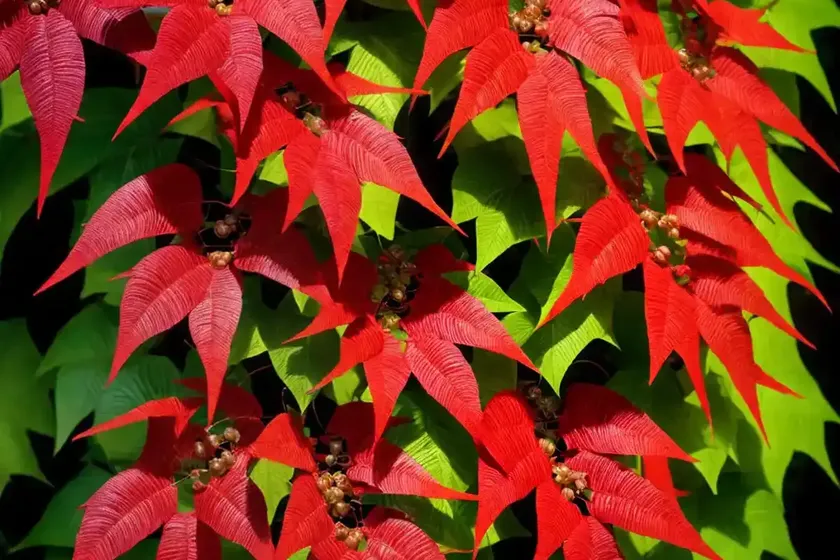
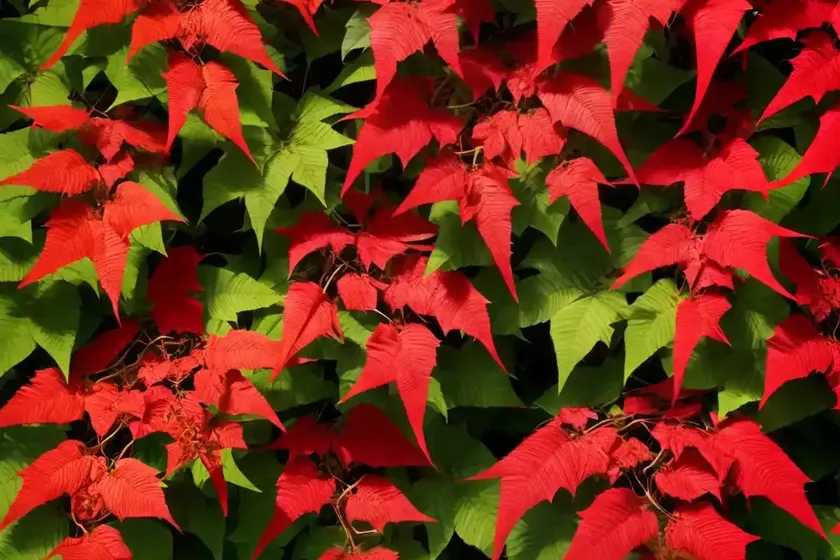
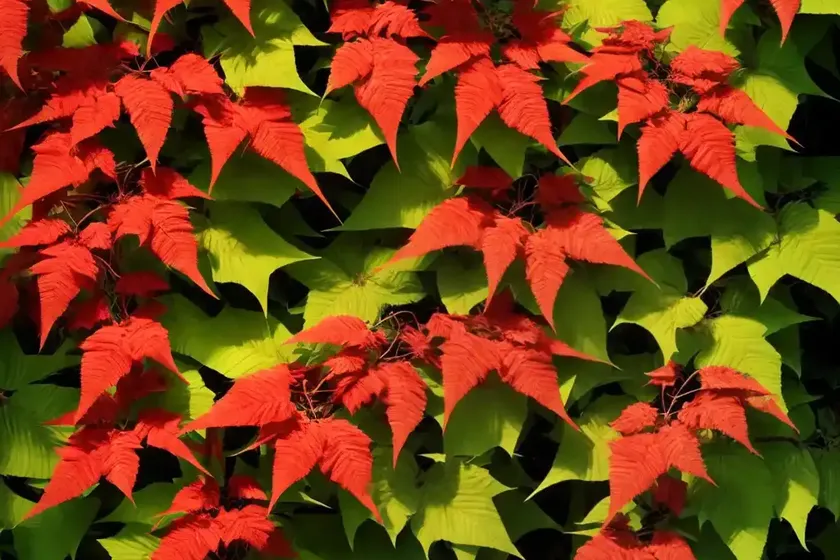
Parthenocissus henryana, commonly known as Chinese Virginia Creeper, is a beautiful and versatile plant that can enhance the aesthetics of any garden or landscape. This plant is renowned for its vibrant foliage and ability to climb and cover a variety of surfaces. In this detailed guide, we will delve into the cultivation, care, and uses of Parthenocissus henryana, as well as explore its unique characteristics and benefits.
What is Parthenocissus henryana?
Parthenocissus henryana is a species of flowering plant in the grape family, Vitaceae. It is native to China and is known for its vigorous climbing habit and attractive foliage. The plant features striking, palmately compound leaves with five leaflets, which emerge as bronze-green in spring, transition to green with silver veins in summer, and finally turn vibrant shades of red and purple in autumn.
The Chinese Virginia Creeper is a deciduous, self-clinging climber that uses its tendrils to scale walls, fences, and other structures. In addition to its ornamental value, this plant also provides environmental benefits as it attracts birds and wildlife, making it a great addition to wildlife gardens.
Key Takeaways – Parthenocissus henryana
Before we delve into the specific care and cultivation practices for Parthenocissus henryana, let’s highlight some key takeaways about this plant:
- Scientific Name: Parthenocissus henryana
- Common Name: Chinese Virginia Creeper
- Family: Vitaceae
- Native Habitat: China
- Foliage Characteristics: Compound leaves with five leaflets, featuring green color with silver veins and turning to vibrant red and purple in autumn
- Climbing Habit: Self-clinging climber with tendrils
- Environmental Benefits: Attracts birds and wildlife
Now that we have an overview of Parthenocissus henryana, let’s explore the essential aspects of its care and cultivation.
Culture
Understanding the cultural requirements of Parthenocissus henryana is crucial for its successful growth and development. Whether you are a beginner or an experienced gardener, providing the right cultural conditions is vital for the plant’s overall health and performance.
Uses
Parthenocissus henryana has several uses and applications in gardening and landscaping. Some common uses of this plant include:
- Ornamental climbing vine for walls, fences, and trellises
- Adding visual interest and color to gardens, especially during autumn
- Attracting wildlife such as birds and beneficial insects
The plant’s versatility and aesthetic appeal make it a popular choice for various landscaping and garden design projects.
Water
Establishing a suitable watering routine is essential for the health and vitality of Parthenocissus henryana. While it is important to provide adequate moisture, it is equally crucial to avoid overwatering, which can lead to root rot and other issues.
In general, the plant prefers consistently moist soil, especially during the active growing season. However, it is important to allow the soil to dry slightly between watering intervals to prevent waterlogged conditions.
During periods of prolonged heat or drought, increased watering may be necessary to support the plant’s water requirements. Observing the soil moisture and adjusting the watering frequency accordingly can help maintain optimal growing conditions for Parthenocissus henryana.
Sunlight
Proper sunlight exposure is essential for ensuring healthy growth and vibrant foliage in Parthenocissus henryana. In its natural habitat, the plant thrives in locations with partial to full sun, receiving approximately 4 to 6 hours of direct sunlight per day.
When cultivating Chinese Virginia Creeper, it is important to select a planting site that offers adequate sunlight exposure. While the plant can tolerate partial shade, providing sufficient sunlight is crucial for promoting robust foliage and vibrant autumn coloration.
Fertilizer
Applying appropriate fertilization can significantly impact the growth and performance of Parthenocissus henryana. While the plant is relatively low-maintenance, providing essential nutrients can support its overall health and vigor.
As a general guideline, it is advisable to apply a balanced, slow-release fertilizer in early spring, before the onset of new growth. This helps provide the plant with the necessary nutrients to support healthy foliage development and flowering.
Opt for a fertilizer specifically formulated for climbing vines or ornamental plants, and follow the manufacturer’s recommendations for application rates and frequency. Avoid over-fertilization, as excessive nutrient levels can negatively affect the plant and lead to imbalanced growth.
Soil
Understanding the preferred soil preferences of Parthenocissus henryana is crucial for establishing a suitable growing environment. The plant thrives in well-draining, loamy soil with a slightly acidic to neutral pH range.
When preparing the planting site, ensure that the soil is enriched with organic matter, such as compost or well-rotted manure, to improve its structure and fertility. Amending the soil with organic materials can enhance its moisture retention capabilities while providing essential nutrients for the plant’s growth.
Additionally, incorporating a layer of mulch around the base of the plant can help retain soil moisture, suppress weed growth, and regulate soil temperature. Mulching also contributes to the overall health of the plant and reduces the need for frequent watering.
Pruning
Pruning plays a pivotal role in maintaining the health, appearance, and growth pattern of Parthenocissus henryana. Proper pruning techniques can help manage the plant’s size, shape, and density while promoting a neat and attractive appearance.
Propagation
Propagating Parthenocissus henryana offers an opportunity to expand your plant collection or share its beauty with others. The plant can be propagated through various methods, including stem cuttings and layering, each with its unique advantages and requirements.
Container Popularity
One of the remarkable features of Parthenocissus henryana is its adaptability to container gardening. The plant’s climbing habit and ornamental foliage make it a popular choice for growing in containers, allowing individuals with limited outdoor space to enjoy its beauty and benefits.
Container Common Diseases
While container cultivation offers several advantages, it is essential to be mindful of potential diseases and issues that can affect Parthenocissus henryana in a confined environment. Being aware of common diseases and their symptoms is crucial for implementing preventive measures and addressing any concerns promptly.
Disease Diagnosis
Recognizing and diagnosing diseases that may affect Parthenocissus henryana is vital for maintaining the plant’s health and preventing the spread of infections. From fungal issues to bacterial infections, understanding the potential diseases and their symptoms is key to implementing effective management strategies.
Common Pests
Like many other plants, Parthenocissus henryana can be susceptible to pest infestations, which can impact its overall health and appearance. Identifying common pests and implementing appropriate control measures can help protect the plant from potential damage.
Botanist’s Tips
Gardening experts and botanists often provide valuable insights and tips for successfully cultivating and caring for plants such as Parthenocissus henryana. Leveraging their knowledge and expertise can offer valuable guidance for enthusiasts and gardeners looking to enhance their skills.
Fun Facts
Exploring the fascinating and unique aspects of Parthenocissus henryana can add an element of intrigue and excitement to gardening and plant appreciation. From historical significance to ecological contributions, learning fun facts about the plant can deepen one’s appreciation for its beauty and value.
Links to External Resources
For comprehensive information and additional insights into Parthenocissus henryana, refer to the following external resources:
- Royal Horticultural Society – Parthenocissus henryana
- Missouri Botanical Garden – Parthenocissus henryana
- University of Florida IFAS Extension – Virginia Creeper
Incorporating the insights and recommendations from reputable sources can enrich your knowledge and understanding of Parthenocissus henryana, supporting successful cultivation and enjoyment of this remarkable plant.
In this comprehensive guide, we have delved into the fascinating world of Parthenocissus henryana, exploring its unique characteristics, cultivation requirements, and uses. By understanding the essential aspects of caring for this plant, individuals can cultivate thriving specimens and appreciate its beauty in various garden and landscaping settings.
Understanding the preferred cultural conditions, such as watering, sunlight, and soil preferences, is crucial for supporting the growth and development of Parthenocissus henryana. Additionally, being mindful of pruning techniques, container cultivation, common diseases, and pests can contribute to overall plant health and performance.
As you embark on your journey with Parthenocissus henryana, remember to leverage valuable insights from experts, embrace the plant’s unique qualities, and foster a deep appreciation for its ornamental and environmental contributions. With proper care and attention, the Chinese Virginia Creeper can thrive and enrich outdoor spaces with its lush foliage and vibrant autumn colors.
Now that you have gained a thorough understanding of Parthenocissus henryana, take the next step in exploring its cultivation and bringing its beauty into your garden or landscape!
Stay tuned for more insightful plant guides and horticultural explorations. Happy gardening!


