Pennisetum Villosum (Feathertop Grass)
As a plant scientist, I am thrilled to delve into the realm of Pennisetum villosum, commonly known as Feathertop Grass. This ornamental grass is a.
As a plant scientist, I am thrilled to delve into the realm of Pennisetum villosum, commonly known as Feathertop Grass. This ornamental grass is a fascinating plant that offers an array of benefits and can be a striking addition to any landscape. In this comprehensive guide, I will explore the culture, uses, maintenance, and propagation of Pennisetum villosum. Whether you are a seasoned gardener or just starting with your green thumb, this article will equip you with the knowledge to cultivate and appreciate this remarkable plant.
What is Pennisetum villosum?
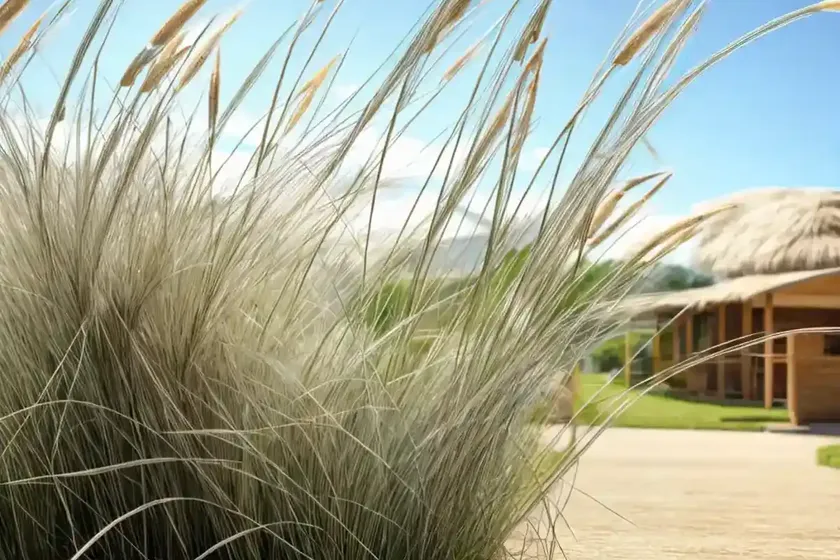
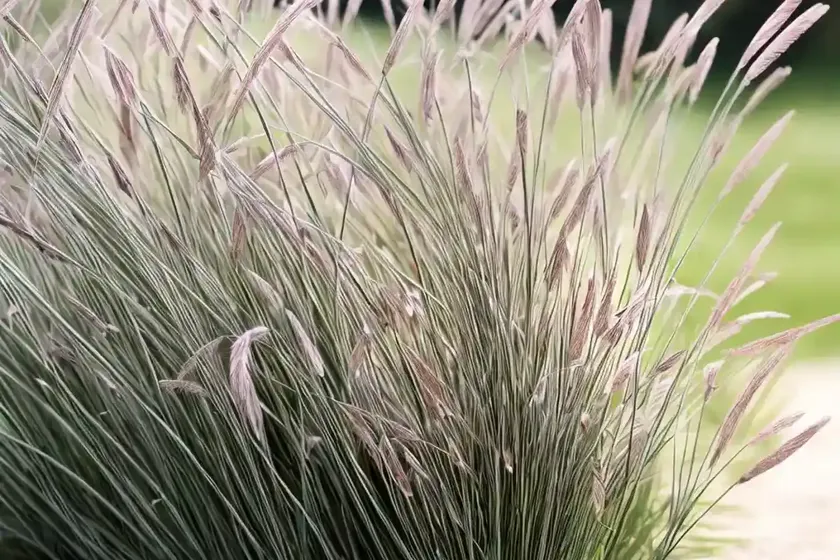
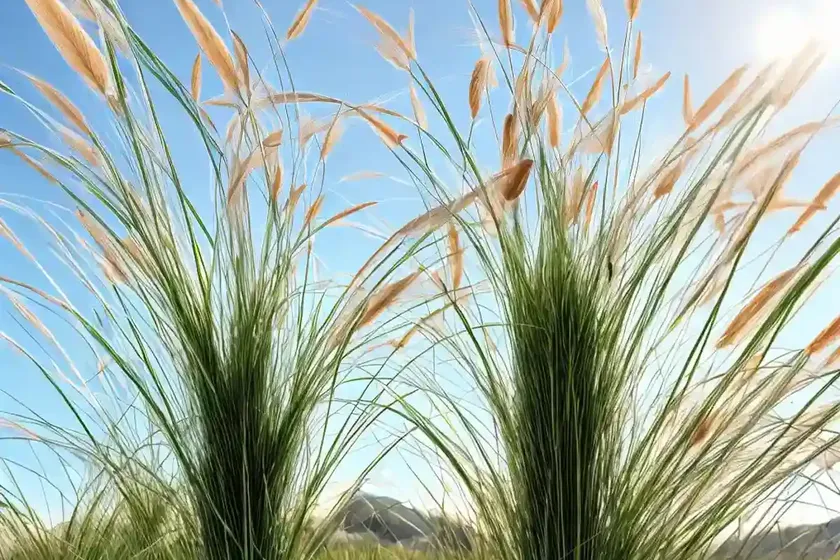
Pennisetum villosum, also referred to as Feathertop Grass, is a perennial grass species that belongs to the family Poaceae. Native to Ethiopia and Somalia, it is appreciated for its graceful and fluffy flower heads that sway with the lightest breeze, adding an ethereal quality to the landscape. With its arching, fine green foliage and delicate, feathery plumes, Pennisetum villosum can reach heights of 2 to 3 feet (60 to 90 cm) and spreads about 2 to 3 feet (60 to 90 cm) in width.
This species is characterized by its strong, upright habit, and its flowering spikes emerge in early summer, displaying a silvery-pink hue that gradually matures to a creamy white color, creating a stunning visual impact. Pennisetum villosum is adored for its ornamental beauty, making it an attractive choice for gardeners, landscapers, and nature enthusiasts.
Key Takeaways – Pennisetum villosum (Feathertop Grass)
Before we delve into the specifics of Pennisetum villosum’s culture, uses, and maintenance, let’s take a moment to outline the key takeaways associated with this captivating and versatile plant.
- Plant Name: Pennisetum villosum (Feathertop Grass)
- Common Name: Feathertop Grass
- Family: Poaceae
- Native to: Ethiopia and Somalia
- Height: 2 to 3 feet (60 to 90 cm)
- Spread: 2 to 3 feet (60 to 90 cm)
- Flowering Season: Early summer
- Flower Color: Silvery-pink maturing to creamy white
- Characteristics: Arching green foliage, feathery plumes
- Uses: Ornamental, landscaping, wildlife gardens
- Maintenance: Low-maintenance, drought-tolerant
- Propagation: Seeds, division
Now that we have a foundational understanding of Pennisetum villosum, let’s explore its culture, uses, and the various aspects associated with its successful cultivation and maintenance.
Culture
Water
Pennisetum villosum thrives in well-drained soil and generally exhibits good drought tolerance once established. However, to ensure optimal growth and flowering, regular watering during the growing season is recommended. It is crucial to monitor the moisture levels, especially during periods of intense heat, and provide supplementary irrigation when necessary, particularly for plants grown in containers.
Sunlight
Feathertop Grass flourishes in full sun, basking in the direct rays of the sun to fuel its growth and spectacular flowering display. As such, when selecting a planting location, choose an area that receives at least 6 to 8 hours of sunlight per day to support the plant’s vigor and the development of its iconic feathery plumes.
Fertilizer
With regards to fertilization, Pennisetum villosum generally does not have high nutrient requirements. A well-balanced, general-purpose fertilizer applied in early spring as new growth emerges can contribute to healthy development and robust flowering. It is essential to follow the manufacturer’s guidelines regarding application rates and to avoid excessive fertilization, which may lead to excessive foliage at the expense of flowering.
Soil
Feathertop Grass thrives in various soil types, provided they are well-drained. It exhibits adaptability to sandy, loamy, or clay soils but performs best in fertile, humus-rich soil. Prior to planting, it is beneficial to improve the soil structure by amending it with organic matter, such as compost, to enhance its moisture retention and nutrient content. Additionally, maintaining a slightly acidic to neutral soil pH will support the plant’s overall health and vigor.
Uses
Pennisetum villosum, with its enchanting foliage and ethereal plumes, boasts versatile uses that span across the realms of landscaping, ornamental gardening, and ecological conservation. Let’s delve into the diverse applications of Feathertop Grass.
-
Landscaping: Feathertop Grass is a prized addition to ornamental landscapes, where its delicate texture and stunning visual appeal are leveraged to create dynamic and captivating garden compositions. Whether utilized in mass plantings, as a focal point, or as border edging, the plant’s graceful demeanor injects an element of elegance and whimsy into the landscape.
-
Wildlife Gardens: The feathery plumes of Pennisetum villosum attract various beneficial insects, such as pollinators, including butterflies and bees, fostering a thriving and diverse ecosystem within wildlife gardens. Additionally, the plant serves as a shelter and forage source for small wildlife, contributing to the biodiversity and ecological balance of the garden.
-
Ornamental Feature: Feathertop Grass lends itself as an exceptional ornamental feature, whether utilized in decorative containers, mixed plantings, or as a standalone specimen. The plant’s captivating beauty and dynamic presence make it a natural choice for elevating the aesthetics of outdoor spaces, infusing them with texture, movement, and subtle nuance.
Feathertop Grass is celebrated for its decorative prowess and ecological contributions, making it an invaluable asset in various horticultural and ecological contexts.
Pruning
Cutting Back
In late winter or early spring before the emergence of new growth, it is advisable to prune Pennisetum villosum to remove the previous year’s growth and to stimulate fresh, vigorous growth for the upcoming season. Using sharp and clean pruning shears, cut back the dead foliage and spent flower heads to a few inches above the ground, encouraging a rejuvenated and tidy appearance.
Dividing
As the plant matures and expands, it may benefit from periodic division to rejuvenate its vigor and prevent overcrowding. Dividing Pennisetum villosum is typically undertaken in early spring, before the initiation of new growth. Using a sharp spade or garden knife, carefully lift the plant from the ground, ensuring that the root ball remains intact. Subsequently, the plant can be gently divided into smaller sections, each containing healthy roots and foliage, which can then be replanted at the desired locations, enriching the garden with new, vigorous growth.
Propagation
Pennisetum villosum can be propagated through seeds and division, offering multiple avenues for expanding and multiplying the plant’s presence within the landscape. Let’s explore the two primary methods of propagating Feathertop Grass.
Growing from Seeds
-
Seed Collection: To propagate Pennisetum villosum from seeds, begin by collecting ripe seeds from the plant in late summer or early fall when the seed heads have matured. Choose plumes with fully developed, dry seeds, ensuring that they are stored in a cool, dry environment until they are ready for sowing.
-
Seed Stratification: Prior to sowing, the seeds may benefit from a period of moist, cold stratification to break dormancy and enhance germination rates. This can be achieved by placing the seeds in a damp paper towel inside a sealed plastic bag and refrigerating them for approximately 4 to 6 weeks.
-
Sowing Seeds: Once the stratification period is complete, sow the Feathertop Grass seeds in trays or pots filled with a well-draining seed-starting mix, gently pressing them into the surface of the soil. Ensure that the seeds are kept consistently moist and provide warmth to encourage germination, typically occurring within 14 to 21 days.
Division
-
Division Process: To propagate Pennisetum villosum through division, begin by carefully lifting the mature plant from the ground, ensuring that the root system remains intact. Subsequently, using a sharp tool, divide the plant into smaller sections, ensuring that each division contains healthy roots and foliage.
-
Replanting: Plant the divided sections at the desired locations, ensuring that they are positioned at the appropriate depth and are provided with adequate moisture to support their establishment. Division offers a straightforward and effective method of propagation, enabling gardeners to expand their Feathertop Grass population and invigorate established plantings.
Propagating Pennisetum villosum from seeds and through division presents rewarding opportunities for multiplying the plant’s presence and perpetuating its ornamental and ecological contributions within diverse landscapes.
Container Popularity
Feathertop Grass holds a prominent place in container gardening, offering a versatile and captivating addition to outdoor spaces, patios, and balconies. Its graceful form and elegant plumes lend themselves beautifully to container arrangements, infusing them with texture, movement, and a touch of whimsy. Whether utilized as a standalone feature or as part of a mixed planting scheme, Pennisetum villosum elevates the aesthetic appeal of containers, transforming them into captivating focal points within the outdoor environment.
Container Considerations
When cultivating Pennisetum villosum in containers, several considerations can contribute to the plant’s vitality and overall performance.
-
Container Size: Select a container that provides adequate space for the plant’s root system to develop and expand, ensuring that it is proportional to the plant’s mature size. A larger container not only accommodates the plant’s growth but also enhances its stability and moisture retention.
-
Drainage: Ensure that the chosen container possesses sufficient drainage holes to prevent waterlogging and promote healthy root development. Well-drained soil and proper drainage are essential for the plant’s overall vigor and resilience.
-
Soil Mix: Utilize a well-draining, high-quality potting mix to provide a suitable growing medium for Pennisetum villosum. Consider incorporating organic matter or perlite to enhance the soil’s structure and water retention capacity, promoting optimal growth and performance within the container environment.
-
Sunlight: Position the container in a location that receives ample sunlight, typically 6 to 8 hours of direct sunlight per day, to support the plant’s photosynthetic processes and flowering potential. Adequate sunlight exposure is instrumental in promoting the plant’s vigor and ornamental characteristics within the confined space of a container.
Container Compositions
When integrating Pennisetum villosum into container arrangements, its elegant form and feathery plumes can be combined with a diverse array of companion plants, contributing to captivating and dynamic compositions. Consider the following plant combinations to complement Feathertop Grass within container gardens:
-
Perennial Companions: Pair Pennisetum villosum with perennial flowering plants, such as echinacea, salvia, or rudbeckia, to create visually engaging and enduring container displays. The contrast between the colorful blooms and the delicate plumes of Feathertop Grass imbues the container with a vibrant and long-lasting visual impact.
-
Foliage Contrasts: Integrate plants with contrasting foliage textures and colors, such as heuchera, hostas, or ornamental grasses, to create striking and diverse container compositions. The interplay of foliage textures and hues enriches the visual appeal of the container, imbuing it with depth and nuance.
-
Seasonal Accents: Incorporate seasonal accents, such as ornamental kale, pansies, or ornamental peppers, to infuse the container with seasonal charm and dynamic interest. By incorporating seasonal elements, the container arrangements remain dynamic and engaging throughout the year, reflecting the evolving beauty of the changing seasons.
The versatility and ornamental appeal of Pennisetum villosum make it a prized addition to container gardening, offering gardeners a myriad of possibilities for creating captivating and enduring container compositions.
Common Diseases
Disease Diagnosis
While Pennisetum villosum is known for its resilience and relatively low susceptibility to diseases, several potential issues may arise in certain growing conditions or environmental contexts. By familiarizing oneself with the common diseases and symptoms associated with Feathertop Grass, gardeners can swiftly identify and address any health-related concerns, safeguarding the plant’s vitality and ornamental appeal.
-
Powdery Mildew: Powdery mildew, characterized by a white, powdery fungal growth on the plant’s foliage, may occur, particularly in humid and poorly ventilated environments. Ensuring proper air circulation and avoiding overhead watering can mitigate the risk of powdery mildew development.
-
Anthracnose: Anthracnose, manifested as dark, sunken lesions on the plant’s leaves and stems, may pose a threat in conditions of excessive moisture and poor air circulation. Employing proper sanitation practices and plant spacing can reduce the risk of anthracnose incidence, maintaining the plant’s overall health and vigor.
-
Root Rot: Excessive soil moisture and poor drainage can predispose Feathertop Grass to root rot, leading to wilting, yellowing foliage, and stunted growth. Maintaining well-drained soil and avoiding overwatering are essential in preventing the onset of root rot and preserving the plant’s root system.
-
Rust: Rust, characterized by orange or brown pustules on the plant’s foliage, can develop in conditions of high humidity and moderate temperatures. Implementing proper plant spacing and sanitation measures can mitigate the risk of rust occurrence, preserving the aesthetic appeal and vigor of Pennisetum villosum.
By monitoring the plant’s growing conditions, practicing sound cultural techniques, and promptly addressing any symptoms of potential diseases, gardeners can maintain the health and vitality of Pennisetum villosum, ensuring its continued ornamental beauty and resilience within the landscape.
Common Pests
Pest Identification
While Pennisetum villosum is generally resistant to pest infestations, several common pests may occasionally target the plant, necessitating vigilant monitoring and prompt intervention to mitigate potential damage and preserve the plant’s overall health and vigor.
-
Aphids: Aphids, small, sap-sucking insects, may infest the plant’s tender growth, causing distortion and yellowing of the foliage. Regularly inspect the plant for signs of aphid activity, and employ measures such as insecticidal soap or horticultural oil to manage infestations and protect the plant from potential damage.
-
Spider Mites: Spider mites, microscopic pests that feed on the plant’s sap, may induce stippling, discoloration, and webbing on the foliage. Maintaining adequate moisture levels and utilizing predatory mites or insecticidal soaps can aid in preventing and managing spider mite infestations, safeguarding the plant’s overall health and visual appeal.
-
Slugs and Snails: Slugs and snails, nocturnal pests, may feed on the plant’s foliage and tender growth, causing irregular, ragged holes and damage. Employing cultural controls, such as eliminating hiding places and deploying physical barriers, can assist in reducing slug and snail populations and protecting Feathertop Grass from potential harm.
-
Grasshoppers: Grasshoppers, voracious feeders, may consume the plant’s foliage, leading to defoliation and reduced ornamental appeal. Employing physical barriers, such as row covers, and employing natural predators, such as birds and predatory insects, can aid in managing grasshopper populations and protecting the plant from damage.
By remaining vigilant and promptly addressing any signs of pest activity, gardeners can effectively manage potential pest challenges, preserving the health, beauty, and ornamental value of Pennisetum villosum within the landscape.
Botanist’s Tips
Optimal Growing Conditions
To facilitate the optimal growth and ornamental performance of Pennisetum villosum, it is essential to create an environment that caters to the plant’s specific cultural requirements, ensuring its vitality and visual impact within the landscape.
-
Well-Drained Soil: Plant Feathertop Grass in well-drained, fertile soil to support healthy root development and overall vigor. Incorporating organic matter, such as compost, into the soil can enhance its structure and moisture retention capacity, promoting the plant’s resilience and robust growth.
-
Full Sun: Position the plant in a location that receives ample sunlight, ensuring at least 6 to 8 hours of direct sunlight per day to fuel its photosynthetic processes and flowering potential. Adequate sunlight exposure is instrumental in fostering the plant’s lush foliage and iconic feathery plumes.
-
Staggered Planting: When planting Pennisetum villosum in mass plantings or mixed borders, consider staggering the plants at varying heights and intervals to create a dynamic and captivating visual impact. The juxtaposition of different heights and groupings accentuates the plant’s ornamental appeal and enriches the overall garden composition.
-
Supplementary Watering: While Pennisetum villosum exhibits good drought tolerance, providing supplementary watering during dry spells and periods of intense heat can support the plant’s growth and flowering potential, bolstering its overall vigor and ornamental impact.
By adhering to these botanist’s tips, gardeners can create an environment that optimally supports the health, beauty, and ornamental prowess of Pennisetum villosum, accentuating its grace and allure within the landscape.
Fun Facts
Unearth the captivating and intriguing facets of Pennisetum villosum through the following fun facts, illuminating the plant’s unique attributes and ornamental appeal.
-
Ornamental Elegance: Pennisetum villosum’s feathery plumes are revered for their ornamental elegance, lending the plant a delicately ethereal quality that captivates the eye and heart alike, infusing the landscape with enchantment and grace.
-
Rhythmic Movement: When gently swayed by the wind, Feathertop Grass’s airy plumes engage in a serenely rhythmic dance, casting a mesmerizing and tranquil ambiance within the garden, fostering a sense of harmony and tranquility.
-
Wildlife Attraction: The feathery plumes of Pennisetum villosum serve as a magnet for beneficial insects and small wildlife, enriching the garden’s ecosystem and fostering a biodiverse and thriving habitat for nature’s delicate inhabitants.
-
Seasonal Transitions: Throughout the seasons, Pennisetum villosum undergoes captivating transformations, ushering in new stages of ornamental splendor and visual allure, enhancing the garden’s ever-evolving beauty and dynamism.
-
Cultural Symbolism: Feathertop Grass is imbued with cultural symbolism, often associated with concepts of grace, lightness, and poetic beauty, symbolizing ephemeral moments of enchantment and timeless elegance within the garden.
Uncovering the multifaceted appeal and symbolic resonance of Pennisetum villosum lends a deeper appreciation for the plant’s ornamental charm and its profound impact within diverse landscapes and garden settings.
Links to External Resources
Expand your knowledge and deepen your understanding of Pennisetum villosum through the following external resources, offering insightful and specialized perspectives on Feathertop Grass and its cultivation.
- Royal Horticultural Society – Pennisetum villosum
- University of Florida IFAS Extension – Ornamental Grasses for the Florida Landscape
- [Missouri Botanical Garden – Pennisetum villosum](https://www.missouribotanicalgarden.org/PlantFinder/Plant


