Pennisetum Thunbergii ‘Red Buttons’ (Fountain Grass)
Pennisetum thunbergii ‘Red Buttons’, also known as Fountain Grass, is a stunning ornamental grass known for its attractive red to bronze foliage and.
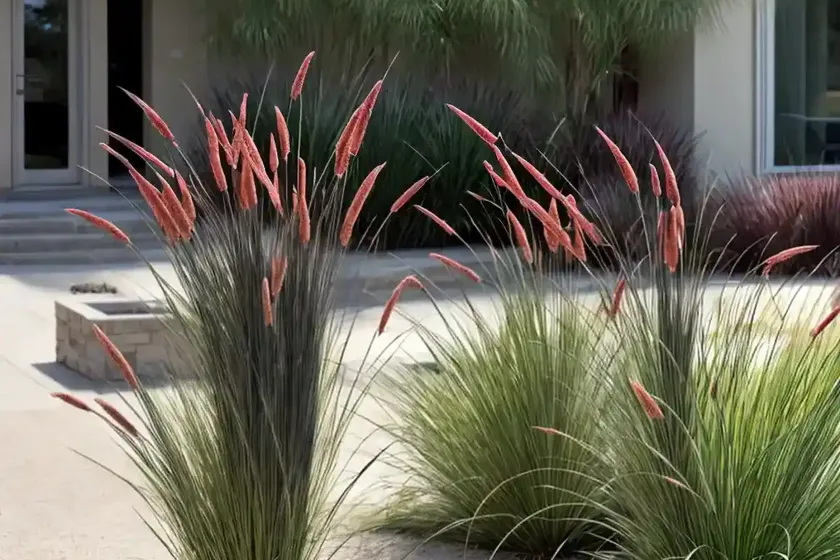
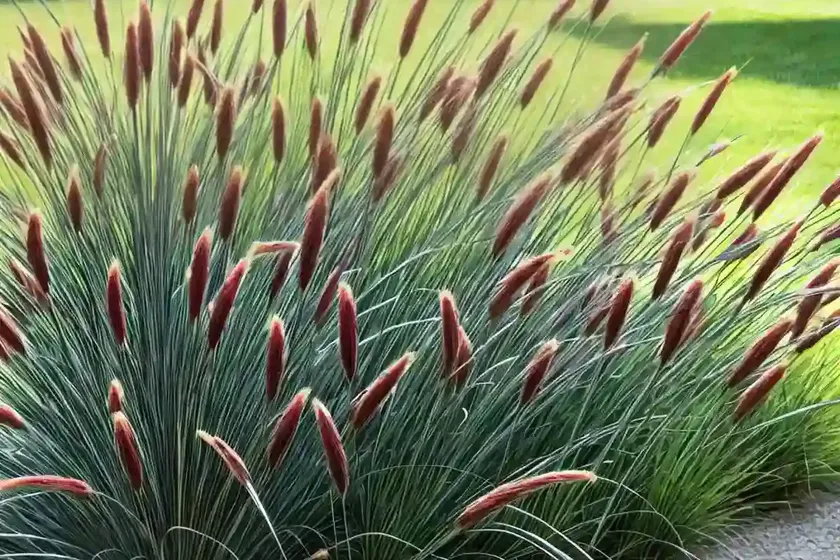
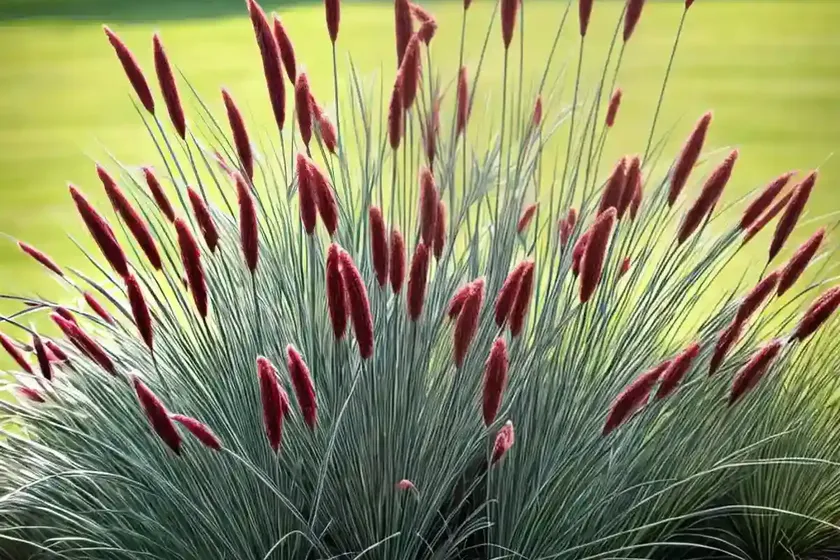
Pennisetum thunbergii ‘Red Buttons’, also known as Fountain Grass, is a stunning ornamental grass known for its attractive red to bronze foliage and graceful fountain-like inflorescences. This perennial grass is a popular choice for landscaping due to its low maintenance and striking aesthetic appeal. In this comprehensive guide, we will explore the various aspects of Pennisetum thunbergii ‘Red Buttons’, including its culture, uses, care requirements, and common diseases and pests. Whether you are a seasoned gardener or a novice enthusiast, this article will provide valuable insights into growing and caring for this captivating plant.
What is Pennisetum thunbergii ‘Red Buttons’?
Pennisetum thunbergii ‘Red Buttons’, commonly known as Fountain Grass, is a perennial ornamental grass that belongs to the Poaceae family. Native to Africa, Asia, and Australia, this grass species is prized for its elegant, plume-like flowerheads and vibrant foliage, making it a favorite among gardeners and landscape designers.
Key Takeaways – Pennisetum thunbergii ‘Red Buttons’ (Fountain Grass)
- Scientific Name: Pennisetum thunbergii ‘Red Buttons’
- Common Name: Fountain Grass
- Varieties: ‘Red Buttons’, ‘Rubrum’, ‘Fireworks’
- Characteristics: Graceful, upright habit with red to bronze foliage and feathery flower spikes
- Growth Habit: Clumping, perennial grass
- Uses: Landscaping, borders, mass plantings, containers
- Maintenance: Low maintenance; requires minimal care once established
- Drought Tolerance: Highly tolerant to drought conditions
- Sunlight: Prefers full sun; can tolerate partial shade
- Soil Type: Well-drained soils; adaptable to various soil types
- Hardiness Zones: 6 to 9
Now, let’s delve into the specific aspects of growing and caring for Pennisetum thunbergii ‘Red Buttons’, including its cultural requirements, propagation, common diseases, and maintenance practices.
Culture
Caring for Pennisetum thunbergii ‘Red Buttons’ involves understanding its specific cultural needs, including water, sunlight, fertilizer, soil, and pruning requirements. By providing the right conditions, you can ensure the optimal growth and vigor of this ornamental grass.
Water
Fountain Grass is known for its remarkable drought tolerance once established. However, it is crucial to provide regular irrigation, especially during the establishment phase and in periods of prolonged drought.
Watering Tips:
– Establishment: Water deeply after planting to encourage root development.
– Mature Plants: Once established, Fountain Grass can thrive with minimal supplemental watering. However, during prolonged dry spells, deep watering is beneficial to maintain plant health and vitality.
– Container-Grown Plants: Ensure thorough watering of container-grown Fountain Grass, allowing excess water to drain freely from the pot.
Sunlight
Fountain Grass thrives in full sun, exhibiting its best growth and ornamental features when provided with ample sunlight. While it can tolerate some degree of partial shade, it may result in reduced flowering and potential legginess in shaded conditions.
Sunlight Requirements:
– Optimal: Full sun (6 to 8 hours of direct sunlight per day)
– Tolerable: Partial shade (4 to 6 hours of direct sunlight per day)
– Effect of Shade: Insufficient sunlight may lead to reduced flowering and diminished foliage color intensity.
Fertilizer
While Fountain Grass is relatively low-maintenance, it can benefit from occasional fertilization to support healthy growth and robust flowering. A balanced, slow-release fertilizer can be applied in the early spring to provide the necessary nutrients for the growing season.
Fertilization Guidelines:
– Timing: Apply fertilizer in early spring, just as new growth begins.
– Frequency: A single annual application of fertilizer is usually sufficient for established plants.
– Application Method: Apply the fertilizer evenly around the base of the plant, then water thoroughly to incorporate the nutrients into the soil.
Soil
Fountain Grass is adaptable to various soil types, ranging from sandy to loamy and even clay soils, as long as they are well-drained. Prior to planting, it is advisable to amend the soil with organic matter to improve its structure and fertility.
Soil Characteristics:
– Drainage: Well-drained soil is essential to prevent waterlogging and root rot.
– pH Range: Tolerant of a wide pH range, ideally between 6.0 to 7.5.
– Organic Matter: Incorporating compost or well-rotted manure into the soil can enhance its fertility and moisture-retention capacity.
Pruning
Pruning Fountain Grass serves both aesthetic and maintenance purposes, as it helps rejuvenate the plant, remove old growth, and maintain its attractive appearance. The timing and technique for pruning Fountain Grass can significantly impact its overall health and visual appeal.
Pruning Guidelines:
– Timing: Prune Fountain Grass in late winter or early spring before the new growth emerges.
– Method: Use clean, sharp pruners to remove the previous season’s growth, cutting back the foliage to a few inches above the ground.
– Cleanup: Remove any dead or damaged foliage to promote a tidy and healthy appearance.
Propagation
Fountain Grass can be propagated through several methods, including division, seed sowing, and cuttings. Each propagation technique offers distinct advantages and considerations, allowing gardeners to choose the most suitable approach based on their preferences and resources.
Division
Division is a common and effective method for propagating Fountain Grass, particularly for established clumps that have outgrown their space or when creating new plantings.
Division Steps:
1. Timing: Early spring or late summer/early fall is ideal for dividing Fountain Grass.
2. Digging: Carefully dig up the clump, ensuring to preserve the root system as much as possible.
3. Separation: Use a sharp, clean spade or knife to divide the clump into smaller sections, each containing healthy roots and shoots.
4. Replanting: Transplant the divided sections into prepared planting holes, water thoroughly, and provide appropriate care to promote establishment.
Seed Sowing
While less commonly practiced, growing Fountain Grass from seeds allows for the propagation of specific varieties and can be a rewarding process for enthusiastic gardeners.
Seed Sowing Tips:
– Seed Collection: Collect seeds from mature Fountain Grass flowerheads in the late summer to early fall.
– Preparation: Scarify the seeds by gently rubbing them with sandpaper or nicking the seed coat to enhance germination.
– Sowing: Plant the prepared seeds in well-drained soil, lightly covering them with a thin layer of growing medium.
– Germination: Keep the soil consistently moist until germination occurs, typically within 2 to 3 weeks.
– Transplanting: Once the seedlings have developed several sets of true leaves, they can be transplanted into individual pots or directly into the garden.
Container Popularity
Fountain Grass is well-suited for container cultivation, offering a versatile and dynamic option for adding ornamental interest to patios, balconies, and outdoor living spaces. Its graceful form and striking foliage make it a popular choice for container gardening, allowing for creative combinations with other plants and ornamental features.
Container Considerations:
– Selection: Choose a sizable container with adequate drainage holes to accommodate the mature size of Fountain Grass.
– Growing Medium: Use a well-draining, fertile potting mix to ensure healthy growth and moisture management.
– Placement: Position the container in a location that receives ample sunlight, as Fountain Grass thrives in full sun conditions.
– Maintenance: Monitor the moisture levels in the container and water as needed to prevent the soil from drying out completely.
Common Diseases
While Fountain Grass is generally resilient and resistant to most diseases, it may occasionally encounter issues related to fungal infections and environmental stress. Understanding the common diseases and their associated symptoms is essential for implementing timely and effective management strategies to safeguard the plant’s health.
Disease Diagnosis
Common Diseases and Symptoms:
– Leaf Spot: Circular, dark lesions on the foliage, often accompanied by yellowing or browning of the affected areas.
– Rust: Orange to brown pustules on the leaves, leading to premature defoliation and diminished overall vigor.
– Fungal Blight: Dark, water-soaked lesions on the foliage, often spreading rapidly and causing extensive damage.
– Anthracnose: Irregular, necrotic lesions on the leaves, accompanied by wilting and dieback of the affected plant parts.
Disease Management
Implementing proactive measures and cultural practices can help prevent the onset and spread of diseases in Fountain Grass. Adequate spacing, proper irrigation, and vigilant monitoring of the plant’s health are essential for minimizing disease pressure and maintaining its vitality.
Disease Management Strategies:
– Sanitation: Remove and dispose of any infected plant material promptly to prevent the spread of pathogens.
– Optimal Watering: Avoid overhead watering and ensure the soil dries out between irrigation sessions to reduce humidity and minimize fungal growth.
– Fungicidal Treatments: When necessary, apply fungicidal sprays according to label instructions to control specific fungal diseases and prevent further damage.
Common Pests
Fountain Grass is relatively resistant to most insect pests, but it may encounter occasional issues with aphids, spider mites, and grasshoppers. Monitoring the plant regularly and identifying early signs of pest infestation are crucial for implementing targeted control measures to mitigate the impact on the plant’s health.
Common Pests and Symptoms:
– Aphids: Clusters of small, soft-bodied insects on the undersides of the foliage, often accompanied by sticky honeydew residue.
– Spider Mites: Fine webbing and stippling on the foliage, leading to the development of discolored and distorted leaves.
– Grasshoppers: Visible feeding damage, including irregular holes and shredding of the leaves, as well as potential defoliation in severe cases.
Pest Control Measures:
– Physical Removal: Handpick and crush individual pests when feasible, especially in the case of localized infestations.
– Horticultural Oils: Apply horticultural oils to suffocate and deter soft-bodied insects such as aphids and spider mites.
– Natural Predators: Encourage beneficial insects and predators, such as ladybugs and lacewings, to help control pest populations naturally.
Botanist’s Tips
As a botanist specializing in ornamental grasses, I have curated a set of insightful tips and recommendations to aid in the successful cultivation and enjoyment of Pennisetum thunbergii ‘Red Buttons’ and other Fountain Grass varieties. These practical suggestions encompass various aspects of plant care, design considerations, and ecological benefits, offering valuable insights for both novice and experienced gardeners.
Botanist’s Recommendations:
- Diverse Planting: Incorporate Fountain Grass into mixed plantings and perennial borders to add texture, movement, and seasonal interest to the landscape.
- Ornamental Combinations: Pair Fountain Grass with complementary flowering perennials and shrubs to create captivating and dynamic garden compositions.
- Wildlife Habitat: Embrace Fountain Grass as a valuable habitat plant, attracting birds and pollinators with its abundant seed production and sheltering qualities.
- Erosion Control: Utilize Fountain Grass as an erosion-controlling groundcover on slopes and embankments, leveraging its extensive root system and soil stabilization properties.
Fun Facts
In addition to its ornamental and ecological significance, Fountain Grass boasts a range of captivating and intriguing qualities that make it a captivating addition to any garden or landscape. From historical uses to environmental adaptability, these fun facts offer a glimpse into the rich heritage and distinctive attributes of Pennisetum thunbergii ‘Red Buttons’.
Fascinating Tidbits:
- Cultural Significance: In some cultures, Fountain Grass is revered for its symbolic representation of resilience, grace, and longevity, often featuring in traditional ceremonies and rituals.
- Global Distribution: Pennisetum thunbergii ‘Red Buttons’ boasts a wide geographic range, with populations flourishing across diverse climatic and environmental conditions.
- Ecological Value: Fountain Grass serves as a critical component of various natural ecosystems, providing sustenance and shelter for indigenous wildlife and contributing to ecological diversity.
Links to External Resources
To further enrich your knowledge and exploration of Pennisetum thunbergii ‘Red Buttons’ and related Fountain Grass varieties, here are some recommended external resources offering in-depth information, cultivation insights, and visual inspiration:
- The American Ornamental Grass Society
- Royal Horticultural Society – Fountain Grass Varieties
- University of Florida IFAS Extension – Ornamental Grasses for Florida Landscapes
- Missouri Botanical Garden – Pennisetum thunbergii Information
- North Carolina State University Extension – Growing Ornamental Grasses
- Garden Design Magazine – Fountain Grass in Garden Design
In Conclusion
In conclusion, the allure and versatility of Pennisetum thunbergii ‘Red Buttons’ make it a captivating and valuable addition to gardens, landscapes, and diverse horticultural settings. Embracing its inherent beauty, ecological contributions, and adaptability, gardeners and plant enthusiasts can appreciate and celebrate the enduring charm of Fountain Grass, fostering its growth and legacy in the natural world.
As you embark on your journey of cultivating and enjoying Fountain Grass, I hope this comprehensive guide has provided valuable insights and practical guidance to support your endeavors. From understanding its cultural requirements to discovering its ecological role, Fountain Grass offers an immersive and rewarding horticultural experience, inviting us to cherish and preserve its timeless appeal in our natural surroundings. Whether as a focal point in a garden design or as a vital component of sustainable ecosystems, Pennisetum thunbergii ‘Red Buttons’ continues to captivate and inspire, enriching our lives and the world of plants with its enduring grace and beauty.
By: [Your Name]
Plant Scientist & Horticultural Specialist
Date: [Insert Date]


