Pennisetum Setaceum ‘Rubrum’ (Purple Fountain Grass)
As a plant scientist, I am thrilled to delve into the fascinating world of ornamental grasses, focusing on the enchanting Pennisetum setaceum ‘Rubrum’.
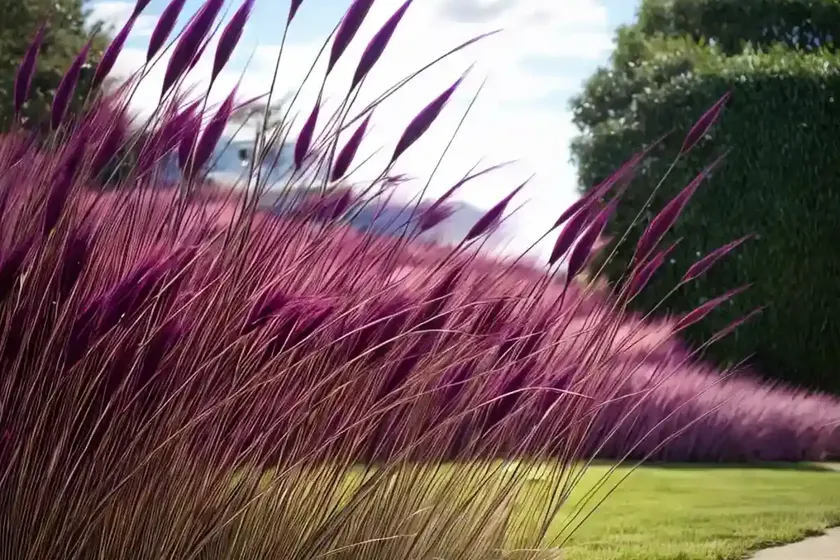
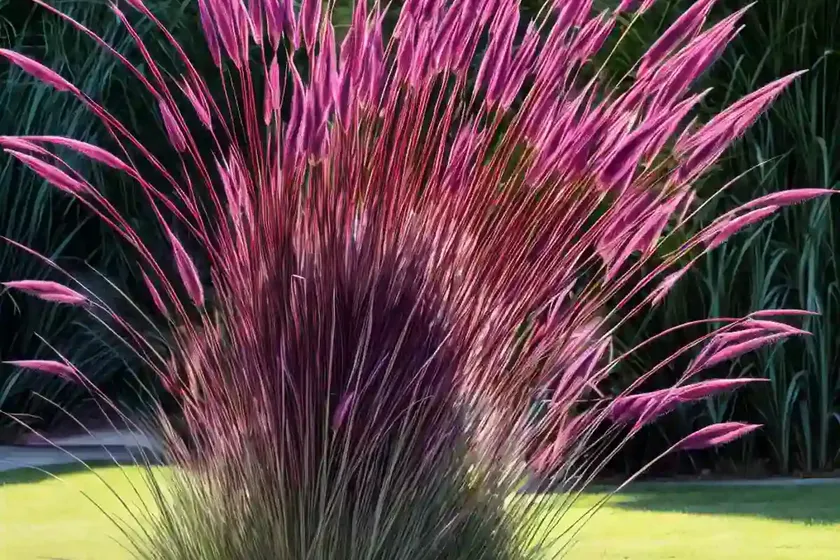
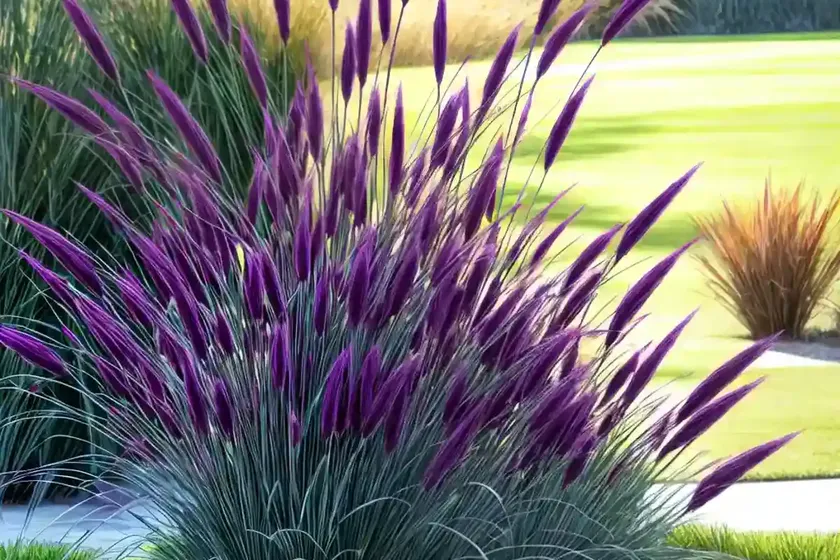
As a plant scientist, I am thrilled to delve into the fascinating world of ornamental grasses, focusing on the enchanting Pennisetum setaceum ‘Rubrum’, commonly known as Purple Fountain Grass. In this blog post, we will explore the culture, uses, care tips, and much more about this exceptional plant.
What is Pennisetum setaceum ‘Rubrum’?
Pennisetum setaceum ‘Rubrum’ is a stunning ornamental grass celebrated for its graceful, arching foliage and striking reddish-purple inflorescences that resemble fountains, hence its common name, Purple Fountain Grass. This warm-season perennial grass belongs to the family Poaceae and is native to East Africa and the Middle East. It has made its mark as a popular choice for adding texture, movement, and vibrant color to landscapes and gardens.
Key Takeaways
Pennisetum setaceum ‘Rubrum’ (Purple Fountain Grass)
- Scientific Name: Pennisetum setaceum ‘Rubrum’
- Common Name: Purple Fountain Grass
- Type: Warm-season perennial grass
- Foliage: Arching, reddish-purple leaves
- Flowers: Showy, reddish-purple inflorescences
- Uses: Ornamental grass in landscapes and gardens
Culture
Uses
Pennisetum setaceum ‘Rubrum’ is primarily grown for its ornamental value. This charming grass is used to add visual interest and a sense of movement in various garden settings. Its vibrant foliage and graceful plumes make it an excellent choice for borders, mass plantings, containers, and as standalone specimens. Moreover, it is often utilized in landscape designs to create texture, contrast, and a touch of drama.
Water
Purple Fountain Grass thrives in well-drained soil and requires regular watering, especially during the warmer months. It is important to keep the soil consistently moist, but not waterlogged. Once established, it exhibits a moderate drought tolerance, but regular irrigation is still beneficial for optimal growth and flowering.
Sunlight
This ornamental grass thrives in full sun, exhibiting its best color and form when provided with ample sunlight. It is essential to position Purple Fountain Grass in a location that receives at least 6-8 hours of direct sunlight daily to promote healthy growth and vibrant foliage.
Fertilizer
When it comes to fertilizer, Purple Fountain Grass benefits from a balanced, slow-release fertilizer applied in the early spring. This helps provide the necessary nutrients for vigorous growth and enhances the overall appearance of the plant. Following the application, it is important to water the plant to ensure the fertilizer is properly absorbed and distributed within the soil.
Soil
Pennisetum setaceum ‘Rubrum’ thrives in well-draining soil with a slightly acidic to neutral pH. It is adaptable to various soil types, including loamy, sandy, or clay soils, as long as they offer good drainage. Amending the soil with organic matter can further improve its texture and fertility, contributing to the plant’s overall health and vigor.
Pruning
Pruning plays a significant role in maintaining the attractive appearance of Purple Fountain Grass. In late winter or early spring, the previous season’s growth can be pruned back to a few inches above the ground to stimulate fresh growth and encourage the development of a well-shaped, compact form. Additionally, removing old or damaged foliage can help rejuvenate the plant and prevent the accumulation of debris.
Propagation
Propagation of Pennisetum setaceum ‘Rubrum’ can be achieved through division or by sowing seeds. When propagating through division, it is best carried out in the early spring, separating the plant into smaller sections and replanting them in prepared soil. Alternatively, if propagating from seeds, sowing them indoors in the early spring and transplanting the seedlings outdoors after the last frost date can be an effective method to propagate this ornamental grass.
Container Popularity
Due to its graceful and compact nature, Purple Fountain Grass is well-suited for container cultivation. It can be featured in various sized containers, making it an excellent choice for patios, balconies, and other outdoor living spaces. The striking foliage and plumes of this grass can provide an eye-catching focal point in container arrangements and contribute to the overall visual appeal of the surrounding area.
Common Diseases
Although Pennisetum setaceum ‘Rubrum’ is generally resilient, there are a few diseases that can potentially affect its health and vigor. Being aware of these common diseases and their symptoms is crucial for early detection and effective management to ensure the continued well-being of the plant.
Disease Diagnosis
Some of the common diseases that can impact Purple Fountain Grass include:
-
Leaf Spot: This fungal disease can manifest as small, dark spots on the foliage, eventually leading to extensive leaf damage if left unaddressed. Maintaining good air circulation and promptly removing infected plant material can aid in disease prevention and control.
-
Rust: Rust can cause orange to reddish-brown pustules on the leaves, affecting the overall aesthetic appeal of the plant. Proper sanitation and, if needed, fungicidal treatments can help manage and prevent the spread of rust.
-
Root Rot: Excessive moisture and poor drainage can predispose Purple Fountain Grass to root rot. Symptoms may include wilting, yellowing foliage, and stunted growth. Ensuring optimal soil drainage and avoiding overwatering is essential for preventing this potentially lethal disease.
Common Pests
Purple Fountain Grass is generally resistant to most pests. However, there are a few common pests that may pose a threat to its health and vitality, and it is important to be vigilant in monitoring the plant for any signs of infestation.
Some of the common pests that can affect Pennisetum setaceum ‘Rubrum’ include:
-
Aphids: These tiny, sap-sucking insects can distort new growth and cause discoloration of the foliage. Regularly inspecting the plant and employing appropriate control measures, such as insecticidal soap or horticultural oil, can help manage aphid populations.
-
Spider Mites: Spider mites are known for causing stippling and webbing on the leaves, potentially leading to reduced plant vigor. Rinsing the foliage with water and applying horticultural oil or insecticidal soap can help control spider mite infestations.
Botanist’s Tips
To ensure the successful cultivation and long-term health of Pennisetum setaceum ‘Rubrum’, consider the following botanist’s tips:
-
Choose the Right Location: Select a sunny spot with well-draining soil for optimal growth and color development.
-
Monitor Moisture Levels: While Purple Fountain Grass exhibits moderate drought tolerance, regular watering is important, especially during periods of extended heat and dryness.
-
Prune Regularly: Pruning back the plant in late winter or early spring promotes fresh growth and maintains a neat, tidy appearance.
-
Inspect for Pests and Diseases: Regularly inspect the plant for signs of pests and diseases, taking prompt action if necessary to prevent further damage.
Fun Facts
-
The vibrant plumes of Purple Fountain Grass sway gracefully in the breeze, creating a captivating visual display in the garden.
-
Pennisetum setaceum ‘Rubrum’ is well-loved for its low-maintenance nature, making it an ideal choice for both novice and experienced gardeners.
-
This ornamental grass is a favorite among pollinators, attracting butterflies and other beneficial insects with its showy inflorescences.
With its exceptional ornamental value and numerous landscaping applications, Pennisetum setaceum ‘Rubrum’ continues to capture the hearts of garden enthusiasts and landscape designers around the world.
Links to External Resources
For additional information on growing and caring for Pennisetum setaceum ‘Rubrum’, explore the following resources:
- Pennisetum setaceum ‘Rubrum’ – The Spruce
- Growing Ornamental Grasses – Clemson Cooperative Extension
- Pennisetum setaceum ‘Rubrum’ Care – Missouri Botanical Garden
- Ornamental Grasses for Landscaping – University of Florida IFAS Extension
- Purple Fountain Grass – Royal Horticultural Society
I hope this comprehensive guide provides valuable insights into the captivating world of Pennisetum setaceum ‘Rubrum’ and inspires gardeners and enthusiasts to cultivate this stunning ornamental grass in their own landscapes and gardens. Whether used as a border plant, a container specimen, or a focal point in a garden bed, Purple Fountain Grass continues to enchant with its beauty and versatility.


