Pennisetum Alopecuroides ‘Desert Plains’ (Fountain Grass)
In the world of ornamental grasses, Pennisetum alopecuroides ‘Desert Plains’ stands out as a popular and versatile option. With its graceful foliage and.
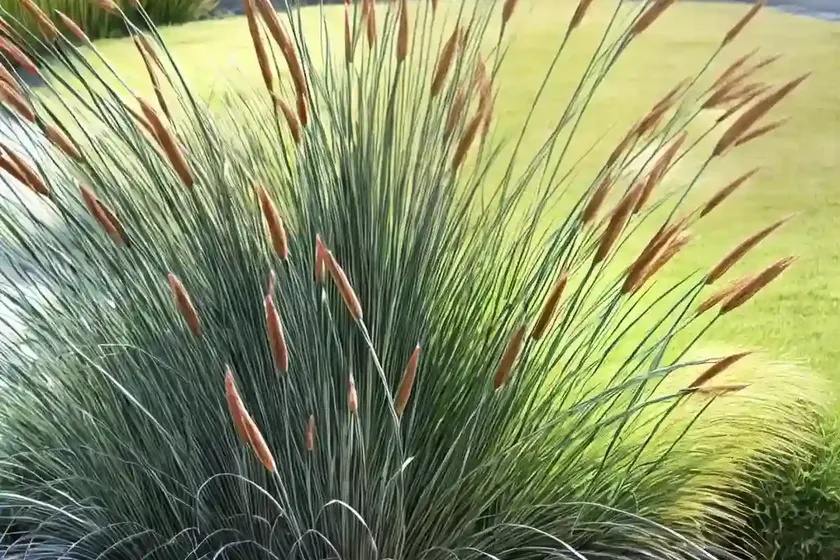
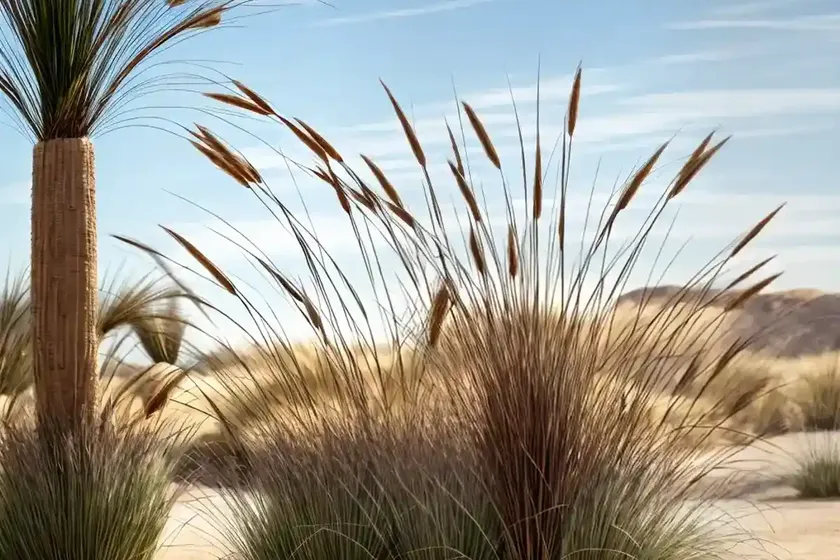
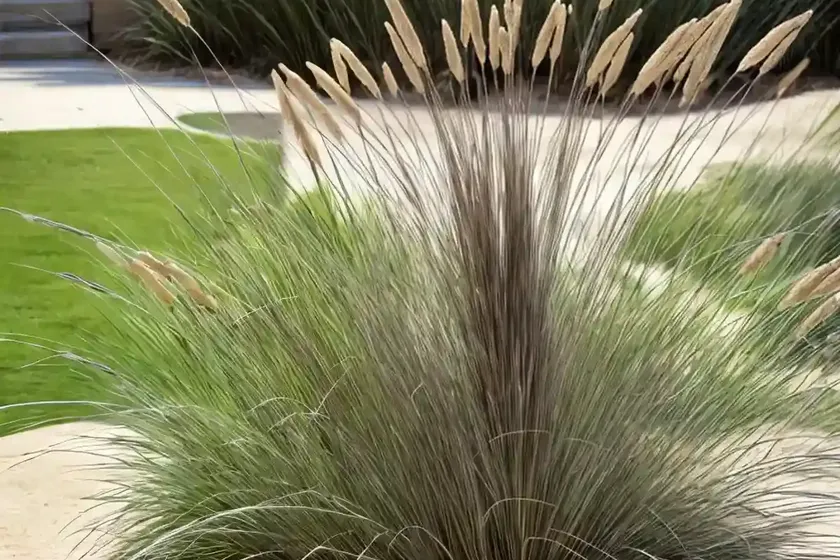
In the world of ornamental grasses, Pennisetum alopecuroides ‘Desert Plains’ stands out as a popular and versatile option. With its graceful foliage and impressive plumes, this cultivar of fountain grass is a valuable addition to gardens, landscapes, and container plantings. In this comprehensive plant guide, we will delve into the various aspects of its care, uses, cultural requirements, and much more. Whether you’re a seasoned gardener or just starting out, this guide will equip you with all the necessary knowledge to cultivate and appreciate Pennisetum alopecuroides ‘Desert Plains’ to its fullest potential.
Introduction to Pennisetum alopecuroides ‘Desert Plains’
Pennisetum alopecuroides, commonly known as fountain grass, belongs to the family Poaceae. The ‘Desert Plains’ cultivar is a notable variety appreciated for its distinct qualities, making it a sought-after choice for landscapers, gardeners, and horticulturists alike. This perennial grass is known for its graceful, arching foliage and striking, bottlebrush-like flower heads that emerge in late summer and persist into the fall.
Key Takeaways
Before we dive into the detailed aspects of Pennisetum alopecuroides ‘Desert Plains’, let’s take a quick look at some key aspects and characteristics that will be covered in this guide.
-
Pennisetum alopecuroides ‘Desert Plains’ (Fountain Grass):
- Plant Name: Pennisetum alopecuroides ‘Desert Plains’ (Fountain Grass)
- Common Name: Fountain Grass
- Plant Type: Perennial Ornamental Grass
-
Culture:
- Pennisetum alopecuroides ‘Desert Plains’ Characteristics
- Growing Pennisetum alopecuroides ‘Desert Plains’
- Planting Guide
- Maintenance Tips
- Pruning Techniques
- Winter Care
- Soil Preferences
- Growth Habit
- Growth Rate
- Disease Resistance
- Drought Tolerance
-
Uses:
- Best Uses for Pennisetum alopecuroides ‘Desert Plains’
- Landscape Design Ideas
- Container Gardening
- Wildlife Attractant
- Drought-Tolerant Landscaping
- Indoor Cultivation
-
Requirements:
- Water Preferences and Requirements
- Sunlight Preferences and Requirements
- Fertilizer Needs
- Pest Control
- Pruning Frequency
- Mulching Tips
- Water-Saving Tips
-
Propagation:
- How to Propagate Pennisetum alopecuroides ‘Desert Plains’
- Seed Collection
- Seed Starting
-
Common Diseases and Pests:
- Disease Prevention and Diagnosis
- Common Pests
- Deer Resistance
-
Botanist’s Tips:
- Companion Plants
- Landscape Design Ideas
- Companion Flowers
- Cold Hardiness
-
Fun Facts:
- Fascinating insights and trivia about Pennisetum alopecuroides ‘Desert Plains’
With these key takeaways in mind, let’s embark on an exploration of the enchanting world of Pennisetum alopecuroides ‘Desert Plains’.
What is Pennisetum alopecuroides ‘Desert Plains’?
Fountain Grass (Pennisetum alopecuroides ‘Desert Plains’) is an herbaceous perennial grass known for its graceful, arching foliage and striking flower heads. Native to Asia, Africa, and the Middle East, Pennisetum species are widely cultivated across temperate regions for their ornamental appeal and adaptability. The ‘Desert Plains’ variety is specifically valued for its compact and upright growth habit, making it suitable for various landscaping and horticultural applications.
Culture
Uses
Pennisetum alopecuroides ‘Desert Plains’ has a wide range of uses, making it a versatile and popular choice for gardeners and landscapers. Some of the key uses include:
- Best Uses: This fountain grass cultivar is well-suited for a range of uses, from mass plantings to mixed borders and containers.
- Landscape Design: Its graceful foliage and attractive plumes make it an excellent choice for landscaping, adding texture, movement, and visual interest to garden beds and borders.
- Container Gardening: Its compact growth habit and elegant appearance make it an ideal candidate for container plantings, adding ornamental value to patios, decks, and balconies.
- Wildlife Attractant: The plumes of Pennisetum alopecuroides ‘Desert Plains’ are a magnet for birds, making it a valuable addition to wildlife-friendly garden spaces.
- Drought-Tolerant Landscaping: With its tolerance to dry conditions, this fountain grass cultivar is an excellent choice for water-wise or xeriscape landscapes.
Water
Water plays a crucial role in the cultivation of Pennisetum ‘Desert Plains’. Understanding its water requirements is essential for maintaining healthy growth and appearance. Here are some important considerations regarding water:
- Water Preferences and Requirements: Pennisetum alopecuroides ‘Desert Plains’ exhibits moderate water needs. Adequate moisture is essential, especially during the establishment phase and periods of intense heat.
- Drought Tolerance: Once established, this cultivar displays good drought tolerance, making it a suitable choice for water-wise landscaping and gardens in arid or semi-arid regions.
- Water-Saving Tips: Mulching the base of the plant and providing deep, infrequent watering can help conserve moisture and promote water-efficient growth.
Sunlight
As with many ornamental grasses, sunlight requirements are a critical consideration when cultivating Pennisetum ‘Desert Plains’. Understanding its sunlight preferences is essential for ensuring robust growth and optimal performance. Here’s what you need to know about its sunlight requirements:
- Sunlight Preferences and Requirements: Pennisetum alopecuroides ‘Desert Plains’ thrives in full sun to partial shade. It performs best in locations with at least 6 hours of direct sunlight per day. In partial shade, it may exhibit slightly reduced flowering and less compact growth.
- Sunlight Tips: When planting Pennisetum ‘Desert Plains’, ensure that it receives adequate sunlight to promote healthy growth and abundant flowering.
Fertilizer
Providing appropriate nutrients is essential for promoting vigorous growth and vibrant appearance in Pennisetum ‘Desert Plains’. Understanding its fertilizer needs and application techniques is crucial for maintaining the plant’s health and ornamental appeal. Consider the following points related to fertilizer:
- Fertilizer Requirements: This fountain grass cultivar benefits from an annual application of a balanced, slow-release fertilizer in early spring. A general-purpose fertilizer with equal N-P-K (Nitrogen-Phosphorus-Potassium) ratio can support healthy growth and abundant flowering.
- Fertilizer Application: Apply the fertilizer evenly around the base of the plant and water thoroughly afterward to facilitate nutrient uptake. Avoid excessive use of high-nitrogen fertilizers, as they may promote overly lush foliage at the expense of flowering.
Soil
Understanding the soil preferences and requirements of Pennisetum ‘Desert Plains’ is crucial for creating an optimal growing environment and ensuring its long-term health and vigor. Take note of the following considerations regarding soil:
- Soil Preferences: This cultivar thrives in well-draining soil with a slightly acidic to neutral pH. Good drainage is essential to prevent waterlogging and root rot.
- Soil Amendments: Incorporating organic matter such as compost into the soil at the time of planting can improve its fertility, structure, and moisture-retention capacity. It also enhances the overall health of the plant.
Pruning
Proper pruning is essential for maintaining the vigor, appearance, and ornamental value of Pennisetum ‘Desert Plains’ throughout the year. Understanding the appropriate pruning techniques and timing is crucial for promoting healthy growth and prolific flowering. Consider the following insights related to pruning:
- Pruning Techniques: In late winter or early spring, prune the previous year’s growth to a few inches above the ground to allow for new growth to emerge. This rejuvenation pruning helps maintain the plant’s compact form and encourages fresh foliage and flowering.
- Pruning Frequency: As a general guideline, Pennisetum ‘Desert Plains’ can be pruned annually to remove old, dead vegetation and promote new growth. Regular grooming helps maintain its elegant appearance and prevents the accumulation of debris that can harbor pests and diseases.
Propagation
Propagating Pennisetum ‘Desert Plains’ can be an enriching horticultural endeavor, allowing you to expand your garden or landscape with new plants through cost-effective means. Here’s what you need to know about propagating this fountain grass cultivar:
- Propagation Methods: Pennisetum ‘Desert Plains’ can be propagated through division or by collecting and sowing its seeds. Division is typically carried out in early spring, while seed collection and sowing are best performed in late fall or early spring.
- Seed Collection: As the flowering heads mature and turn brown, the seeds can be collected and stored in a cool, dry place until the following spring for sowing.
Container Popularity & Common Diseases
Pennisetum alopecuroides ‘Desert Plains’ is often praised for its excellent performance in containers. Its compact growth habit, elegant appearance, and adaptability make it a popular choice for adding ornamental value to outdoor spaces, patios, decks, and balconies. When selecting a container for this fountain grass, ensure that it provides adequate drainage and sufficient space for root development. A well-draining potting mix formulated for ornamental grasses is ideal for potting and cultivating Pennisetum ‘Desert Plains’.
Common Diseases and Disease Diagnosis
Pennisetum alopecuroides ‘Desert Plains’ is generally resistant to most common diseases. However, it may occasionally encounter issues such as foliar diseases or fungal infections under conditions of high humidity and poor air circulation. Timely diagnosis and appropriate intervention are crucial for effectively managing any potential diseases. Regular inspection of the foliage and plumes can help detect early signs of disease, allowing for prompt treatment if necessary.
Common Pests
In addition to diseases, Pennisetum alopecuroides ‘Desert Plains’ may occasionally attract certain pests that can affect its overall health and appearance. Common pests that may target this fountain grass cultivar include aphids, grasshoppers, and spider mites. Regular monitoring of the plant and taking preventive measures, such as maintaining a clean and healthy growing environment, can help minimize the risk of pest infestations.
Botanist’s Tips
As a botanist, it’s always fascinating to explore the potential interactions and design possibilities of cultivating Pennisetum ‘Desert Plains’ within the context of a broader landscape or garden composition. Here are some tips and insights to consider when incorporating this cultivar into your horticultural endeavors:
- Companion Plants: Pairing Pennisetum ‘Desert Plains’ with flowering perennials, shrubs, or other ornamental grasses can create visually engaging combinations that add diversity and texture to the landscape.
- Landscape Design Ideas: When designing with Pennisetum ‘Desert Plains’, consider its growth habit, height, and flowering season to create harmonious and visually appealing arrangements.
- Companion Flowers: Selecting complementary flowers such as asters, salvias, or sedums can enhance the overall aesthetic impact of Pennisetum ‘Desert Plains’ and create striking color contrasts in the garden.
- Cold Hardiness: Despite its graceful appearance, Pennisetum ‘Desert Plains’ exhibits good cold hardiness, making it a valuable addition to gardens in temperate and cooler climates.
Fun Facts
Uncovering the fascinating aspects and trivia associated with Pennisetum ‘Desert Plains’ adds depth and appreciation to the experience of cultivating this ornamental grass. Here are some fun facts about this distinctive cultivar:
- The plumes of Pennisetum ‘Desert Plains’ are often used in dried floral arrangements, adding a touch of natural elegance to interior decor.
- This fountain grass cultivar is a popular choice for modern and contemporary garden designs, adding a sleek and architectural quality to outdoor spaces.
- Pennisetum ‘Desert Plains’ has a natural affinity for attracting beneficial pollinators, contributing to the ecological diversity and vitality of garden spaces.
- Its tolerance to dry conditions and adaptability to various soil types make it an ideal candidate for low-maintenance and water-wise landscapes.
Links to External Resources
To further enhance your understanding and appreciation of Pennisetum alopecuroides ‘Desert Plains’, explore the following resources for in-depth information, cultivation tips, and visual inspiration:
- Royal Horticultural Society – Pennisetum alopecuroides ‘Desert Plains’
- Missouri Botanical Garden – Pennisetum alopecuroides ‘Desert Plains’
- North Carolina State University Extension – Ornamental Grasses for Coastal Landscapes
- University of Florida IFAS Extension – Ornamental Grasses for the Central and North Florida Landscape
- American Society for the Prevention of Cruelty to Plants – Fountain Grass Cultivation Guide
Conclusion
Pennisetum alopecuroides ‘Desert Plains’ (Fountain Grass) encapsulates the allure and versatility of ornamental grasses, offering an array of aesthetic, ecological, and functional benefits to gardeners, landscapers, and horticulturists. Its graceful foliage, striking plumes, and adaptability make it an invaluable addition to gardens, landscapes, and container plantings, enriching outdoor spaces with its natural elegance and charm.
By understanding its cultural requirements, uses, and unique characteristics, you can cultivate Pennisetum alopecuroides ‘Desert Plains’ with confidence and appreciation. Whether in a formal garden, a naturalistic landscape, or a contemporary urban setting, the captivating presence of this fountain grass cultivar adds depth, movement, and visual interest to its surroundings, creating an enduring impression of natural beauty and tranquility.
As you embark on your journey with Pennisetum alopecuroides ‘Desert Plains’, may the insights and knowledge shared in this guide serve as a source of inspiration and guidance, enriching your horticultural endeavors and fostering a deeper connection with the captivating world of ornamental grasses.


