Pennisetum Alopecuroides ‘Burgundy Bunny’ (Fountain Grass)
Pennisetum alopecuroides, commonly known as Fountain Grass, is a stunning ornamental grass that adds texture, movement, and color to gardens and.
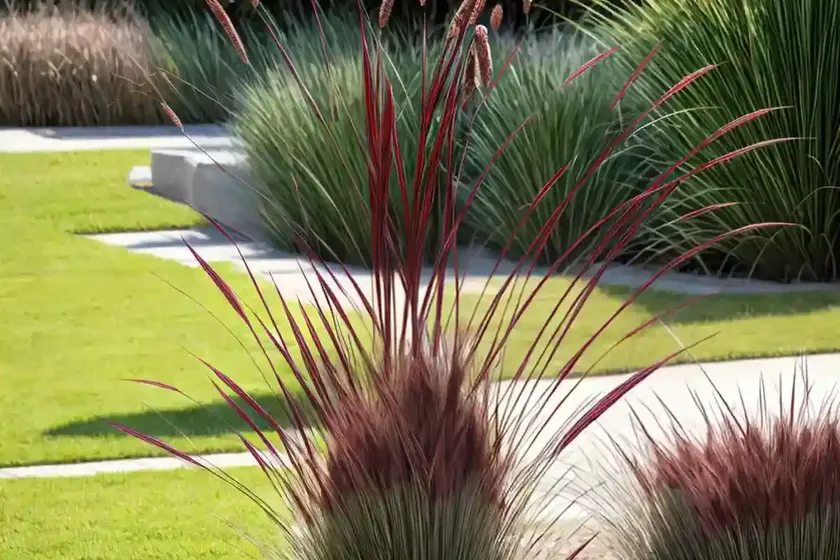
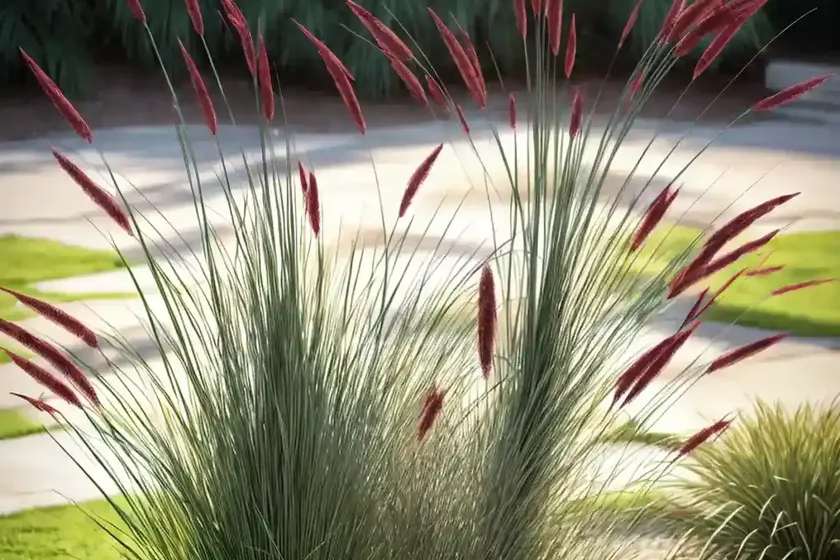
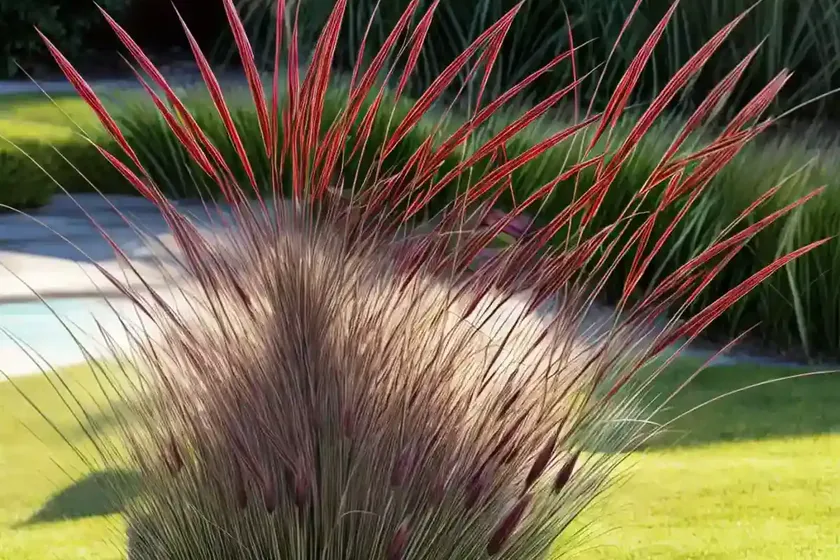
Pennisetum alopecuroides, commonly known as Fountain Grass, is a stunning ornamental grass that adds texture, movement, and color to gardens and landscapes. Among its numerous cultivars, ‘Burgundy Bunny’ stands out for its unique characteristics and versatility in various growing conditions. In this comprehensive guide, we will explore everything you need to know about this exceptional plant, from its cultural requirements to its landscape uses, maintenance tips, and much more.
What is Pennisetum alopecuroides ‘Burgundy Bunny’?
‘Pennisetum alopecuroides ‘Burgundy Bunny’‘ is a cultivar of the Fountain Grass species that is admired for its compact size, stunning burgundy-red foliage, and graceful fountain-like plumes. This perennial grass belongs to the family Poaceae and is native to Asia, Australia, and Africa. It is a clump-forming grass with an arching growth habit, making it an excellent choice for adding visual interest to container gardens, borders, and mass plantings.
The ‘Burgundy Bunny’ cultivar typically reaches a height and spread of 12 to 18 inches, making it a versatile option for a wide range of garden settings. Its stunning foliage and attractive plumes make it a popular choice for gardeners looking to add a touch of elegance and texture to their outdoor spaces.
Key Takeaways – Pennisetum alopecuroides ‘Burgundy Bunny’
Before delving into the details of care, uses, and characteristics of ‘Burgundy Bunny’ Fountain Grass, let’s summarize the key takeaways for quick reference:
- Plant Name: Pennisetum alopecuroides ‘Burgundy Bunny’ (Fountain Grass)
- Cultural Requirements: Water, Sunlight, Fertilizer, Soil, Pruning, and Propagation
- Uses: Landscape, Container, Companion Planting
- Common Diseases: Disease Resistance and Diagnosis
- Common Pests: Pest Control
- Botanist’s Tips: Maintenance, Growth Habits, and Seasonal Care
- Fun Facts: Interesting insights about the ‘Burgundy Bunny’ Fountain Grass
- Links to External Resources: Further reading and resources for additional information
Now, let’s explore each of these aspects in detail to gain a comprehensive understanding of cultivating and caring for Pennisetum alopecuroides ‘Burgundy Bunny’.
Cultural Requirements
Cultivating ‘Burgundy Bunny’ Fountain Grass successfully requires an understanding of its specific cultural needs, including water, sunlight, soil, fertilizer, pruning, and propagation techniques. Let’s delve into each of these aspects to ensure that you can create an ideal growing environment for this beautiful grass.
Water
Proper watering is crucial for the health and vitality of ‘Burgundy Bunny’ Fountain Grass. While this cultivar exhibits good drought tolerance once established, consistent moisture is essential during its establishment phase. It is important to water newly planted grass regularly, ensuring that the soil remains evenly moist but not waterlogged.
Watering Needs:
– Establishment Phase: Water deeply once or twice a week, depending on weather conditions and soil moisture levels.
– Mature Plants: Once established, ‘Burgundy Bunny’ Fountain Grass typically thrives with minimal supplemental watering in normal rainfall conditions. However, during prolonged periods of drought, providing occasional deep watering can help maintain its vigor and visual appeal.
Sunlight
‘Alopecuroides’ Fountain Grass thrives in full sun to partial shade, making it a versatile choice for various garden settings. When provided with ample sunlight, this grass exhibits its best growth habit, foliage color, and plume development.
Sunlight Requirements:
– Full Sun: Ideally, ‘Burgundy Bunny’ Fountain Grass should be planted in locations that receive at least 6-8 hours of direct sunlight per day for optimal growth and aesthetic appeal.
– Partial Shade: While it can tolerate some shade, the grass may have reduced foliage color intensity and plume production in shadier conditions.
Fertilizer
Fertilizing ‘Burgundy Bunny’ Fountain Grass can help promote healthy growth, vibrant foliage color, and robust plume development. However, this cultivar is relatively low-maintenance and can thrive in moderately fertile soils without excessive fertilization.
Fertilizer Recommendations:
– Timing: Apply a balanced, slow-release fertilizer in early spring to support the grass’s initial growth.
– Application: Spread the fertilizer evenly around the base of the plant, avoiding direct contact with the foliage, and water thoroughly to allow the nutrients to penetrate the soil.
Soil
The soil composition and drainage play a significant role in the overall health and vigor of ‘Burgundy Bunny’ Fountain Grass. Well-draining, loamy soils with a slightly acidic to neutral pH are ideal for promoting vigorous growth and minimizing the risk of root rot.
Soil Preferences:
– Drainage: Ensure that the planting site has good drainage to prevent waterlogging, especially during heavy rainfall or overwatering.
– pH Level: ‘Burgundy Bunny’ Fountain Grass thrives in slightly acidic to neutral soil conditions, ideally with a pH range of 6.0 to 7.0.
Pruning
Pruning and maintenance requirements for ‘Burgundy Bunny’ Fountain Grass are relatively minimal, making it a low-effort addition to garden landscapes. However, periodic grooming and pruning can help rejuvenate the plant, remove old growth, and maintain its compact, tidy appearance.
Pruning Tips:
– Spring Maintenance: In early spring, before the new growth emerges, cut back the previous year’s foliage to a few inches above the ground to encourage new growth and remove any winter-damaged or discolored foliage.
– Regular Removal: Throughout the growing season, removing spent plumes and any damaged or discolored foliage can help maintain the plant’s visual appeal.
Propagation
Propagating ‘Burgundy Bunny’ Fountain Grass can be achieved through division, allowing gardeners to expand their plantings or share the grass with fellow gardening enthusiasts. Division is best carried out in early spring, before the new growth starts to emerge.
Propagation Methods:
– Division: Carefully digging up the established clumps and dividing them into smaller sections, ensuring that each division has adequate roots and foliage for successful transplants.
Uses
‘Burgundy Bunny’ Fountain Grass offers versatile uses in garden landscapes, container gardens, and companion plantings, adding texture, color, and movement to outdoor spaces. Let’s explore its various uses to inspire creative applications in your gardening endeavors.
Landscape Uses
In landscape settings, ‘Burgundy Bunny’ Fountain Grass serves as an attractive ornamental accent, border plant, or mass planting, contributing visual interest and dynamic texture to garden compositions. Its compact size and vibrant foliage make it an excellent choice for smaller gardens, rockeries, and urban landscapes.
Landscape Applications:
– Border Plant: Planting ‘Burgundy Bunny’ along garden borders or walkways adds a touch of elegance and softness to the landscape.
– Mass Planting: When planted in groups, this grass creates a stunning visual impact, especially when the plumes sway gently in the breeze.
Container Planting
The compact growth habit and striking foliage of ‘Burgundy Bunny’ Fountain Grass make it an ideal candidate for container gardening. Whether used as a standalone feature or combined with other ornamental plants, it adds a captivating presence to patio areas, balconies, or outdoor living spaces.
Container Gardening Ideas:
– Thriller Element: Use ‘Burgundy Bunny’ as a “thriller” element in container arrangements, providing height and visual interest.
– Mixed Containers: Pair it with flowering annuals or trailing plants to create eye-catching mixed container displays.
Companion Planting
When selecting companion plants for ‘Burgundy Bunny’ Fountain Grass, consider options that complement its color, texture, and growth habit. By choosing suitable companions, you can create harmonious plant combinations that enhance the overall visual appeal of the garden.
Companion Plant Selection:
– Contrasting Foliage: Pair with plants featuring contrasting foliage colors, such as golden-hued flowers or silvery foliage, to create dynamic contrasts.
– Textural Complements: Select plants with fine or broad textures to create visual balance and interest when grown alongside ‘Burgundy Bunny’.
Common Diseases and Pest Control
‘Burgundy Bunny’ Fountain Grass exhibits good resistance to diseases, making it a relatively low-maintenance choice for garden landscapes. However, as with any plant, occasional pest issues and environmental stressors can affect its health and aesthetics. Understanding common diseases and pests, along with effective control measures, can help ensure the plant’s long-term vitality and visual appeal.
Disease Resistance and Diagnosis
Pennisetum alopecuroides ‘Burgundy Bunny’ is generally resilient to most common grass diseases. However, it is important to monitor the plant for any signs of stress, discoloration, or abnormal growth, which may indicate underlying disease issues.
Common Diseases:
– Leaf Spot: Keep an eye on the foliage for any signs of irregular spotting or discoloration, commonly caused by fungal pathogens in high-humidity conditions.
– Rust: Rust diseases may occur in unfavorable growing conditions, leading to the development of orange-brown pustules on the foliage.
Disease Diagnosis:
– Visual Inspection: Regularly inspect the foliage for any unusual discoloration, spotting, or abnormalities.
– Prompt Treatment: If disease symptoms are observed, promptly remove affected foliage and ensure optimal growing conditions to support the plant’s recovery.
Pest Control
Although ‘Burgundy Bunny’ Fountain Grass is relatively resistant to pest infestations, occasional encounters with common garden pests may occur. Implementing preventive measures and promptly addressing any pest issues can help maintain the plant’s health and aesthetic appeal.
Common Pests:
– Aphids: These small, sap-feeding insects may occasionally colonize the new growth or plumes of the grass, leading to distorted growth and honeydew secretion.
– Grasshoppers: In some regions, grasshoppers may feed on the foliage and cause visible damage, especially during periods of population surge.
Pest Management:
– Natural Predators: Encourage natural predators, such as ladybugs and lacewings, to help control aphid populations.
– Physical Exclusion: If grasshopper damage is observed, consider using physical barriers or row covers to protect the grass from feeding damage.
Botanist’s Tips
To ensure the successful cultivation and long-term health of Pennisetum alopecuroides ‘Burgundy Bunny’, consider the following botanist’s tips and guidelines for optimal growth, maintenance, and seasonal care.
Maintenance Schedule
Establishing a regular maintenance routine for ‘Burgundy Bunny’ Fountain Grass can help promote its long-term health, vitality, and aesthetic appeal. From pruning to seasonal care, maintaining a consistent schedule can contribute to the plant’s overall well-being.
Maintenance Tasks:
– Spring: Cut back the grass to a few inches above the ground to remove previous year’s growth and encourage new shoots to emerge.
– Summer: Remove spent plumes and any damaged or discolored foliage to maintain a tidy appearance.
– Fall: Consider dividing and transplanting mature clumps to rejuvenate the grass and expand its presence in the garden.
Growth Habits
Understanding the natural growth habits and tendencies of ‘Burgundy Bunny’ Fountain Grass can help anticipate its development, plan for adequate space, and make informed decisions about companion planting and garden design.
Growth Characteristics:
– Clump-forming: ‘Burgundy Bunny’ exhibits a clump-forming growth habit, gradually expanding its presence through underground rhizomes while maintaining a tidy and non-invasive nature.
– Arching Foliage: The arching, burgundy-red foliage of the grass adds a graceful and dynamic element to garden compositions, especially when caught by the gentle breeze.
Seasonal Care
Adapting care practices and maintenance routines according to seasonal changes is essential for supporting the plant’s growth, appearance, and resilience throughout the year.
Seasonal Considerations:
– Spring: Prune back the grass and apply a balanced, slow-release fertilizer to support the emergence of new growth.
– Summer: Monitor moisture levels and ensure adequate watering during prolonged periods of drought to support the grass’s vigor.
– Fall: Consider division and transplanting to rejuvenate the plant and create new plantings in the garden.
Fun Facts
‘Burgundy Bunny’ Fountain Grass offers intriguing characteristics and qualities that add to its appeal and desirability in garden landscapes. Here are some fun and interesting facts about this captivating cultivar:
- The playful name “Burgundy Bunny” reflects the compact size and graceful, arching growth habit of the grass, evoking images of a lively and dynamic garden presence.
- The burgundy-red foliage intensifies in color as the growing season progresses, offering evolving visual interest and vibrant hues that enhance garden compositions.
- The graceful plumes of ‘Burgundy Bunny’ Fountain Grass sway gently in the breeze, creating mesmerizing movements that add a dynamic and kinetic element to the garden.
Links to External Resources
To further expand your knowledge and understanding of Pennisetum alopecuroides ‘Burgundy Bunny’ and its cultivation, uses, and maintenance, consider exploring the following external resources:
- The American Horticultural Society: Fountain Grass ‘Burgundy Bunny’
- University Extension Services: Growing Ornamental Grasses
- Royal Horticultural Society: Grasses – Planting and Care
- Gardening Forums and Communities: Fountain Grass Enthusiasts
Conclusion
Pennisetum alopecuroides ‘Burgundy Bunny’ (Fountain Grass) stands out as an exceptional ornamental grass, offering a delightful combination of vibrant foliage, graceful plumes, and versatile uses in garden landscapes. By understanding its cultural requirements, landscape uses, pest and disease management, and botanist’s tips, you can cultivate and enjoy the beauty of ‘Burgundy Bunny’ in your outdoor spaces with confidence and success. Whether used as a standout feature in a container garden or incorporated into dynamic landscape compositions, this enchanting grass cultivar brings a touch of elegance and movement to gardens of all styles and sizes.
Now that you have a comprehensive understanding of ‘Burgundy Bunny’ Fountain Grass, it’s time to explore its full potential in your gardening endeavors and create captivating outdoor spaces that celebrate its unique attributes and visual appeal.


