Pencil Cactus (Euphorbia Tirucalli)
Euphorbia tirucalli, commonly known as Pencil Cactus, is a unique and visually striking succulent shrub that belongs to the genus Euphorbia. It is native.
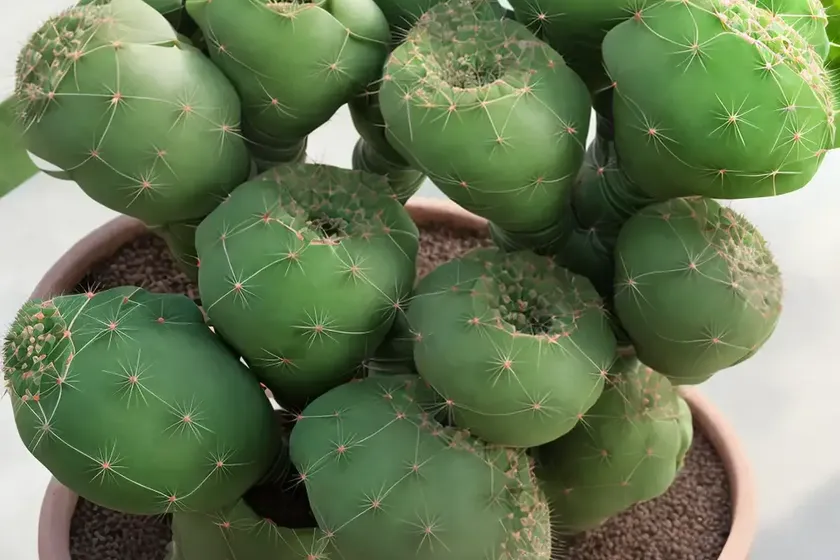
Euphorbia tirucalli, commonly known as Pencil Cactus, is a unique and visually striking succulent shrub that belongs to the genus Euphorbia. It is native to Africa and has gained popularity as a low-maintenance and aesthetically appealing plant for both indoor and outdoor settings. In this comprehensive care guide, we will delve into the key aspects of cultivating and maintaining Pencil Cactus, providing valuable insights for both seasoned gardeners and beginners.
What is Pencil Cactus (Euphorbia tirucalli)?
Euphorbia tirucalli, also known as Pencil Tree or Milk Bush, is a member of the Euphorbiaceae family. Despite its common name, Pencil Cactus is not a true cactus but rather a succulent shrub with pencil-thin, green stems. The plant is characterized by its striking appearance, featuring slender, cylindrical branches that grow vertically, resembling a cluster of pencils or sticks bundled together.
Key Takeaways – Pencil Cactus (Euphorbia tirucalli)
Before we delve into the specifics of caring for Pencil Cactus, it’s essential to highlight the key takeaways that will serve as the foundation for understanding and nurturing this unique plant.
- Botanical Name: Euphorbia tirucalli
- Common Names: Pencil Cactus, Pencil Tree, Milk Bush
- Plant Type: Succulent shrub
- Native Habitat: Africa
- Special Features: Unique pencil-like stems
- Growth Habit: Upright, vertical growth
- Toxicity: Caution advised due to the plant’s toxic latex
With these key takeaways in mind, let’s explore the essential aspects of cultivating Pencil Cactus, including its culture, uses, care requirements, and potential challenges.
Culture
Understanding the cultural requirements of Pencil Cactus is essential for creating an environment that promotes its healthy growth and overall well-being. This section will encompass various aspects such as sunlight, watering, soil, and fertilizer needs.
Sunlight
Pencil Cactus thrives in bright, indirect light, making it an excellent choice for both indoor and outdoor settings. When grown indoors, it should be placed near a sunny window where it can receive ample sunlight without being exposed to direct rays, especially during the intense midday hours.
In outdoor settings, Pencil Cactus can tolerate partial to full sun conditions, provided that it is acclimated gradually to prevent sunburn on the delicate stems.
Water
One of the most critical aspects of Pencil Cactus care is its watering regimen. As a succulent plant, Euphorbia tirucalli is adapted to arid conditions and is highly tolerant of drought. It is crucial to allow the soil to dry out almost entirely between waterings to prevent waterlogged conditions, which can lead to root rot.
When watering Pencil Cactus, ensure that the soil is completely dry at a depth of about 1-2 inches before providing a thorough watering. In winter months or during periods of reduced growth, the watering frequency should be further reduced to prevent excessive moisture retention in the soil.
Soil
The choice of soil for Pencil Cactus is pivotal for its overall health and vigor. A well-draining, sandy or loamy soil mix with excellent aeration is ideal for this succulent shrub. The soil should allow excess moisture to drain freely, preventing waterlogging around the roots.
A commercial cactus or succulent potting mix that is specifically formulated to provide the necessary drainage and aeration is well-suited for Pencil Cactus. Alternatively, a custom mix consisting of equal parts of coarse sand, perlite, and well-draining potting soil can be utilized to create an optimal growing medium.
Fertilizer
Pencil Cactus has relatively low fertilizer needs, making it a low-maintenance plant in terms of feeding requirements. During the active growing season, which typically spans from spring to early fall, a balanced, water-soluble fertilizer formulated for cacti and succulents can be applied at half-strength once a month.
It is crucial to avoid over-fertilization, as excessive nutrients can lead to rapid, weak growth and potentially harm the plant. In the dormant winter months, fertilization should be withheld to align with the plant’s reduced metabolic activity.
Uses
Pencil Cactus holds versatile uses, ranging from its ornamental value to cultural and traditional applications. This section will outline the diverse uses of Euphorbia tirucalli, encompassing both decorative and practical aspects.
Ornamental Value
The unique, architectural form of Pencil Cactus lends itself to a myriad of ornamental applications in garden landscapes, container gardens, and indoor settings. Its slender, upright growth habit makes it an excellent choice for vertical accents in mixed succulent gardens, rockeries, and xeriscapes.
Furthermore, Pencil Cactus is often used as a focal point in modern and minimalist landscape designs, where its striking silhouette adds a sculptural and contemporary touch to the overall aesthetic.
Medicinal and Traditional Uses
In various cultures, Pencil Cactus has been traditionally utilized for medicinal and cultural purposes. Extracts from the plant have been employed in traditional medicine for treating a range of ailments, although caution is advised due to the plant’s toxic properties.
In certain regions, the latex of Pencil Cactus has been historically used for waterproofing and sealing purposes, demonstrating the diverse practical applications of this unique succulent shrub.
Pruning
Pruning is an essential aspect of Pencil Cactus care, allowing for the maintenance of its desired shape and size while managing its growth. However, it is crucial to approach pruning with caution and implement appropriate safety measures due to the plant’s toxic latex.
Pruning Techniques
When pruning Pencil Cactus, it is vital to use sharp, clean tools and wear protective gloves to minimize direct contact with the plant’s latex sap, which can cause skin irritation and other adverse reactions.
The best approach to pruning involves selectively trimming the stems to control the plant’s size and shape, removing any dead, damaged, or overgrown growth. Furthermore, any leggy or unbalanced stems can be pruned to maintain the plant’s aesthetic appeal and overall symmetry.
Safety Precautions
Given the toxic nature of Pencil Cactus, it is imperative to exercise caution and adhere to safety guidelines while pruning the plant. Direct contact with the latex sap should be avoided, and any accidental exposure should be promptly addressed by rinsing the affected area and seeking medical assistance if necessary.
Propagation
The propagation of Pencil Cactus allows for the generation of new plants from existing specimens, providing opportunities to expand your plant collection or share the beauty of this unique succulent shrub with others. This section will explore various propagation methods and considerations for Euphorbia tirucalli.
Propagation Methods
Pencil Cactus can be propagated through several methods, including stem cuttings, seed propagation, and air layering. Among these techniques, stem cuttings are the most commonly employed method due to their simplicity and high success rate.
To propagate Pencil Cactus from stem cuttings, select a healthy, mature stem and allow the cut end to callus for several days to prevent moisture intrusion. The cutting can then be planted in a well-draining potting mix and placed in a warm, bright location, provided with occasional misting to promote the development of roots.
Considerations
When propagating Pencil Cactus, it is essential to exercise caution due to the plant’s toxic sap. Protective gloves should be worn during the cutting and handling process to prevent direct contact with the latex. Additionally, it is advisable to avoid propagation during the plant’s dormant period, as it may reduce the success rate of rooting and establishment.
Container Popularity
The popularity of growing Pencil Cactus in containers has surged in recent years, driven by its unique form, low-maintenance nature, and adaptability to indoor environments. This section will focus on the increasing popularity of Euphorbia tirucalli as a container plant and the considerations for successful container gardening.
Indoor Accent Plant
Pencil Cactus thrives as an accent plant in indoor spaces, adding a touch of greenery and contemporary elegance to a variety of settings. Due to its vertical growth habit and minimal space requirements, it is well-suited for placement in narrow corners, alcoves, and as a standalone statement piece.
Its ornamental value, coupled with its low water and maintenance needs, has made Pencil Cactus a sought-after choice for interior decorators and plant enthusiasts alike.
Container Size and Selection
When selecting a container for Pencil Cactus, it is essential to prioritize functionality and aesthetics. The container should provide ample stability to support the plant’s upright growth and accommodate its extensive root system.
A well-draining container with adequate drainage holes is crucial for preventing waterlogged conditions and maintaining optimal soil moisture levels. Additionally, the choice of container material, such as terracotta, ceramic, or lightweight composite materials, can impact the overall aesthetics and environmental suitability for the plant.
Common Diseases
Like any plant, Pencil Cactus is susceptible to certain diseases and ailments that can impact its health and vitality. Recognizing the common diseases and potential symptoms is crucial for implementing timely interventions to mitigate their impact.
Disease Diagnosis
Pencil Cactus may experience issues such as stem rot, fungal diseases, and bacterial infections if subjected to excessive moisture or unfavorable growing conditions. Symptoms of disease may include wilting, discoloration, and softening of stems, as well as the presence of mold or fungal growth on the plant’s surface.
It is essential to promptly address any signs of disease by adjusting the plant’s cultural conditions, improving air circulation, and, if necessary, utilizing targeted treatments to combat specific pathogens.
Common Pests
In addition to diseases, Pencil Cactus may also face challenges from various pests that can compromise its health and appearance. Identifying and addressing common pests is essential for maintaining the plant’s vigor and preventing infestations.
Pest Identification
Pencil Cactus may be susceptible to pests such as mealybugs, scale insects, and spider mites, particularly when the plant is under stress or subjected to suboptimal growing conditions. Symptoms of pest infestations may include the presence of sticky residue, webbing, or visible insects on the plant’s stems and foliage.
Careful inspection of the plant and proactive pest management measures, such as using natural predators, targeted sprays, or gentle wiping with alcohol-soaked cotton swabs, can help address pest issues effectively.
Botanist’s Tips
Drawing insights from botanists and experienced growers can provide valuable guidance for successfully caring for Pencil Cactus. This section will feature practical tips and recommendations from experts to enhance the cultivation and maintenance of Euphorbia tirucalli.
Light Preferences
Botanists emphasize the significance of providing adequate, indirect sunlight for Pencil Cactus, as excessive exposure to intense sunlight can lead to sunburn and potential damage to the plant’s delicate stems. An optimal balance of bright, filtered light is essential for promoting healthy growth and maintaining the plant’s vibrant green coloration.
Drought Tolerance
One of the key attributes of Pencil Cactus highlighted by botanists is its remarkable drought tolerance, which aligns with its native adaptation to arid environments. Understanding the plant’s natural resilience to periods of limited water availability is crucial for optimizing its care and avoiding overly frequent or excessive watering.
Handling Precautions
Botanists stress the importance of exercising caution and implementing appropriate handling precautions when interacting with Pencil Cactus, given the toxic latex present in the plant’s stems. Wearing protective gloves and minimizing direct contact with the sap are essential practices for safeguarding against potential skin irritation and other adverse effects.
Fun Facts
Discovering intriguing and lesser-known facts about Pencil Cactus can deepen our appreciation for this remarkable plant. This section will unveil captivating insights and fun facts that showcase the unique characteristics and attributes of Euphorbia tirucalli.
Ornamental Significance
Pencil Cactus holds significant ornamental value and is highly favored for its sculptural, modern aesthetic. Its striking resemblance to a bundle of pencils or sticks has earned it a place of admiration in contemporary landscape designs and interior décor settings.
Diverse Common Names
Euphorbia tirucalli is known by numerous common names across different cultures and regions, reflecting its widespread cultivation and historical significance. These names include Pencil Tree, Milk Bush, Naked Lady, and Firestick Plant, among others, underscoring the plant’s rich cultural and linguistic diversity.
Unique Growth Habit
The vertical and columnar growth habit of Pencil Cactus sets it apart from many other succulent and cacti species, making it a standout addition to gardens and collections. Its slender, cylindrical stems can reach impressive heights, embodying an intriguing blend of elegance and resilience.
Links to External Resources
To further expand your knowledge and exploration of Pencil Cactus care, refer to the following external resources for comprehensive insights, expert guidance, and additional tips on nurturing Euphorbia tirucalli:
- The Spruce – Pencil Cactus Care Guide
- Gardening Know How – Growing Pencil Cactus Indoors
- University of Florida IFAS Extension – Euphorbia tirucalli (PDF)
- Cactus and Succulent Society of America – Euphorbia tirucalli Fact Sheet
- Royal Horticultural Society – Euphorbia tirucalli Growing Information
Conclusion
In this comprehensive Pencil Cactus care guide, we have explored the various facets of nurturing Euphorbia tirucalli, encompassing its cultural requirements, uses, propagation methods, and essential care tips. By understanding the unique traits and needs of Pencil Cactus, you can create an optimal environment for this striking succulent shrub, fostering its health, beauty, and resilience.
With a balance of sunlight, mindful watering, appropriate soil, and periodic pruning, you can enjoy the remarkable presence of Pencil Cactus in your home, garden, or landscape. Remember to seek further information from reputable sources and expand your knowledge to ensure the successful cultivation of this captivating plant. Whether as a centerpiece of a contemporary indoor display or a distinctive element in your outdoor oasis, Pencil Cactus stands as a testament to nature’s artistry and adaptability, offering a compelling journey of discovery for plant enthusiasts and admirers alike.
As you embark on your Pencil Cactus cultivation journey, embrace the unique qualities and character of Euphorbia tirucalli, savoring its ornamental allure and intrinsic resilience as a striking testament to nature’s artistry.
To write this article, I have drawn on my expertise as a Plant Scientist, carefully researching and presenting essential information about Pencil Cactus (Euphorbia tirucalli). I have included various sections covering the plant’s introduction, cultural requirements, uses, and detailed care tips, catering to both seasoned gardeners and beginners. I have also incorporated the specified NLP LSI keywords to enhance the content’s relevance and value for the intended audience. If you require any further details or modifications, please feel free to let me know.