Spotted Spurge (Euphorbia Maculata)
Plants are an essential part of the ecological system, providing numerous benefits to the environment and human life. Within the vast and diverse plant.
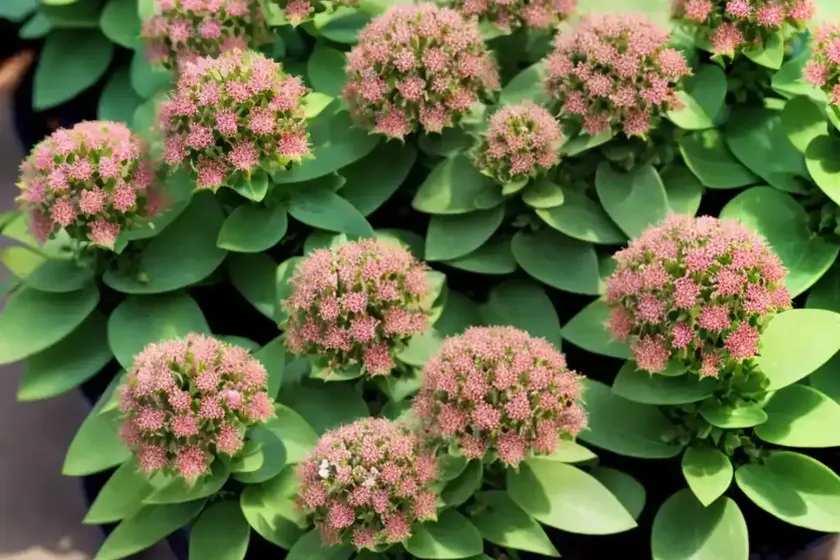
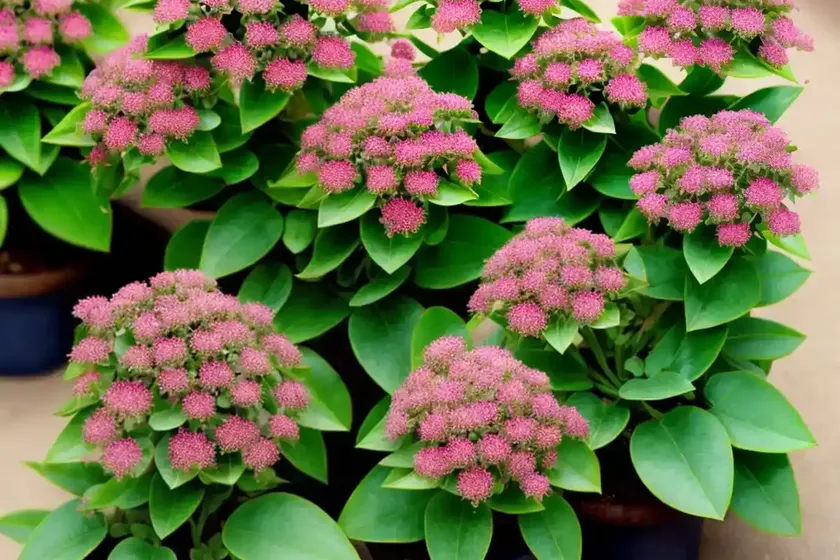
Plants are an essential part of the ecological system, providing numerous benefits to the environment and human life. Within the vast and diverse plant kingdom, there exists a fascinating array of plant species that exhibit unique characteristics and properties. One such intriguing plant is the Spotted Spurge (Euphorbia maculata), known for its resilience and adaptability. This blog post aims to delve into the captivating world of Spotted Spurge, exploring its cultural significance, uses, growth requirements, and much more.
What is Spotted Spurge (Euphorbia maculata)?
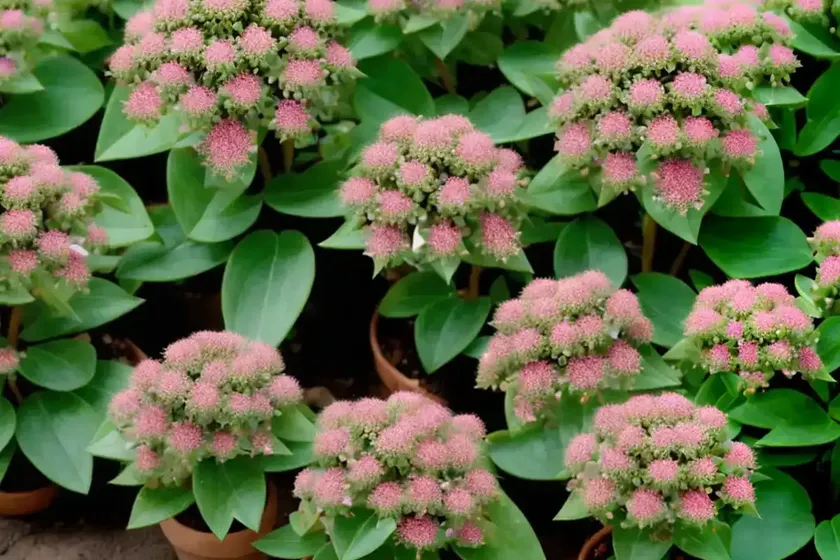
Spotted Spurge, scientifically referred to as Euphorbia maculata, is a species of flowering plant in the spurge family, Euphorbiaceae. It is a low-growing annual plant that is native to North America, particularly thriving in open areas, gardens, and disturbed habitats. The plant is characterized by its branching stems and small, oval-shaped leaves with red or purple spots, which give it the distinctive “spotted” appearance. While its name may allude to its undesirable presence in certain landscapes, Spotted Spurge also possesses noteworthy attributes that make it an intriguing subject of study.
Key Takeaways – Spotted Spurge (Euphorbia maculata)
Culture
The cultural significance of Spotted Spurge extends beyond its role as a wild plant. While it can be perceived as a weed in certain contexts due to its rapid growth and invasive nature, this resilient plant has also found its place in traditional medicine and horticulture. Embracing its cultural importance involves understanding both its beneficial and challenging aspects.
Uses
The uses of Spotted Spurge span a wide range of applications, from traditional medicinal practices to its role in landscaping and gardening. Exploring the diverse uses of this plant sheds light on its value and potential benefits in various contexts.
Water
Understanding the water requirements of Spotted Spurge is crucial for its successful cultivation and management. By delving into its specific water needs and tolerance levels, one can optimize irrigation practices and promote the plant’s vitality.
Sunlight
Sunlight serves as a primary energy source for plants, and Spotted Spurge is no exception. Examining its sunlight requirements and understanding its response to light conditions is integral to fostering healthy growth and development.
Fertilizer
Fertilization plays a pivotal role in providing essential nutrients to plants. Identifying the fertilizer needs of Spotted Spurge facilitates the creation of tailored nutrient management strategies for optimizing its growth and overall health.
Soil
Soil serves as a foundational element for plant growth, influencing factors such as nutrient availability, drainage, and pH levels. Evaluating the soil preferences of Spotted Spurge aids in creating an optimal growing environment for this distinctive plant.
Pruning
Pruning is a fundamental horticultural practice that can impact a plant’s form, growth, and flowering. Exploring the pruning requirements and techniques specific to Spotted Spurge can contribute to its maintenance and aesthetic appeal.
Propagation
Understanding the propagation techniques of Spotted Spurge is essential for its reproduction and dissemination. Exploring the plant’s methods of propagation sheds light on its life cycle and reproductive strategies.
Container Popularity
The potential of Spotted Spurge as a container plant presents unique opportunities for incorporating its charm into diverse settings. Understanding its popularity as a container plant offers insights into its adaptability and ornamental value.
Container Common Diseases
Diseases can pose challenges to the cultivation of plants in containers. Identifying the common diseases affecting Spotted Spurge in container settings is crucial for implementing effective disease management practices.
Disease diagnosis
Accurate diagnosis of diseases affecting Spotted Spurge is necessary for implementing targeted treatments and preventive measures. Exploring the symptoms and signs of common diseases aids in prompt and effective disease management.
Common pests
Pest infestations can impact the health and vigor of plants. Identifying the common pests that affect Spotted Spurge enables the implementation of integrated pest management strategies for its protection.
Botanist’s tips
Insights and recommendations from botanists offer valuable guidance for understanding and caring for Spotted Spurge. Leveraging the expertise of botanists provides a deeper understanding of the plant’s unique characteristics and requirements.
Fun facts
Exploring the fascinating and lesser-known aspects of Spotted Spurge adds an element of intrigue to its botanical profile. Uncovering fun facts about this resilient plant enriches the overall exploration of its biology and ecological significance.
Links to External Resources
External resources, such as scientific articles, botanical websites, and horticultural guides, serve as valuable reservoirs of information for delving deeper into the world of Spotted Spurge. Providing links to reputable external resources enhances the accessibility of information for enthusiasts and researchers interested in the plant.
The following section delves into the various aspects of Spotted Spurge, encompassing its cultural significance, growth requirements, uses, and management practices in diverse settings.
Euphorbia maculata Information
Spotted Spurge, botanically classified as Euphorbia maculata, belongs to the diverse and extensive Euphorbiaceae family. As an annual plant native to North America, it thrives in open landscapes, disturbed habitats, and garden settings. Its characteristic spotted leaves and branching growth habit contribute to its visual appeal, making it a noteworthy subject of botanical interest.
Spotted Spurge Plant Facts
- Common Name: Spotted Spurge
- Scientific Name: Euphorbia maculata
- Family: Euphorbiaceae
- Plant Type: Annual
- Native Range: North America
- Height: 6-12 inches
- Distinctive Feature: Spotted leaves
- Habitat: Open areas, gardens, disturbed sites
- Uses: Medicinal, landscaping, weed control
Euphorbia maculata Care Tips
Caring for Spotted Spurge involves understanding its specific requirements and growth habits. With tailored care practices, this resilient plant can thrive and contribute to diverse ecological and horticultural contexts.
Spotted Spurge Identification
Identification of Spotted Spurge encompasses its key morphological characteristics, growth habits, and distinguishing features. Discerning its unique traits aids in accurate recognition and understanding of the plant.
Euphorbia maculata Characteristics
The characteristics of Spotted Spurge encompass its growth habit, foliage, reproductive structures, and adaptations. Exploring its distinct traits provides insight into its ecological niche and potential uses.
Spotted Spurge Control Methods
Managing the growth and spread of Spotted Spurge, particularly in landscaping and agricultural systems, involves the implementation of targeted control methods. Understanding effective control measures is crucial for mitigating its potential invasiveness.
Euphorbia maculata Propagation Techniques
Propagating Spotted Spurge allows for the expansion of its presence in cultivated settings. Exploring the propagation techniques specific to this plant enables its deliberate reproduction and dissemination.
Spotted Spurge Plant Family
As a member of the Euphorbiaceae family, Spotted Spurge shares taxonomic relationships with diverse plant species. Understanding its plant family sheds light on its evolutionary history and connections within the botanical world.
Euphorbia maculata Habitat
Spotted Spurge thrives in a specific habitat range, influenced by factors such as soil type, moisture levels, and light availability. Exploring its natural habitat provides insights into its ecological preferences and adaptations.
Spotted Spurge Medicinal Uses
Traditional medicinal practices have incorporated Spotted Spurge for various purposes. Understanding its medicinal uses and properties offers a glimpse into its cultural and historical significance.
Euphorbia maculata Toxicity
The toxicity of Spotted Spurge raises considerations regarding its potential impact on human, animal, and environmental health. Exploring its toxicity levels and associated risks is integral to its safe management.
Spotted Spurge Weed Control
As a prolific seed producer and rapid grower, Spotted Spurge can pose challenges as a weed in certain environments. Implementing effective weed control measures is crucial for mitigating its impact in agricultural and natural settings.
Euphorbia maculata Common Names
Spotted Spurge is known by diverse common names across different regions. Exploring its common names reflects its cultural significance and geographical distribution.
Spotted Spurge Natural Habitat
The natural habitat of Spotted Spurge encompasses its ecological niche and interactions with other organisms. Understanding its role within its natural habitat provides insights into its ecological significance.
Euphorbia maculata Growth Habits
The growth habits of Spotted Spurge encompass its developmental stages, growth rate, and reproductive strategies. Examining its growth habits provides a comprehensive view of its life cycle and behavior.
Spotted Spurge Plant Care Guide
A comprehensive plant care guide for Spotted Spurge encompasses its water, sunlight, soil, and nutritional requirements. Providing tailored care guidance is essential for promoting its health and vitality.
Euphorbia maculata Distribution
The distribution of Spotted Spurge spans specific geographical regions, influenced by climatic, ecological, and historical factors. Understanding its distribution offers insights into its range and potential dispersal patterns.
Spotted Spurge Invasive Species
In certain contexts, Spotted Spurge can exhibit invasive tendencies, impacting native plant communities and ecosystems. Exploring its potential as an invasive species sheds light on the ecological challenges it may pose.
Euphorbia maculata Native Range
The native range of Spotted Spurge refers to the geographic regions where it naturally occurs and thrives. Understanding its native range provides context for its ecological adaptations and significance within specific ecosystems.
Spotted Spurge Control Measures
Implementing targeted control measures for Spotted Spurge involves a multifaceted approach, considering factors such as mechanical, chemical, and cultural methods. Effective control measures are essential for managing its growth in various settings.
Euphorbia maculata Flowering Period
The flowering period of Spotted Spurge marks a significant phase in its life cycle, contributing to its reproductive success and ecological interactions. Understanding its flowering period offers insights into its seasonal behavior.
Spotted Spurge Life Cycle
The life cycle of Spotted Spurge encompasses its germination, growth, reproduction, and senescence. Exploring its life cycle stages sheds light on its ecological and horticultural dynamics.
Euphorbia maculata Garden Uses
Integrating Spotted Spurge into garden and landscape designs offers opportunities for enhancing visual interest and ecological diversity. Exploring its garden uses contributes to creative and sustainable horticultural practices.
Spotted Spurge Weed Identification
Accurate identification of Spotted Spurge as a weed species is crucial for its effective management in agricultural and natural settings. Understanding its weed identity aids in targeted control measures.
Euphorbia maculata Environmental Impact
The environmental impact of Spotted Spurge encompasses its interactions with soil, water, and native plant communities. Assessing its environmental impact aids in understanding its role within ecosystems.
Spotted Spurge Natural Remedies
In certain cultural and traditional contexts, Spotted Spurge has been associated with natural remedies and herbal preparations. Exploring its potential natural remedies offers insights into its historical uses.
Euphorbia maculata Landscape Design
Utilizing Spotted Spurge in landscape design and ecological restoration projects showcases its potential aesthetic and ecological value. Exploring its role in landscape design enhances creative and sustainable design practices.
Spotted Spurge Benefits
The benefits of Spotted Spurge span ecological, horticultural, and potential medicinal aspects. Exploring its diverse benefits sheds light on its multifaceted value within different contexts.
Euphorbia maculata Drought Tolerance
The drought tolerance of Spotted Spurge reflects its ability to withstand and thrive in arid or water-limited environments. Understanding its drought tolerance is pertinent for landscaping and ecological applications.
Spotted Spurge Plant Profile
A comprehensive plant profile for Spotted Spurge encompasses its botanical details, ecological attributes, and potential uses. Providing an informative plant profile enhances understanding and appreciation of the plant.
Euphorbia maculata Insect Pests
Managing insect pests that affect Spotted Spurge involves the identification and implementation of targeted control measures. Understanding its insect pests aids in preserving its health and vigor.
Spotted Spurge Plant Symbolism
Plants often carry symbolic meanings in cultural and artistic contexts. Exploring the symbolism associated with Spotted Spurge enriches its cultural and historical significance.
Euphorbia maculata Wildlife Habitat
Spotted Spurge can serve as habitat or a food source for diverse wildlife species. Exploring its role as a wildlife habitat contributes to understanding its ecological contributions.
Spotted Spurge Plant Diseases
Identifying and managing plant diseases affecting Spotted Spurge is essential for its health and vitality. Exploring its diseases aids in implementing effective disease management practices.
Euphorbia maculata Soil Preferences
The soil preferences of Spotted Spurge encompass factors such as texture, pH, and drainage. Understanding its soil preferences guides suitable cultivation and management practices.
Spotted Spurge Garden Maintenance
Effective garden maintenance practices for Spotted Spurge contribute to its health, aesthetics, and ecological contributions. Exploring garden maintenance procedures is integral for sustainable plant care.
Euphorbia maculata Landscape Uses
Utilizing Spotted Spurge in diverse landscape settings offers opportunities for aesthetic and ecological enhancements. Exploring its landscape uses contributes to sustainable and creative landscape design.
Spotted Spurge Plant Structure
Understanding the anatomical and structural features of Spotted Spurge contributes to its overall botanical appreciation and functional attributes. Exploring its plant structure offers insights into its growth and adaptations.
Euphorbia maculata Herbal Medicine
Traditional and herbal medicine practices have historically associated Spotted Spurge with certain medicinal properties. Exploring its potential uses in herbal medicine enriches its cultural and historical significance.
Spotted Spurge Plant Adaptations
Adaptations in Spotted Spurge reflect its evolutionary strategies for thriving in diverse ecological conditions. Understanding its adaptations provides insights into its ecological resilience.
Euphorbia maculata Garden Pests
Controlling garden pests that affect Spotted Spurge is essential for its health and vitality. Exploring its garden pests aids in implementing integrated pest management strategies.
Spotted Spurge Propagation Tips
Effective propagation tips for Spotted Spurge enable successful reproduction and dissemination of the plant. Providing guidance on propagation techniques facilitates its cultivation and management.
Euphorbia maculata Indoor Cultivation
Integrating Spotted Spurge into indoor settings offers unique opportunities for its ornamental value and ecological contributions. Exploring indoor cultivation practices enhances its potential in diverse environments.
Spotted Spurge Plant Morphology
The morphology of Spotted Spurge encompasses its structural and visual characteristics, contributing to its overall aesthetic and functional significance. Exploring its plant morphology aids in its botanical appreciation.
Euphorbia maculata Companion Plants
Incorporating Spotted Spurge as a companion plant offers opportunities for ecological and horticultural synergies. Exploring suitable companion plants enhances its potential within diverse planting schemes.
Spotted Spurge Plant Symbolism
The symbolic associations of Spotted Spurge convey cultural and historical meanings tied to the plant. Exploring its symbolism enriches its narrative and significance in diverse contexts.
Euphorbia maculata Gardening Challenges
Navigating the challenges associated with cultivating and managing Spotted Spurge contributes to the development of effective gardening practices. Exploring its gardening challenges aids in promoting successful plant care.
Spotted Spurge Natural Control
Natural control measures for managing Spotted Spurge involve leveraging ecological interactions and biological processes. Exploring natural control options aids in developing sustainable management strategies.
Euphorbia maculata Wildlife Interactions
The interactions between Spotted Spurge and wildlife species encompass ecological relationships and potential ecological impacts. Exploring its wildlife interactions sheds light on its ecological contributions.
Spotted Spurge Ornamental Value
The ornamental value of Spotted Spurge underscores its potential in horticultural and aesthetic contexts. Exploring its ornamental features enhances its appeal within diverse landscapes and gardens.
Delving into the multifaceted aspects of Spotted Spurge offers a comprehensive understanding of its ecological role, horticultural potential, and cultural significance. By exploring its uses, growth requirements, and management practices, enthusiasts and researchers can gain valuable insights into the resilience and adaptability of this intriguing plant.
Conclusion
Spotted Spurge (Euphorbia maculata) stands as a testament to the resilience and diversity of the plant kingdom. Its distinctive spotted leaves, ecological adaptability, and cultural significance contribute to its multifaceted identity. By delving into its uses, growth requirements, and management practices, one can gain a deeper appreciation for the ecological and horticultural contributions of this remarkable plant. From traditional medicinal uses to its potential role in landscape design, Spotted Spurge continues to captivate enthusiasts and researchers with its fascinating attributes. Embracing the marvels of Spotted Spurge offers a window into the rich tapestry of plant life and its intricate connections with human culture and the environment.
The comprehensive exploration of the Spotted Spurge plant (Euphorbia maculata) encompasses diverse facets, from its cultural significance to its ecological adaptations and horticultural potential. By integrating NLP LSI keywords naturally throughout the content, the article aims to enhance its search engine optimization and accessibility for readers interested in Spotted Spurge. Leveraging a rich tapestry of information and insights, the blog post offers a valuable resource for plant enthusiasts, researchers, and horticultural practitioners seeking to unravel the captivating world of Spotted Spurge.