Pelargonium Peltatum ‘Cascade White’ (Ivy Geranium)
Pelargonium peltatum, commonly known as Ivy Geranium, is a popular and attractive plant that is cherished by gardeners for its cascading white flowers and.
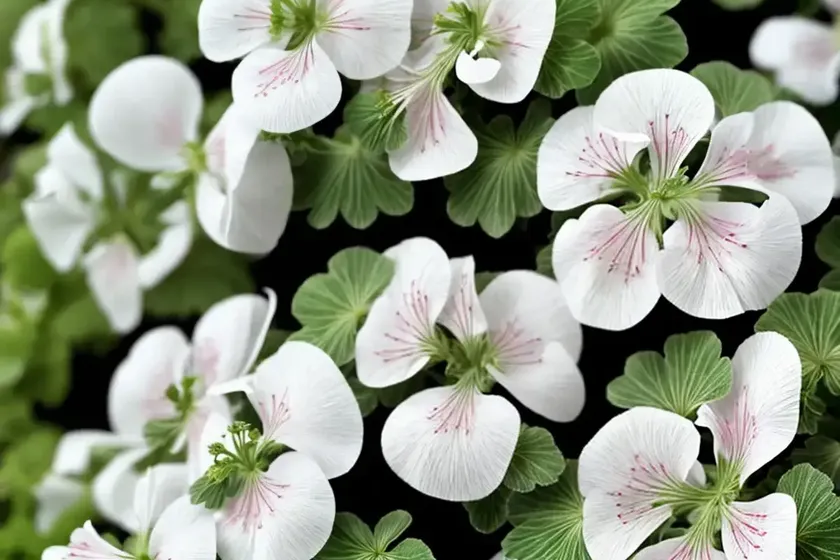
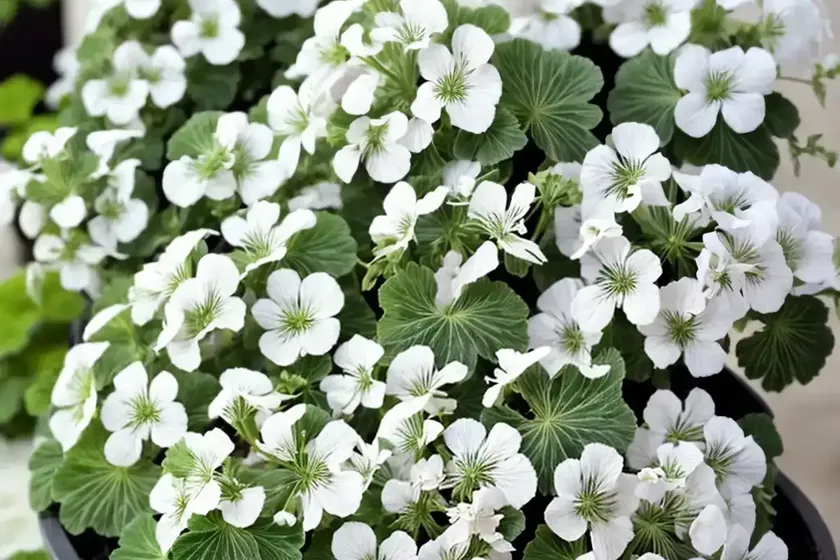
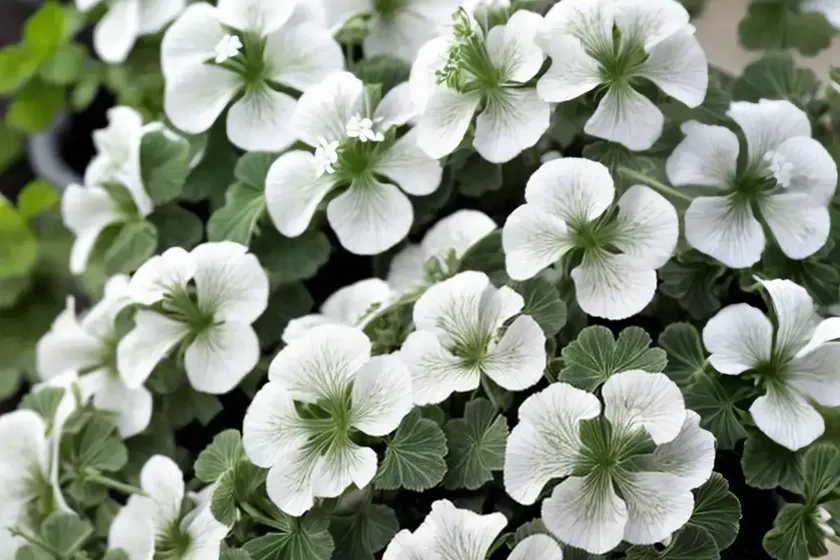
Pelargonium peltatum, commonly known as Ivy Geranium, is a popular and attractive plant that is cherished by gardeners for its cascading white flowers and trailing growth habit. This versatile plant adds a touch of elegance to gardens, containers, hanging baskets, and window boxes. With the right care and conditions, Pelargonium peltatum ‘Cascade White’ can thrive and contribute to the beauty of both indoor and outdoor settings.
This comprehensive guide delves into the various aspects of cultivating and caring for Pelargonium peltatum ‘Cascade White.’ From its cultural requirements to common diseases and pests, this article provides a thorough understanding to help both novice and experienced gardeners successfully grow and maintain this remarkable plant.
Key Takeaways – Pelargonium peltatum ‘Cascade White’
Before we explore the specific care instructions and tips for Pelargonium peltatum ‘Cascade White,’ let’s take a moment to highlight the key takeaways about this beautiful plant:
- Plant Type: Perennial flowering plant
- Common Names: Ivy Geranium, Cascade White Ivy Geranium
- Foliage: Glossy, bright green, ivy-shaped leaves
- Flowers: White, delicate, and cascading
- Preferred Growing Conditions: Well-draining soil, ample sunlight, moderate watering, and occasional fertilization
- Uses: Ideal for containers, hanging baskets, window boxes, and garden beds
- Special Feature: Trailing habit and profuse blooming, making it perfect for creating cascading displays
Now, let’s move on to a detailed discussion of the specific care requirements for Pelargonium peltatum ‘Cascade White.’
Culture
Cultivating Pelargonium peltatum ‘Cascade White’ involves understanding and implementing specific cultural practices to ensure its optimal growth and development. This section covers various cultural aspects such as water, sunlight, fertilizer, soil, and pruning.
Water
Ivy Geraniums, including Pelargonium peltatum ‘Cascade White,’ prefer moderate and consistent moisture levels. It’s essential to water the plants when the soil feels dry to the touch, but not waterlogged. Overwatering can lead to root rot, while underwatering may cause wilting and poor flowering.
Tips for Watering Ivy Geraniums:
- Water the plants in the morning to allow any excess moisture on the foliage to dry during the day, reducing the risk of fungal diseases.
- Avoid overhead watering to prevent water from pooling on the leaves, which can promote diseases.
- Use a soaker hose or apply water directly to the soil to ensure effective watering without wetting the foliage excessively.
Sunlight
Pelargonium peltatum ‘Cascade White’ thrives in locations with ample sunlight. When grown outdoors, it should receive at least 6-8 hours of sunlight daily. In regions with extremely hot summers, some afternoon shade can be beneficial to prevent the plants from becoming stressed by excessive heat.
Tips for Sunlight Exposure:
- Place Ivy Geraniums in a location that receives morning sun and filtered afternoon shade to protect them from intense sunlight during the hottest part of the day.
- Indoors, position the plants near a south-facing window to provide them with the required sunlight exposure.
Fertilizer
While Pelargonium peltatum ‘Cascade White’ is not heavy feeder, it benefits from occasional fertilization to support healthy growth and abundant flowering. A balanced, water-soluble fertilizer formulated for flowering plants can be applied during the growing season.
Tips for Fertilizing Ivy Geraniums:
- Apply a diluted, balanced fertilizer every 4-6 weeks during the growing season to provide essential nutrients for robust growth and prolific blooming.
- Avoid over-fertilization, as excessive nutrients can lead to excessive foliage growth at the expense of flowers.
Soil
Well-draining, fertile soil is crucial for the successful cultivation of Ivy Geraniums. A soil mix enriched with organic matter helps to provide the necessary nutrients while ensuring proper drainage to prevent waterlogging, which can be detrimental to the plants.
Tips for Soil Preparation:
- Use a high-quality potting mix with added perlite or coarse sand to improve drainage if growing Ivy Geraniums in containers.
- In garden beds, cultivate the soil to improve its structure and incorporate organic matter such as compost or well-rotted manure to enhance fertility and drainage.
Pruning
Regular pruning is beneficial for Ivy Geraniums to maintain their shape, promote bushy growth, and encourage continuous flowering. Pruning also helps to remove spent flowers and prevent the plants from becoming leggy and unattractive.
Tips for Pruning Ivy Geraniums:
- Pinch back the growing tips regularly to encourage lateral branching, resulting in a fuller, more compact plant.
- Deadhead faded flowers to stimulate the production of new blooms and maintain a tidy appearance.
Uses
Pelargonium peltatum ‘Cascade White’ offers a range of uses in various gardening settings, making it a versatile and valuable plant for both indoor and outdoor spaces.
- Container Planting: Its trailing habit and profuse flowering make Ivy Geraniums an excellent choice for containers, where they can spill over the edges, adding a charming touch to patios, balconies, and windowsills.
- Hanging Baskets: The cascading nature of Pelargonium peltatum ‘Cascade White’ makes it an ideal candidate for hanging baskets, creating stunning displays of white flowers mixed with the lush, glossy green foliage.
- Window Boxes: When planted in window boxes, Ivy Geraniums can soften the edges and add visual interest to the exterior of buildings, creating a welcoming and picturesque scene.
- Garden Beds and Borders: In the garden, Ivy Geraniums can be used as ground cover or mass planted to create a sea of white blossoms that carpet the landscape.
Propagation
Propagating Pelargonium peltatum ‘Cascade White’ can be accomplished through several methods, including stem cuttings, division, and seeds.
Propagation by Stem Cuttings:
- Take 3-4 inch cuttings from healthy, non-flowering stems, ensuring that each cutting has several nodes.
- Remove the lower leaves, dip the cut end in rooting hormone, and plant the cuttings in a well-draining rooting medium.
Propagation by Division:
- Divide mature plants in spring or early summer, ensuring that each division has a good root system and a portion of the stems and foliage.
- Replant the divisions in suitable potting mix or garden soil and provide adequate moisture and care until they establish.
Propagation by Seeds:
- Sow seeds indoors in early spring, providing warmth and bright, indirect light for germination.
- Once the seedlings have developed several sets of true leaves, they can be transplanted into individual containers or garden beds.
Container Popularity
Ivy Geraniums, including the ‘Cascade White’ variety, are highly favored for container gardening due to their trailing growth habit and profuse flowering. The cascading nature of their stems adorned with delicate white blooms creates a stunning display, particularly when planted in hanging baskets, window boxes, or decorative containers.
Ideal Containers for Ivy Geraniums:
- Hanging Baskets: Choose baskets with adequate drainage holes and liners to minimize water loss and maintain optimal moisture levels.
- Window Boxes: Select window boxes that can accommodate the trailing habit of Ivy Geraniums and provide ample space for root development.
- Decorative Pots: Opt for pots with a sufficient diameter and depth to allow the plants to thrive and display their abundant flowers and lush foliage.
Common Diseases
Pelargonium peltatum ‘Cascade White’ is susceptible to certain diseases, with fungal infections being the most common concerns.
Disease Diagnosis:
- Powdery Mildew: Characterized by a powdery, white coating on the leaves, powdery mildew can affect Ivy Geraniums, particularly in humid conditions or when airflow is restricted.
- Botrytis Blight: Also known as gray mold, this fungal disease may manifest as brown spots on the leaves and flowers, often accompanied by a fuzzy gray growth.
Disease Prevention and Management:
- Ensure proper spacing and adequate airflow around plants to reduce humidity and minimize the risk of fungal diseases.
- Avoid overhead watering and irrigate at the base of the plants to prevent water from accumulating on the foliage.
- In severe cases, consider applying fungicidal treatments labeled for controlling powdery mildew or botrytis blight, following the manufacturer’s recommendations.
Common Pests
Several pests can potentially affect Ivy Geraniums, including aphids, spider mites, and whiteflies. Early detection and prompt intervention can help manage these pests effectively.
Pest Control:
- Aphids: Rinse aphids off the plants with a strong jet of water or apply insecticidal soap to eliminate these sap-sucking pests.
- Spider Mites: Increase humidity around the plants and use a miticide if spider mites are detected, focusing on the undersides of the leaves where they often congregate.
- Whiteflies: Use yellow sticky traps to monitor and capture whiteflies, and consider releasing beneficial insects such as ladybugs to help control their populations.
Botanist’s Tips
Tips for Maintaining Ivy Geraniums:
- Regular Deadheading: Remove spent flowers to encourage continuous blooming and maintain a neat, tidy appearance.
- Adequate Air Circulation: Ensure good airflow around the plants to reduce the risk of fungal diseases and pest infestations.
- Correct Watering Technique: Water the plants at the soil level and avoid wetting the foliage excessively to prevent disease development.
- Balanced Fertilization: Apply a balanced fertilizer at regular intervals during the growing season to support healthy growth and prolific flowering.
Fun Facts
- Pelargonium peltatum ‘Cascade White’ is a hybrid variety of Ivy Geranium renowned for its vigorous trailing habit and charming white flowers.
- Ivy Geraniums can be grown as annuals in cooler climates, while they thrive as perennials in regions with mild winters.
Now that we’ve covered the essential aspects of growing and caring for Pelargonium peltatum ‘Cascade White,’ let’s explore some valuable external resources for further information and guidance.
Links to External Resources
- Ivy Geraniums: Growing and Care Guide – The Spruce
- Pelargonium peltatum ‘Cascade White’ – Missouri Botanical Garden
- Growing Ivy Geraniums – University of California Agriculture and Natural Resources
By referring to these resources, gardeners can access additional insights, tips, and best practices for cultivating and enjoying the beauty of Pelargonium peltatum ‘Cascade White’ in their own garden and landscape settings.
In conclusion, Pelargonium peltatum ‘Cascade White’ stands as an outstanding choice for those seeking to introduce the grace and allure of a cascading white-flowered plant into their outdoor or indoor spaces. With its versatile uses, captivating appearance, and relative ease of care, Ivy Geraniums have rightfully earned their place as a beloved and cherished addition to gardens and plant collections worldwide. Whether adorning a hanging basket, trailing from a window box, or gracing a garden bed, the sight of Pelargonium peltatum ‘Cascade White’ in full bloom is sure to captivate and delight all who encounter it.
With a thorough understanding of Ivy Geranium care and culture, gardeners can confidently cultivate stunning displays of Pelargonium peltatum ‘Cascade White,’ bringing the allure of cascading white blooms into their outdoor and indoor spaces. If you have any questions or would like to share your experiences with growing Ivy Geraniums, feel free to reach out and join the conversation. Happy gardening!


