Pelargonium ‘Henry Weller’ (Angel Pelargonium)
Plants have always fascinated humans with their beauty, diversity, and usefulness. Among the myriad of plant species, Pelargonium ‘Henry Weller’, also.
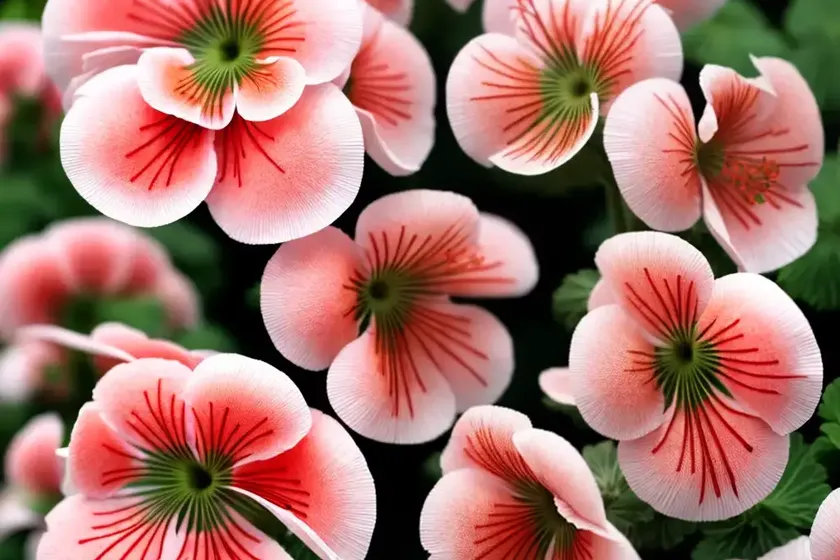
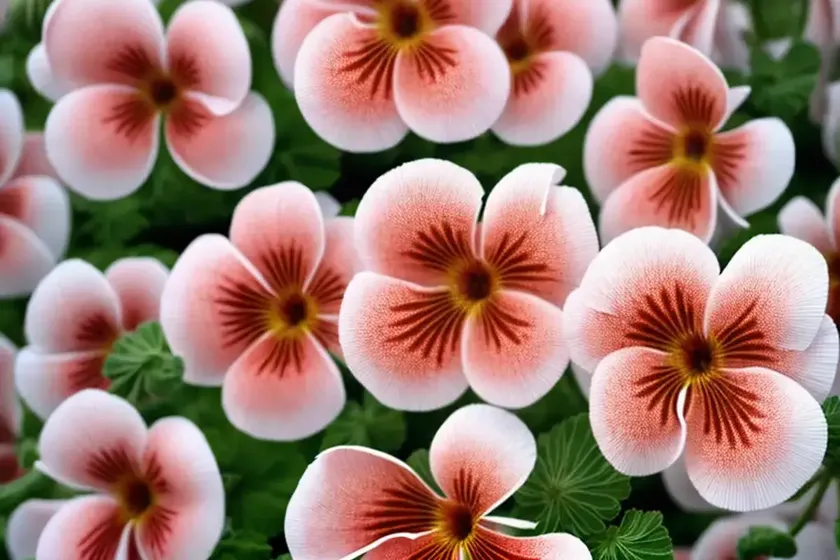
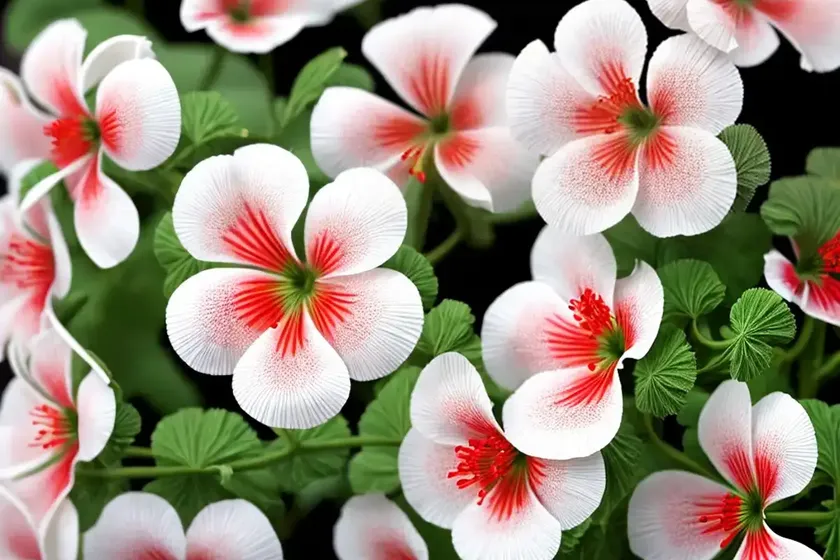
Plants have always fascinated humans with their beauty, diversity, and usefulness. Among the myriad of plant species, Pelargonium ‘Henry Weller’, also known as Angel Pelargonium, stands out with its unique characteristics and versatile uses. This blog post will delve deep into the diverse aspects of this fascinating plant, from its culture and uses to its growth habits and propagation techniques.
What is Pelargonium ‘Henry Weller’ (Angel Pelargonium)?
Pelargonium ‘Henry Weller’ is a cultivar of the Pelargonium genus, which belongs to the Geraniaceae family. This particular cultivar is widely known by its common name, Angel Pelargonium. It is cherished for its attractive foliage, delicate flowers, and aromatic properties. The plant is native to South Africa and has gained popularity among gardeners and horticulturists worldwide.
Key Takeaways
Before we delve into the detailed aspects of Pelargonium ‘Henry Weller’ (Angel Pelargonium), let’s take a quick look at the key takeaways:
- Plant Name: Pelargonium ‘Henry Weller’ (Angel Pelargonium)
- Culture: Understanding the plant’s natural habitat and ideal growing conditions.
- Uses: Exploring the various applications of Angel Pelargonium, from medicinal to ornamental.
- Water: Unraveling the watering requirements for optimal growth and health.
- Sunlight: Shedding light on the plant’s sunlight needs for thriving indoors and outdoors.
- Fertilizer: Discussing the suitable fertility regimen for promoting vigorous growth and blooming.
- Soil: Analyzing the preferred soil type and composition for Angel Pelargonium.
- Pruning: Learning the art of pruning to maintain the plant’s shape and encourage new growth.
- Propagation: Exploring the techniques for propagating Pelargonium ‘Henry Weller’.
- Container: Understanding the suitability of containers for growing Angel Pelargonium.
- Popularity: Unveiling the reasons for the plant’s popularity and widespread cultivation.
- Common Diseases: Identifying and addressing potential diseases affecting Angel Pelargonium.
- Common Pests: Dealing with common pests that can infest Pelargonium ‘Henry Weller’.
- Botanist’s Tips: Benefiting from expert advice and insights for successful cultivation.
- Fun Facts: Discovering interesting and lesser-known facts about Angel Pelargonium.
- Links to External Resources: Providing additional references for further exploration of Angel Pelargonium.
Now that we have a bird’s eye view of the comprehensive coverage of this blog post, let’s embark on an enlightening journey into the world of Pelargonium ‘Henry Weller’.
Culture
Understanding the natural habitat and ideal growing conditions for Pelargonium ‘Henry Weller’ is pivotal for successfully cultivating this charming plant. Angel Pelargonium has specific cultural requirements that contribute to its overall vigor and ornamental appeal.
Natural Habitat
Angel Pelargonium, like many members of the Pelargonium genus, hails from the diverse and captivating landscapes of South Africa. In its native habitat, Pelargonium ‘Henry Weller’ thrives in temperate climates characterized by moderate temperatures and ample sunlight. The plant is often found in well-drained soils, thriving in regions with sufficient moisture and minimal waterlogging. Understanding the natural habitat of Angel Pelargonium provides valuable insights into replicating similar conditions for optimal cultivation.
Water
Pelargonium ‘Henry Weller’ exhibits moderate water needs, favoring moist but well-drained soil. Overwatering can lead to root rot and other detrimental conditions, emphasizing the importance of balanced watering practices. During the active growing season, which typically spans spring and summer, the plant benefits from consistent moisture without being waterlogged. However, it is essential to allow the soil to dry slightly between watering sessions to prevent waterlogged conditions and associated problems.
During the dormant period, which often occurs in fall and winter, the plant’s water requirements decrease significantly. It is crucial to adjust the watering frequency during this phase to reflect the plant’s reduced metabolic activity. By adhering to appropriate watering practices, gardeners can promote healthy growth and blooming in Pelargonium ‘Henry Weller’.
Sunlight
Sunlight plays a pivotal role in the growth and blooming of Pelargonium ‘Henry Weller’. As a sun-loving plant, Angel Pelargonium thrives in bright, indirect light or direct sunlight, depending on the prevailing climatic conditions. When grown indoors, it is essential to position the plant in a location that receives ample sunlight or provide supplemental lighting, especially during the darker months.
In outdoor settings, Pelargonium ‘Henry Weller’ flourishes in sunny areas with well-drained soil, benefiting from the abundant natural light. Understanding the plant’s sunlight needs is instrumental in ensuring robust growth and the development of vibrant flowers.
Fertilizer
Fertilization plays a crucial role in providing Pelargonium ‘Henry Weller’ with essential nutrients for vigorous growth and prolific blooming. Utilizing a balanced fertilizer with a slightly higher potassium content can promote the development of robust foliage and vibrant flowers. During the active growing season, applying a diluted, balanced liquid fertilizer every 2-4 weeks can bolster the plant’s overall health and ornamental appeal.
It is important to refrain from over-fertilizing, as this can lead to excessive foliage growth at the expense of blooming. By adhering to a sensible fertility regimen, gardeners can harness the full potential of Angel Pelargonium, fostering a visually stunning and healthy plant.
Soil
The choice of soil significantly influences the health and vitality of Pelargonium ‘Henry Weller’. The plant thrives in well-drained, slightly acidic to neutral soil with good aeration. A combination of peat-based and loamy soil enriched with organic matter offers an excellent growing medium for Angel Pelargonium. This blend facilitates adequate drainage while retaining essential moisture and nutrients, creating an optimal environment for the plant’s roots to thrive.
Gardeners can also incorporate perlite or coarse sand into the soil mix to enhance drainage and prevent waterlogging. Understanding the preferred soil type and composition for Angel Pelargonium is pivotal for establishing a conducive environment for the plant’s growth and development.
Uses
Pelargonium ‘Henry Weller’ (Angel Pelargonium) exhibits versatile uses, ranging from ornamental and aromatic to medicinal applications. The plant’s unique characteristics and attributes make it a valuable addition to gardens, homes, and alternative medicine practices.
Ornamental
The ornamental appeal of Pelargonium ‘Henry Weller’ lies in its captivating foliage and delicate flowers. The plant’s lush, lobed leaves add a touch of elegance to both indoor and outdoor settings, infusing spaces with vibrant green hues and intriguing textures. Additionally, Angel Pelargonium produces charming clusters of flowers in various hues, ranging from soft pinks and lilacs to vibrant reds and whites. These blossoms enhance the visual allure of gardens, balconies, and patios, eliciting admiration from onlookers.
Aromatic
A distinctive feature of Angel Pelargonium is its aromatic foliage, which releases a pleasant and uplifting scent when gently brushed or crushed. The plant’s aromatic properties make it an excellent addition to aromatic gardens and sensory landscapes, enriching outdoor spaces with its delightful fragrance. Furthermore, the leaves of Pelargonium ‘Henry Weller’ can be utilized in potpourri, sachets, and aromatic blends, contributing their enticing aroma to various homemade creations.
Medicinal
In addition to its ornamental and aromatic attributes, Pelargonium ‘Henry Weller’ holds medicinal significance, particularly in alternative medicine practices. The plant’s leaves are renowned for their potential therapeutic properties, including anti-inflammatory and antimicrobial effects. Extracts and preparations derived from Angel Pelargonium have been used to address respiratory ailments, skin conditions, and other health concerns. The plant’s medicinal uses underscore its holistic value and relevance in natural wellness approaches.
Culinary
While not as extensively documented as its ornamental and medicinal uses, Angel Pelargonium has found occasional application in culinary endeavors. The leaves of Pelargonium ‘Henry Weller’ impart a subtle citrusy flavor, making them suitable for infusion into teas, beverages, and culinary creations. The plant’s subtle yet intriguing flavor adds a unique dimension to culinary experiences, demonstrating its versatility beyond traditional applications.
Understanding the diverse uses of Angel Pelargonium illuminates its multifaceted nature and underscores its significance in various domains, from horticulture to holistic wellness.
Pruning
Pruning is an essential aspect of caring for Pelargonium ‘Henry Weller’, contributing to the plant’s overall health, form, and blooming potential. By adopting appropriate pruning techniques, gardeners can shape the plant, encourage new growth, and prolong its ornamental appeal.
Pruning Guide
Removal of Spent Blooms
Removing spent blooms is pivotal for promoting continuous flowering and preventing the plant from channeling energy into seed production. By deadheading faded flowers, gardeners can stimulate the emergence of fresh buds and prolong the blooming period of Angel Pelargonium. This practice enhances the visual allure of the plant and contributes to a vibrant floral display.
Shaping and Maintenance
Pruning allows gardeners to shape Pelargonium ‘Henry Weller’ according to their preferences, fostering a tidy and well-maintained appearance. Trimming back leggy or unruly growth helps maintain a balanced and attractive silhouette while promoting compact, bushy growth. Additionally, the removal of damaged or yellowing foliage contributes to the overall health and aesthetic appeal of the plant.
Stimulating New Growth
Strategic pruning stimulates the development of new shoots and branches, rejuvenating the plant and enhancing its vigor. By selectively removing stems and branches, gardeners can encourage the emergence of fresh growth, fostering a denser and more prolific plant. This proactive approach to pruning promotes a lush and flourishing Angel Pelargonium, elevating its ornamental value.
Understanding the nuances of pruning Pelargonium ‘Henry Weller’ empowers gardeners to wield this horticultural practice effectively, nurturing visually stunning and vigorous plants.
Propagation
The propagation of Pelargonium ‘Henry Weller’ forms a fundamental aspect of its cultivation, enabling gardeners to expand their collection and share the plant’s beauty with others. Angel Pelargonium lends itself to various propagation techniques, each offering distinct advantages and considerations.
Propagation Techniques
Seed Propagation
Propagation from seeds offers an engaging and rewarding means of expanding the presence of Pelargonium ‘Henry Weller’. When collecting seeds from mature fruits, gardeners should ensure the seeds are fully developed and exhibit viable characteristics. Sowing the seeds in a well-draining, moisture-retentive substrate provides an optimal germination environment, facilitating the emergence of new seedlings. This propagation method allows for the genetic diversity of the plant to be perpetuated, potentially resulting in unique variations among the progeny.
Stem Cuttings
Stem cuttings represent a popular and reliable means of propagating Angel Pelargonium, yielding consistent and genetically identical offspring. Selecting healthy, non-flowering stems for propagation and treating the cut ends with rooting hormone enhances the chances of successful rooting and subsequent establishment. By providing appropriate moisture, warmth, and protection from direct sunlight, gardeners can nurture the cuttings into robust, independent plants.
Division
Division serves as an effective propagation method for Pelargonium ‘Henry Weller’, particularly when dealing with mature specimens or crowded clumps. Separating the plant into distinct, viable segments enables the efficient propagation of Angel Pelargonium, promoting the development of individual plants with established root systems. This approach allows gardeners to multiply their plant stock while rejuvenating older growth, contributing to the long-term vitality and abundance of Angel Pelargonium.
Each propagation technique offers unique advantages and considerations, empowering gardeners to propagate Pelargonium ‘Henry Weller’ according to their preferences and circumstances.
Container
The versatility of Pelargonium ‘Henry Weller’ makes it well-suited for container gardening, offering a portable and visually captivating option for indoor and outdoor spaces. By selecting appropriate containers and adhering to essential care guidelines, gardeners can cultivate thriving Angel Pelargonium specimens in various container settings.
Suitable Containers
Choosing suitable containers for Pelargonium ‘Henry Weller’ is crucial for facilitating optimal growth and development. Containers with adequate drainage provisions are essential, preventing waterlogging and associated root problems. Additionally, selecting containers of appropriate size to accommodate the plant’s root system and promote stability is pivotal for the plant’s well-being. Container materials, such as terracotta, ceramic, or plastic, should be chosen based on their durability, insulation properties, and aesthetic appeal.
Container Care
Caring for Angel Pelargonium in containers entails regular monitoring of moisture levels, ensuring adequate sunlight exposure, and providing balanced fertilization as needed. Additionally, repotting mature plants when they outgrow their containers or refreshing the substrate to replenish nutrients and optimize drainage supports the ongoing health and vitality of Pelargonium ‘Henry Weller’. By adhering to container-specific care practices, gardeners can cultivate flourishing Angel Pelargonium in diverse container settings, from small windowsill pots to expansive patio planters.
Popularity
The enduring popularity of Pelargonium ‘Henry Weller’ (Angel Pelargonium) reflects its captivating attributes, ease of cultivation, and versatile uses. Gardeners, horticulturists, and plant enthusiasts worldwide recognize and cherish the plant for its noteworthy qualities.
Reasons for Popularity
Aesthetic Appeal
Angel Pelargonium captivates the senses with its lush foliage and graceful, colorful blossoms, eliciting admiration and enchantment. The plant’s ability to thrive in various environmental conditions while maintaining its aesthetic allure contributes to its widespread popularity, appealing to both seasoned gardeners and novices.
Low Maintenance
Pelargonium ‘Henry Weller’ requires minimal attention and care, making it an ideal choice for individuals with limited time and resources. Its adaptability and resilience render it well-suited for diverse cultivation environments, from urban balconies to sprawling rural gardens.
Versatile Uses
The multifaceted uses of Angel Pelargonium, ranging from ornamental and aromatic to medicinal and culinary applications, add to its allure and relevance. The plant’s ability to enrich living spaces, promote holistic wellness, and contribute to culinary experiences endears it to a broad audience, encompassing gardening enthusiasts, wellness advocates, and culinary aficionados.
The enduring popularity of Pelargonium ‘Henry Weller’ underscores its intrinsic value and significance in horticulture and allied domains, showcasing its timeless appeal and relevance.
Common Diseases
Pelargonium ‘Henry Weller’ (Angel Pelargonium) is susceptible to certain diseases that can impact its overall health and ornamental appeal. Recognizing and addressing common diseases is pivotal for safeguarding the well-being of the plant and nurturing robust specimens.
Disease Diagnosis
Botrytis Blight
Botrytis blight, caused by the fungal pathogen Botrytis cinerea, can affect Pelargonium ‘Henry Weller’ under conditions of high humidity and poor air circulation. The disease manifests as grayish mold on foliage, flowers, and stems, leading to decay and deterioration. Preventative measures, including maintaining adequate spacing between plants, promoting ventilation, and avoiding overhead watering, can mitigate the risk of Botrytis blight.
Powdery Mildew
Powdery mildew, characterized by the powdery white growth on foliage and stems, can afflict Pelargonium ‘Henry Weller’ under conditions of high humidity and inadequate air circulation. Addressing predisposing factors, such as excessive moisture and overcrowding, can reduce the likelihood of powdery mildew development. Additionally, utilizing fungicidal treatments and promoting optimal growing conditions can aid in combatting this fungal disease.
Bacterial Blight
Bacterial blight, caused by Xanthomonas campestris, presents as water-soaked lesions on foliage and stems, often accompanied by leaf yellowing and wilting. Implementing proper watering practices, such as avoiding overhead irrigation and minimizing leaf wetness, can help prevent bacterial blight. Additionally, promptly removing and disposing of affected plant parts can aid in reducing the spread of the disease.
By proactively diagnosing and addressing common diseases affecting Angel Pelargonium, gardeners can protect their plants and cultivate thriving specimens.
Common Pests
In addition to diseases, Pelargonium ‘Henry Weller’ is susceptible to certain pests that can compromise its health and visual appeal. Identifying and managing common pests is essential for safeguarding the plant and promoting its continued vigor and beauty.
Pest Identification
Aphids
Aphids are small, sap-sucking insects that can infest Pelargonium ‘Henry Weller’, leading to distorted growth, yellowing foliage, and general decline. These pests are often found congregating on tender young shoots and the undersides of leaves. Implementing insecticidal treatments or utilizing natural predators, such as ladybugs, can assist in managing aphid populations and preserving the health of the plant.
Spider Mites
Spider mites, diminutive arachnids that feed on plant sap, can negatively impact Pelargonium ‘Henry Weller’ through their stippling damage and webbing activities. Dry and dusty conditions often exacerbate spider mite infestations. Regularly showering the plant to increase humidity, using horticultural oils, and employing predatory mites are effective strategies for controlling spider mite populations and preventing extensive damage.
Whiteflies
Whiteflies, tiny insects with a distinctive appearance, can congregate on the undersides of leaves and extract sap from Pelargonium ‘Henry Weller’, leading to weakened and yellowed foliage. Their excretion of honeydew can promote sooty mold growth, adding to the detrimental effects. Employing yellow sticky traps, utilizing insecticidal soaps, and implementing cultural controls can aid in mitigating whitefly populations and preserving the plant’s vigor.
By familiarizing themselves with common pests and effective management strategies, gardeners can fortify their defenses against potential infestations and uphold the health and beauty of Angel Pelargonium.
Botanist’s Tips
Benefiting from the insights and expertise of botanists and horticultural specialists can greatly enhance the cultivation experience and success with Pelargonium ‘Henry Weller’ (Angel Pelargonium). The following botanical tips provide valuable guidance for optimizing the growth and ornamental potential of the plant:
- Optimal Growing Conditions: Understanding and meeting the plant’s cultural requirements, including water, sunlight, and soil preferences, lays the foundation for successful cultivation.
- Prudent Pruning Practices: Adopting appropriate pruning techniques can stimulate new growth, maintain plant form, and prolong blooming.
- Disease and Pest Management: Proactive monitoring and timely intervention against diseases and pests are essential for safeguarding the plant’s health and appearance.
- Suitable Propagation Methods: Selecting and implementing viable propagation techniques enable gardeners to expand their Angel Pelargonium collection and share the plant’s beauty with others.
By heeding the guidance of experts and assimilating their recommendations into their horticultural practices, gardeners can embark on a journey of successful Pelargonium ‘Henry Weller’ cultivation, fostering flourishing and visually stunning plants.
Fun Facts
Enriching the understanding and appreciation of Pelargonium ‘Henry Weller’ involves delving into intriguing and enlightening fun facts about Angel Pelargonium:
- Aphid Repellent: Angel Pelargonium emits a fragrance that acts as a natural


