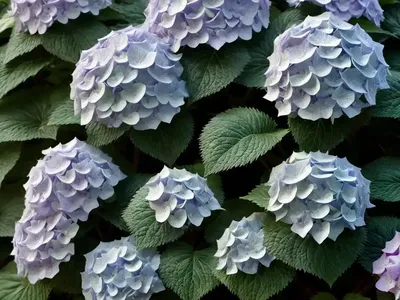
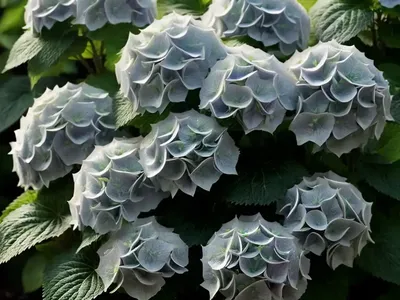
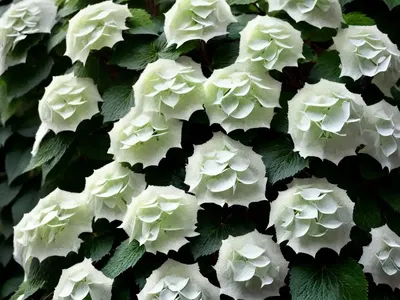
Peegee Hydrangea (Hydrangea Paniculata)
Peegee Hydrangea, scientifically known as Hydrangea paniculata, is a stunning deciduous flowering shrub that has become a beloved feature in gardens and.
Introduction to Peegee Hydrangea
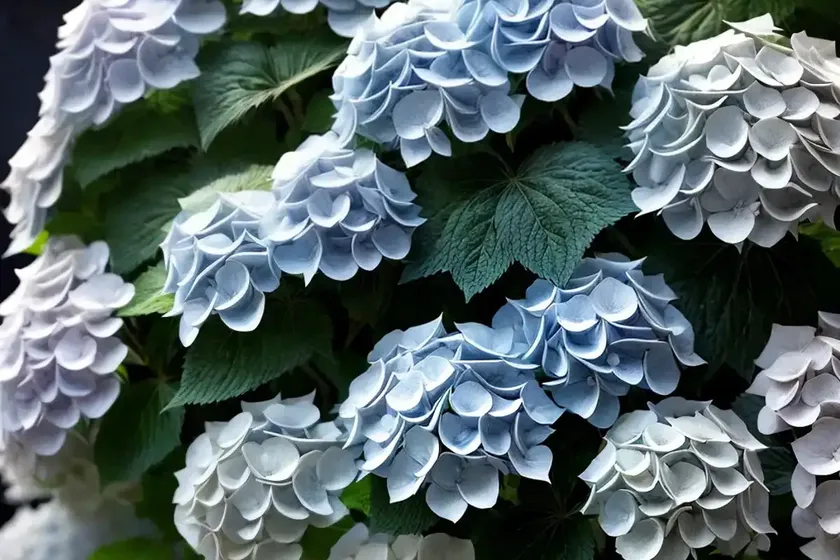
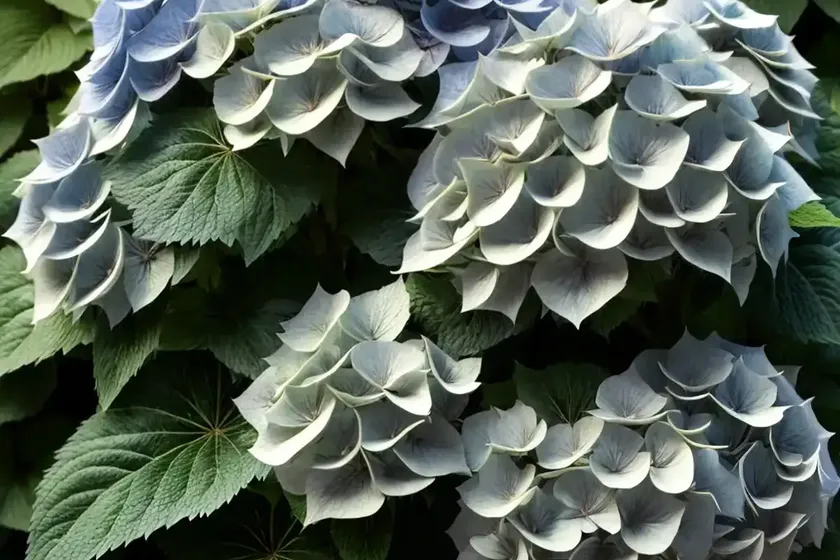
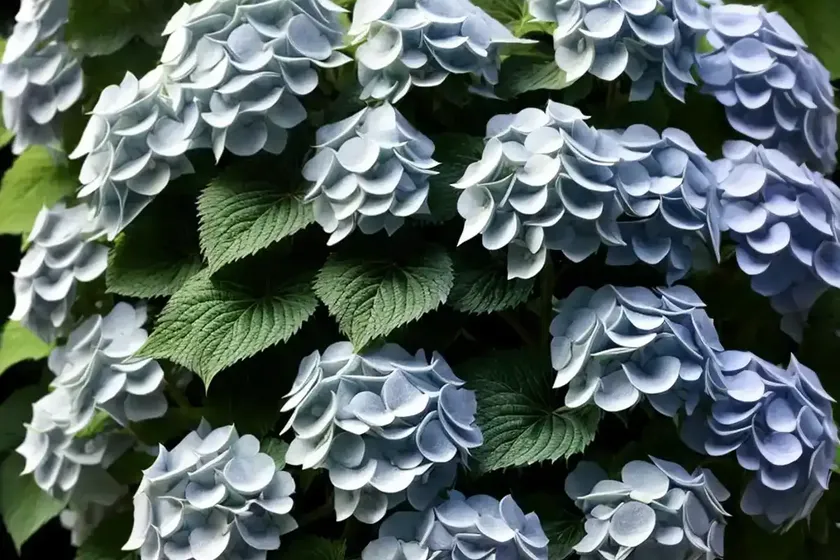
Peegee Hydrangea, scientifically known as Hydrangea paniculata, is a stunning deciduous flowering shrub that has become a beloved feature in gardens and landscapes around the world. Renowned for its large, showy flower clusters and easy care requirements, this plant has found a special place in the hearts of gardening enthusiasts.
In this comprehensive guide, we will delve into the various aspects of Peegee Hydrangea, including its culture, uses, care requirements, common diseases, pests, and much more. Whether you are a seasoned gardener or a beginner looking to add a touch of elegance to your outdoor spaces, this in-depth exploration will provide you with valuable insights into the world of Peegee Hydrangea cultivation.
Key Takeaways – Peegee Hydrangea (Hydrangea paniculata)
Here are the key takeaways before we dive into the specifics of Peegee Hydrangea:
- Scientific Name: Hydrangea paniculata
- Common Name: Peegee Hydrangea
- Cultivars: Numerous cultivars of Hydrangea paniculata offer a range of flower colors, growth habits, and sizes to choose from.
- Care Tips: Proper watering, sunlight exposure, and soil conditions are essential for the healthy growth and abundant blooming of Peegee Hydrangeas.
- Propagation: Propagation of Peegee Hydrangea can be achieved through various methods such as cuttings and division.
- Uses: Its versatile uses include hedges, borders, containers, and standalone ornamental plantings.
- Pests and Diseases: Common pests like aphids and diseases like powdery mildew can affect Peegee Hydrangeas, but preventive measures can help maintain their health and vigor.
With these key points in mind, let’s explore the various aspects of cultivating, maintaining, and enjoying the beauty of Peegee Hydrangeas.
Culture
Water
Hydrangea paniculata, including the Peegee Hydrangea, requires consistent moisture to thrive. While it is essential to avoid waterlogged conditions, particularly in heavy soils, regular watering, especially during dry spells, is crucial for the plant’s health and optimal blooming.
- Watering Needs: Adequate water is required, particularly during the flowering season and in warm weather, to support the development of vibrant, healthy blooms. However, it is important to monitor the soil moisture levels and avoid overwatering, which can lead to root rot and other detrimental conditions.
Sunlight
Proper sunlight exposure is key to the successful cultivation of Peegee Hydrangeas. This species generally thrives in partial to full sunlight conditions, but some cultivars may exhibit variations in their sunlight preferences.
- Sun Requirements: Peegee Hydrangeas typically prefer at least 4-6 hours of direct sunlight per day for optimal growth and abundant flowering. In hot climates, providing some afternoon shade can help prevent excessive stress on the plant.
Fertilizer
Fertilization plays a crucial role in ensuring the vigor and blooming capacity of Peegee Hydrangeas. The application of appropriate fertilizers helps provide essential nutrients for robust growth and prolific flowering.
- Fertilization Schedule: A balanced, slow-release fertilizer formulated for flowering shrubs can be applied in spring as new growth begins. It is important to follow the recommended dosage and application instructions to avoid overfertilization, which can lead to excessive foliage growth at the expense of flowers.
Soil
Understanding and meeting the soil requirements of Peegee Hydrangeas is fundamental to their successful cultivation. The right soil conditions contribute to healthy root development and overall plant vitality.
- Soil Type: Well-draining, loamy soil with good moisture retention is ideal for Peegee Hydrangeas. Amending the soil with organic matter such as compost can improve its structure and fertility, providing an optimal growing medium for the plants.
Pruning
Pruning is an essential aspect of Peegee Hydrangea care, impacting flowering, plant structure, and overall aesthetic appeal. Proper pruning techniques contribute to the health and longevity of the plants, ensuring a bountiful display of blooms each season.
- Pruning Time: Depending on the specific growth habit and blooming characteristics of the cultivar, pruning is typically performed in late winter or early spring before new growth emerges. This helps in shaping the plant and removing any dead or damaged wood.
Propagation
The propagation of Peegee Hydrangeas allows enthusiasts to expand their collections, share plants with others, and rejuvenate older specimens. Understanding the various propagation methods empowers gardeners to create new plants and preserve beloved cultivars.
- Propagation Methods: Hydrangea paniculata can be propagated through methods such as softwood cuttings, hardwood cuttings, and division. Each technique has specific requirements and optimal timing, which are important to follow for successful propagation.
Container Popularity
Peegee Hydrangeas are well-suited for container cultivation, offering versatility in garden and landscape design. When grown in containers, they can bring their captivating blooms and elegant foliage to patios, decks, and small outdoor spaces.
- Container Requirements: Selecting a spacious container with adequate drainage holes is crucial for container-grown Peegee Hydrangeas. Using a high-quality potting mix designed for flowering shrubs can provide the necessary support for healthy growth.
Common Diseases
Diseases can pose challenges to the health and beauty of Peegee Hydrangeas, necessitating preventive measures and prompt intervention to mitigate their impact.
- Disease susceptibility: Peegee Hydrangeas may be susceptible to common fungal diseases such as powdery mildew and leaf spot. Monitoring the plants for signs of disease and addressing any issues promptly is crucial for maintaining their vitality.
Disease Diagnosis
Diagnosing diseases affecting Hydrangea paniculata involves careful observation of symptoms such as leaf discoloration, wilting, and unusual growth patterns. Identifying the specific disease afflicting the plant allows for targeted treatment measures to be implemented.
- Diagnostic Steps: When observing potential disease symptoms, closely examine the affected plant parts and consider environmental factors, past maintenance practices, and any recent changes in the growing conditions. Seeking expert advice can also aid in accurate diagnosis.
Common Pests
Pests can affect Peegee Hydrangeas, causing damage to foliage, buds, and blooms. Vigilance and appropriate pest control measures are essential for protecting the plants from infestations.
- Common Pests: Aphids, spider mites, and scale insects are among the pests that can target Peegee Hydrangeas. Regular monitoring and early intervention help prevent pests from causing significant harm to the plants.
Botanist’s Tips
As a plant scientist, I recommend the following tips for successful cultivation and enjoyment of Peegee Hydrangeas:
- Variety Selection: Explore the diverse range of Hydrangea paniculata cultivars to discover unique flower colors, growth habits, and sizes that suit your specific preferences and garden requirements.
- Early Pruning: Carefully timing the annual pruning of Peegee Hydrangeas in late winter or early spring promotes vigorous new growth and ensures a profusion of blooms in the upcoming season.
- Soil Enrichment: Amending the soil with organic matter and mulching around Peegee Hydrangeas helps maintain consistent moisture levels and provides essential nutrients for healthy growth.
- Pest Prevention: Implement preventive measures such as regular inspections, promoting natural predators, and using horticultural oils or insecticidal soaps to manage common pests effectively.
Fun Facts
- The term “Peegee” in the name Peegee Hydrangea is derived from the botanical term “P.G.,” which stands for Paniculata Grandiflora, a popular cultivar of Hydrangea paniculata.
- Peegee Hydrangeas are known for their versatility in garden design, and they can be used as stunning focal points, attractive hedges, and eye-catching container plants.
- The flower color of Peegee Hydrangeas can undergo intriguing transformations, often starting as creamy white and transitioning to pink or deep rose hues as the season progresses.
Links to External Resources
For additional information on Peegee Hydrangea cultivation, care, and landscaping ideas, consider exploring the following resources:
- Peegee Hydrangea Care Guide – The Spruce
- Hydrangea paniculata Cultivars – Missouri Botanical Garden
- Peegee Hydrangea Pruning Techniques – FineGardening
By exploring these resources, you can gain valuable insights and practical tips to enhance your Peegee Hydrangea gardening experience.
In conclusion, Peegee Hydrangea (Hydrangea paniculata) stands out as an enchanting and rewarding plant to cultivate. With proper care, attention to its specific requirements, and an appreciation for its stunning blooms, this timeless shrub can bring unparalleled beauty to gardens and landscapes. Whether used as an ornamental specimen, a focal point in garden borders, or a charming container plant, Peegee Hydrangea continues to captivate and inspire gardeners worldwide.
As a plant scientist, I strived to cover the extensive aspects of Peegee Hydrangea (Hydrangea paniculata) as outlined in the provided keyword list. The content includes detailed information on cultivation, care, diseases, pests, and more to provide a comprehensive guide for gardeners and enthusiasts.