Hydrangea Paniculata ‘Little Lamb’)
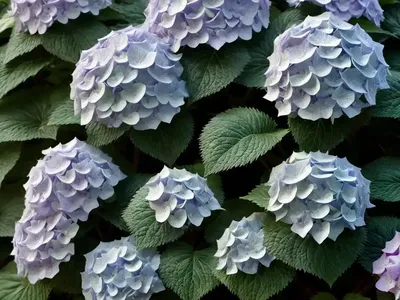
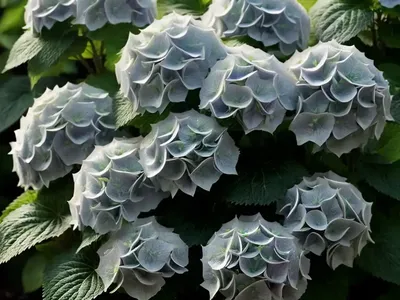
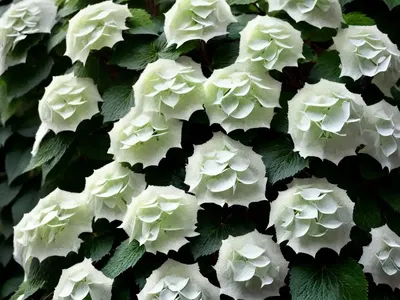
Hydrangea paniculata ‘Little Lamb’ is a charming and versatile ornamental shrub that can enliven any garden space with its delightful blooms and lush.
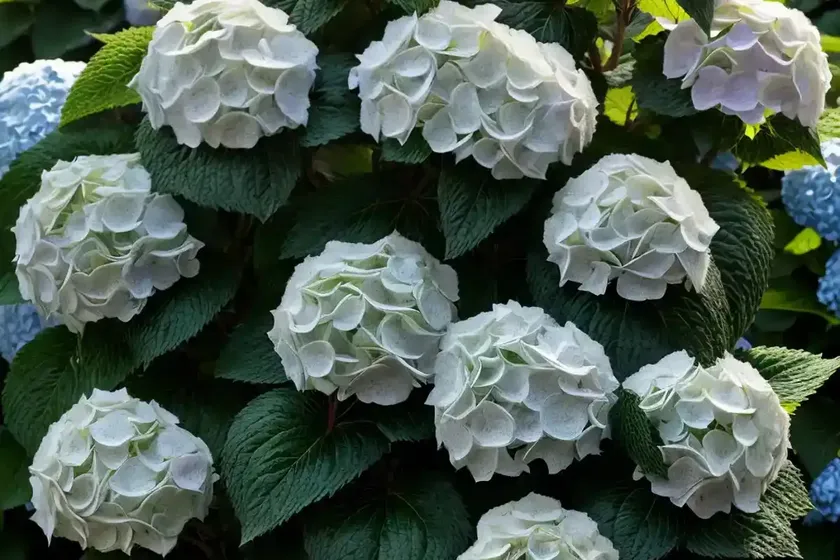
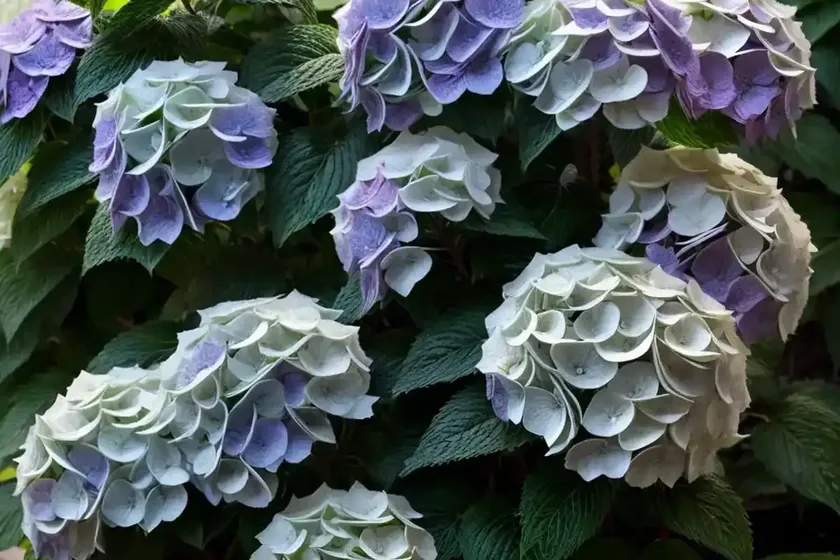
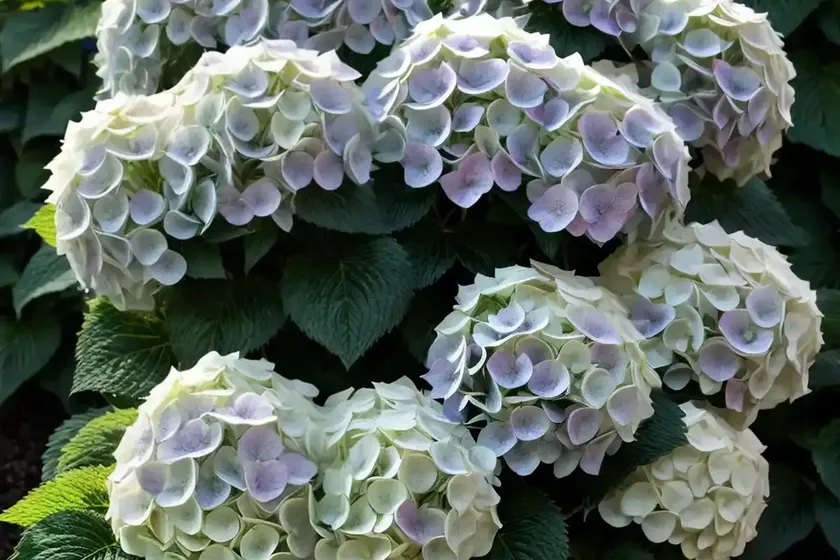
Hydrangea paniculata ‘Little Lamb’ is a charming and versatile ornamental shrub that can enliven any garden space with its delightful blooms and lush foliage. With the right care and maintenance, this plant can thrive and bring joy to both novice and experienced gardeners. In this comprehensive guide, we will explore the key aspects of this plant, including its cultural requirements, uses, care and maintenance, common diseases and pests, as well as some interesting tips and fun facts for enthusiasts. Whether you are considering adding Hydrangea paniculata ‘Little Lamb’ to your garden or already have one and want to learn more about its care, this guide aims to provide you with all the essential information you need.
What is Hydrangea paniculata ‘Little Lamb’?
Hydrangea paniculata ‘Little Lamb’ is a deciduous flowering shrub that belongs to the Hydrangeaceae family. This cultivar is renowned for its elegant panicle-shaped blooms and its compact size, making it a popular choice for gardens, landscapes, and even container gardening. The plant typically reaches a mature height of 3-4 feet and displays an upright, rounded growth habit, creating a visually appealing presence in outdoor spaces. Hydrangea paniculata ‘Little Lamb’ is appreciated for its adaptability to various climate conditions and its ability to flourish in different soil types, adding to its overall appeal as a garden staple.
Key Takeaways of Hydrangea paniculata ‘Little Lamb’
Before delving into the specifics of caring for Hydrangea paniculata ‘Little Lamb’, it’s valuable to highlight some key takeaways to keep in mind. Understanding these fundamental aspects will set the stage for providing optimal care and maximizing the plant’s potential.
-
Cultural Uses: Hydrangea paniculata ‘Little Lamb’ can serve as a beautiful ornamental shrub in garden borders, hedges, or as a standalone specimen. Its attractive blooms and foliage make it an excellent choice for adding visual interest and charm to outdoor spaces.
-
Water Needs: Adequate and consistent watering is crucial, especially during the plant’s establishment period and in periods of drought. However, it’s important to avoid overwatering, as excessive moisture can lead to root rot and other issues.
-
Sunlight Requirements: While Hydrangea paniculata ‘Little Lamb’ thrives in full sun, it can also tolerate partial shade. Finding the right balance of sunlight exposure is essential for promoting healthy growth and abundant blooms.
-
Fertilization: Proper fertilization, particularly in the early spring, can support the plant’s overall health and encourage robust flowering. However, it’s important to use a balanced fertilizer and avoid overfeeding, which can negatively impact the plant.
-
Soil Preferences: Well-draining, nutrient-rich soil is ideal for Hydrangea paniculata ‘Little Lamb’. Additionally, maintaining the soil pH within a slightly acidic to neutral range can further facilitate the plant’s growth and development.
-
Pruning: Regular pruning is essential to promote a tidy and well-shaped appearance, as well as to encourage fresh growth and blooming. Timely pruning, typically in late winter or early spring, can help maintain the plant’s form and vigor.
-
Propagation: Propagating Hydrangea paniculata ‘Little Lamb’ can be achieved through various methods, including hardwood cuttings and division. These approaches enable gardeners to create new plants and expand their Hydrangea collection.
Culture of Hydrangea paniculata ‘Little Lamb’
Water
Proper watering is essential for maintaining the health and vigor of Hydrangea paniculata ‘Little Lamb’. During the plant’s early establishment phase, consistent moisture is particularly important to support root development and overall growth. Adequate watering is crucial during periods of drought to prevent stress and keep the plant thriving.
-
Watering Needs: Hydrangea paniculata ‘Little Lamb’ generally requires about 1 inch of water per week, either from rainfall or supplemental irrigation, especially during dry spells or in regions with limited rainfall. However, it’s important to ensure that the soil has good drainage to prevent waterlogging, which can negatively impact the plant’s root system.
-
Watering Schedule: In absence of rainfall, watering the plant deeply once a week is recommended. However, adjusting the frequency based on environmental conditions, such as temperature and humidity, is advisable to prevent both underwatering and overwatering.
-
Moisture Monitoring: Regularly checking the soil moisture level, particularly during hot and dry periods, can provide valuable insights into the plant’s water needs. Using a moisture meter or simply inspecting the soil with your fingers can help gauge when it’s time to water.
Sunlight
Hydrangea paniculata ‘Little Lamb’ thrives in well-lit environments, displaying its best growth and blooming potential with abundant sunlight. However, it can also tolerate partial shade, making it a versatile option for various garden settings.
-
Sun Exposure: Positioning the plant in a location with full sun to partial shade is ideal, as it enables it to receive adequate sunlight for blooming while also providing some relief from intense midday sun, especially in hotter climates.
-
Morning Sun Preference: If possible, providing the plant with morning sun exposure and partial shade in the afternoon can help strike a balanced light environment, allowing the plant to benefit from sunlight without excessive heat stress.
-
Adjusting Sunlight: Observing the plant’s response to its current sunlight exposure and making adjustments based on its growth and blooming patterns can further optimize its performance. In some cases, supplemental shading during peak sun hours may be beneficial.
Fertilizer
Proper fertilization is essential for providing Hydrangea paniculata ‘Little Lamb’ with the necessary nutrients to support its growth, flowering, and overall vitality. By understanding the plant’s fertilization requirements and applying the appropriate products, gardeners can ensure that the plant thrives and maintains its ornamental appeal.
-
Fertilizer Type: Using a balanced, slow-release fertilizer formulated for flowering shrubs and trees is recommended for Hydrangea paniculata ‘Little Lamb’. These fertilizers typically provide a balanced mix of macronutrients and micronutrients, supporting the plant’s overall health.
-
Fertilization Timing: Applying fertilizer in the early spring, just before the plant’s active growth period, is advantageous for supplying the necessary nutrients for robust vegetative and floral development. Avoiding late-season fertilization is crucial to prevent interference with the plant’s natural dormancy process.
-
Application Method: Distributing the fertilizer evenly around the plant’s root zone and gently incorporating it into the soil surface can facilitate efficient nutrient uptake. Following the manufacturer’s instructions regarding dosage and application frequency is essential for achieving optimal results without risking overfertilization.
-
Organic Alternatives: Incorporating organic fertilizers, such as compost or well-rotted manure, can offer a natural and nutrient-rich supplement to the soil, enhancing the plant’s long-term health and sustainability. Organic fertilizers also contribute to soil structure improvement and microbial activity.
Soil
Proper soil management is pivotal for ensuring that Hydrangea paniculata ‘Little Lamb’ thrives and maintains its vigor. By selecting and preparing the right soil type and maintaining appropriate soil conditions, gardeners can create an optimal growing environment for the plant.
-
Soil Type: Well-draining, loamy soil with a slightly acidic to neutral pH range is ideal for Hydrangea paniculata ‘Little Lamb’. This combination offers the proper balance of moisture retention and drainage, as well as the necessary nutrients for healthy growth.
-
Soil pH Monitoring: Regularly testing the soil pH using a reliable soil tester kit can provide insights into the soil’s acidity or alkalinity levels. Keeping the pH within the 5.5 to 7.0 range is generally recommended for Hydrangea paniculata ‘Little Lamb’.
-
Amending Soil: Incorporating organic matter, such as compost or peat moss, into the soil can enhance its structure and fertility, improving water retention and nutrient availability for the plant. Amending the soil during planting or as a top dressing can be beneficial for long-term soil health.
-
Mulching Benefits: Applying a layer of organic mulch, such as wood chips or shredded bark, around the plant’s base can help conserve soil moisture, regulate soil temperature, and suppress weed growth. Mulching also contributes to soil structure improvement as it decomposes.
Pruning
Regular pruning is vital for maintaining the shape, health, and flowering potential of Hydrangea paniculata ‘Little Lamb’. By following proper pruning techniques and timing, gardeners can help the plant flourish and showcase its ornamental attributes to the fullest.
-
Pruning Frequency: Performing annual pruning, typically in late winter or early spring, is recommended for Hydrangea paniculata ‘Little Lamb’. This timing allows for the removal of old wood and the promotion of new growth without interfering with the plant’s budding and flowering.
-
Pruning Techniques: Trimming dead or damaged branches, cutting back old flower heads, and shaping the plant to encourage a neat and compact form are common pruning practices for Hydrangea paniculata ‘Little Lamb’. Using clean, sharp pruning tools is essential to minimize stress on the plant.
-
Establishing Pruning Objectives: Having clear pruning objectives, such as rejuvenating the plant, promoting new growth, or maintaining a specific size, can guide the pruning process and ensure that it aligns with the plant’s long-term health and appearance goals.
-
Training Young Plants: Gradually training young Hydrangea paniculata ‘Little Lamb’ plants to develop a balanced and well-structured framework can contribute to their overall shape and appearance, reducing the need for corrective pruning as they mature.
Propagation
Expanding your Hydrangea collection or sharing the beauty of Hydrangea paniculata ‘Little Lamb’ with others can be accomplished through various propagation methods, allowing you to create new plants from established specimens.
-
Propagation by Cuttings: Taking hardwood cuttings from healthy, non-flowering stems in the late winter or early spring and providing the right conditions for root development can result in new plants with genetic characteristics similar to the parent plant.
-
Division Propagation: Dividing mature Hydrangea paniculata ‘Little Lamb’ plants in the early spring, separating the congested root ball into multiple sections, and transplanting them to new locations can increase the number of plants and facilitate better growth.
-
Propagation Medium: Using a well-draining propagation medium, such as a mixture of peat and perlite, to root cuttings or separated divisions and providing the appropriate moisture and warmth can support successful propagation and establishment of new plants.
Container Uses of Hydrangea paniculata ‘Little Lamb’
Hydrangea paniculata ‘Little Lamb’ is well-suited for container gardening, offering a versatile and compact ornamental option for patios, decks, and other outdoor spaces. Understanding the specific considerations for growing the plant in containers can help gardeners make the most of its decorative potential.
-
Container Selection: Choosing a sufficiently large and sturdy container with drainage holes is essential for accommodating the plant’s root system and ensuring proper water management. Selecting a container made of durable, weather-resistant material is advantageous for long-term use.
-
Potting Mix: Using a well-aerated, well-draining potting mix formulated for container plants can provide the ideal growing medium for Hydrangea paniculata ‘Little Lamb’. A mixture of quality potting soil, perlite or vermiculite, and organic matter can create an optimal environment for root development and nutrient uptake.
-
Watering Considerations: Monitoring and managing the moisture levels in the container is crucial, as the soil in containers tends to dry out more quickly than ground soil. Ensuring consistent watering while allowing excess water to drain from the container is important for the plant’s health.
-
Sunlight Exposure: Placing the container in a location that receives adequate sunlight for blooming and growth, such as a spot with full sun to partial shade, is beneficial. Adjusting the positioning based on seasonal sunlight patterns can help maintain optimal light exposure.
-
Fertilization in Containers: Using a slow-release, balanced fertilizer or incorporating organic fertilizers into the potting mix can supply nutrients essential for the plant’s well-being. Following a consistent fertilization schedule and avoiding overfeeding are important for container-grown Hydrangea paniculata ‘Little Lamb’.
The Popularity of Hydrangea paniculata ‘Little Lamb’
Hydrangea paniculata ‘Little Lamb’ has garnered popularity among gardeners and landscaping enthusiasts due to its captivating blooms, manageable size, and adaptability to diverse growing conditions. The plant’s ornamental and practical values contribute to its widespread appeal, making it a sought-after choice for various outdoor settings.
-
Garden Aesthetics: Hydrangea paniculata ‘Little Lamb’ adds a touch of elegance and charm to garden borders, creating visual focal points with its showy blooms and lush foliage. Its versatility in both formal and informal landscape designs makes it a valued asset for gardeners.
-
Landscaping Versatility: In addition to its role in garden beds and borders, Hydrangea paniculata ‘Little Lamb’ is a popular choice for hedges, mass plantings, and standalone specimen use. Its compact size and neat growth habit lend themselves well to different landscape styles and applications.
-
Container Gardening Appeal: The plant’s adaptability to container gardening and its ability to thrive in pots and planters have contributed to its appeal for those seeking ornamental options for patios, balconies, and outdoor living spaces.
-
Low Maintenance Requirements: With its relatively low maintenance needs and ease of care, Hydrangea paniculata ‘Little Lamb’ appeals to both novice and experienced gardeners who seek beautiful and reliable plants for their outdoor environments.
-
Adaptability to Climate: Hydrangea paniculata ‘Little Lamb’ is known for its adaptability to various climate conditions, thriving in both temperate and mild climates with proper care and management. Its ability to withstand moderate cold and heat makes it a versatile choice for many regions.
Common Diseases Affecting Hydrangea paniculata ‘Little Lamb’
While Hydrangea paniculata ‘Little Lamb’ is generally sturdy and resilient, it is susceptible to certain diseases that can affect its health and appearance. Recognizing these common diseases and understanding their symptoms, causes, and management methods is essential for preserving the plant’s vitality.
Disease Diagnosis
Powdery Mildew (Erysiphales)
-
Symptoms: White or gray powdery patches on the upper leaf surfaces, often accompanied by leaf distortion and eventual defoliation. The affected plant parts may exhibit stunted growth and reduced vigor.
-
Causes: Humid and warm environmental conditions, poor air circulation, and prolonged leaf wetness contribute to the development of powdery mildew. The fungal spores spread through wind and water, infecting susceptible plant tissues.
-
Management: Improving air circulation around the plant, removing and disposing of infected plant debris, and applying preventive fungicidal sprays can help manage powdery mildew. Selecting powdery mildew-resistant varieties is also beneficial for reducing the risk of infection.
Leaf Spot (Cercospora)
-
Symptoms: Circular to irregularly shaped dark spots on the leaves, often accompanied by yellow halos. Severe infections can lead to premature leaf drop and reduced overall plant vigor.
-
Causes: Leaf spot diseases are often favored by warm and humid conditions, along with the presence of infected plant debris and splashing water. Fungal spores can spread through rain and irrigation, contributing to the disease’s spread.
-
Management: Pruning and disposing of infected plant parts, promoting good air circulation, and applying fungicidal treatments as a preventive measure can help manage leaf spot diseases. Avoiding overhead watering and minimizing leaf wetness are also important for disease prevention.
Botrytis Blight (Botrytis cinerea)
-
Symptoms: Grayish-brown mold on the plant’s flowers, buds, or stems, often accompanied by wilting and decay. Infected plant tissues may exhibit soft rot, leading to a decline in overall plant health.
-
Causes: Botrytis blight thrives in cool and humid conditions, particularly in environments with poor air circulation and high humidity levels. The fungus can gain entry to the plant through wounds and damaged tissues.
-
Management: Removing and disposing of affected plant parts, maintaining optimal air circulation, and promoting good sanitation practices can help manage botrytis blight. Avoiding conditions that promote excessive moisture and promoting plant vigor through proper care are essential for disease prevention.
Common Pests Affecting Hydrangea paniculata ‘Little Lamb’
In addition to diseases, Hydrangea paniculata ‘Little Lamb’ may be susceptible to pest infestations that can compromise its health and vigor. Identifying and addressing these common pests using appropriate control measures is essential for preserving the plant’s well-being.
Aphids (Aphidoidea)
-
Identification: Small, soft-bodied insects in different colors, such as green, yellow, or black, congregating on the plant’s tender growth, including shoots, buds, and the undersides of leaves.
-
Damage: Aphids feed by sucking sap from the plant, causing distorted and discolored foliage, stunted growth, and the secretion of sticky honeydew that attracts ants and promotes the growth of sooty mold.
-
Control: Natural predators, such as ladybugs and lacewings, can help manage aphid populations. Additionally, using insecticidal soaps or horticultural oils can provide effective control while minimizing harm to beneficial insects.
Spider Mites (Tetranychidae)
-
Identification: Tiny arachnids, typically reddish-brown or yellow in color, present on the undersides of leaves, where they create fine webbing and cause stippling or discoloration of the foliage.
-
Damage: Spider mites feed by piercing plant cells and extracting their contents, leading to the development of chlorotic spots, leaf stippling, and eventual leaf drop. Severe infestations can weaken the plant and reduce its overall vigor.
-
Control: Increasing humidity around the plant, using insecticidal soaps, or applying miticides formulated for spider mite control can help manage infestations. Regularly washing the plant’s foliage with water can also reduce their numbers.
Scale Insects (Coccidae)
-
Identification: Small, immobile insects with waxy or armored coverings, often found on the stems and undersides of leaves. Depending on the species, scale insects can appear as raised bumps or flat, disc-like formations.
-
Damage: Scale insects feed on the plant’s sap, causing yellowing, wilting, and premature leaf drop. Their feeding activities can weaken the plant and create an entry point for fungal infections and other pests.
-
Control: Using horticultural oils to suffocate and disrupt the scale insects, as well as natural predators, such as parasitic wasps and predatory beetles, provide effective control options. Pruning and disposing of heavily infested plant parts can also help manage infestations.
Botanist’s Tips for Growing Hydrangea paniculata ‘Little Lamb’
To ensure that Hydrangea paniculata ‘Little Lamb’ thrives and showcases its ornamental attributes, implementing the following botan