Peach Sage (Salvia Dorisiana)
Plants have long been a source of fascination and admiration for humans. They not only provide us with essential nutrients and oxygen but also contribute.
Plants have long been a source of fascination and admiration for humans. They not only provide us with essential nutrients and oxygen but also contribute to the beauty of our surroundings. One such remarkable plant is the Peach Sage, scientifically known as Salvia Dorisiana. In this comprehensive guide, we will delve into the various aspects of this intriguing plant, including its culture, uses, cultivation, and maintenance. Whether you are a seasoned gardener or a novice plant enthusiast, this article will provide you with valuable insights into the world of Peach Sage.
What is Peach Sage: Salvia Dorisiana?
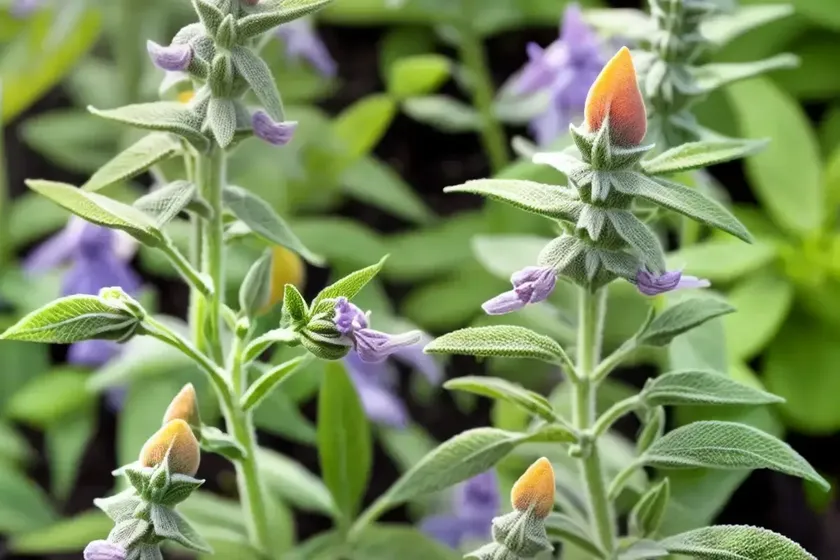
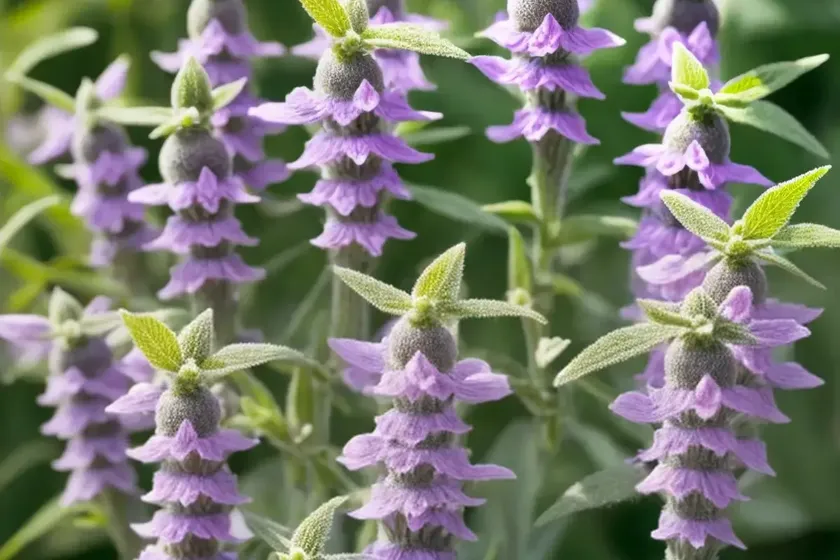
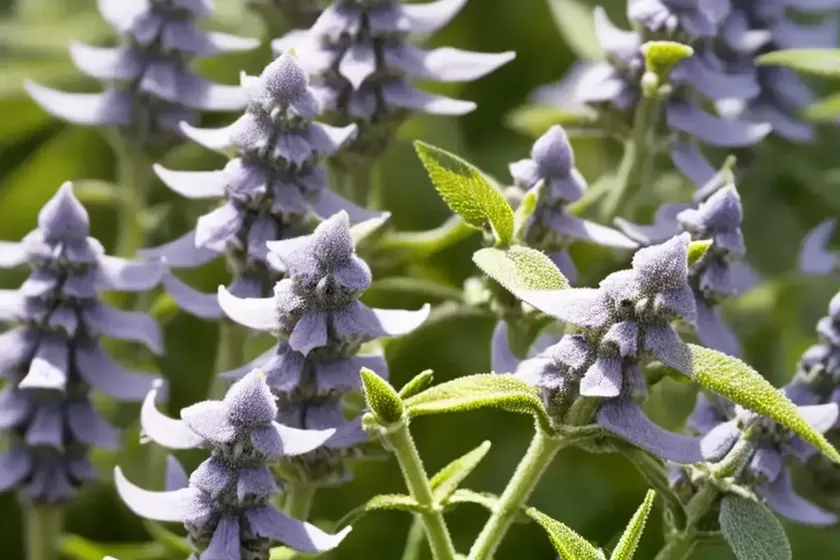
The Peach Sage (Salvia Dorisiana) is an aromatic herbaceous plant belonging to the Lamiaceae family, which is widely renowned for its ornamental and culinary uses. Native to Guatemala, this plant is characterized by its vibrant peach-colored flowers and velvety, heart-shaped leaves. It is often grown for its aesthetic appeal and sweet fragrance, making it a popular choice for gardeners and landscaping enthusiasts.
Key Takeaways
- Common Name: Peach Sage
- Scientific Name: Salvia Dorisiana
- Family: Lamiaceae
- Native Habitat: Guatemala
- Flower Color: Peach
- Leaf Shape: Heart-shaped
- Aromatic Qualities: Sweet fragrance
- Uses: Ornamental, Culinary, Medicinal
- Growth Habit: Herbaceous perennial
- Hardiness: USDA Zones 8-11
- Special Feature: Attracts pollinators
Now that we have familiarized ourselves with the basic characteristics of Peach Sage, let’s explore its culture, uses, and various aspects of cultivation in detail.
Culture
Cultivating Peach Sage requires an understanding of its specific requirements in terms of water, sunlight, soil, and other environmental factors. By meeting these needs, you can ensure the optimal growth and development of this plant, allowing it to thrive and grace your garden with its beauty.
Uses
Peach Sage is a versatile plant with a wide range of uses, making it a valuable addition to any garden or landscape. From its aromatic foliage to its culinary and medicinal applications, this plant offers multifaceted benefits for both humans and the environment.
Water
Adequate watering is crucial for the health and vigor of Peach Sage. Understanding its water requirements and implementing appropriate watering practices is essential for promoting lush growth and blooming.
Sunlight
As with many plants, sunlight plays a vital role in the growth and flowering of Peach Sage. By ensuring optimal sunlight exposure, you can maximize the plant’s potential and enhance its visual appeal.
Fertilizer
Proper nutrition is key to the overall well-being of Peach Sage. Choosing the right fertilizer and applying it at the correct time and rate can significantly impact the plant’s growth and flowering capacity.
Soil
Understanding the soil preferences of Peach Sage is fundamental to its successful cultivation. By creating a suitable soil environment, you can provide the plant with the necessary foundation for robust growth and abundant blooms.
Pruning
Pruning is an essential maintenance practice for Peach Sage, contributing to its overall health, shape, and flowering performance. By employing proper pruning techniques, you can ensure the longevity and aesthetic appeal of the plant.
Propagation
The propagation of Peach Sage allows for the expansion of its presence in gardens and landscapes. Understanding the methods of propagation and selecting the most suitable approach can facilitate the reproduction and distribution of this captivating plant.
Container Popularity
Growing Peach Sage in containers is a popular choice for many gardeners, offering versatility and convenience in various settings. Exploring the advantages of container gardening can inspire creative applications for this plant.
Common Diseases
Peach Sage, like any other plant, is susceptible to certain diseases that can impact its vitality and appearance. Recognizing these diseases and implementing preventive measures is essential for safeguarding the plant’s well-being.
Disease Diagnosis
Identifying and diagnosing diseases affecting Peach Sage is crucial for implementing targeted treatment strategies. By understanding the symptoms and causes of common diseases, you can effectively address any health issues that may arise.
Common Pests
Pests can pose a threat to the health and aesthetics of Peach Sage, necessitating proactive pest management measures. Recognizing common pests and their impact on the plant is the first step towards effective pest control.
Botanist’s Tips
Gleaning insights from the expertise of botanists can provide valuable guidance on the optimal care and cultivation of Peach Sage. Learning from experienced professionals in the field can enhance your knowledge and skills as a plant enthusiast.
Fun Facts
Delving into the realm of fun facts about Peach Sage can offer intriguing tidbits of information that illuminate the plant’s unique characteristics and ecological significance. Exploring these facets can deepen your appreciation for this captivating species.
Fun Fact 1: Fragrant Foliage
Peach Sage is revered for its aromatic foliage, which releases a sweet and pleasant fragrance. This attribute adds to its allure as an ornamental plant and contributes to its sensory appeal.
Fun Fact 2: Pollinator Attraction
The vibrant flowers of Peach Sage are highly attractive to pollinators such as bees and butterflies. By fostering a pollinator-friendly environment, this plant can play a vital role in supporting local ecosystems.
Fun Fact 3: Culinary Applications
In addition to its ornamental value, Peach Sage also holds culinary significance. Its leaves can be used to infuse dishes with a subtle, fruity flavor, adding a unique touch to various culinary creations.
Links to External Resources
To further enrich your knowledge and understanding of Peach Sage, we have compiled a list of valuable external resources that offer additional insights and expertise on this fascinating plant:
-
Gardening Know How – Growing and Caring for Salvia Dorisiana
-
University of Florida IFAS Extension – Peach Sage In The Garden
By exploring these resources, you can gain comprehensive insights into the cultivation, care, and utilization of Peach Sage, thereby expanding your expertise in horticulture and plant science.
In conclusion, Peach Sage (Salvia Dorisiana) stands as a captivating botanical specimen with a myriad of uses and attributes that render it a valuable addition to gardens and landscapes. By acquainting yourself with the intricacies of its culture, uses, and maintenance, you can foster the growth and well-being of this remarkable plant while deriving immense satisfaction from its beauty and utility.
As you embark on your journey with Peach Sage, may the knowledge shared in this guide serve as a valuable companion, empowering you to cultivate, appreciate, and celebrate the enchanting presence of Salvia Dorisiana in your botanical endeavors.
Remember, every leaf and petal of Peach Sage tells a story of resilience, fragrance, and natural elegance – a story waiting to be discovered and cherished in the tapestry of nature’s wonders.
Disclaimer: The information provided in this guide is for educational and informational purposes only. It is essential to conduct thorough research and consult local gardening experts for tailored guidance on the cultivation and care of plants in your specific region and environment.


