Bird Cherry (Prunus padus ‘DTR 117’ SUMMER GLOW): A Complete Guide
What is a Bird Cherry?
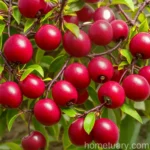
Bird cherry (Prunus padus ‘DTR 117’ SUMMER GLOW) is a delightful ornamental shrub that is known for its charming appearance and landscape value. This variety of Prunus padus, commonly referred to as bird cherry or hackberry, offers a profusion of beautiful flowers in the summer, followed by black fruits that attract birds, hence the name “bird cherry.” The ‘DTR 117’ SUMMER GLOW is a specific cultivar, acclaimed for its summer flowering and aesthetic appeal. This article aims to provide a comprehensive guide to this fascinating plant, covering its culture, uses, care requirements, and much more.
Key Takeaways – Bird Cherry (Prunus padus ‘DTR 117’ SUMMER GLOW)
Before we delve into the detailed aspects of bird cherry, let’s highlight some key takeaways about this beautiful plant, Prunus padus ‘DTR 117’ SUMMER GLOW:
- The ‘DTR 117’ SUMMER GLOW is a specific cultivar of Prunus padus, known for its stunning summer flowering and ornamental features.
- Bird cherry is favored for its landscape value, attracting birds with its black fruits and adding aesthetic appeal to gardens and public spaces.
- The plant requires adequate sunlight, well-drained soil, and regular watering for healthy growth and abundant flowering.
- Pruning and propagation are essential aspects of bird cherry care to maintain its shape and promote new growth.
- Bird cherry is generally low-maintenance and disease-resistant, making it an excellent choice for novice gardeners and landscape designers.
Now, let’s explore the various aspects of bird cherry in detail.
Culture of Bird Cherry (Prunus padus ‘DTR 117’ SUMMER GLOW)
Water
Bird cherry, like most shrubs, requires regular watering, especially during the establishment phase. However, once established, it is relatively drought-tolerant and can withstand short periods of dry conditions. Adequate moisture is crucial during the flowering and fruiting periods to ensure healthy growth and fruit development.
Sunlight
This plant thrives in full sunlight to partial shade. It is essential to provide at least six hours of direct sunlight for the best flowering and overall vigor. Planting bird cherry in a well-lit location ensures that it can showcase its beautiful blooms and foliage to their full potential.
Fertilizer
Bird cherry is not overly demanding when it comes to fertilizer. A balanced, slow-release fertilizer applied in early spring can provide the necessary nutrients for robust growth and abundant flowering. Avoid excessive fertilization, as it can lead to excessive foliage at the expense of flowering.
Soil
Well-drained soil is crucial for the health and longevity of bird cherry. It prefers slightly acidic to neutral soil with good drainage. Amending heavy clay soils with organic matter can improve drainage and create a favorable growing environment for the plant.
Pruning and Propagation
Pruning
Pruning is an important aspect of bird cherry care, primarily aimed at maintaining its shape, removing dead or diseased wood, and promoting new growth. The best time to prune bird cherry is after flowering to avoid cutting off potential flower buds. It is advisable to prune older branches to encourage the emergence of new shoots and maintain the overall health and vigor of the plant.
Propagation
Bird cherry can be propagated through semi-hardwood cuttings or by seed. Semi-hardwood cuttings taken in late summer or early fall can root successfully under favorable conditions. Seeds can be collected from ripe fruits and sown in a prepared seed bed. However, keep in mind that seed-grown plants may not necessarily retain the exact characteristics of the parent plant, as they are subject to genetic variation.
Uses of Bird Cherry (Prunus padus ‘DTR 117’ SUMMER GLOW)
Ornamental Value
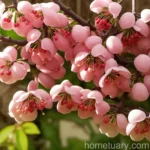
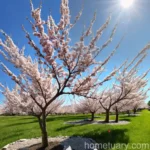
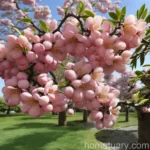
The ornamental value of bird cherry is unparalleled, especially during the summer when it bursts into a profusion of white flowers. Its elegant flowers are followed by small black fruits that attract birds, adding to its visual appeal. The plant’s attractive foliage and graceful form make it an excellent choice for landscaping, lending a naturalistic, picturesque charm to gardens and public spaces.
Wildlife Benefits
Bird cherry provides valuable food for wildlife, particularly birds that are attracted to its fruits. By planting bird cherry, you can contribute to the local ecosystem by providing a food source for birds and supporting biodiversity in your area.
Medicinal and Culinary Uses
In traditional medicine, bird cherry has been ascribed certain medicinal properties. The bark and leaves have been used historically for various medicinal purposes. Additionally, the fruits can be used in jams and jellies, although they are typically consumed by wildlife.
Common Diseases and Pests
Diseases
Bird cherry is relatively resistant to diseases, particularly when grown in suitable conditions. However, it may occasionally encounter fungal diseases such as powdery mildew or leaf spot, especially in humid or poorly ventilated environments.
Pests
Aphids and scale insects are among the potential pests that can affect bird cherry. Regular inspection of the plant can help to identify and address pest infestations promptly. Applying horticultural oils or insecticidal soaps can effectively control these pests without causing harm to beneficial insects.
Botanist’s Tips
Landscape Design
When incorporating bird cherry into landscape designs, consider its mature size and graceful form. Planting it in groupings or using it as a focal point in the garden can enhance its visual impact. Additionally, its tolerance for a range of soil types and moisture levels makes it a versatile choice for various landscape settings.
Growth Requirements
Understanding the growth requirements of bird cherry is crucial for its successful cultivation. Pay attention to its sunlight, water, and soil preferences, and ensure that it is provided with the necessary conditions for optimal growth and flowering.
Fun Facts about Bird Cherry (Prunus padus ‘DTR 117’ SUMMER GLOW)
- The flowers of bird cherry are not only visually appealing but also emit a pleasant fragrance, attracting bees and other pollinators to the garden.
- In folklore, the bird cherry tree is associated with protection and is believed to ward off evil spirits.
- The fruits of bird cherry are edible but are best left to the wildlife, as they are a valuable food source for birds and other animals.
Links to External Resources
For further information about bird cherry (Prunus padus ‘DTR 117’ SUMMER GLOW) and related topics, you may find the following resources helpful: