Patience Dock (Rumex Patientia)
Plants have been an integral part of human life since time immemorial. They have immense ecological, economic, and cultural importance. With over 375,000.
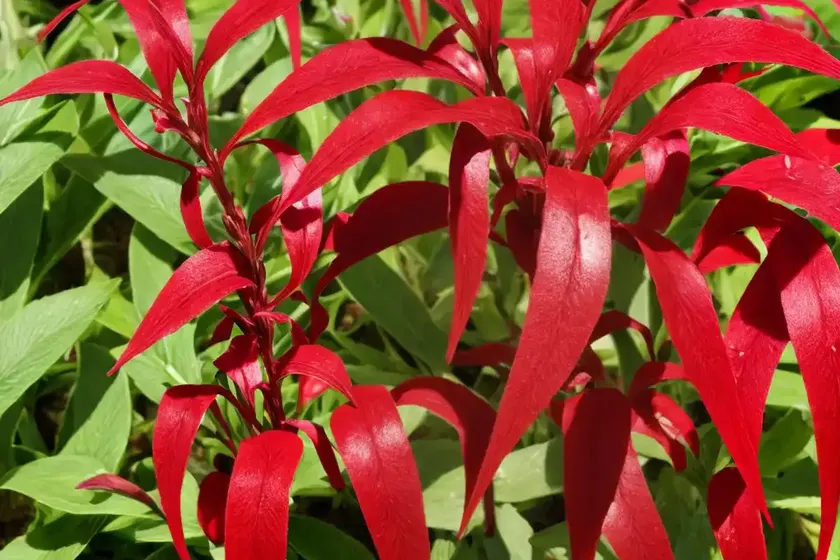
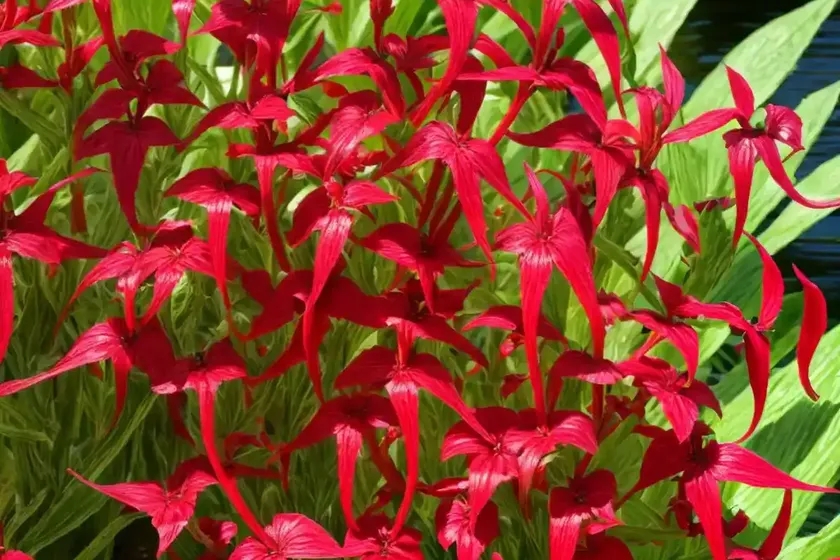
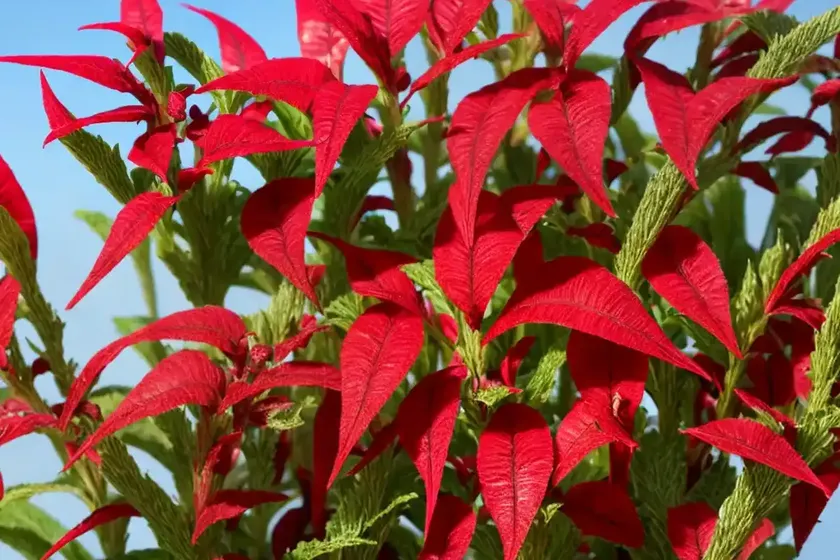
Plants have been an integral part of human life since time immemorial. They have immense ecological, economic, and cultural importance. With over 375,000 plant species identified worldwide, each plant has unique characteristics, uses, and cultural significance. In this comprehensive guide, we will delve into the captivating world of the Patience Dock (Rumex Patientia), a lesser-known but intriguing plant with a rich history, culinary uses, and medicinal benefits.
What is Patience Dock (Rumex Patientia)?
Patience Dock, scientifically known as Rumex Patientia, is a perennial plant belonging to the Polygonaceae family. Commonly referred to as patience dock, garden patience, or monk’s rhubarb, it is native to Europe and western Asia but has also naturalized in other parts of the world. This plant is characterized by its broad, slightly acidic leaves and impressive stature, reaching up to 2 meters in height. The plant’s flowering period typically spans from June to August, during which it blooms with small greenish flowers that develop into seed clusters.
Key Takeaways – Patience Dock (Rumex Patientia)
Before we dive deeper into the world of Patience Dock, let’s take a look at the key takeaways regarding this fascinating plant:
- Botanical Name: Rumex Patientia
- Family: Polygonaceae
- Common Names: Patience Dock, Garden Patience, Monk’s Rhubarb
- Native Habitat: Europe and Western Asia
- Flowering Period: June to August
- Distinctive Feature: Broad, Slightly Acidic Leaves
As we explore the various aspects of Patience Dock, we will touch upon its cultural significance, uses, growth requirements, and maintenance tips.
Culture
Understanding the cultural significance of plants is crucial in appreciating their historical, traditional, and symbolic value. Patience Dock, with its deep-rooted history and folklore, holds cultural importance in various societies.
Patience Dock in Folklore
Throughout history, Patience Dock has been associated with patience, endurance, and resilience. Its inclusion in folklore and traditional beliefs has cemented its place in the cultural tapestry of many regions. For centuries, Patience Dock has symbolized steadfastness, trust, and unwavering hope, making it a significant emblem in local traditions and storytelling.
Historical Significance
Beyond folklore, Patience Dock has played a role in traditional remedies and has been a part of culinary and medicinal practices for generations. This historical significance has given the plant enduring relevance and contributed to its continued cultivation and usage.
Uses
The uses of Patience Dock are multifaceted, ranging from medicinal and culinary applications to its ecological importance.
Medicinal Uses
Patience Dock possesses medicinal properties that have been tapped into for various health benefits. From addressing digestive issues to serving as a diuretic, the plant has been utilized in traditional medicine. Its high nutritional value and phytochemical composition contribute to its therapeutic potential.
Culinary Uses
In the culinary world, Patience Dock has been an interesting addition, particularly in traditional and regional cuisines. Its edible parts, including the leaves and stems, have found their way into soups, salads, and other dishes, adding a unique flavor profile and nutritional benefits.
Ecological Importance
In its natural habitat and beyond, Patience Dock contributes to the ecological balance. Its role as a perennial plant with robust growth patterns aids in soil conservation, erosion control, and habitat sustenance for various organisms.
Growing Patience Dock
Cultivating Patience Dock can be a rewarding experience, whether in a home garden or a larger agricultural setting. Understanding its growth requirements and optimal conditions is essential for successful cultivation.
Water
Patience Dock thrives in moist soil conditions, requiring regular watering to maintain adequate moisture levels. However, it is essential to avoid waterlogged conditions, which can be detrimental to the plant’s health.
Sunlight
When it comes to sunlight, Patience Dock prefers partial shade to full sun. Providing it with the right balance of sunlight is crucial to promoting healthy growth and flowering.
Fertilizer
A balanced fertilizer application, especially during the growing season, can support the development and vigor of Patience Dock. Organic fertilizers rich in nitrogen can be beneficial for the plant’s overall health.
Soil
The ideal soil for Patience Dock is well-drained, slightly acidic, and rich in organic matter. It is important to ensure proper soil preparation to create an optimal environment for the plant’s roots to thrive.
Pruning
Pruning Patience Dock, especially after its flowering period, can help maintain its shape and encourage new growth. Removing spent flowers and any damaged or excessive growth can promote the plant’s overall health and aesthetics.
Propagation
The propagation of Patience Dock can be achieved through various methods, including seed propagation and division. Understanding the most suitable propagation techniques is essential for successfully expanding the plant’s presence in different settings.
Container Popularity
In addition to being cultivated in garden beds, Patience Dock has gained popularity as a container plant. Its striking appearance and adaptability make it a compelling choice for container gardening enthusiasts.
Container Gardening Tips
- Select a spacious and sturdy container to accommodate the plant’s growth.
- Ensure adequate drainage to prevent waterlogging.
- Use a nutrient-rich potting mix to provide essential nourishment to the plant.
Common Diseases
While Patience Dock is a resilient plant, it is not immune to certain diseases that can impact its vitality. By recognizing common diseases and adopting preventive measures, the plant’s overall health can be safeguarded.
Disease Diagnosis
The identification of symptoms associated with common plant diseases, including fungal infections and bacterial issues, is crucial for prompt intervention and treatment.
Common Pests
Pests can pose a threat to the well-being of Patience Dock, requiring vigilance and appropriate pest management strategies to mitigate potential damage.
Botanist’s Tips
Drawing from the expertise of botanists and horticulturists, valuable tips for cultivating and caring for Patience Dock can enhance the plant’s performance and longevity.
Fun Facts
Exploring the intriguing and lesser-known aspects of Patience Dock through fascinating fun facts can provide a deeper appreciation for this remarkable plant.
Botanical Insight
Patience Dock belongs to the genus Rumex, which encompasses numerous plant species with diverse characteristics and uses. Its botanical traits and genetic makeup contribute to its unique identity in the plant kingdom.
Conclusion
In conclusion, Patience Dock (Rumex Patientia) stands as a captivating plant with a rich tapestry of cultural, culinary, and medicinal significance. As we unravel its botanical profile, growth requirements, and practical uses, we gain a deeper understanding of its ecological importance and historical relevance. By embracing the allure of Patience Dock and its enduring legacy, we can cultivate a deeper connection with the natural world and the remarkable plants that enrich our lives.
Plant Name: Patience Dock (Rumex Patientia)


