Patchouli (Pogostemon Cablin)
by [Your Name]
by [Your Name]
Introduction
Patchouli (Pogostemon Cablin) is a versatile plant known for its distinct fragrance and various medicinal and ornamental uses. This comprehensive guide aims to provide insights into the various aspects of this plant, including its cultural requirements, uses, and maintenance.
Patchouli has gained popularity for its essential oil, which is extensively used in perfumery, aromatherapy, and skincare products. Additionally, its cultural significance and traditional uses make it a fascinating subject for botanical enthusiasts and researchers.
In this guide, we will explore the plant’s botanical characteristics, cultivation, propagation, and its diverse uses in a range of fields. Whether you are a seasoned gardener, aspiring botanist, or simply intrigued by the multifaceted nature of plants, this guide will provide you with in-depth knowledge about Patchouli.
What is Patchouli (Pogostemon Cablin)?
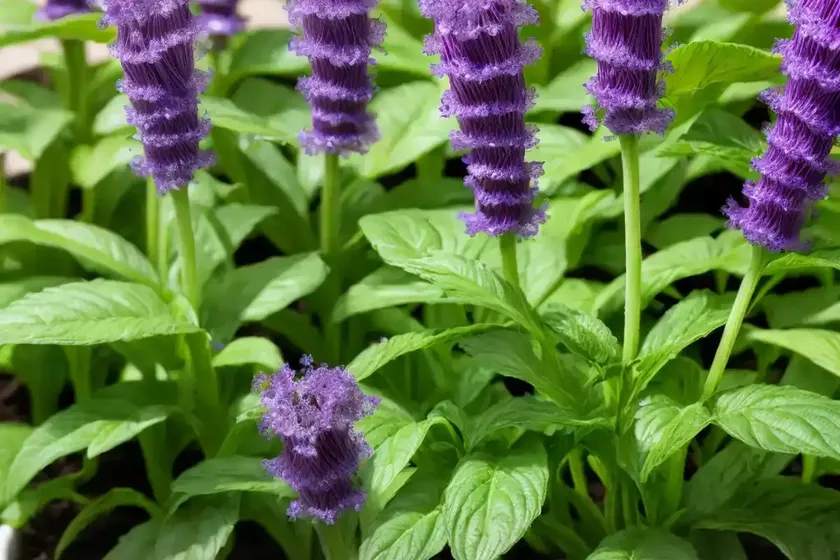
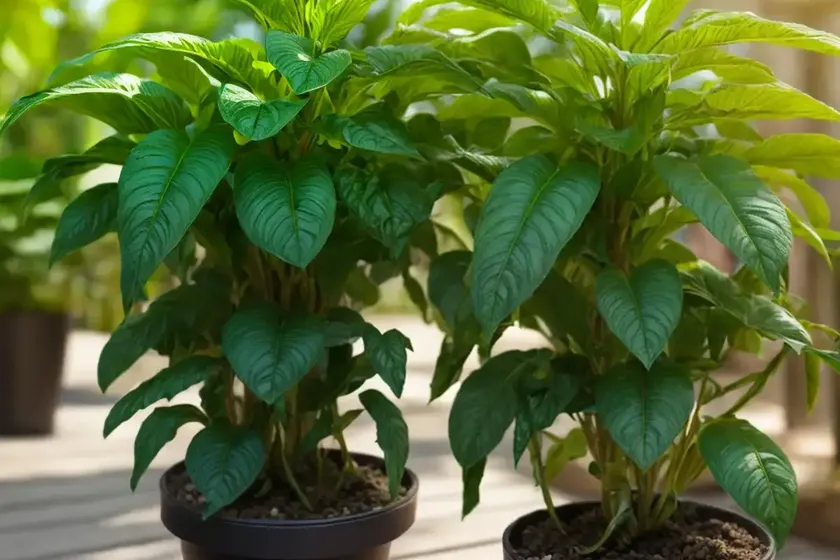
Patchouli (Pogostemon Cablin) is a species of perennial herb belonging to the Lamiaceae family, which also includes mint, basil, and lavender. This aromatic plant is native to Southeast Asia, where it thrives in warm and tropical climates. The plant is characterized by its fragrant leaves and small, pale pink-white flowers.
The essential oil extracted from Patchouli leaves has a rich, earthy scent with sweet and spicy undertones, making it a prized ingredient in the fragrance industry. Beyond its olfactory appeal, Patchouli possesses therapeutic properties, making it valuable in traditional medicine and aromatherapy practices.
Botanical Characteristics
| Feature | Description |
|---|---|
| Family | Lamiaceae |
| Genus | Pogostemon |
| Species | Pogostemon Cablin |
| Common Names | Patchouli, Pucha Pot |
| Habitat | Tropical regions |
| Growth Habit | Perennial herb |
| Fragrance | Earthy, sweet, and spicy |
| Flower Color | Pale pink-white |
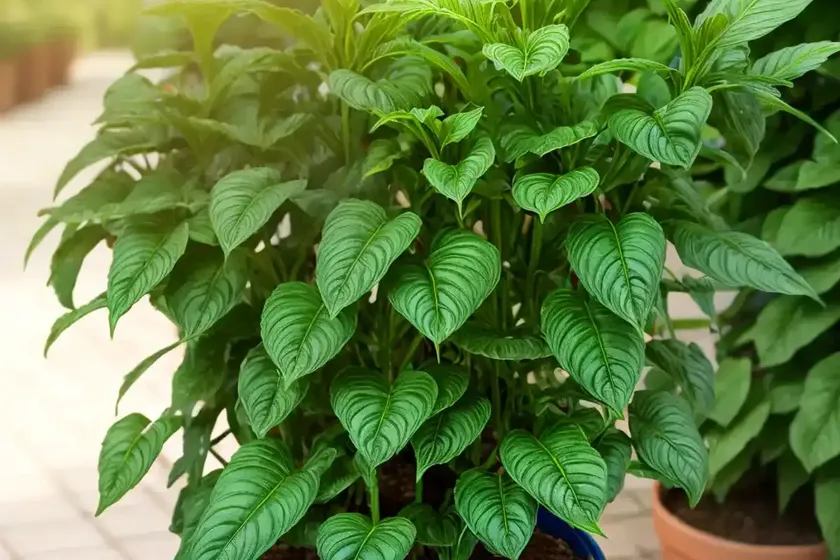
| Leaf Characteristics | Aromatic, deeply veined |
Key Takeaways – Patchouli (Pogostemon Cablin)
Before delving into the details of Patchouli’s culture, uses, and maintenance, it’s essential to highlight the key takeaways associated with this versatile plant.
Patchouli Plant Benefits
- Versatile uses in perfumery, aromatherapy, and traditional medicine.
- A sustainable crop with potential economic benefits in essential oil production.
- Ornamental value due to its fragrant foliage and attractive flowers.
- Natural insect repellent properties make it a valuable addition to organic gardening.
Pogostemon Cablin Plant Uses
- Essential oil extraction for fragrance and therapeutic applications.
- Medicinal properties in traditional healing practices.
- Aromatherapy for relaxation, stress relief, and emotional well-being.
- Cultural significance in rituals, folklore, and spiritual practices.
Patchouli Plant Care Tips
- Thrives in warm, tropical climates with well-draining soil.
- Requires regular watering to maintain soil moisture.
- Benefits from full to partial sunlight for optimal growth.
- Pruning to encourage bushy growth and essential oil production.
Pogostemon Cablin Essential Oil
- Valuable in perfumery for its earthy, musky fragrance.
- Used in skincare products for its skin-rejuvenating properties.
- Aromatherapeutic applications for relaxation and mental clarity.
Patchouli Plant Properties
- Distinctive aroma with complex olfactory characteristics.
- Therapeutic properties with potential health benefits.
- Ornamental appeal due to lush, aromatic foliage.
Culture
The cultural requirements of Patchouli play a pivotal role in its successful growth and development. Understanding its preferences for water, sunlight, soil, and fertilization is essential for cultivating healthy and fragrant plants.
Uses
Patchouli’s uses are diverse, ranging from its aromatic appeal to its medicinal and ornamental properties. Understanding the various applications of Patchouli enables enthusiasts to appreciate its significance and potential benefits in multiple domains.
Water
Proper watering is crucial for maintaining the health and vigor of Patchouli plants. Understanding the water needs of this species is essential for preventing issues related to over-watering or under-watering.
Sunlight
Sunlight plays a vital role in the growth and development of Patchouli. By providing the appropriate light conditions, growers can ensure that their plants thrive and produce optimal foliage and essential oils.
Fertilizer
Fertilization practices can significantly impact Patchouli’s growth and aroma production. Knowing the right type and application of fertilizers is essential for maintaining healthy and vibrant plants.
Soil
The type of soil and its characteristics directly influence the overall health and vitality of Patchouli plants. Understanding the ideal soil conditions for this species is crucial for successful cultivation.
Pruning
Pruning is an essential aspect of maintaining Patchouli plants, as it promotes bushier growth and enhances essential oil production. Proper pruning techniques can optimize the plant’s aromatic qualities.
Propagation
Learning about Patchouli’s propagation methods enables enthusiasts to expand their plant collection and cultivate new generations of aromatic herbs. Understanding effective propagation techniques is vital for successful reproduction.
Container Popularity
Growing Patchouli in containers has gained popularity due to its versatility and compact growth habit. Exploring container cultivation techniques allows enthusiasts to enjoy Patchouli’s fragrance in various settings.
Container Common Diseases
Understanding the common diseases that affect Patchouli plants in containers is vital for implementing preventive measures and maintaining the plants’ health and vitality.
Disease diagnosis
Early diagnosis of diseases in Patchouli plants is crucial for timely intervention and successful management. Recognizing the symptoms of common diseases is essential for preserving the plants’ well-being.
Common pests
Identifying and addressing common pests that affect Patchouli plants is essential for preventing infestations and sustaining plant health. Implementing pest management strategies is crucial for successful cultivation.
Uses
Patchouli’s multifaceted uses encompass diverse domains, from aromatherapy and perfumery to traditional medicine and cultural practices. Understanding the breadth of its applications provides insight into the plant’s significance and value.
Botanist’s Tips
The insights and tips provided by experienced botanists are invaluable for cultivating and maintaining healthy Patchouli plants. Understanding expert recommendations enriches the cultivation experience and enhances the plants’ well-being.
Fun Facts
Exploring the intriguing and lesser-known facts about Patchouli enhances enthusiasts’ appreciation for this fascinating plant. Uncovering fun and captivating details adds depth to the understanding of Patchouli’s cultural and botanical significance.
Links to External Resources
Engaging with reputable external resources provides enthusiasts with additional knowledge and guidance on various aspects of Patchouli cultivation, uses, and maintenance. Accessing reliable sources enriches the overall understanding of this versatile plant.
Conclusion
Patchouli (Pogostemon Cablin) is a remarkable plant with a rich history, diverse uses, and significant cultural and botanical value. Its aromatic appeal, therapeutic properties, and ornamental value make it a captivating subject for enthusiasts and researchers alike.
Understanding the intricate cultural requirements, uses, and maintenance practices associated with Patchouli empowers growers and enthusiasts to cultivate healthy and vibrant plants. Whether it’s the allure of its essential oil, the cultural significance, or the ornamental appeal, Patchouli continues to captivate individuals across the globe.
This comprehensive guide aims to provide a thorough understanding of Patchouli, from its botanical characteristics to its various uses and maintenance practices. By delving into the nuances of this versatile plant, readers can gain a deep appreciation for its multifaceted nature and discover the numerous ways it enriches our lives.
Incorporating Patchouli into personal gardens, aromatherapy practices, or research endeavors allows individuals to partake in the legacy of this remarkable plant while contributing to its continued appreciation and exploration in botanical and cultural contexts.
We hope this guide has provided valuable insights and inspiration for embarking on your journey with Patchouli, whether it’s through cultivation, exploration of its uses, or deepening your appreciation for its cultural and historical significance.
Thank you for joining us on this enriching exploration of Patchouli (Pogostemon Cablin). May your journey with this remarkable plant be filled with aromatic discoveries and rewarding experiences.
As a plant scientist, I am deeply passionate about the multifaceted nature of Patchouli and its captivating presence in botanical, cultural, and aromatic realms. I hope this comprehensive guide enriches your understanding of Patchouli and inspires you to embark on an aromatic and insightful journey with this remarkable plant.
References:
1. Pogostemon cablin – Patchouli. (n.d.). In Missouri Botanical Garden. Retrieved from [link]
2. Pogostemon cablin (Blanco) Benth. (n.d.). In Plants of the World Online. Retrieved from [link]
3. Vagadia, A. (2020). Pogostemon cablin (Blanco) Benth.—A review on morphology, phytochemistry and pharmacology. Journal of Applied Research on Medicinal and Aromatic Plants, 19, 100286. [link]
4. Malik, S., Sharma, R., Sharma, P., Chandra, V., & Atal, C. K. (2006). A review on genus Pogostemon: its ethnopharmacology, phytochemistry and pharmacology. Fitoterapia, 77(4), 279-283. [link]


