Parthenocissus Tricuspidata (Boston Ivy)
Parthenocissus tricuspidata, commonly known as Boston Ivy, is a deciduous, fast-growing vine that belongs to the grape family, Vitaceae. This plant is.
Introduction
Parthenocissus tricuspidata, commonly known as Boston Ivy, is a deciduous, fast-growing vine that belongs to the grape family, Vitaceae. This plant is renowned for its beautiful foliage, ease of cultivation, and versatility in various landscapes. In this extensive guide, we will explore the culture, uses, care requirements, common diseases, pests, and propagation techniques associated with Parthenocissus tricuspidata.
What is Parthenocissus tricuspidata?
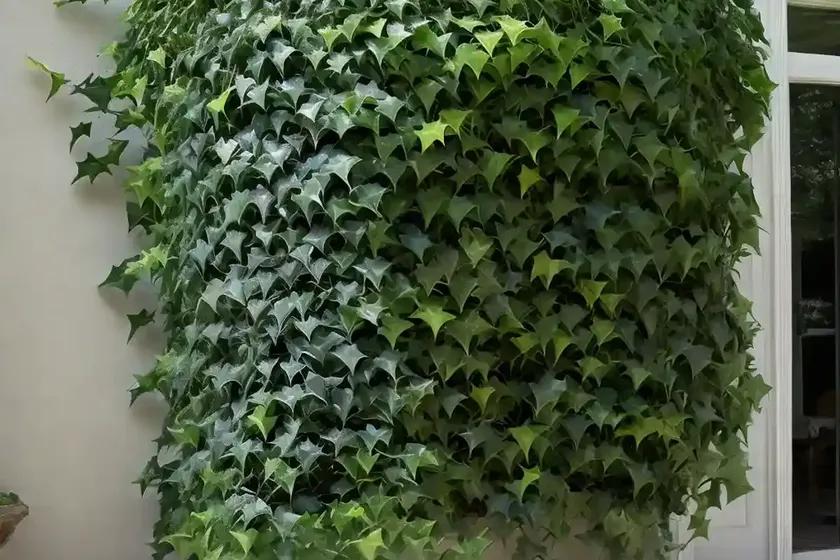
Parthenocissus tricuspidata is a vigorous climber native to China, Japan, and Korea. It is widely cultivated for its ornamental characteristics, including stunning dark green leaves that turn vibrant shades of red, orange, or purple in the fall, enhancing the visual appeal of gardens, buildings, and landscapes.
This plant is suitable for adorning walls, fences, and arbors, as well as for creating ground covers. Furthermore, its resilience to urban pollutants and tolerance to various soil types make it an ideal choice for urban gardeners and landscapers.
Key Takeaways: Parthenocissus tricuspidata (Boston Ivy)
Culture
-
Hardiness: Parthenocissus tricuspidata is hardy in USDA zones 4-8, making it adaptable to a wide range of climates.
-
Growth Rate: It is a fast-growing vine, capable of reaching heights of 30-50 feet.
-
Soil: Well-draining, fertile soil is preferred. It can tolerate a wide range of soil pH levels.
-
Watering: Regular watering is essential, especially during the first year of growth to establish a strong root system.
Uses
-
Ornamental: Widely cultivated for its ornamental foliage, fall color, and versatility in landscape designs.
-
Coverage: Ideal for covering walls, trellises, arbors, and other structures.
-
Pollinator Attraction: The tiny, inconspicuous flowers of Boston Ivy attract bees and other pollinators.
-
Wildlife Habitat: The fruit of Parthenocissus tricuspidata serves as a food source for birds.
Sunlight
- Sun Requirements: Boston Ivy thrives in full sun to partial shade, making it adaptable to various light conditions.
Fertilizer
- Needs: Minimal fertilizer is required for established plants. A balanced fertilizer in the spring can support healthy growth.
Soil
- Preference: Well-draining, fertile soil with a neutral to slightly acidic pH.
Pruning
- Techniques: Prune in late winter or early spring to control growth and shape the plant as desired.
Propagation
- Methods: Propagation is commonly achieved through softwood cuttings in early summer or hardwood cuttings in late fall or winter.
Container Popularity
- Suitability: Parthenocissus tricuspidata is well-suited for container gardening, provided it receives adequate support for its vining habit.
Common Diseases
- Disease Resistance: Boston Ivy is relatively resistant to diseases but may be susceptible to leaf spots, canker, or powdery mildew under unfavorable conditions.
Disease Diagnosis
- Identification: Regular monitoring for leaf discoloration, spots, or fungal growth can aid in early disease detection. Proper sanitation and cultural practices can help prevent disease occurrence.
Common Pests
- Susceptibility: While generally pest-resistant, Boston Ivy may attract Japanese beetles, scale insects, and caterpillars under certain circumstances.
Botanist’s Tips
- Optimal Growth: Providing adequate support and regular maintenance can enhance the health and appearance of Parthenocissus tricuspidata.
Fun Facts
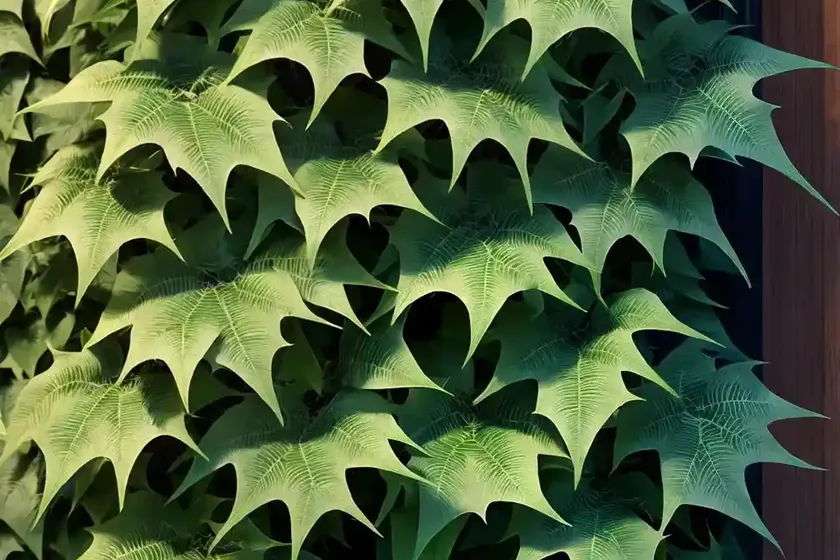
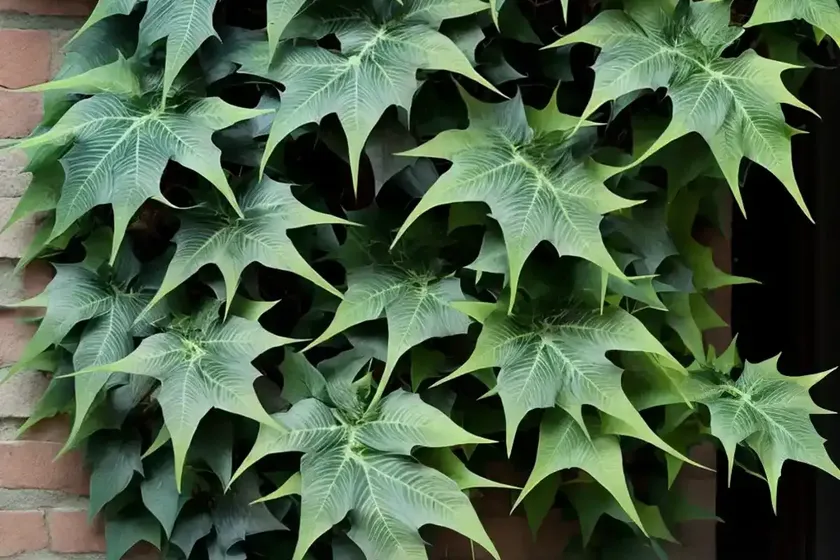
- Parthenocissus tricuspidata is commonly mistaken for poison ivy due to its similar leaf shape, but it is not toxic to humans or animals.
Conclusion
Parthenocissus tricuspidata, or Boston Ivy, is a versatile and visually appealing plant with a range of uses in both domestic and urban landscapes. Its resilience, low-maintenance nature, and vibrant seasonal displays make it a valuable addition to gardens, structures, and natural spaces.
For further detailed information, here are some external resources:
So, whether you are a novice gardener looking for an adaptable and aesthetically pleasing plant or a seasoned landscaper seeking to add visual interest to a project, Parthenocissus tricuspidata is an excellent choice that is sure to impress.
Keywords: Parthenocissus tricuspidata care, Parthenocissus tricuspidata planting, Parthenocissus tricuspidata pruning, Parthenocissus tricuspidata propagation, Parthenocissus tricuspidata growth, Parthenocissus tricuspidata varieties, Parthenocissus tricuspidata leaves, Parthenocissus tricuspidata vines, Parthenocissus tricuspidata benefits, Parthenocissus tricuspidata uses, Parthenocissus tricuspidata landscape, Parthenocissus tricuspidata pests, Parthenocissus tricuspidata diseases, Parthenocissus tricuspidata climber, Parthenocissus tricuspidata sun requirements, Parthenocissus tricuspidata shade tolerance, Parthenocissus tricuspidata indoor care, Parthenocissus tricuspidata outdoor care, Parthenocissus tricuspidata planting tips, Parthenocissus tricuspidata growth rate, Parthenocissus tricuspidata pruning techniques, Parthenocissus tricuspidata propagation methods, Parthenocissus tricuspidata trailing vine, Parthenocissus tricuspidata ground cover, Parthenocissus tricuspidata wall covering, Parthenocissus tricuspidata fall color, Parthenocissus tricuspidata winter hardiness, Parthenocissus tricuspidata invasive, Parthenocissus tricuspidata native habitat, Parthenocissus tricuspidata key features, Parthenocissus tricuspidata climbing support, Parthenocissus tricuspidata common names, Parthenocissus tricuspidata in containers, Parthenocissus tricuspidata ground attachment, Parthenocissus tricuspidata arboreal growth, Parthenocissus tricuspidata leaf shape, Parthenocissus tricuspidata water requirements, Parthenocissus tricuspidata fertilizer needs, Parthenocissus tricuspidata seasonality, Parthenocissus tricuspidata bloom time, Parthenocissus tricuspidata wildlife attraction, Parthenocissus tricuspidata disease resistance, Parthenocissus tricuspidata pollinator interactions, Parthenocissus tricuspidata habitat preference, Parthenocissus tricuspidata trellis, Parthenocissus tricuspidata pergola, Parthenocissus tricuspidata arbor, Parthenocissus tricuspidata support structure, Parthenocissus tricuspidata ground attachment, Parthenocissus tricuspidata wall attachment


