Parsnip (Pastinaca Sativa)
Parsnips (Pastinaca sativa) are a delightful and nutritious addition to any garden. These root vegetables have a rich history, boast numerous health.
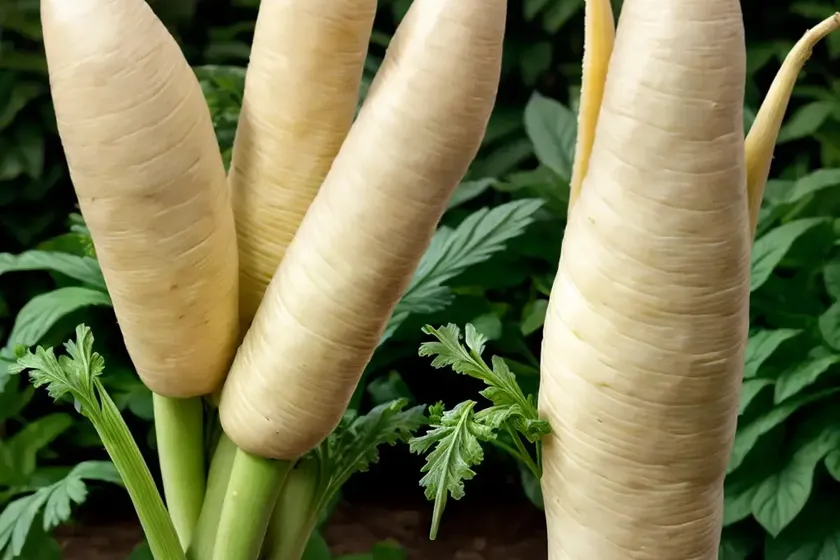
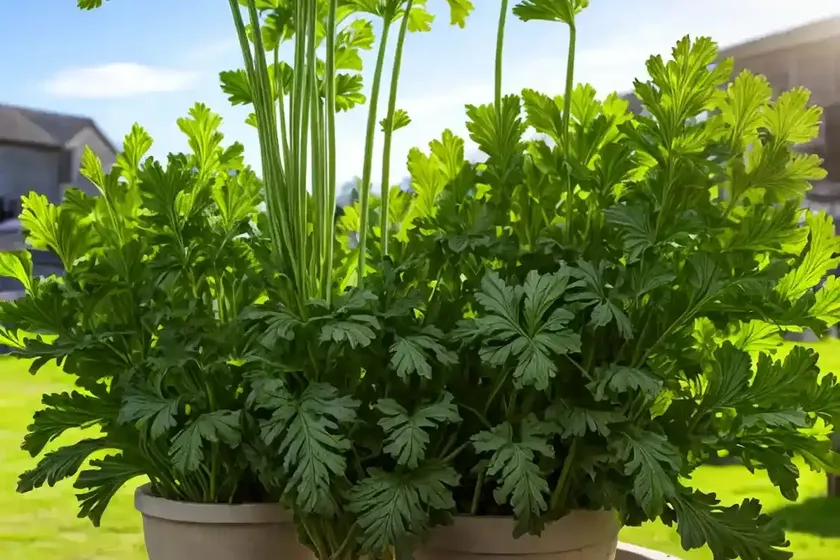
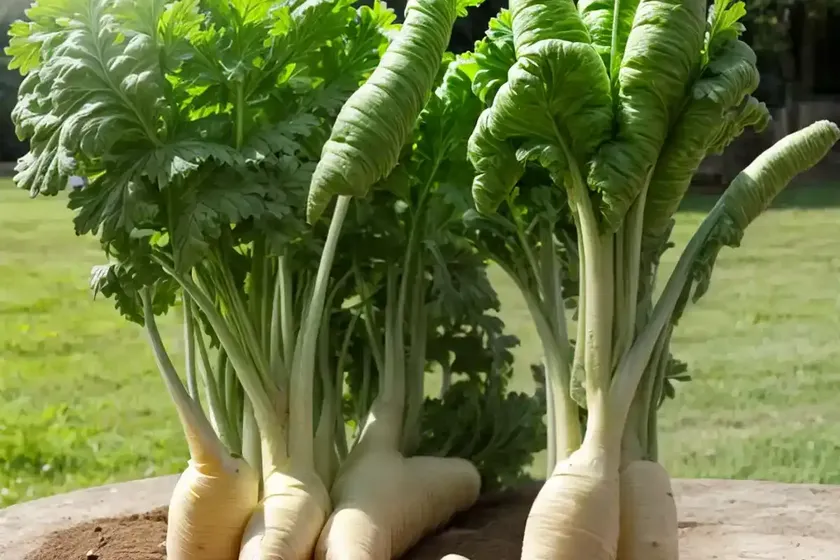
Parsnips (Pastinaca sativa) are a delightful and nutritious addition to any garden. These root vegetables have a rich history, boast numerous health benefits, and are incredibly versatile in the kitchen. In this comprehensive guide, we will delve into the world of parsnips, exploring their cultivation, culinary uses, health benefits, and more.
Key Takeaways – Parsnip (Pastinaca sativa)
- Botanical Name: Pastinaca sativa
- Type: Root Vegetable
- Nutritional Highlights: Rich in fiber, vitamin C, and various other essential nutrients
- Flavor Profile: Sweet and earthy
- Culinary Uses: Soups, roasting, mashes, and more
- Health Benefits: Supports immune health, aids digestion, and more
- Cultivation: Requires well-drained soil, ample sunlight, and consistent watering
What is Parsnip (Pastinaca sativa)?
Parsnip, scientifically known as Pastinaca sativa, is a member of the Apiaceae family, which also includes carrots, celery, and parsley. It is a biennial plant, primarily cultivated for its creamy-white, carrot-shaped root, which is the edible portion of the plant. Native to Eurasia, parsnip has been used in culinary and medicinal applications for centuries.
Botanical Description
The parsnip plant boasts a rosette of pinnate, deeply divided leaves that arise from the crown of the root. When allowed to flower, it produces small, yellow, five-petaled flowers arranged in umbrella-shaped clusters known as umbels. These flowers are highly attractive to pollinators. The plant’s root is its most prized feature, known for its sweet, nutty flavor and creamy texture.
Cultivation of Parsnips
Culture
- Climate: Parsnips thrive in cool climates, making them well-suited for cultivation in temperate regions.
- Planting Time: Ideally, parsnips should be sown in early spring, as soon as the soil can be worked. They can also be sown in late summer for a fall harvest.
- Soil Temperature: The soil temperature for planting parsnips should be around 50-85°F (10-29°C).
- Soil Type: Well-drained, loamy soil that is rich in organic matter is ideal for parsnip cultivation.
Water
- Watering: Consistent moisture is crucial for the successful growth of parsnips. However, it is important to avoid waterlogged conditions, as this can lead to rotting of the roots.
- Watering Schedule: Water the plants deeply once or twice a week, ensuring the soil remains consistently moist.
Sunlight
- Sun Exposure: Parsnips require at least 6-8 hours of direct sunlight daily for optimal growth and root development.
Fertilizer
- Fertilization: Prior to planting, incorporate well-rotted manure or compost into the soil to improve its fertility and nutrient content.
- Additional Fertilization: If the soil is deficient in nutrients, a balanced fertilizer can be applied at planting and then again mid-season.
Soil
- pH Level: The soil pH for growing parsnips should ideally be between 6.0 and 7.5.
- Soil Preparation: Prepare the soil by removing any rocks or debris and working it to a fine, crumbly texture to allow the roots to grow straight and true.
Pruning and Propagation of Parsnips
Pruning
Parsnip plants generally do not require significant pruning. Minor pruning, such as the removal of any damaged or diseased foliage, can be carried out as needed.
Propagation
- Seed Selection: Choose high-quality, disease-free parsnip seeds for sowing.
- Seed Sowing: Sow the seeds directly into the prepared soil, spacing them at regular intervals.
Growing Parsnips in Containers
Parsnips can also be successfully grown in containers, provided that the containers are large enough to accommodate the extensive root system of the plant.
Container Requirements
- Container Size: At least 12 inches deep and 12-18 inches wide.
- Drainage: Ensure that the containers have adequate drainage holes to prevent waterlogging.
- Soil: Well-draining potting mix with added compost or organic matter is recommended for container-grown parsnips.
Popularity of Parsnips
Parsnips have been a beloved vegetable for centuries, valued for their sweet, earthy flavor and versatility in the kitchen. While their popularity may have waned in certain regions during the 20th century, there has been a resurgence of interest in parsnips in recent years, driven by a growing appreciation for heirloom and traditional vegetables.
Common Diseases of Parsnips and Disease Diagnosis
Parsnips, like many other plants, are susceptible to a range of diseases. Common diseases that may affect parsnip plants include:
- Canker: Leads to the development of dry, sunken lesions on the roots, often caused by the fungus Pythium.
- Leaf Blight: Characterized by the presence of dark, water-soaked lesions on the foliage, resulting from infection by the fungus Septoria.
- Root Rot: Causes the roots to become discolored, mushy, and malodorous. It is often attributed to overly wet or waterlogged soil conditions.
Disease Diagnosis
Early diagnosis of diseases is crucial for effective management and control. Look out for the following symptoms:
- Discoloration or lesions on the roots
- Dark spots or patches on the foliage
- Unusual odor emanating from the roots
Common Pests Affecting Parsnips
Parsnips can be targeted by various pests, including:
- Carrot Fly: The larvae of carrot flies feed on the roots, resulting in extensive damage.
- Parsnip Webworm: These pests create unsightly webs on the plant, feeding on the foliage and potentially causing defoliation.
Botanist’s Tips for Pest Management
- Companion Planting: Utilize companion planting strategies to naturally deter pests, such as interplanting with aromatic herbs like sage, thyme, or rosemary.
Fun Facts About Parsnips
- The Romans and Greeks cultivated parsnips for both culinary and medicinal purposes.
- In ancient Greece, parsnips were believed to possess aphrodisiac properties.
Now that we’ve explored the cultivation, common diseases, and pests affecting parsnips, let’s delve into the fascinating world of parsnip’s culinary uses, health benefits, and historical significance.