Parsley (Petroselinum Crispum)
Parsley (Petroselinum crispum) is an herb that has been widely used in culinary and medicinal practices across various cultures. It is a member of the.
Introduction
Parsley (Petroselinum crispum) is an herb that has been widely used in culinary and medicinal practices across various cultures. It is a member of the Apiaceae family, which also includes carrots, celery, and dill. This herb is known for its vibrant green leaves and a fresh, herbaceous flavor that can enhance the taste of a wide range of dishes. In addition to its culinary uses, parsley has also been recognized for its potential health benefits and medicinal properties.
In this comprehensive guide, we will delve into the various aspects of parsley, including its cultural requirements, uses in cooking and herbal remedies, as well as its significance in gardening and horticulture.
What is Parsley (Petroselinum crispum)?
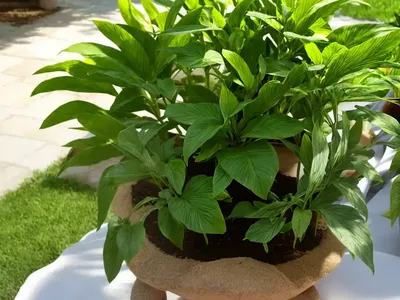
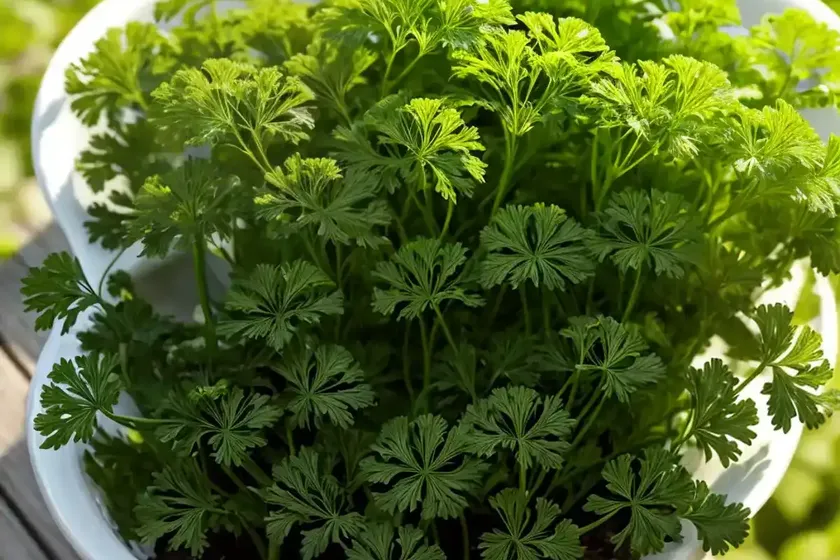
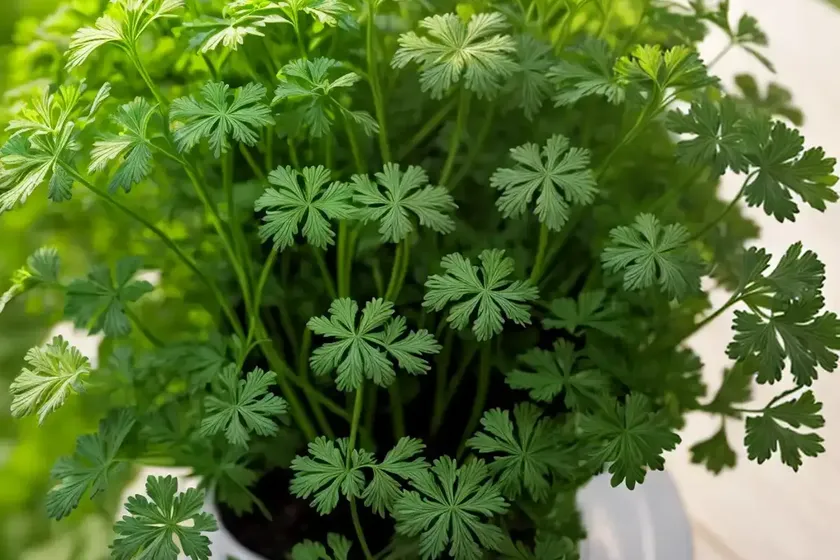
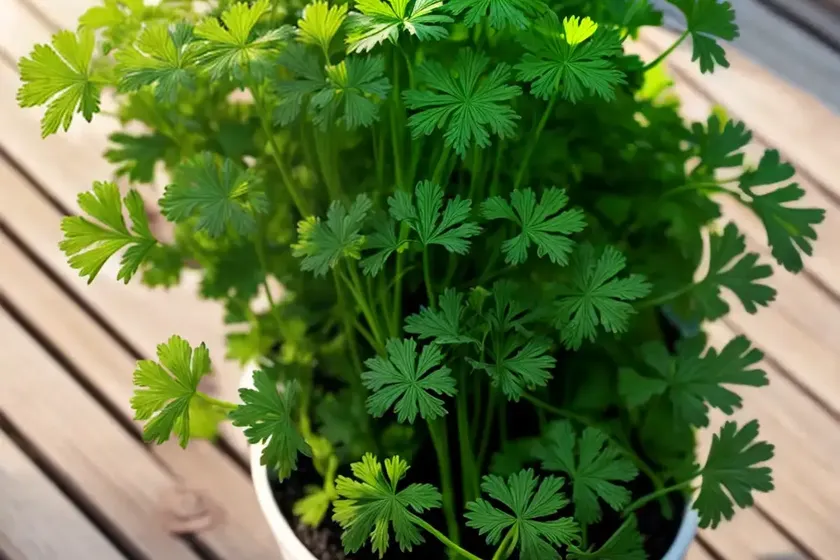
Parsley, scientifically known as Petroselinum crispum, is a biennial herbaceous plant that is native to the central Mediterranean region. The plant has bright green, deeply divided leaves that are often used as a garnish or for flavoring various dishes. It is widely cultivated for its culinary and medicinal properties and is a popular addition to herb gardens and kitchen windowsills.
Key Takeaways – Parsley (Petroselinum crispum)
Before exploring the various aspects of parsley in detail, let’s take a glance at the key takeaways associated with this versatile herb:
- Cultural Requirements
- Uses
- Water
- Sunlight
- Fertilizer
- Soil
- Pruning
- Propagation
- Container Popularity
- Common Diseases
- Disease Diagnosis
- Common Pests
- Botanist’s Tips
- Fun Facts
- Links to External Resources
Culture
Water
Parsley plants require consistent moisture to thrive, especially during dry spells. However, it is important to avoid overwatering, as this may lead to root rot. Providing the plant with a moderate and consistent water supply is essential for healthy growth. It is recommended to water the plants deeply when the soil surface begins to dry out.
Sunlight
In terms of sunlight requirements, parsley prefers partial to full sun. It thrives in well-drained soil with access to at least 4-6 hours of sunlight per day. When grown in partial shade, the plant may exhibit slower growth and produce fewer leaves.
Fertilizer
To promote healthy growth and foliage production, it is beneficial to fertilize parsley plants with a balanced, all-purpose fertilizer. This can be applied in the early stages of growth, and then again after a few weeks, following the recommended guidelines on the fertilizer packaging.
Soil
Parsley grows well in nutrient-rich, well-drained soil. It prefers slightly acidic to neutral soil with a pH range between 6.0 and 7.0. When cultivating parsley in containers, a high-quality potting mix with good drainage is recommended.
Uses
Culinary Uses
In culinary applications, parsley is widely recognized as a versatile herb that can be used fresh or dried. It is used to add flavor and color to a variety of dishes, including soups, salads, sauces, and marinades. The vibrant green leaves of parsley are often used as a garnish to enhance the visual appeal of the plated dish.
Medicinal Uses
Parsley has a long history of use in traditional medicine and herbal remedies. It is valued for its potential health benefits, including its diuretic properties and its role in promoting digestive health. Parsley tea, made from the leaves, is consumed for its purported detoxifying and cleansing properties.
Pruning
Pruning parsley is essential to encourage continuous growth and the production of fresh leaves. Regular harvesting of outer leaves or stems promotes the growth of new foliage. It is recommended to trim the plant regularly, especially before it starts to flower.
Propagation
Parsley can be propagated from both seeds and cuttings. When propagating from seeds, it is advisable to soak the seeds in warm water for a few hours before sowing to enhance germination rates. When using cuttings, ensure that they are taken from healthy, disease-free plants for successful propagation.
Container Popularity
Parsley is well-suited for container gardening, making it convenient for urban and small-space gardening. It can be grown in individual pots or as part of an herb garden in larger containers. Choosing a container with adequate drainage is crucial for preventing waterlogging and ensuring the health of the plant.
Common Diseases
Disease Diagnosis
Parsley plants may be susceptible to certain diseases, including fungal infections and root rot. Common signs of disease in parsley plants include wilting, yellowing of leaves, and the presence of mold or mildew. Proper diagnosis of the specific disease affecting the plant is essential for effective treatment.
Common Pests
Parsley can be affected by a range of pests, including aphids, spider mites, and caterpillars. Regular inspection of the plants can help in identifying pest infestations early. Natural remedies or organic pest control methods can be employed to manage pest issues without the use of harsh chemicals.
Botanist’s Tips
Fun Facts
- Parsley is often considered a biennial plant, but it is primarily grown as an annual due to its tendency to bolt and go to seed in its second year.
- The two most common types of parsley are curly leaf parsley and flat-leaf (Italian) parsley. Each variety has its own unique flavor and culinary applications.
- In folklore, parsley has been associated with symbolism such as luck, protection, and rebirth.
Fun Facts
Links to External Resources
For further information and in-depth resources on parsley (Petroselinum crispum), consider exploring the following links:
- Parsley Benefits
- Petroselinum Crispum Uses in Culinary Applications
- Parsley Health Benefits
- Petroselinum Crispum Recipes
- Parsley Cooking
- Petroselinum Crispum Cultivation
- Parsley Growing Tips
- Petroselinum Crispum Varieties
- Parsley Harvest
- Petroselinum Crispum Care
- Parsley Herbal Remedies
- Petroselinum Crispum Medicinal Properties
- Parsley Culinary Uses
- Petroselinum Crispum Culinary Herbs
- Parsley Nutrition
- Petroselinum Crispum Vitamins
- Parsley Companion Plants
- Petroselinum Crispum Garden
- Parsley Culinary Benefits
- Petroselinum Crispum Dishes
- Parsley Flavor Profile
- Petroselinum Crispum Garnish
- Parsley in Cooking
- Petroselinum Crispum Pest Control
- Parsley in Salads
- Petroselinum Crispum Pruning
- Parsley Planting Guide
- Petroselinum Crispum Culinary Tips
- Parsley in Soups
- Petroselinum Crispum Seasoning
- How to Use Parsley
- Petroselinum Crispum Essential Oil
- Parsley as a Garnish
- Petroselinum Crispum Culinary Uses
- Parsley in Mediterranean Cuisine
- Petroselinum Crispum in Herbal Medicine
- Parsley as a Detox Herb
- Petroselinum Crispum Tea
- Parsley Growing Conditions
- Petroselinum Crispum Herbal Remedies
- Parsley for Digestive Health
- Petroselinum Crispum Folklore
- Parsley in Traditional Medicine
- Petroselinum Crispum Cooking Techniques
- Parsley Health Tonics
- Petroselinum Crispum Antioxidants
- Parsley in Italian Cuisine
- Petroselinum Crispum for Skin Health
- Parsley Culinary Herbs Guide
- Petroselinum Crispum Storage Tips
In conclusion, parsley (Petroselinum crispum) deserves its reputation as a kitchen staple and a valuable herb with numerous culinary, medicinal, and cultural uses. Whether it’s enhancing the flavor of a dish, adding a touch of green to a culinary creation, or contributing to herbal remedies, parsley continues to hold a special place in the hearts of gardeners, chefs, and herbalists alike. Through careful cultivation and utilization, parsley remains a beloved and indispensable herb in various facets of daily life.
Remember, whether you are growing parsley in your backyard garden, cultivating it in a kitchen container, or incorporating it into your favorite recipes, the vibrant green leaves of parsley offer a delightful burst of flavor, fragrance, and potential health benefits.
References
- “Parsley Health Benefits” Medical News Today. Available at: https://www.medicalnewstoday.com/articles/284490
- “Parsley: Benefits, Nutrition, and Uses” Healthline. Available at: https://www.healthline.com/nutrition/parsley-benefits
- “7 Reasons Why You Should Eat More Parsley” BBC Good Food. Available at: https://www.bbcgoodfood.com/glossary/parsley
Please note that the information provided is for educational and informational purposes only and is not meant to substitute professional advice. Always consult with a healthcare professional or a botanist before using any plants for medicinal purposes.