Parry’s Agave (Agave Parryi)
Welcome to our comprehensive guide to Parry’s Agave, also known as Agave parryi. In this extensive article, we will delve into the characteristics of.
Introduction
Welcome to our comprehensive guide to Parry’s Agave, also known as Agave parryi. In this extensive article, we will delve into the characteristics of Parry’s Agave, its cultivation, care requirements, landscaping uses, and much more. Whether you are a seasoned gardener or a beginner plant enthusiast, this guide will provide you with all the necessary information to successfully cultivate and appreciate this stunning succulent.
What is Parry’s Agave (Agave parryi)?
Agave parryi, commonly referred to as Parry’s Agave, is a striking succulent plant that belongs to the Agave genus within the Asparagaceae family. This species is native to the southwestern United States and northern Mexico, where it thrives in arid and semi-arid environments. Named after Charles Christopher Parry, a renowned botanist and plant collector, Parry’s Agave is celebrated for its captivating rosette form, robust stature, and adaptability to harsh growing conditions.
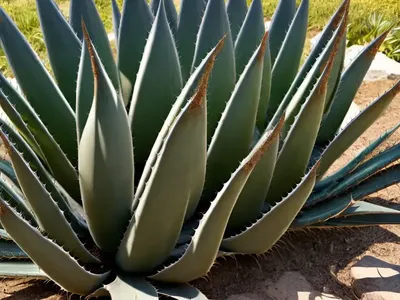
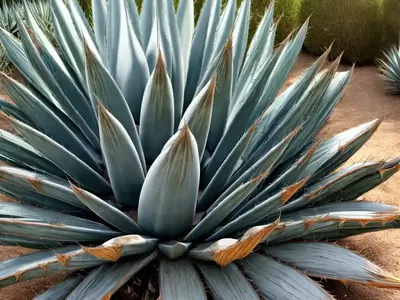
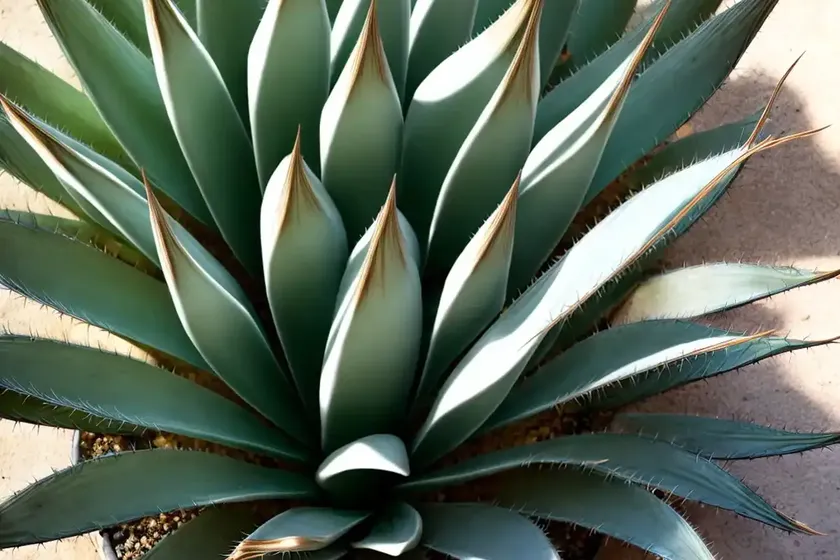
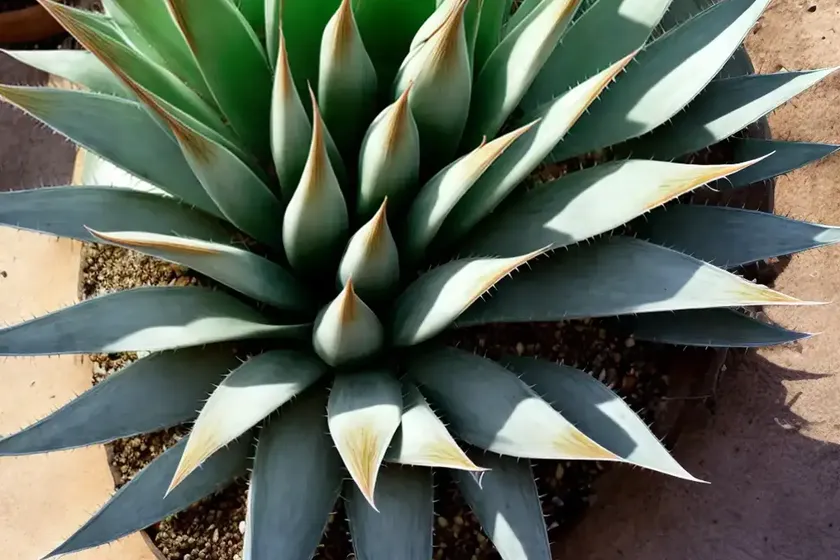
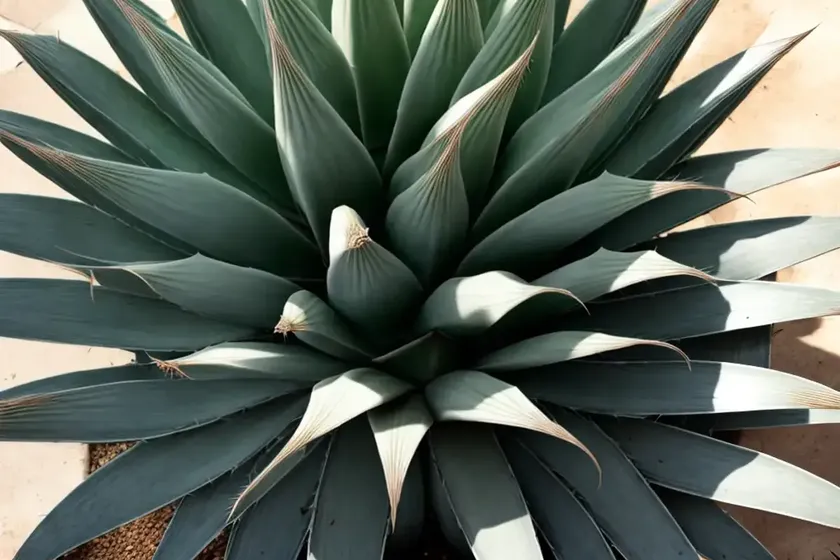
This evergreen perennial forms symmetrical, compact rosettes of thick, fleshy leaves. The leaves are typically bluish-gray in color and are adorned with prominent, toothed margins and a formidable terminal spine, making Parry’s Agave both visually stunning and formidable in presence. The plant’s impressive architectural structure and low maintenance requirements have made it a popular choice for xeriscaping, landscaping, and container gardening.
Key Takeaways – Parry’s Agave (Agave parryi)
Characteristics
- Botanical Name: Agave parryi
- Common Name: Parry’s Agave
- Family: Asparagaceae
- Genus: Agave
- Plant Type: Succulent Perennial
Culture
Uses
- Landscaping: Parry’s Agave is widely used in xeriscaping and arid landscaping designs, adding architectural interest and drought-tolerant resilience to gardens and outdoor spaces.
- Container Gardening: Its striking appearance and low water requirements make it an excellent choice for container cultivation, adding an exotic touch to patios, decks, and balconies.
Water
- Requirements: Parry’s Agave is highly drought tolerant and is best suited to well-draining, sandy or rocky soils. It is crucial to avoid overwatering, as excessive moisture can lead to root rot and other issues. Generally, this plant thrives in dry conditions and should be watered sparingly, especially during the growing season.
Sunlight
- Optimal Conditions: Parry’s Agave thrives in full sun to partial shade. When grown in ideal sunlight conditions, the plant’s distinctive leaf coloration and overall health are enhanced.
Fertilizer
- Recommendations: In general, Parry’s Agave does not require frequent fertilization. In fact, this plant can thrive in nutrient-poor soils. Applying a balanced, low-nitrogen fertilizer sparingly in the spring can support healthy growth.
Soil
- Preferences: Well-draining, sandy or rocky soils are essential for the successful cultivation of Parry’s Agave. Soil with good drainage helps prevent moisture-related issues and supports the plant’s root health.
Pruning
- Techniques: While Parry’s Agave typically does not require extensive pruning, it is advisable to trim away any damaged or dead leaves as needed. Caution should be exercised when pruning due to the sharp spines along the leaf margins.
Propagation
- Methods: Parry’s Agave can be propagated through offsets, also known as “pups,” which emerge from the parent plant. These offsets can be carefully removed and replanted to establish new plants.
Container Popularity
- Suitability: Parry’s Agave is well-suited for container cultivation, adding a touch of the desert to outdoor living spaces. When grown in containers, it is essential to provide excellent drainage to prevent waterlogged conditions.
Common Diseases
- Overview: Parry’s Agave is generally resistant to most diseases. However, overwatering can lead to root rot and other issues. Ensuring proper drainage and avoiding excessive moisture can help prevent disease development.
Disease Diagnosis
- Signs of Trouble: Yellowing, mushy, or rotting leaves can indicate overwatering or poorly draining soil. If these symptoms occur, it is essential to adjust the plant’s care and growing conditions to prevent further issues.
Common Pests
- Potential Threats: Parry’s Agave is typically resilient against pests. However, occasional infestations by common garden pests such as aphids or mealybugs may occur. These can often be mitigated through vigilant monitoring and prompt intervention.
Botanist’s Tips
- Cultivation: Choose well-draining soil and provide ample sunlight for optimal growth.
- Watering: Exercise restraint when watering, as Parry’s Agave is well-suited to dry conditions.
- Pruning: Use caution when pruning due to the plant’s sharp spines.
Fun Facts
- Parry’s Agave is named after Charles Christopher Parry, a prominent 19th-century botanical explorer.
- The plant’s succulent leaves are a result of its adaptation to arid environments, enabling it to store water for extended periods.
Links to External Resources
To further enhance your understanding and appreciation of Parry’s Agave, we recommend exploring the following external resources:
1. The American Horticultural Society’s “Agaves: Living Sculptures for Landscapes and Containers”
2. The Timber Press Guide to Succulent Plants of the World
In the next sections, we will explore the natural habitat of Parry’s Agave, its care requirements, landscaping applications, and much more, providing you with a comprehensive understanding of this remarkable succulent plant.
Parry’s Agave (Agave parryi) Cultivation
Natural Habitat
Native to the arid and semi-arid regions of the southwestern United States and northern Mexico, Parry’s Agave inhabits environments characterized by well-draining, rocky soils and abundant sunlight. This natural adaptation to drought-prone habitats has equipped the plant with remarkable resilience and water-storing capabilities, making it an invaluable component of xeriscapes and desert gardens.
Best Conditions for Parry’s Agave
The best conditions for cultivating Parry’s Agave include:
– Sunlight: Full sun to partial shade, with a preference for ample sunlight to promote robust growth and vibrant leaf coloration.
– Soil: Well-draining and nutrient-poor soil, mimicking its native habitat and preventing moisture-related issues.
– Water: Sparse, infrequent watering to mimic the arid conditions of its natural habitat and prevent root rot.
Cultivation Tips
Successful cultivation of Parry’s Agave can be achieved through adhering to the following tips:
– Drainage: Ensure excellent soil drainage to prevent waterlogged conditions, which can be detrimental to the plant’s health.
– Sunlight: Provide ample sunlight to promote healthy growth and vibrant leaf coloration.
– Pruning: Exercise caution when pruning to avoid injury from the plant’s sharp leaf spines.
Parry’s Agave Varieties
There are several distinct varieties and cultivars of Agave parryi, each with its unique characteristics, such as leaf coloration, size, and growth habits. Some popular varieties include:
– Agave parryi var. parryi: The standard variety, known for its striking blue-gray leaves and formidable presence.
– Agave parryi var. huachucensis: This variety features bluish-gray leaves with less prominent spines and a more compact growth habit.
Parry’s Agave Natural Habitat
Parry’s Agave is native to rocky, arid environments in the southwestern United States and northern Mexico. This natural habitat is characterized by:
– Well-Draining Soil: The plant thrives in soil with excellent drainage, often rocky or sandy in composition.
– Abundant Sunlight: Parry’s Agave is adapted to thriving in full sun to partial shade, making it a resilient choice for sunny landscapes.
– Arid Conditions: Its natural habitat experiences minimal rainfall, leading to the plant’s adaptation to drought tolerance and water conservation.
Parry’s Agave Growing Requirements
Water
- Drought Tolerance: Parry’s Agave displays exceptional tolerance to drought, making it an ideal choice for water-wise landscapes and regions with limited water resources.
- Watering Schedule: Infrequent watering, especially once established, is crucial for preventing moisture-related issues and supporting the plant’s natural adaptations.
Soil Preferences
- Well-Draining Soil: Well-draining, sandy, or rocky soils are essential for preventing waterlogged conditions and sustaining the plant’s root health.
- Nutrient-Poor Soil: Parry’s Agave can thrive in nutrient-poor soils, as excessive fertility can lead to lush, vulnerable growth that is susceptible to damage.
Parry’s Agave Propagation Methods
Offsets (Pups)
- Emerging Offsets: The parent plant produces offsets, also known as “pups,” which can be carefully removed and replanted to establish new Parry’s Agave plants.
- Propagation Success: Propagation through offsets is a reliable and straightforward method for expanding your collection of Parry’s Agave.
Parry’s Agave Care Guide
Water Requirements
- Minimal Watering: The plant’s resilience to drought necessitates minimal watering, especially once established, to prevent issues related to excessive moisture.
- Soil Moisture Monitoring: Regularly check the soil moisture to ensure that it has dried out before considering additional watering.
Soil Preferences
- Drainage Considerations: Excellent soil drainage is crucial for preventing waterlogged conditions and supporting the plant’s root system.
- Sandy or Rocky Soil: Mimicking the plant’s native habitat, well-draining, sandy, or rocky soil promotes healthy growth.
Parry’s Agave Landscaping Ideas
Drought Tolerance
- Water-Wise Landscapes: Parry’s Agave is an exemplary choice for water-wise or xeriscape landscapes due to its exceptional drought tolerance and minimal water requirements.
- Architectural Accents: Its striking form and succulent foliage make it an appealing architectural component in arid landscapes and rock gardens.
Cold Hardiness
- Resilience: Parry’s Agave exhibits resistance to cold temperatures, making it suitable for landscapes in regions with occasional frost or chillier winters.
- Protective Measures: In colder climates, providing adequate protection during extreme cold spells can help safeguard the plant’s vitality.
Agave parryi Water Requirements
Drought Tolerance
- Adaptation: Parry’s Agave has evolved to thrive in arid and semi-arid environments, displaying exceptional resilience to extended periods of drought.
- Minimal Watering: Infrequent and sparing watering is crucial to mimic its natural habitat and prevent moisture-related issues.
Parry’s Agave Soil Preferences
Drainage
- Preventing Waterlogging: Well-draining soil is imperative to prevent waterlogged conditions, which can lead to root rot and other issues.
- Arid Environment Adaptation: The plant’s preference for well-draining, sandy, or rocky soil mirrors its native habitat and promotes optimal growth.
Agave parryi Garden Uses
Xeriscaping
- Water-Wise Gardens: Parry’s Agave is a central component of water-wise and xeriscape gardens, contributing to sustainable and environmentally conscious landscaping designs.
- Architectural Presence: The plant’s striking form and resilience make it an ideal addition to gardens with minimal water resources.
Parry’s Agave Landscaping Ideas
Drought Tolerance
- Water-Saving Solutions: In regions with water limitations, Parry’s Agave serves as an essential element in designing water-saving landscapes with visual appeal.
Low Maintenance
- Effortless Elegance: Its minimal care requirements and architectural allure make it an excellent choice for low-maintenance landscaping, reducing the need for extensive upkeep.
Agave parryi Medicinal Uses
Historical Significance
- Ethnobotanical Traditions: In traditional medicine, certain Agave species, including Parry’s Agave, have been historically utilized for various medicinal purposes, such as wound healing and stomach ailments.
- Cultural Relevance: The plant holds cultural significance in ethnobotanical practices and the historical heritage of indigenous communities.
Parry’s Agave Ornamental Qualities
Architectural Appeal
- Garden Focal Points: Parry’s Agave serves as a captivating focal point in gardens and landscapes due to its structural elegance and succulent foliage.
- Visual Variety: Variegated cultivars and different sizes of Parry’s Agave contribute to diverse ornamental arrangements in outdoor settings.
Agave parryi Succulent Plant
Succulent Adaptations
- Water Storage: The plant’s succulent leaves are specialized for water storage, enabling it to endure prolonged periods of drought without compromising its vitality.
- Xerophytic Traits: Intriguing adaptations in succulent tissues and leaf structures equip Parry’s Agave for survival in arid environments.
Conclusion
Parry’s Agave (Agave parryi) stands out as a remarkable succulent plant celebrated for its architectural allure, drought tolerance, and adaptability to arid landscapes. Whether incorporated into xeriscape designs, container gardens, or native plant habitats, its striking form and minimal maintenance requirements make it a valuable addition to diverse gardening and landscaping endeavors. By understanding its natural habitat, cultivation requirements, and ornamental potential, plant enthusiasts and landscape designers can fully appreciate the unique qualities of Parry’s Agave and effectively integrate it into their outdoor spaces.
We hope that this comprehensive guide has provided you with valuable insights into the world of Parry’s Agave and inspired you to explore the captivating realm of succulent plants and arid-adapted landscaping. Embrace the resilience and elegance of Parry’s Agave as you embark on your journey of plant cultivation and sustainable gardening practices.
References
- Nobel, Park S. Cacti: Biology and Uses. 2018. University of California Press.
- Starr, Greg, and Starr, Barbara. Agaves: Living Sculptures for Landscapes and Containers. 2018. The American Horticultural Society.
- Irish, Mary. Agaves, Yuccas, and Related Plants: A Gardener’s Guide. 2019. Timber Press.