Parlour Palm (Neanthe Bella)
Plants, with their incredible diversity and beauty, play a crucial role in our lives. They not only provide oxygen and food but also add aesthetic appeal.
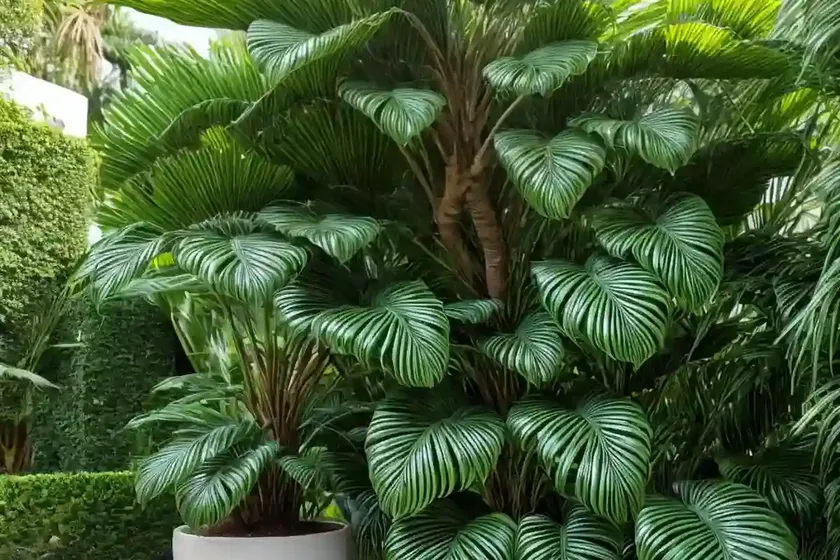
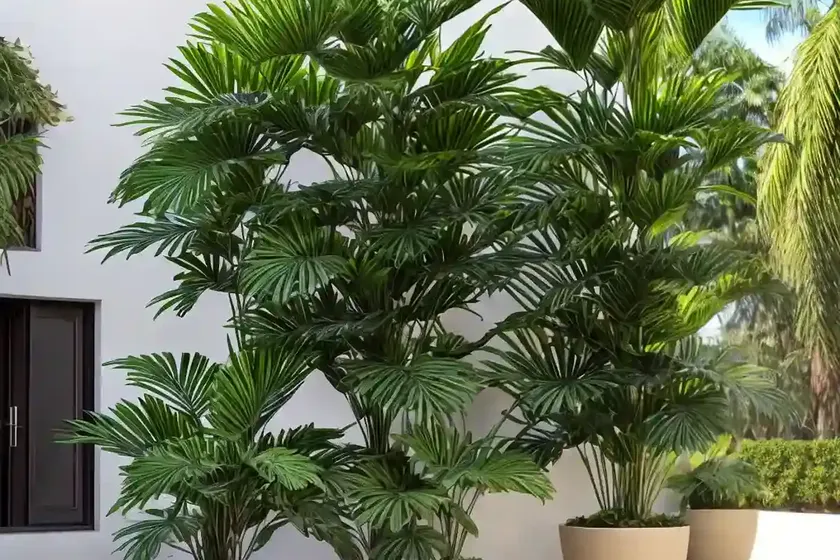
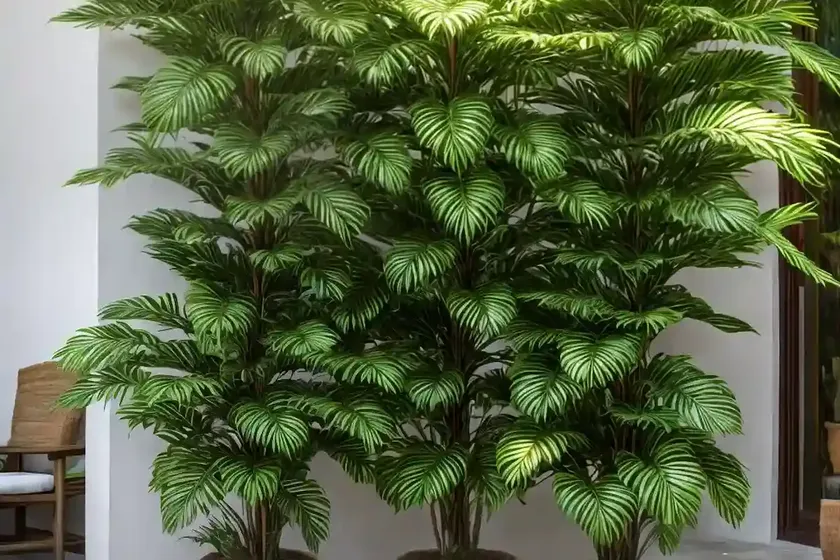
Plants, with their incredible diversity and beauty, play a crucial role in our lives. They not only provide oxygen and food but also add aesthetic appeal to our surroundings. In the realm of indoor gardening, the Parlour Palm (Neanthe Bella) holds a special place. Its graceful fronds and low-maintenance nature make it a popular choice among plant enthusiasts. In this comprehensive guide, we will delve into the world of the Parlour Palm, exploring its cultural significance, uses, care requirements, and much more. Whether you are a beginner or an experienced indoor gardener, this article aims to provide you with all the essential information needed to cultivate and care for the Neanthe Bella palm. Let’s embark on this botanical journey and unravel the secrets of this beloved plant.
What is the Parlour Palm (Neanthe Bella)?
The Parlour Palm, scientifically known as Chamaedorea elegans or Neanthe Bella palm, is a species of small palm tree native to the rainforests of Southern Mexico and Guatemala. It belongs to the Arecaceae family and is characterized by its delicate, feather-like fronds and slender stems. This palm species has been cultivated for centuries and is valued for its ornamental beauty and air-purifying qualities. In addition to its attractive appearance, the Parlour Palm is also revered for its adaptability to indoor environments, making it a popular choice for homes, offices, and indoor landscapes.
Key Takeaways – Parlour Palm (Neanthe Bella)
Before we delve deeper into the intricacies of caring for the Parlour Palm, let’s explore its key takeaways:
– Botanical Name: Chamaedorea elegans
– Common Names: Parlour Palm, Neanthe Bella Palm
– Family: Arecaceae
– Native Habitat: Rainforests of Southern Mexico and Guatemala
– Growth Habit: Clumping, feather-like fronds, slender stems
– Uses: Ornamental plant, air purifier
– Special Features: Adaptable to indoor environments, low maintenance
– Popularity: Widely cultivated as a houseplant
– Benefits: Improves indoor air quality, adds a tropical ambiance
Now, let’s explore the various aspects of caring for this elegant palm species, including its cultural requirements, uses, and common challenges that may arise during cultivation.
Culture
The cultural requirements of the Parlour Palm are crucial to its overall health and appearance. By addressing its specific needs, you can ensure that this botanical beauty thrives in your indoor space. Let’s take a detailed look at the cultural aspects of caring for the Neanthe Bella palm.
Water
Proper watering is essential for maintaining the health and vitality of the Parlour Palm. As with most houseplants, overwatering and underwatering can lead to adverse effects on the plant. Understanding the water needs of the Neanthe Bella palm is key to providing optimal care.
- Watering Frequency: The Parlour Palm prefers consistently moist soil, but it is important to avoid waterlogging. Water the plant when the top inch of the soil feels dry to the touch.
- Water Quality: Use lukewarm water to avoid shocking the plant with cold water. Additionally, filtered or distilled water is recommended to prevent the buildup of salts and chemicals in the soil.
- Drainage: Ensure that the pot or container has adequate drainage to prevent water from accumulating at the bottom, which can lead to root rot.
Sunlight
Proper light exposure is crucial for the growth and development of the Parlour Palm. While this palm species thrives in low to moderate light conditions, it still requires adequate light to maintain its lush green appearance.
- Light Requirements: Place the Neanthe Bella palm in bright, indirect light. Avoid exposing it to direct sunlight, especially during the hot afternoon hours, as this can lead to leaf burn.
- Optimal Placement: Ideal locations include east-facing or north-facing windows where the plant can receive gentle, filtered light throughout the day.
Fertilizer
Fertilization plays a key role in providing essential nutrients to the Parlour Palm, promoting robust growth and vibrant foliage. However, it is important to approach fertilization with care to avoid overfeeding or nutrient imbalances.
- Fertilizer Type: Use a balanced, water-soluble fertilizer formulated for indoor palm plants. A fertilizer with an N-P-K ratio of 3:1:2 or 3:1:3 is suitable for the Neanthe Bella palm.
- Fertilization Schedule: During the growing season (spring and summer), fertilize the plant every 4-6 weeks. Reduce or suspend fertilization during the winter months when the plant is in a dormant phase.
Soil
The choice of potting soil greatly influences the overall health and growth of the Parlour Palm. The soil should provide adequate support, drainage, and essential nutrients for the plant to thrive.
- Soil Composition: Use a well-draining, peat-based potting mix with added perlite or coarse sand to ensure good aeration and drainage.
- pH Level: The ideal soil pH for the Neanthe Bella palm ranges from 6.0 to 7.5, slightly acidic to neutral.
- Repotting: Repot the plant every 2-3 years, or when the roots become pot-bound. Choose a slightly larger pot to accommodate the growing root system.
Pruning
Pruning helps maintain the Parlour Palm’s attractive appearance and removes any dead or yellowing fronds. Additionally, it promotes healthy growth and allows light to reach the inner parts of the plant.
- Pruning Technique: Use clean, sharp scissors or pruning shears to carefully trim brown or yellowing fronds at the base of the plant. Avoid cutting into the green, healthy foliage.
- Trimming Frequency: Regularly inspect the plant for any discolored or damaged fronds and prune them as needed. It is important to avoid removing more than 20% of the foliage at one time to prevent stress on the plant.
Propagation
The ability to propagate the Parlour Palm allows plant enthusiasts to expand their collection or share this botanical gem with others. Understanding the propagation techniques for the Neanthe Bella palm is essential for successful reproduction.
- Propagation Method: The most common method of propagating the Parlour Palm is through division. Carefully separate the offsets or “pups” that develop at the base of the plant and plant them in individual pots with well-draining soil.
- Propagation Time: Spring or early summer is the optimal time for propagating the Neanthe Bella palm, as the plant is actively growing during this period.
Container
Selecting the right container for the Parlour Palm is crucial for its growth and well-being. The container should provide ample space for the root system, proper drainage, and stability for the plant.
- Container Size: Choose a container that allows for about 1-2 inches of space around the root ball. Avoid using excessively large pots, as this can lead to waterlogged soil and hinder root development.
- Drainage Holes: Ensure that the container has drainage holes at the bottom to allow excess water to escape, preventing waterlogging.
- Decorative Pots: If using a decorative outer pot without drainage holes, place the potted plant inside the decorative container to collect excess water, then empty the water to prevent water buildup.
Popularity
The Parlour Palm has gained significant popularity as an indoor plant due to its elegant appearance, adaptability, and air-purifying capabilities. This palm species has captured the hearts of plant enthusiasts and interior decorators alike, becoming a staple in indoor landscapes across the globe.
Common Uses
The Neanthe Bella palm serves multiple purposes, extending beyond its aesthetic value. Its versatility and innate qualities make it a valuable addition to indoor environments.
- Ornamental Plant: The graceful fronds and compact size of the Parlour Palm make it a perfect ornamental plant for tabletops, shelves, and interior landscapes.
- Air Purification: The Neanthe Bella palm is known for its air-purifying abilities, effectively removing toxins and improving indoor air quality.
Common Diseases
Like all living organisms, the Parlour Palm is susceptible to certain diseases and ailments. Recognizing and addressing common diseases in a timely manner is crucial for preserving the health and beauty of this palm species.
Disease Diagnosis
Understanding the symptoms and causes of common palm diseases is essential for accurate diagnosis and targeted treatment.
Root Rot
- Symptoms: Yellowing or wilting fronds, mushy or foul-smelling roots, stunted growth, and eventual collapse of the plant.
- Causes: Overwatering, waterlogged soil, poor drainage, or using containers without drainage holes.
- Treatment: Remove the plant from the soil, trim affected roots, and repot in fresh, well-draining soil. Adjust the watering schedule to prevent future occurrences.
Leaf Spot
- Symptoms: Dark or brown spots on the leaves, often accompanied by yellowing or browning of the foliage.
- Causes: Fungal or bacterial infections, often exacerbated by high humidity and poor air circulation.
- Treatment: Remove affected leaves, improve air circulation, and avoid overhead watering. Fungicidal treatments may be necessary for severe infections.
Spider Mites
- Symptoms: Fine webbing on the undersides of the leaves, stippling or discoloration of the foliage, and reduced plant vigor.
- Causes: Dry indoor air, lack of humidity, and poor plant hygiene.
- Treatment: Increase humidity levels, rinse the foliage regularly, and use insecticidal soap or neem oil to control spider mite infestations.
Common Pests
In addition to diseases, the Neanthe Bella palm may encounter various pests that can compromise its health and appearance. Identifying and addressing these pests in a timely manner is essential for effective pest control.
-
Scale Insects: These small, shield-shaped insects can infest the leaves and stems, feeding on the plant’s sap and causing yellowing or wilting of the foliage. Treat scale infestations by gently scrubbing the insects off the plant with a soft brush and applying horticultural oil or insecticidal soap.
-
Mealybugs: Mealybugs are soft-bodied, white insects that cluster on the undersides of the leaves and along the stems, feeding on the plant’s juices. Use a cotton swab dipped in rubbing alcohol to remove mealybugs from the plant. In severe infestations, consider applying insecticidal soap or neem oil.
-
Aphids: These tiny, pear-shaped insects can congregate on the new growth of the plant, causing distortion of the leaves and excreting sticky honeydew. Rinse the affected areas with water to dislodge aphids and use insecticidal soap for persistent infestations.
Botanist’s Tips
To ensure the successful care and cultivation of the Parlour Palm, consider the following expert tips from botanists and experienced indoor gardeners:
- Humidity Management: Maintain adequate humidity levels, especially during the dry winter months, by using a humidifier or placing a pebble tray filled with water beneath the plant.
- Regular Inspection: Routinely inspect the plant for signs of pests, diseases, or nutrient deficiencies. Early detection allows for prompt intervention and prevents problems from escalating.
- Gentle Cleaning: Periodically clean the foliage of the Neanthe Bella palm with a soft, damp cloth to remove dust and debris, promoting unhindered photosynthesis and transpiration.
Fun Facts
Delve into the fascinating world of the Parlour Palm with these intriguing and little-known facts about this beloved indoor plant:
- The Neanthe Bella palm is named after the Italian botanist, Odoardo Beccari, who discovered the plant in the late 19th century.
- In Victorian times, the Parlour Palm was a popular choice for adorning parlors and drawing rooms, hence its common name.
- The Neanthe Bella palm is one of the few palm species that thrives in low light conditions, making it an ideal choice for indoor settings with limited natural light.
Links to External Resources
For additional information, resources, and community support related to the Parlour Palm and indoor gardening, explore the following links:
- The Royal Horticultural Society – Growing Parlour Palms
- University of Florida IFAS Extension – Care of Palms
- Indoor Gardening subreddit
- Houseplant Care Tips and Advice – The Spruce
In conclusion, the Parlour Palm (Neanthe Bella) embodies elegance, resilience, and a touch of tropical charm, making it a delightful addition to any indoor space. By understanding and implementing the care guidelines outlined in this comprehensive guide, you can cultivate a thriving and vibrant Neanthe Bella palm, enriching your indoor environment with its natural beauty. Whether you are a seasoned plant enthusiast or embarking on your indoor gardening journey, may the grace and allure of the Parlour Palm inspire you to create verdant oases within your home or workspace.
Remember, in the world of indoor gardening, every leaf unfurled and every stem reaching skyward tells a story of life, renewal, and the enduring bond between humans and nature. Embrace the nurturing journey of caring for the Neanthe Bella palm and let its lush foliage weave a tapestry of tranquility and vitality in your cherished indoor spaces.
Happy gardening!