Paphiopedilum Malipoense (Jade Slipper Orchid)
Paphiopedilum malipoense, commonly known as the Jade Slipper Orchid, is a stunning and unique orchid species that has captured the hearts of many plant.
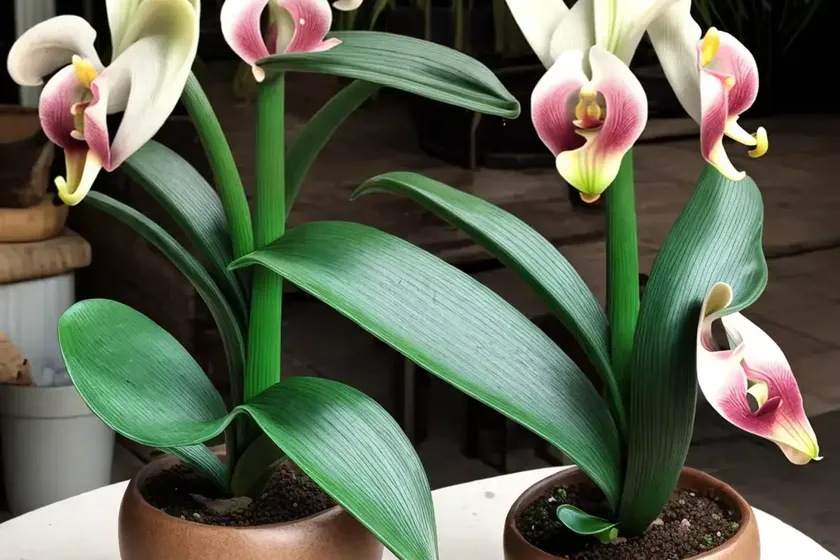
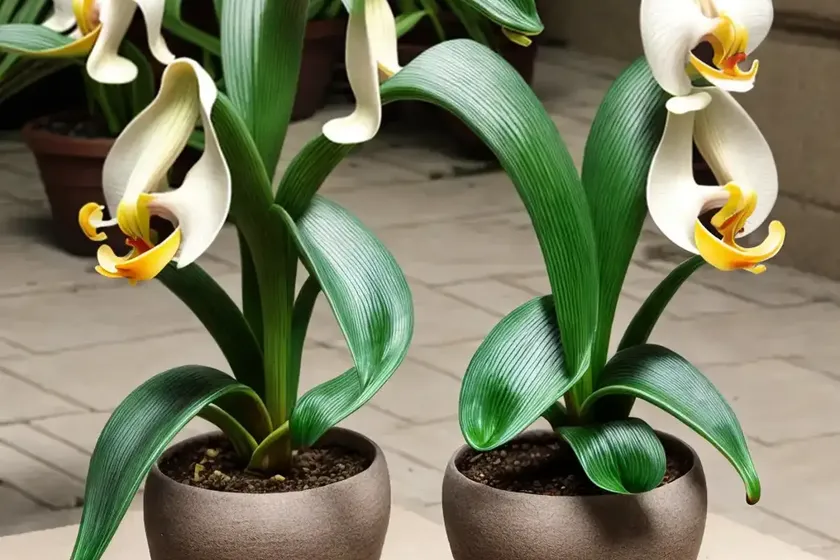
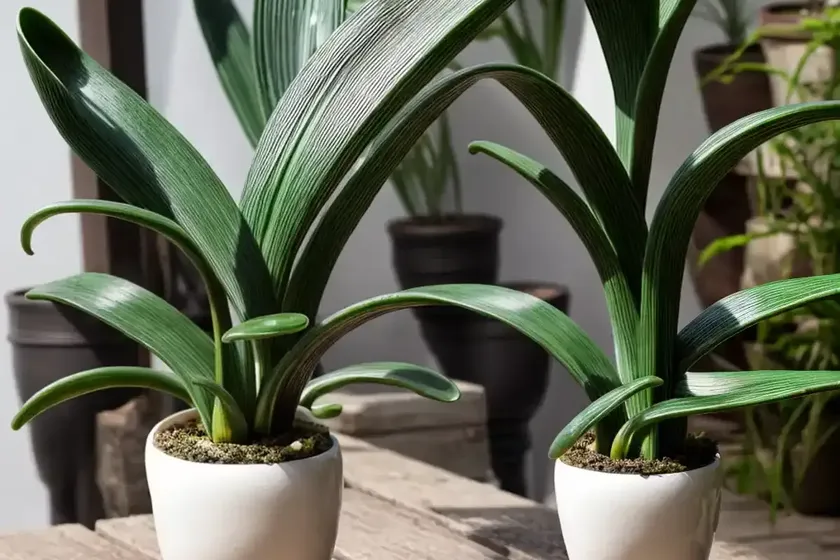
Paphiopedilum malipoense, commonly known as the Jade Slipper Orchid, is a stunning and unique orchid species that has captured the hearts of many plant enthusiasts. With its distinctive characteristics and beautiful blooms, this orchid has gained popularity among both beginners and experienced growers. In this comprehensive guide, we will delve into the various aspects of caring for Paphiopedilum malipoense, from its cultural requirements to potential diseases and pests that may affect its growth. Whether you are a seasoned orchid collector or just starting your journey with these exotic plants, this guide will provide you with valuable insights into nurturing the Jade Slipper Orchid to its full potential.
What is Paphiopedilum malipoense (Jade Slipper Orchid)?
Paphiopedilum malipoense is a species of orchid that belongs to the genus Paphiopedilum, which is part of the Orchidaceae family. This particular orchid species is native to the Yunnan province in China, where it is found growing in limestone habitats. The Jade Slipper Orchid is renowned for its unique slipper-shaped blooms, which come in various shades of green and have intricate patterns and markings. Its elegant and exotic appearance makes it a sought-after addition to orchid collections and tropical-themed gardens.
Key Takeaways – Paphiopedilum malipoense (Jade Slipper Orchid)
Before we delve into the specifics of caring for Paphiopedilum malipoense, let’s summarize the key points that will be covered in this guide:
- Culture: Understanding the cultural requirements, including temperature, humidity, and air circulation, necessary for the optimal growth of Jade Slipper Orchids.
- Uses: Exploring the various applications and uses of Paphiopedilum malipoense, both in horticulture and beyond.
- Water: Establishing a suitable watering regimen to ensure the orchid’s hydration needs are met without causing root rot or waterlogging.
- Sunlight: Determining the ideal light conditions for Jade Slipper Orchids to thrive, considering their native habitat and light preferences.
- Fertilizer: Choosing the right type of fertilizer and understanding the frequency and methods of application for promoting healthy growth and blooming.
- Soil: Identifying the suitable potting mix or growing medium that supports the orchid’s growth and provides essential drainage properties.
- Pruning: Learning about the pruning techniques and when it is necessary to trim or remove specific parts of the plant.
- Propagation: Exploring the methods of propagating Paphiopedilum malipoense, including division, seed propagation, and keiki production.
- Container: Selecting an appropriate container or pot for growing Jade Slipper Orchids and ensuring proper ventilation and drainage.
- Popularity: Understanding the reasons behind the increasing popularity of Paphiopedilum malipoense among orchid enthusiasts and collectors.
- Common Diseases: Identifying potential diseases that may affect Jade Slipper Orchids and implementing strategies for prevention and management.
- Disease Diagnosis: Providing insights into diagnosing and addressing common diseases that can impact the health of Paphiopedilum malipoense.
- Common Pests: Recognizing the typical pests that may infest Jade Slipper Orchids and employing effective pest control measures.
- Botanist’s Tips: Offering valuable tips and recommendations from botanists and experienced growers for successfully cultivating Paphiopedilum malipoense.
- Fun Facts: Exploring intriguing and little-known facts about the Jade Slipper Orchid that showcase its unique characteristics.
- Links to External Resources: Providing helpful links to external sources for further exploration of Paphiopedilum malipoense care and cultivation.
Now, let’s embark on a journey to uncover the secrets of nurturing and appreciating the exquisite beauty of the Jade Slipper Orchid.
Culture
Cultivating Paphiopedilum malipoense successfully requires a good understanding of its cultural requirements, including environmental conditions and maintenance practices. By replicating its natural habitat to some extent, you can create an environment in which this orchid species can thrive.
Temperature and Humidity
Jade Slipper Orchids are indigenous to regions with moderate to cool temperatures, and they thrive in environments where the temperature ranges from 15°C to 25°C (59°F to 77°F) during the day and slightly cooler at night. This temperature range closely mirrors the conditions found in their native limestone habitats. Therefore, it is essential to provide consistent and moderate temperatures to ensure the well-being of Paphiopedilum malipoense.
In terms of humidity, these orchids prefer a moderately humid environment, with levels around 50% to 60%. To achieve this, you can use a humidifier or place the orchids on humidity trays filled with water and pebbles. Additionally, regular misting can help maintain adequate humidity levels in drier climates.
Air Circulation
Proper air circulation is vital for preventing the onset of fungal and bacterial diseases, as well as maintaining overall plant health. When growing Jade Slipper Orchids indoors, ensure that the space is well-ventilated, allowing for a gentle and consistent airflow around the plants. This can be achieved through strategic placement of fans or by opening windows to facilitate natural air circulation. However, it’s important to avoid exposing the plants to drafts or cold air, as they prefer stable and moderate airflow.
Uses
Paphiopedilum malipoense holds value in various capacities, extending beyond its ornamental appeal. Let’s explore the different uses and applications of this captivating orchid species.
-
Horticulture: As a prized addition to orchid collections and tropical gardens, Jade Slipper Orchids are cultivated for their exquisite blooms and unique foliage. With proper care, these orchids can thrive as stunning indoor or greenhouse specimens, adding a touch of elegance to any space.
-
Research and Conservation: In addition to their aesthetic allure, Paphiopedilum malipoense and other orchid species play a crucial role in scientific research and conservation efforts. Their genetic diversity and ecological significance make them valuable subjects of study for botanists, ecologists, and conservationists who seek to understand and preserve their natural habitats.
-
Medicinal Properties: While the medicinal uses of Paphiopedilum malipoense are not widely known or documented, some orchid species have been historically used in traditional medicine for various purposes, such as treating ailments and promoting wellness. Research into the potential medicinal properties of orchids continues to unveil intriguing possibilities for future applications.
-
Landscaping and Floral Design: Beyond their potted cultivation, Jade Slipper Orchids can be incorporated into landscaping designs and floral arrangements to create visually striking displays. Their unique blossoms and sophisticated foliage make them desirable elements for enhancing indoor and outdoor landscapes.
Water
Proper watering is essential for the overall health and vitality of Paphiopedilum malipoense. However, it’s important to strike a balance, as overwatering can lead to root rot and other moisture-related issues, while underwatering can result in dehydration and stunted growth.
Watering Schedule
Establishing a consistent watering schedule is crucial for maintaining optimal moisture levels for the orchid. Observing the condition of the growing medium and the plant itself can provide insights into when it’s time to water. Here are some general guidelines to help you determine an appropriate watering regimen for Jade Slipper Orchids:
-
Growing Medium Moisture: Before watering, check the moisture level of the growing medium, typically composed of a well-draining mix suitable for orchids. It should be barely moist to the touch but not completely dry. Maintaining proper drainage in the growing container is essential to prevent water accumulation around the orchid’s roots.
-
Visual Cues: Pay attention to visual cues from the orchid, such as the color and texture of the roots and leaves. Healthy roots are plump and green, indicating adequate hydration. Conversely, dehydrated roots may appear shriveled and silvery, signaling the need for water.
-
Pot Weight: Get a feel for the weight of the container when it’s adequately watered, and use this as a reference point for determining when the orchid needs to be watered again. As the growing medium dries out, the pot will become lighter, prompting the need for watering.
Tip: It’s generally preferable to water Jade Slipper Orchids in the morning, allowing excess moisture to evaporate throughout the day and reducing the risk of fungal issues.
Water Quality
The quality of water used for irrigation can significantly impact the health of Paphiopedilum malipoense. Orchids are sensitive to mineral buildup and chemicals present in tap water, so it’s advisable to use purified or distilled water to avoid potential issues associated with impurities. If distilled water is not readily available, allowing tap water to sit for 24 hours can help dissipate chlorine and other additives that may negatively affect the orchid.
Watering Techniques
When watering Jade Slipper Orchids, aim to hydrate the growing medium thoroughly without saturating it excessively. The goal is to achieve even moisture distribution throughout the root zone while avoiding waterlogging. Here are a few watering techniques to consider:
-
Pour-Through Method: Slowly pour water through the growing medium until it begins to drain from the bottom of the container. Allow the excess water to escape, ensuring that the orchid is not left sitting in standing water.
-
Soaking Method: Periodically, you can immerse the entire container in a basin of water for a brief duration to allow the growing medium to absorb moisture. After soaking, allow the excess water to drain completely to prevent waterlogging.
-
Misting: In addition to regular watering, occasional misting of the orchid’s foliage can contribute to maintaining adequate humidity levels and providing supplemental hydration.
By understanding the optimal watering practices for Paphiopedilum malipoense and monitoring the plant’s response, you can help ensure that its hydration needs are met while minimizing the risk of overwatering.
Sunlight
Providing appropriate light conditions is essential for the growth and blooming of Paphiopedilum malipoense. Understanding the orchid’s natural habitat and light requirements can guide you in creating an environment that supports its photosynthetic processes and overall development.
Light Requirements
In their native limestone habitats, Jade Slipper Orchids are accustomed to receiving filtered or dappled sunlight, as the canopy of the surrounding vegetation provides partial shade. This natural lighting condition should be emulated when cultivating the orchids, especially if they are grown indoors or in locations with limited access to direct sunlight.
Indoor Cultivation
When growing Jade Slipper Orchids indoors, consider the following recommendations to provide suitable lighting for optimal growth and flowering:
-
Indirect Light: Position the orchids in an area that receives bright, indirect sunlight, such as near east- or west-facing windows, where the plants can benefit from gentle, filtered light throughout the day. Direct exposure to intense sunlight can lead to leaf scorching and excessive heat, which may harm the orchids.
-
Artificial Lighting: In environments with inadequate natural light, supplemental artificial lighting can be used to ensure that the orchids receive adequate illumination for photosynthesis. LED grow lights designed for orchid cultivation can provide the necessary spectrum and intensity to support their light requirements.
-
Light Duration: Aim for a consistent light duration of 10 to 12 hours per day to mimic the photoperiod found in their native habitat. Using timers for light fixtures can help regulate the daily light cycle and ensure that the orchids receive adequate light exposure.
Outdoor Cultivation
If growing Paphiopedilum malipoense outdoors, consider the following guidelines for providing appropriate sunlight conditions:
-
Shaded Locations: Choose shaded or partially shaded areas in the garden that offer protection from direct sunlight during the hottest parts of the day. Underneath trees or sheltered by taller plants can offer the ideal lighting conditions for the orchids.
-
Adjustable Protection: In regions with intense sun exposure, consider using shade cloth or other light-diffusing materials to create a more favorable environment for the orchids. This can help prevent leaf burns and reduce the risk of dehydration due to excessive heat.
-
Seasonal Adjustments: During the summer months, monitor the orchids closely and provide additional shading or protection if necessary to shield them from prolonged exposure to intense sunlight. As the seasons change, the lighting conditions may require adjustments to accommodate varying light intensities.
By tailoring the light exposure to the specific requirements of Paphiopedilum malipoense, you can establish an environment that promotes healthy growth and encourages prolific blooming.
Fertilizer
The judicious application of fertilizer can provide the essential nutrients needed to support the growth, development, and flowering of Jade Slipper Orchids. However, it’s crucial to understand the specific fertilizer requirements of Paphiopedilum malipoense and to apply fertilizers with care to prevent over-fertilization and potential damage to the plant.
Fertilizer Type
Orchid-specific fertilizers designed for epiphytic and terrestrial orchids offer a balanced blend of essential macro and micronutrients, as well as additional compounds that promote healthy root development and blooming. Look for fertilizers formulated for orchids, with a focus on balanced NPK (nitrogen, phosphorus, and potassium) ratios and supplementary elements like calcium, magnesium, and trace minerals.
Application Frequency
During the active growing season, which typically spans from spring to early autumn, fertilize Paphiopedilum malipoense every two to four weeks. As the orchids enter a period of reduced growth or dormancy in the late fall and winter, it’s preferable to reduce the frequency of fertilization to once a month or suspend it altogether if the plant shows signs of dormancy.
Dilution and Strength
When preparing the fertilizer solution, dilute it to half or a quarter of the recommended concentration to minimize the risk of fertilizer burn and ensure gentle and consistent nutrient delivery. Balancing the strength of the fertilizer solution helps prevent over-fertilization, which can harm the delicate root system of Jade Slipper Orchids.
Application Method
Apply the diluted fertilizer solution to the orchids when the growing medium is already moistened to prevent root damage from concentrated fertilizers. Here are a few methods for applying fertilizer to Paphiopedilum malipoense:
-
Watering with Fertilizer: Incorporate the diluted fertilizer into the watering routine, allowing it to reach the root zone and provide the necessary nutrients during the plant’s active growth phases.
-
Foliar Feeding: Periodically, you can use a fine mist of diluted fertilizer to directly apply nutrients to the orchid’s foliage. This method can supplement root absorption and enhance nutrient uptake, but it should be used sparingly to avoid residue buildup.
-
Top-Dressing: Occasionally, you can apply a small amount of solid or granular orchid fertilizer to the surface of the growing medium, allowing it to gradually release nutrients over time. However, this method should be used cautiously to prevent excessive accumulation of fertilizer in the container.
By understanding the principles of orchid fertilization and tailoring the application to the needs of Paphiopedilum malipoense, you can provide the necessary nutrients for robust growth and vibrant flowering.
Soil
The choice of growing medium for Jade Slipper Orchids plays a pivotal role in supporting their root health, moisture retention, and nutrient availability. Understanding the ideal soil composition and drainage properties enables you to create an optimal environment for the orchids to thrive.
Potting Mix
A well-draining and aerated potting mix is essential for Paphiopedilum malipoense, as it promotes sufficient oxygenation of the roots and prevents waterlogging. Orchid-specific potting mixes are available commercially and are designed to meet the requirements of epiphytic and terrestrial orchids. These mixes often contain a blend of organic and inorganic materials, such as bark, perlite, sphagnum moss, and charcoal, to create a balanced environment for orchid root systems.
Key Components of Potting Mix
When selecting or preparing a potting mix for Jade Slipper Orchids, consider the following key components that contribute to the overall structure and functionality of the growing medium:
-
Orchid Bark: Coarse orchid bark is a common component in orchid potting mixes, as it provides stability, aeration, and drainage while retaining minimal moisture. The bark’s texture allows airflow around the roots and prevents compaction of the growing medium.
-
Perlite: Perlite, a lightweight volcanic glass, enhances the porosity and drainage capacity of the potting mix. Its inclusion helps prevent water accumulation and maintains adequate aeration within the root zone.
-
Sphagnum Moss: Sphagnum moss contributes to moisture retention and provides a buffer against rapid drying of the growing medium. It offers a degree of water-holding capacity while still allowing excess moisture to drain freely.
-
Charcoal: Charcoal granules or chips aid in preventing the accumulation of impurities and toxic substances in the growing medium, ensuring a clean and stable environment for the orchid roots.
Drainage Considerations
Consistent and effective drainage is critical for the well-being of Jade Slipper Orchids, as it prevents waterlogged conditions and potential root rot. When selecting pots or containers for the orchids, choose options with ample drainage holes to facilitate the removal of excess water.
Repotting Schedule
Orchids, including Paphiopedilum malipoense, benefit from periodic repotting to refresh the growing medium, inspect the root system, and prevent overcrowding in the container. Plan to repot Jade Slipper Orchids approximately every two to three years, or when the growing medium begins to decompose, and the plant outgrows its current container.
By understanding the principles of orchid potting mixes and their impact on root health, moisture balance, and nutrient availability, you can create an optimal growing environment for Paphiopedilum malipoense that supports its long-term vitality and growth.
Pruning
Pruning plays a role in maintaining the health, appearance, and vigor of Paphiopedilum malipoense. While orchids generally require minimal pruning compared to other plants, there are specific instances when trimming or removing certain parts of the plant can be beneficial.
Deadheading Spent Blooms
Once the blooms of Jade Slipper Orchids have faded and wilted, it’s advisable to remove the spent flowers through a process known as deadheading. Use clean, sharp scissors or pruning shears to snip the flower stalk just below the lowest faded bloom. Deadheading not only enhances the aesthetic appeal of the plant but also directs its energy towards future growth and blooming rather than seed production.
Trimming Yellowed or Dying Leaves
Periodically inspect the foliage of Paphiopedilum malipoense for any yellowed, desiccated, or damaged leaves. If you identify such foliage, gently prune it away using sterile cutting tools to minimize the risk of introducing pathogens or pests to the plant. Removing unhealthy leaves helps maintain the overall health and aesthetics of the orchid and prevents the spread of deterioration to the rest of the plant.
Keiki Removal
Keikis, or baby orchid plantlets, may occasionally emerge from the base of the parent plant or along the flower spikes of Jade Slipper Orchids. While these keikis can be an exciting occurrence, they often divert resources from the parent plant and can eventually lead to overcrowding. If desired, you can carefully detach the keikis when they


