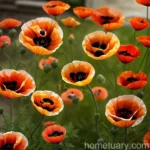
Papaver orientale ‘Harlem’ (Oriental Poppy): A Stunning Addition to Your Garden
Papaver orientale ‘Harlem’, commonly known as the Oriental Poppy, is a striking perennial plant that belongs to the Papaveraceae family. This impressive plant is adored for its exquisite, large, papery flowers and its ability to thrive in a variety of climates. Its vibrant colors and impressive blooms make it a valuable addition to any garden or landscape.
In this comprehensive guide, we will explore every aspect of growing and caring for Papaver orientale ‘Harlem’, providing valuable insights into its culture, uses, maintenance, and much more. Whether you’re a seasoned gardener or a beginner, you’ll find valuable information and tips for cultivating this beautiful plant successfully.
What is Papaver orientale ‘Harlem’ (Oriental Poppy)?
Papaver orientale ‘Harlem’, also known as the Oriental Poppy, is a species of flowering plant native to the Caucasus, northeastern Turkey, and northern Iran. This herbaceous perennial is characterized by its robust stems, attractive foliage, and stunning, bowl-shaped flowers. The ‘Harlem’ variety is particularly renowned for its deep purple hues and impressive size, making it a standout feature in any garden setting.
With its exquisite blooms and ease of care, Papaver orientale ‘Harlem’ has become a beloved choice for gardeners seeking to add a touch of vibrant color and elegance to their outdoor spaces. Its cultural significance and botanical characteristics have solidified its place as a cherished perennial plant, known for its resilience and visual appeal.
Key Takeaways – Papaver orientale ‘Harlem’ (Oriental Poppy)
Before delving into the specifics of cultivating and caring for Papaver orientale ‘Harlem’, let’s briefly explore the essential characteristics and key takeaways associated with this magnificent plant.
- Plant Name: Papaver orientale ‘Harlem’ (Oriental Poppy)
- Species: Papaver orientale
- Common Name: Oriental Poppy
- Variety: ‘Harlem’
- Family: Papaveraceae
- Native Range: Caucasus, northeastern Turkey, northern Iran
- Growth Habit: Herbaceous perennial
- Flower Characteristics: Large, bowl-shaped, vibrant colors
- Cultural Significance: Admired for its robustness and stunning blooms
- Uses: Ornamental purposes, cut flowers, garden focal point
- Maintenance: Moderate
- Hardiness Zones: 3-7
- Bloom Time: Late spring to early summer
Now that we have a foundational understanding of Papaver orientale ‘Harlem’, we can turn our attention to the specific elements of its cultivation and care. From cultural requirements to maintenance tips, we will cover every essential aspect to ensure the successful growth and flourishing of this remarkable plant.
Culture
Uses
Papaver orientale ‘Harlem’ is primarily grown for ornamental purposes, revered for its captivating display of large, colorful flowers. Its striking blooms make it a favorite choice for cut flower arrangements and as a focal point in garden landscapes. Furthermore, the plant’s attractive foliage and overall aesthetic appeal contribute to its popularity as a decorative element in outdoor spaces.
Water
Proper watering is crucial for the healthy growth and development of Papaver orientale ‘Harlem’. While the plant is relatively drought-tolerant once established, it thrives when provided with moderate moisture. Water the plant deeply but infrequently, ensuring that the soil has adequate drainage to prevent waterlogging, which can lead to root rot.
During periods of prolonged drought or high temperatures, it is essential to supplement the plant with additional irrigation to maintain optimal soil moisture levels. However, it is equally important to avoid overwatering, as excessive moisture can compromise the plant’s health and lead to issues such as fungal diseases.
Sunlight
Papaver orientale ‘Harlem’ thrives in full sun to partial shade, requiring a minimum of six hours of direct sunlight for optimal growth and flowering. When planted in a location with ample sunlight, the plant will showcase its vibrant blooms and maintain sturdy, upright stems. In regions with intense heat, providing some afternoon shade can help protect the plant from excessive stress and sun damage.
Select a well-draining location in the garden that receives adequate sunlight, and avoid heavily shaded areas where the plant may struggle to flourish and produce its characteristic blooms.
Fertilizer
Fertilizing Papaver orientale ‘Harlem’ can contribute to enhanced growth and flowering. Before the growing season begins, apply a balanced, slow-release fertilizer to the soil around the plant, taking care to avoid direct contact with the foliage. This initial fertilization can provide essential nutrients to support the plant’s establishment and promote healthy development.
During the growing season, it is beneficial to supplement the soil with a water-soluble fertilizer every 4-6 weeks to sustain the plant’s vigor and encourage prolific blooming. Carefully follow the manufacturer’s recommended application rates to prevent over-fertilization, which can lead to excessive vegetative growth at the expense of flowering.
However, it is crucial to exercise restraint when fertilizing Papaver orientale ‘Harlem’, as excessive or unbalanced application of fertilizers can lead to nutrient imbalances and potentially harm the plant. Regularly monitor the plant’s growth and adjust the fertilization regimen as needed to ensure optimal health and vitality.
Soil
The soil requirements for Papaver orientale ‘Harlem’ encompass well-draining, fertile loam with a slightly acidic to neutral pH range. Rich, humus-laden soil that retains adequate moisture without becoming waterlogged is ideal for accommodating the plant’s growth and development. Additionally, incorporating organic matter, such as compost or well-rotted manure, into the soil can improve its texture and nutrient content, providing an optimal environment for the plant’s roots.
Before planting, thoroughly amend the soil with organic matter and ensure that it is adequately aerated and free from debris or compacted layers. Periodically mulching around the base of the plant with organic materials can help conserve soil moisture, regulate temperature, and inhibit weed growth, contributing to the overall well-being of the plant.
Pruning
Pruning is a valuable practice for maintaining the health and aesthetics of Papaver orientale ‘Harlem’. After the plant’s flowering period concludes, deadheading the spent blooms can promote additional flowering and prevent the development of seeds, redirecting the plant’s energy towards vegetative growth and future blooms.
Additionally, as the plant’s foliage begins to decline in late summer or early fall, cutting the stems back to ground level can facilitate tidier growth and prepare the plant for its dormant phase. This practice can also help prevent the spread of potential diseases and pests, enhancing the plant’s overall resilience.
Propagation
Papaver orientale ‘Harlem’ can be propagated through division or seed sowing, offering gardeners the opportunity to expand their plantings and share the beauty of this exceptional variety.
Division
Propagation through division involves separating the plant’s root mass into smaller sections, each containing viable roots and growing points. This process is typically carried out in early spring or late summer, when the plant is not actively flowering and the weather conditions are conducive to transplanting.
To propagate Papaver orientale ‘Harlem’ through division, carefully dig up the plant, ensuring that the root system remains intact. Gently separate the roots into smaller clumps, retaining a portion of the stems and foliage with each division. Plant the divided sections in prepared soil at the desired location, providing adequate moisture and care to support their establishment.
Seed Sowing
Seed propagation of Papaver orientale ‘Harlem’ offers an alternative method for expanding its presence in the garden. Collect mature seeds from the plant after the flowering period, ensuring that they are fully dried and viable for sowing. Prepare a suitable planting site with well-draining soil, and sow the seeds at the appropriate depth, lightly covering them with soil and ensuring consistent moisture for germination.
Keep in mind that seed-grown plants may exhibit variations in color and characteristics compared to the parent plant, as genetic diversity can manifest in seed-propagated offspring. Nonetheless, this method provides an opportunity to cultivate new individuals and introduce unique traits to the garden.
Container Popularity
Papaver orientale ‘Harlem’ is well-suited for container gardening, offering a striking focal point for patios, balconies, and outdoor living spaces. When grown in containers, the plant’s vibrant blooms and attractive foliage can serve as a captivating centerpiece, enhancing the visual appeal of the surrounding environment. Selecting a large, sturdy container with adequate drainage holes is essential for accommodating the plant’s root system and promoting healthy growth.
Moreover, container-grown Papaver orientale ‘Harlem’ can be positioned strategically to showcase its stunning flowers and offer a dynamic contrast against the backdrop of other potted plants. This versatility makes it an attractive option for gardeners seeking to introduce vibrant colors and striking floral displays to their container arrangements.
Common Diseases
Disease Diagnosis
While Papaver orientale ‘Harlem’ exhibits overall resilience to diseases, it is susceptible to certain issues that can impact its health and vitality. Common diseases affecting Oriental Poppies include:
- Powdery Mildew: Characterized by the development of powdery, white fungal growth on the plant’s leaves and stems, often leading to reduced vigor and aesthetic appeal.
- Leaf Spot: Manifests as circular or irregular spots on the foliage, often accompanied by yellowing or browning of affected areas.
- Root Rot: Occurs due to prolonged waterlogging or poorly drained soil, leading to the decay of the plant’s root system and subsequent decline in health.
Timely identification and intervention are critical for addressing these issues and preventing their escalation. Carefully observe the plant for any signs of disease, including abnormal discoloration, spots, or growth patterns, and promptly take remedial measures to mitigate the impact of the disease.
Common Pests
Papaver orientale ‘Harlem’ can fall victim to various pests that may compromise its growth and vitality. Common pests that affect Oriental Poppies include:
- Aphids: Small, sap-sucking insects that can congregate on the plant’s stems and foliage, causing distortion and weakening of the affected tissues.
- Slugs and Snails: These voracious herbivores feed on the plant’s tender foliage, leaving behind ragged edges and holes, which can diminish its visual appeal.
- Thrips: These tiny, slender insects can cause stippling and silvery discoloration on the leaves, often leading to reduced photosynthetic capacity and aesthetic value.
Vigilance and diligent monitoring are essential for detecting the presence of pests and implementing appropriate pest control measures. Employing natural predators, physical barriers, or targeted treatments can help safeguard the plant from pest infestations while minimizing the use of chemical interventions.
Botanist’s Tips
As a botanist with expertise in cultivating and studying Papaver orientale ‘Harlem’, I have accumulated a wealth of insights and tips to support the successful growth and appreciation of this remarkable plant. Here are some valuable recommendations for cultivating Oriental Poppies:
- Selecting the Right Location: Choose a site with well-draining soil and ample sunlight to ensure the plant’s vigor and prolific flowering. Balancing moisture levels and light exposure is critical for maximizing the plant’s potential.
- Moderate Watering: While the plant exhibits some drought tolerance, it benefits from regular, moderate watering during dry periods to sustain healthy growth and abundant blooms.
- Deadheading for Continued Blooms: Routinely remove spent flowers to encourage prolonged blooming and prevent the formation of seeds, promoting the plant’s energy towards new growth and flowering.
- Balanced Fertilization: Apply a balanced fertilizer before the growing season and supplement with periodic applications to sustain the plant’s nutrient requirements. Avoid excessive fertilization, which can lead to issues such as excessive vegetative growth at the expense of flowering.
- Pruning and Maintenance: Engage in regular maintenance practices, such as pruning and removing withered foliage, to keep the plant tidy and promote its overall health and resilience.
By incorporating these recommendations into your care routine, you can foster the optimal growth and beauty of Papaver orientale ‘Harlem’, ensuring that it thrives and flourishes in your garden.
Fun Facts
Cultural Significance
Papaver orientale ‘Harlem’ holds cultural significance in various contexts, symbolizing diverse meanings and traditions. In some cultures, Oriental Poppies are associated with remembrance and commemoration, particularly in the context of honoring fallen heroes or historical events. Their distinctive blooms and poignant symbolism have contributed to their enduring presence in art, literature, and cultural representations.
The plant’s robustness and enduring beauty have also made it a popular subject in garden design and landscaping, where its vibrant colors and striking presence enhance the visual appeal of outdoor spaces. Additionally, Oriental Poppies are celebrated for their ability to attract pollinators, contributing to the biodiversity and vitality of garden ecosystems.
Links to External Resources
To further expand your knowledge and appreciation of Papaver orientale ‘Harlem’, I have compiled a selection of valuable external resources that offer in-depth insights, guidance, and inspiration for cultivating and enjoying this exceptional plant:
- American Horticultural Society – Oriental Poppies: A Growing Guide
- Royal Horticultural Society – Papaver orientale ‘Harlem’ Care Advice
- The Spruce – How to Grow Oriental Poppies
- University of Florida IFAS Extension – Ornamental Plant Disease: Oriental Poppy
- Garden Design Magazine – The Allure of Oriental Poppies
These resources encompass a diverse range of perspectives and expertise, offering valuable guidance on various aspects of cultivating, caring for, and appreciating Papaver orientale ‘Harlem’. By exploring these resources, you can deepen your understanding and derive inspiration for nurturing this breathtaking plant in your garden.
In conclusion, Papaver orientale ‘Harlem’ (Oriental Poppy) stands as a captivating and resilient perennial plant, esteemed for its vibrant blooms and enduring charm. By adhering to the cultural practices, maintenance techniques, and botanical insights outlined in this guide, you can cultivate and celebrate the magnificence of this exceptional plant, enriching your garden and outdoor spaces with its striking presence.
Now it’s time to bring the beauty of Papaver orientale ‘Harlem’ into your garden and savor the allure of its stunning flowers and cultural significance. With a foundation of knowledge and a passion for botanical excellence, you can embark on an enriching journey of nurturing Oriental Poppies and reveling in their timeless charisma.