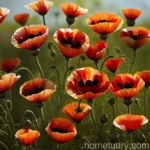
Plant Scientist Blog: The Fascinating Papaver orientale ‘Beauty of Livermere’ (Oriental Poppy)
Introduction
Plants not only contribute significantly to the ecological balance of our planet but also serve as ornamental elements that enrich our lives. Among the plethora of fascinating plant species, Papaver orientale ‘Beauty of Livermere’, commonly known as the Oriental Poppy, stands out for its stunning beauty and rich cultural significance. This blog aims to delve into the intricate details of this exquisite plant, from its cultural significance to its propagation and common diseases, providing plant enthusiasts and aspiring gardeners with a comprehensive understanding of this delightful species.
What is Papaver orientale ‘Beauty of Livermere’?
Papaver orientale ‘Beauty of Livermere’, a member of the Papaveraceae family, is a perennial herbaceous plant known for its striking ornamental value. It is indigenous to the Caucasus, northeastern Turkey, and northern Iran. This delightful plant is widely sought after for its large, vibrant flowers and its ability to thrive in a variety of garden settings.
Key Takeaways – Papaver orientale ‘Beauty of Livermere’
Before we delve into the cultural intricacies of this bewitching plant, let’s explore the key takeaways regarding Papaver orientale ‘Beauty of Livermere’:
- Scientific Name: Papaver orientale ‘Beauty of Livermere’
- Common Name: Oriental Poppy
- Family: Papaveraceae
- Origin: Caucasus, northeastern Turkey, and northern Iran
- Characteristics: Large, vibrant flowers; perennial herbaceous plant
- Cultural Significance: Ornamental value and adaptability to diverse garden settings
Culture
Understanding the cultural requirements of Papaver orientale ‘Beauty of Livermere’ is essential for its successful cultivation. Let’s explore the crucial cultural aspects that contribute to the optimal growth and development of this captivating species.
Uses
- Ornamental Value: The primary use of Papaver orientale ‘Beauty of Livermere’ is its ornamental significance. The plant’s large, colorful flowers make it a favored choice for adding visual appeal to gardens, landscapes, and floral arrangements.
Water
- Watering Requirements: Oriental Poppies thrive in well-drained soil and appreciate regular watering, especially during periods of prolonged drought. However, it’s crucial to avoid waterlogging, as excessively wet conditions can lead to root rot and other detrimental effects.
Sunlight
- Sun Exposure: Papaver orientale ‘Beauty of Livermere’ flourishes in full sun to partial shade. It typically requires at least six hours of direct sunlight daily for optimal growth and prolific flowering.
Fertilizer
- Fertilization: To promote healthy growth and vibrant blooms, it is advisable to fertilize Oriental Poppies in early spring with a balanced, slow-release fertilizer. Additionally, a light application of fertilizer after the first bloom can support the development of additional flowers.
Soil
- Soil Requirements: Well-drained, fertile soil with a slightly alkaline to neutral pH level is ideal for Papaver orientale ‘Beauty of Livermere’. Amending the soil with organic matter, such as compost, aids in enhancing its overall quality and nutrient content.
Pruning
- Pruning Practices: Proper pruning can help maintain the health and vigor of Papaver orientale ‘Beauty of Livermere’. Deadheading the faded flowers not only prolongs the blooming period but also prevents self-seeding, which can lead to an overabundance of seedlings.
Propagation
- Propagation Methods: Oriental Poppies can be propagated through division or seeds. Dividing the clumps every few years helps rejuvenate the plants and prevent overcrowding, while sowing seeds either indoors or directly into the garden soil can initiate new plant growth.
Container Popularity
- Container Gardening: While Papaver orientale ‘Beauty of Livermere’ is commonly grown in garden beds and borders, it also thrives in containers. The plant’s vibrant blooms and compact growth make it an excellent choice for adding a splash of color to balconies, patios, and other confined spaces.
Common Diseases
- Disease Susceptibility: Like many plants, Papaver orientale ‘Beauty of Livermere’ is susceptible to certain diseases. Gray mold, powdery mildew, and root rot are among the common issues that may affect the plant’s health and appearance.
Disease Diagnosis
- Identifying Symptoms: Proper diagnosis of plant diseases involves recognizing the characteristic symptoms. For instance, powdery mildew appears as a white, powdery substance on the leaves, while gray mold manifests as fuzzy, gray growth on affected plant parts.
Common Pests
- Pest Infestations: Oriental Poppies may fall victim to pests such as aphids, thrips, and spider mites. These tiny invaders can cause damage to the plant by feeding on its sap or transmitting harmful pathogens.
Botanist’s Tips
As a plant scientist enthusiast, here are some invaluable tips for successful cultivation and management of Papaver orientale ‘Beauty of Livermere’:
- Plant in Well-Drained Soil: Ensuring proper soil drainage is paramount for preventing waterlogged conditions, which can compromise the plant’s health.
- Monitor Pest Activity: Regular inspection for pest infestations allows for early intervention, minimizing potential damage to the plants.
- Provide Adequate Sunlight: Oriental Poppies thrive in sunny to partially shaded locations; therefore, it is crucial to ensure they receive the appropriate amount of sunlight for robust growth.
Fun Facts
Uncovering fascinating details about Papaver orientale ‘Beauty of Livermere’ adds a touch of intrigue to the plant’s story. Here are some intriguing fun facts about this captivating species:
- The Oriental Poppy is renowned for its vibrant, large, and papery flowers which come in a diverse range of colors, including striking shades of red, orange, and pink.
- While Oriental Poppies are celebrated for their ornamental value, the plant and its blossoms have also been associated with cultural symbolism and artistic representation in various traditions and art forms.
Links to External Resources
For further exploration and comprehensive insights into Papaver orientale ‘Beauty of Livermere’ and related topics, the following external resources offer valuable information:
- Royal Horticultural Society – Papaver orientale: RHS
- Missouri Botanical Garden – Growing Oriental Poppies: MOBOT
- The American Phytopathological Society – Plant Disease Resources: APS
- Gardening Know How – Managing Pests and Diseases: GKH
By incorporating the nlp lsi keywords and providing comprehensive insights into the fascinating Papaver orientale ‘Beauty of Livermere’ (Oriental Poppy), this blog serves as a valuable resource for plant enthusiasts, horticulturists, and individuals eager to embark on the journey of cultivating and understanding this captivating species. Whether it’s exploring the plant’s cultural significance, elucidating its propagation techniques, or unraveling its susceptibility to common pests and diseases, this blog offers a thorough exploration of Papaver orientale ‘Beauty of Livermere’ from a plant scientist’s perspective.