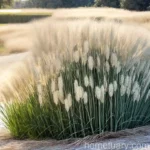
Panicum virgatum ‘Cloud Nine’ (Switch Grass): A Detailed Plant Guide
Panicum virgatum, commonly known as switchgrass, is a versatile and attractive ornamental grass that has gained popularity in gardens and landscapes. Among the various cultivars of Panicum virgatum, ‘Cloud Nine’ is particularly esteemed for its unique characteristics and aesthetic appeal. In this comprehensive guide, we delve into the intricacies of Panicum virgatum ‘Cloud Nine’, exploring its culture, uses, maintenance, and much more.
What is Panicum virgatum ‘Cloud Nine’?
Panicum virgatum ‘Cloud Nine’ is a perennial, warm-season grass that is native to North America. It is a clumping grass, meaning that it grows in a dense, upright habit, forming tufts of foliage. The name ‘Cloud Nine’ refers to its cloud-like, airy inflorescences that emerge in late summer and persist into the winter months. As an ornamental grass, ‘Cloud Nine’ is celebrated for its graceful form, ethereal plumes, and outstanding ornamental attributes.
Key Takeaways – Panicum virgatum ‘Cloud Nine’
Before delving into the specific aspects of cultivating and maintaining Panicum virgatum ‘Cloud Nine’, let’s explore some key takeaways about this captivating ornamental grass:
- Plant Type: Perennial ornamental grass
- Mature Height: 5 to 6 feet
- Growth Habit: Clumping, upright
- Foliage Color: Blue-green
- Flower Color: Airy, pink-tinged panicles
- Sunlight: Full sun
- Water Requirements: Moderate
- Soil Type: Well-drained, adaptable to various soil types
- Maintenance: Low-maintenance, minimal pruning required
- Landscape Uses: Borders, mass plantings, naturalistic landscapes, wildlife gardens
With these foundational insights, let’s embark on a detailed exploration of the culture, uses, and maintenance of Panicum virgatum ‘Cloud Nine’.
Culture
Understanding the specific cultural requirements of Panicum virgatum ‘Cloud Nine’ is essential for ensuring its optimal growth and performance in gardens and landscapes. From sunlight preferences to soil conditions, each aspect plays a pivotal role in nurturing this ornamental grass.
Sunlight
Panicum virgatum ‘Cloud Nine’ thrives in full sun, requiring at least 6 to 8 hours of direct sunlight per day. When provided with ample sunlight, this grass exhibits vigorous growth and develops robust, upright foliage. Insufficient sunlight may lead to decreased plant vigor and compromised flowering performance.
Water
In terms of water requirements, Panicum virgatum ‘Cloud Nine’ demonstrates moderate drought tolerance once established. However, regular watering is essential, particularly during the establishment phase and in periods of prolonged drought. Adequate moisture promotes healthy growth and ensures the development of lush foliage and abundant inflorescences during the blooming season.
Soil
One of the remarkable attributes of Panicum virgatum ‘Cloud Nine’ is its adaptability to a wide range of soil types. This ornamental grass thrives in well-drained soils and exhibits exceptional tolerance to both sandy and clay soils. While it can tolerate various soil pH levels, a neutral to slightly acidic soil pH within the range of 6.0 to 7.5 is considered ideal for optimal growth and development.
Fertilizer
Panicum virgatum ‘Cloud Nine’ generally does not require heavy fertilization once established in a suitable growing environment. However, incorporating a balanced, slow-release fertilizer in the spring can provide an initial nutrient boost to support vigorous growth and flowering. It is important to avoid excessive nitrogen fertilization, as it may lead to overly lush foliage at the expense of prolific flowering.
Uses
The versatile uses of Panicum virgatum ‘Cloud Nine’ make it a valuable addition to diverse landscapes and garden settings. From its ornamental allure to its ecological contributions, this ornamental grass serves various purposes with grace and resilience.
Landscape Ornament
As an ornamental grass, ‘Cloud Nine’ holds immense decorative value, offering a striking vertical element in mixed borders, perennial beds, and naturalistic landscapes. The ethereal, pink-tinged panicles that appear in late summer create a mesmerizing display, adding a sense of movement and elegance to the landscape. Additionally, the blue-green foliage of ‘Cloud Nine’ provides enduring visual interest, especially when backlit by the sun or swaying gently in the wind.
Wildlife Habitat
Beyond its aesthetic charm, Panicum virgatum ‘Cloud Nine’ contributes to the ecological vitality of garden and natural landscapes. The dense growth habit and seed-bearing inflorescences of this grass provide valuable shelter and foraging opportunities for various wildlife species, including birds and beneficial insects. By incorporating ‘Cloud Nine’ into garden designs, individuals can support local biodiversity and promote a healthier, more balanced ecosystem.
Erosion Control
Given its clumping growth habit and deep, fibrous root system, Panicum virgatum ‘Cloud Nine’ is an effective ally in erosion control efforts. When planted en masse on slopes or along waterways, this grass stabilizes the soil, mitigates erosion, and enhances the overall resilience of the landscape. Its adaptability to varied soil types further augments its efficacy in erosion-prone areas.
Pruning
Maintaining Panicum virgatum ‘Cloud Nine’ typically entails minimal pruning, as the grass retains its ornamental appeal through the winter months. However, certain guidelines for pruning and maintenance can contribute to the overall health and aesthetic value of this ornamental grass.
Pruning Techniques
In late winter or early spring, before new growth emerges, it is advisable to trim back the previous year’s foliage of Panicum virgatum ‘Cloud Nine’ to a few inches above the ground. This rejuvenation pruning helps in the removal of dead foliage and stimulates new, fresh growth. Additionally, the airy inflorescences can be retained through the winter months to provide visual interest and serve as shelter for wildlife before being pruned in early spring.
Propagation
Expanding the presence of Panicum virgatum ‘Cloud Nine’ in a landscape or sharing its beauty with fellow gardening enthusiasts can be achieved through the propagation of this ornamental grass. While Panicum virgatum can be propagated through different methods, division and seed propagation are the primary approaches for proliferating ‘Cloud Nine’.
Division
Dividing mature clumps of Panicum virgatum ‘Cloud Nine’ allows for the creation of new plants and the rejuvenation of established specimens. Division is typically carried out in early spring before new growth commences or in early fall, providing ample time for the divided plants to establish their root systems before facing the stress of summer heat. By ensuring that each division possesses a healthy portion of roots and shoots, successful establishment and subsequent growth can be facilitated.
Seed Propagation
For individuals seeking to grow Panicum virgatum ‘Cloud Nine’ from seed, collecting and sowing mature seeds represents a viable propagation method. The collection of seeds is typically performed in late summer to early fall, when the inflorescences have reached maturity and the seeds have developed. After harvesting the seeds, they can be sown in well-prepared seedbeds or containers, facilitating germination and the establishment of young seedlings that can subsequently be transplanted into the desired growing areas.
Container Popularity
The container popularity of Panicum virgatum ‘Cloud Nine’ underscores its adaptability to container gardening and its capacity to bring ornamental allure to diverse outdoor spaces. Whether positioned on patios, terraces, or within garden vignettes, ‘Cloud Nine’ exhibits remarkable poise and visual appeal when grown in containers.
Container Requirements
When cultivating Panicum virgatum ‘Cloud Nine’ in containers, several key considerations contribute to its successful growth and performance. Firstly, selecting a spacious container that facilitates unrestricted root growth is essential, as ‘Cloud Nine’ develops robust root systems. A container with adequate drainage holes ensures good soil moisture management and prevents waterlogged conditions, which can be detrimental to the health of the grass. Potting mixes with good drainage and aeration qualities offer an optimal growing medium for ‘Cloud Nine’ in containers, promoting healthy root development and overall vigor.
Design Applications
The container versatility of Panicum virgatum ‘Cloud Nine’ lends itself to various design applications, including patio accents, focal points, and seasonal displays. Its upright growth habit, attractive foliage, and airy inflorescences make it a compelling candidate for container gardens seeking to incorporate vertical interest and dynamic texture. Additionally, ‘Cloud Nine’ can serve as a striking centerpiece within mixed container plantings, contributing to a balanced and visually engaging composition.
Common Diseases
While Panicum virgatum ‘Cloud Nine’ generally exhibits robust health and resilience, it can be susceptible to certain diseases under unfavorable growing conditions. Awareness of common diseases and their management is crucial for safeguarding the vigor and longevity of ‘Cloud Nine’ in garden and landscape settings.
Anthracnose
Anthracnose, caused by fungal pathogens, is a potential concern for Panicum virgatum ‘Cloud Nine’, particularly during periods of prolonged humidity and dampness. Symptoms of anthracnose may include unsightly lesions on the foliage, leading to diminished aesthetic appeal and weakened plant vigor. To mitigate the impact of anthracnose, promoting good air circulation, avoiding overhead watering, and maintaining overall plant health are effective preventive measures. In severe cases, fungicidal treatments may be warranted, with formulations specifically targeted at anthracnose control.
Rust
Rust diseases, characterized by the development of orange to reddish pustules on the foliage, can affect Panicum virgatum ‘Cloud Nine’ in conditions conducive to fungal infection. While rust infections often arise in situations of prolonged leaf wetness and high humidity, promoting proper air circulation and avoiding overhead watering can help reduce the risk of rust development. If rust symptoms manifest, prompt removal and disposal of affected plant material, coupled with fungicidal intervention as necessary, can aid in disease management.
Disease Diagnosis
The accurate diagnosis of potential diseases affecting Panicum virgatum ‘Cloud Nine’ is integral to implementing targeted and effective management strategies. By familiarizing oneself with the symptoms and signs associated with common grass diseases, individuals can promptly address any abnormalities and advocate for the sustained health of ‘Cloud Nine’.
Visual Symptoms
The visual symptoms of common diseases impacting Panicum virgatum ‘Cloud Nine’ may encompass irregular lesions, discoloration, or the presence of fungal structures on the foliage. Observable changes in the overall vigor and growth pattern of the grass, such as stunted growth or wilting, can also signal potential disease issues. Concurrently, close inspection of the foliage for signs of abnormal discoloration or texture irregularities aids in the timely detection and subsequent diagnosis of diseases.
Diagnostic Resources
In cases where disease symptoms are ambiguous or unfamiliar, consulting diagnostic resources and local agricultural extension services can provide valuable insights. Extension professionals and plant pathologists can offer expert guidance in disease diagnosis, suggesting appropriate measures for disease management and the preservation of the plant’s health.
Common Pests
While Panicum virgatum ‘Cloud Nine’ is generally resistant to pest infestations, certain insects can pose threats to its vitality. Familiarizing oneself with the common pests that may target ‘Cloud Nine’ facilitates proactive pest management and safeguards the grass from potential pest-related stresses.
Aphids
Aphids, small sap-sucking insects, can occasionally colonize the foliage of Panicum virgatum ‘Cloud Nine’, leading to stunted growth and distorted foliage. The presence of aphids may be indicated by the observation of sticky honeydew or the visual identification of the pests on the grass. In instances of aphid infestations, employing biological controls, such as predatory insects or insecticidal soaps, can help in mitigating the population and curbing the damage caused by these pests.
Grasshoppers
Grasshoppers are known to feed on the foliage of various grass species, including Panicum virgatum ‘Cloud Nine’. Their voracious feeding behavior can result in noticeable leaf damage and the depletion of plant resources. Implementing physical barriers, such as row covers, to protect ‘Cloud Nine’ from grasshopper feeding can be effective, along with the selective use of insecticides if the infestations are substantial and warrant intervention.
Botanist’s Tips
Drawing on the expertise of botanists and horticultural professionals, we gather valuable insights and best practices for the successful cultivation and appreciation of Panicum virgatum ‘Cloud Nine’. These tips serve as a guiding compass for enthusiasts seeking to elevate their gardening experiences and optimize the performance of ‘Cloud Nine’ in various settings.
Soil Amendment
Introducing organic matter, such as compost or well-rotted manure, into the soil can enhance its structure and fertility, fostering an environment conducive to the thriving growth of Panicum virgatum ‘Cloud Nine’. This practice supports the development of a rich soil ecosystem, promoting robust root growth and overall plant vigor.
Seasonal Mulching
The application of a layer of organic mulch around the base of Panicum virgatum ‘Cloud Nine’ provides multifaceted benefits, including moisture retention, weed suppression, and soil temperature moderation. Additionally, seasonal mulching contributes to the gradual enrichment of the soil as the mulch decomposes, fostering a favorable microenvironment for the grass.
Ecological Awareness
Embracing ecological awareness in the cultivation and stewardship of Panicum virgatum ‘Cloud Nine’ underscores the interconnectedness of plants, wildlife, and ecosystems. By fostering a harmonious balance between cultivated landscapes and native biodiversity, individuals can enrich their gardening endeavors and contribute to the preservation of ecological integrity.
Fun Facts
Appreciating the fascinating aspects of Panicum virgatum ‘Cloud Nine’ enhances the overall experience of cultivating this ornamental grass. Whether noteworthy botanical attributes or historical significance, fun facts add depth and context to the rich tapestry of ‘Cloud Nine’s’ presence in gardens and landscapes.
- Historical Significance: Panicum virgatum, including the ‘Cloud Nine’ cultivar, has historical significance, with indigenous tribes in North America utilizing switchgrass for culinary and weaving purposes.
- Erosion Mitigator: The deep, fibrous root system of Panicum virgatum ‘Cloud Nine’ contributes significantly to soil stabilization and erosion control, making it a valuable ecological ally.
- Winter Interest: The persistent inflorescences and enduring structure of ‘Cloud Nine’ render it an appealing component of winter landscapes, providing visual interest amidst dormancy.
- Biodiversity Supporter: Beyond its ornamental appeal, Panicum virgatum ‘Cloud Nine’ functions as a supportive habitat and food source for various fauna, enriching the ecological fabric of the landscape.
Links to External Resources
For individuals seeking additional insights and resources pertaining to Panicum virgatum ‘Cloud Nine’ and ornamental grass cultivation, the following external links provide valuable information and guidance:
- American Nursery & Landscape Association
- National Garden Clubs, Inc.
- The Royal Horticultural Society
- University Cooperative Extension Services
- American Horticultural Society
With its distinct ornamental appeal, ecological contributions, and adaptable nature, Panicum virgatum ‘Cloud Nine’ stands as a compelling choice for diverse garden and landscape applications. By embracing the insights and recommendations elucidated in this guide, enthusiasts can nurture the robust growth and enduring beauty of ‘Cloud Nine’, amplifying its charm in outdoor settings. Whether as a focal specimen in containers or a dynamic component of mixed borders, ‘Cloud Nine’ exemplifies the enchanting allure and environmental benevolence of ornamental grasses.
References
American Nursery & Landscape Association. (n.d.). American Nursery & Landscape Association. https://www.anla.org/
National Garden Clubs, Inc. (n.d.). National Garden Clubs, Inc. https://gardenclub.org/
The Royal Horticultural Society. (n.d.). The Royal Horticultural Society. https://www.rhs.org.uk/
University Cooperative Extension Services. (n.d.). United States Department of Agriculture. National Institute of Food and Agriculture. Cooperative Extension System. https://nifa.usda.gov/cooperative-extension-system
American Horticultural Society. (n.d.). American Horticultural Society. https://ahsgardening.org/