All You Need to Know About Panicle Hydrangea (Hydrangea paniculata ‘Little Lamb’)
Hydrangeas are popular ornamental plants cherished for their large, showy flower heads and lush, green foliage. Among the various hydrangea species available, Hydrangea paniculata, commonly known as panicle hydrangea, is a widely grown and admired variety. In particular, Hydrangea paniculata ‘Little Lamb’ is a cultivated cultivar that has gained popularity in gardens and landscapes. In this comprehensive guide, we will delve into the various aspects of caring for and growing this beautiful plant.
What is Panicle Hydrangea?
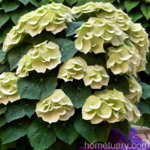
Hydrangea paniculata, also known as panicle hydrangea, is a deciduous shrub belonging to the family Hydrangeaceae. This species is native to China and Japan and is characterized by its large, conical flower clusters and broad leaves. The ‘Little Lamb’ variety is a specific cultivar of Hydrangea paniculata, valued for its compact size and abundant, creamy-white flowers. Let’s explore the key aspects of this stunning plant.
Key Takeaways – Panicle Hydrangea (Hydrangea paniculata ‘Little Lamb’)
1. Culture
- Scientific Name: Hydrangea paniculata ‘Little Lamb’
- Plant Type: Deciduous shrub
- Mature Size: 3-5 feet tall and wide
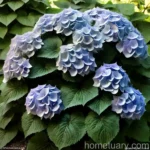
- Flower Color: Creamy-white
- Bloom Time: Midsummer to early fall
- Foliage: Dark green, ovate leaves with serrated edges
2. Uses
- Ornamental purposes: Landscaping, gardens, and cut flower arrangements
- Pollinator attractant
- Privacy hedges and borders
3. Water
- Moderate watering needs; regular watering during dry spells
- Ensure well-drained soil to prevent waterlogging
4. Sunlight
- Full sun to part shade
- Thrives in locations with morning sun and afternoon shade
5. Fertilizer
- Balanced, slow-release fertilizer in early spring
- Avoid excessive use of nitrogen-rich fertilizers to prevent excessive vegetative growth at the expense of flowers
6. Soil
- Well-draining, fertile soil
- Neutral to slightly acidic pH (5.5-7.0)
7. Pruning
- Prune in late winter or early spring before new growth emerges
- Remove spent flower heads to encourage new growth and maintain shape
- Cut back older stems to promote new shoots
8. Propagation
- Softwood cuttings in early summer
- Division of mature plants in spring
9. Container Popularity
- Well-suited for container gardening, especially compact varieties like ‘Little Lamb’
Common Diseases
Disease Diagnosis
- Powdery Mildew: White, powdery patches on leaves; ensure good air circulation
- Cercospora Leaf Spot: Dark, circular spots on leaves; remove and destroy affected foliage
- Botrytis Blight: Gray mold on flowers and stems; avoid overhead watering and provide good air circulation
Common Pests
- Aphids: Small, soft-bodied insects on new growth; rinse off with a strong jet of water
- Spider Mites: Fine webbing and stippled foliage; spray plants with water to dislodge mites
Botanist’s Tips
- Regular deadheading promotes prolonged blooming
- Mulch around the base to retain soil moisture and suppress weeds
- Monitor for pest and disease issues regularly to address them promptly
- Avoid excessive pruning, as it can reduce flowering potential for the following season
Fun Facts
- The panicle hydrangea’s flowers can change color based on soil pH, with acidic soils resulting in blue blooms and alkaline soils leading to pink blooms.
- The cultivar name ‘Little Lamb’ is attributed to its petite and delicate appearance, resembling the softness of a lamb’s fleece.
Links to External Resources
For additional information on panicle hydrangea care and cultivation, refer to the following resources:
- University of Missouri Extension – Growing Hydrangeas
- The American Hydrangea Society
- RHS – Hydrangea Care
- University of Florida IFAS Extension – Hydrangea Insects and Diseases
The appeal of Hydrangea paniculata ‘Little Lamb’ lies in its charming aesthetics and relatively low maintenance requirements, making it a delightful addition to garden landscapes and container displays. By following the recommended care practices and being mindful of its specific needs, you can enjoy the enduring beauty of this splendid cultivar throughout the growing season.
Whether you’re a seasoned gardener or a newbie enthusiast, the versatility and adaptability of Hydrangea paniculata ‘Little Lamb’ make it an excellent choice for enhancing your outdoor spaces and creating stunning floral arrangements. With the right care and attention, your ‘Little Lamb’ will flourish, providing an abundance of elegant blooms and enriching your gardening experience.