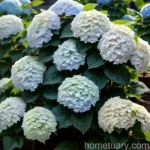
All About Panicle Hydrangea (Hydrangea paniculata ‘Hpopr013’ CANDELABRA)
Introduction
Panicle hydrangeas, scientifically known as Hydrangea paniculata ‘Hpopr013’ CANDELABRA, are a beautiful and versatile flowering shrub. They are renowned for their large, showy flower clusters and their hardy nature, making them a popular choice for gardens and landscapes. In this comprehensive guide, we will delve into the various aspects of panicle hydrangeas, from their cultural requirements to their care and maintenance, and explore why they have become a favorite among gardeners and landscape designers.
What is Panicle Hydrangea?
Panicle hydrangea, or Hydrangea paniculata, is a deciduous shrub native to China and Japan. This plant belongs to the Hydrangeaceae family and is well-loved for its stunning panicles of white, cream, or pink flowers that bloom in the summer and can persist well into the fall. The ‘Hpopr013’ CANDELABRA variety is a specific cultivar known for its exceptional qualities, making it a sought-after choice for garden enthusiasts.
Key Takeaways
Before we embark on our journey to explore every aspect of panicle hydrangeas, let’s take a moment to highlight the key takeaways that we will cover in this guide. These takeaways are essential for understanding the requirements and characteristics of the ‘Hpopr013’ CANDELABRA variety and panicle hydrangeas in general:
- Panicle Hydrangea Growth Habits: Understanding the growth patterns and habits of panicle hydrangeas.
- Description of Hydrangea paniculata ‘Hpopr013’: Exploring the specific characteristics and traits of the ‘Hpopr013’ CANDELABRA variety.
- Caring for Panicle Hydrangeas: Learning about the essential care requirements for maintaining healthy and vibrant panicle hydrangeas.
- Best Conditions for Hydrangea paniculata ‘Hpopr013’: Identifying the optimal conditions for cultivating ‘Hpopr013’ CANDELABRA and ensuring its optimal growth.
- Pruning Tips for Panicle Hydrangeas: Mastering the art of pruning panicle hydrangeas for optimal flowering and shape.
- Varied Hydrangea paniculata Varieties: Discovering the diverse range of panicle hydrangea cultivars available to gardeners.
- Growing Panicle Hydrangeas in Containers: Exploring the possibilities of container gardening with panicle hydrangeas.
- Characteristics of Hydrangea paniculata ‘Hpopr013’: Understanding the unique traits and features that set ‘Hpopr013’ CANDELABRA apart.
- Panicle Hydrangea Flower Colors: Appreciating the range of colors exhibited by the blooms of panicle hydrangeas.
- Care Guide for Hydrangea paniculata ‘Hpopr013’: Detailed instructions for the proper care and maintenance of ‘Hpopr013’ CANDELABRA.
Now that we have set the stage with an overview of what to expect, let’s delve into the fascinating world of panicle hydrangeas and unravel their secrets.
Culture
1. Uses
Panicle hydrangeas are highly valued for their ornamental use in gardens, parks, and landscapes. They can be employed in various ways to enhance the visual appeal of outdoor spaces. Some common uses of panicle hydrangeas include:
– Specimen Plant: Planted as a standalone focal point, showcasing the beauty of their abundant blooms.
– Hedging and Screening: Used to create privacy screens or formal hedges due to their dense growth habit.
– Mixed Borders: Integrated into mixed perennial borders for adding height and seasonal interest.
– Cut Flowers: Harvested for creating stunning fresh or dried floral arrangements.
2. Water
Proper watering is crucial for the health and vitality of panicle hydrangeas. These plants require consistent moisture, especially during their active growth period. However, they do not tolerate waterlogging, which can lead to root rot and other problems. The following guidelines can help in optimizing the watering regimen for panicle hydrangeas:
– Regular Watering: Ensure that the soil remains consistently moist, but not waterlogged, particularly during dry spells or hot weather.
– Mulching: Apply a layer of organic mulch around the base of the plant to help retain soil moisture and regulate temperature.
– Avoid Overhead Watering: Direct water to the base of the plant to prevent wetting the foliage excessively, which can contribute to disease development.
– Established Plant Care: Once established, panicle hydrangeas display good drought tolerance, but supplemental watering may be needed during prolonged dry periods.
3. Sunlight
Panicle hydrangeas thrive in locations with bright, indirect sunlight or dappled shade. While they can tolerate some direct sunlight, especially in the morning, excessive exposure to intense afternoon sun may lead to issues such as leaf scorch. Understanding their sunlight requirements is essential for positioning them appropriately in the landscape:
– Ideal Sun Conditions: Provide morning sun and afternoon shade for optimal growth and flowering.
– Shade Considerations: In regions with hot summers, providing protection from intense midday and afternoon sun can help maintain plant vigor and prevent sun damage.
– Adaptability: Panicle hydrangeas are adaptable and can tolerate varying light conditions, making them versatile for different garden settings.
4. Soil
The soil requirements of panicle hydrangeas play a significant role in their overall health and vigor. These plants thrive in well-draining, fertile soil with a slightly acidic to neutral pH. A well-prepared soil foundation can provide the necessary support for robust growth and prolific flowering. Consider the following soil-related aspects when growing panicle hydrangeas:
– Soil Structure: Ensure that the soil is well-draining, yet capable of retaining adequate moisture for the plants.
– Soil Amendments: Incorporate organic matter such as compost or aged manure when preparing the planting site to improve soil structure and fertility.
– pH Considerations: Aim for a soil pH in the range of 5.5 to 6.5 for optimal nutrient availability and uptake by the hydrangeas.
5. Fertilizer
Fertilizing panicle hydrangeas is essential for sustaining their growth, supporting abundant flowering, and promoting overall plant health. The choice of fertilizer and the timing of application can significantly impact the performance of these shrubs. Here are some key considerations for fertilizing panicle hydrangeas:
– Balanced Fertilizer: Apply a balanced, slow-release fertilizer formulated for flowering shrubs in early spring before new growth begins.
– Avoid High Nitrogen: Refrain from using high-nitrogen fertilizers, as they can promote excessive vegetative growth at the expense of flower production.
– Annual Feeding: Consider providing a light application of fertilizer in late spring or early summer if the plants show signs of nutrient deficiency or reduced vigor.
6. Pruning
Pruning is an essential aspect of panicle hydrangea care, influencing their overall appearance, flowering performance, and health. Understanding the timing and techniques of pruning can have a significant impact on the long-term success of these shrubs in the landscape. Consider the following points related to pruning panicle hydrangeas:
– Pruning Time: Perform pruning in late winter or early spring before new growth emerges to shape the plants and remove any damaged or weak growth.
– Deadheading: Remove spent flower clusters to promote continuous flowering and prevent seed formation.
– Size Control: Trim back the stems to manage the size and shape of the shrubs, if desired, but be mindful of not affecting the next season’s flower buds.
7. Propagation
The propagation of panicle hydrangeas allows gardeners to expand their collection of plants or share them with others. Several methods can be employed for propagating these shrubs, each with its own set of advantages and considerations:
– Softwood Cuttings: Take softwood cuttings in early summer and root them in a well-draining medium to propagate new plants.
– Layering: Encourage the lower branches to root by employing layering techniques, which can result in new plants while still attached to the parent.
– Division: Divide established clumps of panicle hydrangeas to create new plants, ensuring that each division has sufficient roots and top growth for successful establishment.
8. Container Popularity
Panicle hydrangeas are well-suited for container cultivation, offering a range of possibilities for gardeners and landscape designers. The ability to grow them in containers expands the options for outdoor décor and layout, allowing for greater flexibility in utilizing these plants. Key points related to their popularity in container gardening include:
– Versatility: Panicle hydrangeas can be showcased on patios, decks, or balconies, adding a touch of elegance and charm to outdoor living spaces.
– Space Optimization: Utilize container-grown panicle hydrangeas to enhance small gardens or urban landscapes where space is limited.
– Seasonal Appeal: Containers provide the flexibility to move the plants as needed, allowing for seasonal adjustments and creating dynamic visual displays.
9. Common Diseases
While panicle hydrangeas are relatively resistant to many diseases, they can still be susceptible to certain issues under unfavorable conditions. Understanding common diseases and their management is essential for maintaining the health and vigor of these shrubs. Some prevalent diseases that may affect panicle hydrangeas include:
– Powdery Mildew: A fungal disease that can cause a white powdery coating on the leaves, leading to reduced photosynthesis and overall plant vitality.
– Leaf Spot: Manifests as circular, dark spots on the foliage, often caused by fungal pathogens.
– Botrytis Blight: A gray mold that affects the flowers, particularly in humid conditions, leading to flower blight and premature browning.
10. Disease Diagnosis
Diagnosing diseases in panicle hydrangeas involves careful observation of the plants’ symptoms and understanding the environmental factors that may contribute to the disease development. When identifying and addressing potential diseases, consider the following diagnostic aspects:
– Symptom Recognition: Pay attention to leaf discoloration, spotting, wilting, or any abnormal growth that may indicate disease presence.
– Environmental Conditions: Evaluate the prevailing weather conditions, moisture levels, and air circulation, as these factors can influence disease development.
– Professional Assistance: Seek guidance from local extension services or plant health professionals for accurate diagnosis and suitable management approaches.
11. Common Pests
Panicle hydrangeas are generally resistant to many insect pests, but they can still encounter occasional pest issues that require attention and management. Being aware of common pests and their signs can aid in early detection and proactive pest control measures. Keep an eye out for the following pests that may affect panicle hydrangeas:
– Aphids: Small, pear-shaped insects that can congregate on the new growth, causing distortion and honeydew secretion.
– Scale Insects: These pests can appear as raised bumps on the stems and leaves, leading to weakened plant vigor and sap depletion.
– Spider Mites: Microscopic pests that can cause stippling and webbing on the leaves, particularly in hot and dry conditions.
Botanist’s Tips
1. Soil Management
Maintaining well-draining soil with adequate organic matter is crucial for the long-term success of panicle hydrangeas. Regularly amending the soil with compost and mulching around the plants can help in retaining soil moisture and improving overall soil structure.
2. Pruning Considerations
When pruning panicle hydrangeas, prioritize the removal of weak, damaged, or diseased growth to promote air circulation and reduce disease risk. Additionally, refrain from excessively trimming the plants, as this can impact the following season’s flowering.
3. Disease Prevention
Implementing measures to promote good air circulation, such as adequate spacing and proper pruning, can significantly reduce the risk of fungal diseases such as powdery mildew and botrytis blight.
Fun Facts
- Changing Blooms: The flower color of panicle hydrangeas can change based on the soil pH, with acidic soils producing blue flowers and alkaline soils resulting in pink flowers.
- Long-Lasting Blooms: The cone-shaped flower clusters of panicle hydrangeas can persist on the plant for several weeks, providing an extended period of visual appeal.
Links to External Resources
For further information on panicle hydrangeas and their care, you may find the following resources helpful:
– The American Hydrangea Society
– University of Florida IFAS Extension: Hydrangea for Florida Landscapes
– Royal Horticultural Society: Hydrangea Growing Guide
– Missouri Botanical Garden: Hydrangea paniculata ‘Grandiflora’ Plant Profile
In this guide, we have explored the captivating world of panicle hydrangeas, specifically focusing on the Hydrangea paniculata ‘Hpopr013’ CANDELABRA variety. By understanding their culture, care requirements, and unique attributes, gardeners and plant enthusiasts can successfully cultivate and enjoy the stunning beauty of these flowering shrubs.
Panicle hydrangeas continue to captivate with their versatile nature, making them a delightful addition to gardens, landscapes, and even container displays. With the right knowledge and attention to their specific needs, these plants can thrive and reward their caretakers with bountiful blooms and enduring charm.