Smooth Hydrangea (Hydrangea arborescens ‘Grandiflora’): The Ultimate Care Guide
Hydrangea arborescens ‘Grandiflora,’ commonly known as smooth hydrangea, is a beautiful and versatile flowering shrub that is favored by many gardeners for its stunning blooms and low maintenance requirements. In this comprehensive care guide, we will delve into the various aspects of caring for smooth hydrangeas, including its cultural requirements, uses, optimal conditions, potential diseases and pests, as well as propagation and fun facts. Whether you are a beginner gardener or an experienced plant enthusiast, this guide will equip you with the knowledge needed to cultivate and enjoy the beauty of smooth hydrangeas in your garden or landscape.
What is Smooth Hydrangea (Hydrangea arborescens ‘Grandiflora’)?
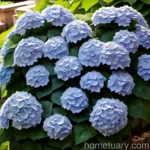
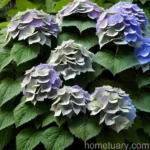
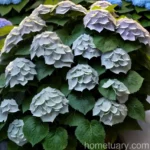
Smooth hydrangea (Hydrangea arborescens ‘Grandiflora’) is a deciduous flowering shrub that belongs to the Hydrangeaceae family. This species is native to the eastern United States and is known for its showy, round-shaped flower clusters, also referred to as “mophead” blooms. The flowers typically range in color from creamy white to pale green and may develop a pinkish blush as they age.
The smooth hydrangea cultivar ‘Grandiflora’ is particularly renowned for its large, creamy-white flower heads and robust growth habit, making it a popular choice among gardeners seeking a striking and reliable bloomer for their landscapes. When provided with the appropriate growing conditions and care, smooth hydrangeas can thrive and produce an abundance of exquisite blooms, enhancing the visual appeal of gardens, borders, and naturalistic landscapes.
Key Takeaways – Smooth Hydrangea (Hydrangea arborescens ‘Grandiflora’)
Before delving into the specific care requirements for smooth hydrangeas, let’s overview the key takeaways associated with this captivating plant. Understanding these fundamental aspects will set the foundation for successfully nurturing and enjoying smooth hydrangeas in various garden settings.
Culture
- Smooth hydrangeas thrive in well-draining, nutrient-rich soils and prefer a slightly acidic to neutral pH range.
- These plants exhibit good adaptability and are suitable for growing in USDA Hardiness Zones 3-9, making them widely accessible for gardeners across different regions.
- They are well-suited for both traditional and contemporary garden designs, adding versatility to landscape compositions.
- Due to their elegant blooms and relatively low maintenance requirements, smooth hydrangeas are valued for their ornamental and aesthetic appeal in various gardening styles.
Uses
- Smooth hydrangeas can be utilized as specimen plants, focal points, or mass plantings to create impactful displays in garden beds or borders.
- They are often incorporated into cottage gardens, woodland gardens, and mixed perennial borders to introduce a charming and romantic character.
- With their attractiveness to pollinators and songbirds, smooth hydrangeas contribute to the ecological sustainability and vitality of garden ecosystems.
The following section will delve into specific care guidelines for smooth hydrangeas, encompassing essential aspects such as water, sunlight, fertilizer, soil, pruning, propagation, containers, diseases, pests, and botanist’s tips.
Water
Proper watering is essential for the health and vitality of smooth hydrangeas. Adequate moisture levels support robust growth and facilitate the development of lush foliage and abundant blooms. However, overwatering can lead to waterlogged soils and create conditions conducive to root diseases. Conversely, underwatering can result in stress, wilting, and reduced flower production. To optimize the watering practices for smooth hydrangeas, consider the following recommendations:
- Regular Monitoring: Keep a close eye on the moisture level of the soil, particularly during hot and dry periods. Irrigate the plants when the top inch of the soil feels dry to the touch.
- Deep Watering: When watering, ensure that the moisture penetrates deeply into the root zone. Shallow, frequent watering can encourage shallow root development, rendering the plants more vulnerable to environmental stresses.
- Avoid Waterlogged Conditions: Prevent excessive water accumulation by ensuring that the soil has adequate drainage. Consider amending heavy or compacted soils with organic matter to improve drainage and aeration.
Sunlight
Proper sunlight exposure plays a pivotal role in the growth, flowering, and overall performance of smooth hydrangeas. While these plants flourish in partial shade, they can also tolerate full sun under certain conditions. Understanding their sunlight requirements allows for strategic placement within the garden and ensures optimal development. Here are essential considerations related to sunlight for smooth hydrangeas:
- Partial Shade: Smooth hydrangeas typically thrive in locations with dappled or filtered sunlight. Partial shade conditions, characterized by a few hours of direct sunlight and partial shading, are ideal for promoting healthy growth and bountiful blooms.
- Morning Sun, Afternoon Shade: If planting in areas with stronger sun exposure, prioritize morning sun and afternoon shade to shield the plants from intense midday heat and minimize the risk of leaf scorch.
- Full Sun Tolerance: In cooler or more northern climates, smooth hydrangeas can tolerate full sun, provided they receive adequate moisture and are not subjected to prolonged periods of extreme heat and drought.
Fertilizer
Appropriate fertilization supports the nutritional needs of smooth hydrangeas and bolsters their vigor, flowering potential, and overall health. By supplementing the soil with essential nutrients, gardeners can effectively enhance the plants’ resilience and promote robust growth. Consider the following fertilizer guidelines to optimize the nutrition intake of smooth hydrangeas:
- Balanced Fertilizer: Utilize a balanced, slow-release fertilizer formulated for flowering shrubs to provide a consistent source of essential nutrients over an extended period. Aim for a fertilizer with a balanced NPK (nitrogen, phosphorus, potassium) ratio to support overall plant development and flower production.
- Application Timing: Apply fertilizer in early spring, just before the onset of new growth, to coincide with the plants’ increased nutrient demands as they initiate the growing season. Avoid late-season fertilization, as it can stimulate late, tender growth that may be susceptible to frost damage.
- Even Distribution: Distribute the fertilizer evenly within the drip line of the plants, avoiding direct contact with the stems or foliage. Water the soil thoroughly after application to facilitate nutrient absorption and minimize the risk of fertilizer burn.
Soil
The soil composition and quality profoundly influence the growth, vitality, and flowering performance of smooth hydrangeas. Understanding the preferred soil characteristics enables gardeners to create an optimal growing environment and support the plants’ long-term health. Consider the following soil-related aspects when cultivating smooth hydrangeas:
- Well-Draining Soil: Smooth hydrangeas thrive in well-draining, loamy soils that permit excess water to percolate freely. Heavy or poorly drained soils can lead to waterlogged conditions, compromising the root health and overall vigor of the plants.
- pH Considerations: Aim for a soil pH ranging from slightly acidic to neutral, ideally between 5.5 and 6.5, to facilitate nutrient uptake and minimize the risk of nutrient deficiencies. Conduct a soil test to assess the pH level and make necessary amendments with organic matter or soil conditioners to achieve the desired range.
- Organic Enrichment: Incorporating organic matter, such as compost, well-rotted manure, or peat moss, into the soil promotes improved structure, fertility, and moisture retention. Organic amendments contribute to long-term soil health and support the establishment of healthy root systems.
Pruning
Pruning is an essential aspect of maintaining the shape, vigor, and flowering prowess of smooth hydrangeas. By adopting appropriate pruning techniques, gardeners can refine the plants’ appearance, remove dead or damaged growth, and stimulate prolific bloom production. Understanding the timing and methods of pruning is crucial to optimize the aesthetic and functional attributes of smooth hydrangeas. Consider the following pruning guidelines to guide your efforts:
- Pruning Timing: Schedule pruning sessions for smooth hydrangeas immediately after the flowering period, typically in late summer or early fall. This timing allows ample time for the plants to set flower buds for the following year while facilitating efficient rejuvenation and new growth.
- Selective Trimming: Focus on removing spent flower heads, thinning out overcrowded or crossing branches, and cutting back weak or diseased stems to maintain an open and well-aerated canopy. Avoid extensive or aggressive pruning, as it can diminish the following year’s bloom potential.
Propagation
Propagation offers the opportunity to expand your collection of smooth hydrangeas and propagate beloved cultivars for sharing with fellow gardeners. By employing suitable propagation techniques, you can generate new plants from existing specimens and perpetuate desirable traits. Explore the following propagation methods to cultivate smooth hydrangeas through division or cuttings:
Division
-
Spring Division: In early spring, consider dividing mature smooth hydrangea clumps to create new plants. Select healthy, vigorous divisions with an adequate root system, ensuring that each division possesses viable shoots and roots for successful establishment.
-
Planting Protocol: Plant the divisions in prepared, well-draining soil, ensuring that the crown is situated at the soil level and the roots are evenly spread. Maintain consistent moisture and provide protection from intense sunlight during the initial establishment phase.
Cuttings
-
Semi-Hardwood Cuttings: Harvest semi-hardwood cuttings in midsummer, selecting healthy, non-flowering stems with firm, yet flexible growth. Prepare the cuttings by removing the lower leaves, dipping the base in a rooting hormone, and inserting them into a well-draining, moist propagation medium.
-
Rooting Environment: Provide a warm, humid rooting environment with bright, indirect light to facilitate the root development of the cuttings. Mist the cuttings regularly and maintain consistent moisture levels to support successful propagation.
Container Popularity
Given their compact size, versatility, and captivating blooms, smooth hydrangeas are well-suited for cultivation in containers, adding a charming and impactful element to patios, balconies, and small garden spaces. Container cultivation offers the flexibility to showcase smooth hydrangeas in various settings while catering to their specific needs for soil, moisture, and sunlight. Here are key considerations for cultivating smooth hydrangeas in containers:
-
Container Selection: Opt for spacious, well-draining containers with adequate drainage holes to prevent water accumulation. Choose containers that accommodate the mature size of the smooth hydrangeas while allowing space for root development.
-
Moisture Management: Monitor the moisture level of the potting mix regularly, as containers may dry out more rapidly compared to garden beds. Water the plants when the top inch of the soil feels dry, aiming for consistent moisture without waterlogged conditions.
-
Sunlight Requirements: Position the containers in locations with partial shade, allowing for sufficient sunlight without subjecting the plants to intense midday radiation. Shield the containers from strong winds and provide protection during heatwaves to minimize stress on the plants.
Common Diseases
Smooth hydrangeas are generally resilient and resistant to many common plant diseases. However, they may be susceptible to certain fungal infections, particularly in conditions characterized by high humidity, poor air circulation, or prolonged wet foliage. Understanding the potential diseases and their corresponding management strategies empowers gardeners to safeguard the health and vitality of smooth hydrangeas. Consider the following common diseases and associated diagnosis and treatment:
Disease Diagnosis
-
Powdery Mildew (Erysiphe cichoracearum): Powdery mildew manifests as a white, powdery coating on the leaves, stems, and flower buds. The affected tissues may appear distorted or stunted, and severe infestations can compromise the overall vigor of the plants.
-
Treatment Approach: Improve air circulation, minimize overhead watering, and remove and dispose of any infected plant debris to reduce the risk of powdery mildew. Apply fungicidal sprays or horticultural oils as preventive measures or to manage established infections.
-
Cercospora Leaf Spot (Cercospora hydrangeae): Cercospora leaf spot presents as circular, dark brown lesions with a defined margin on the leaves. The spots may coalesce, leading to extensive defoliation and reduced photosynthetic capacity.
-
Treatment Approach: Prune and discard infected foliage, and maintain a clean garden environment to mitigate the spread of Cercospora leaf spot. Employ fungicidal treatments as needed to protect healthy foliage from potential infections.
Common Pests
Smooth hydrangeas may encounter certain insect pests that can diminish their aesthetic appeal and compromise their health. While these pests are generally manageable with appropriate interventions, proactive monitoring and targeted treatments are essential to limit the potential damage. Recognizing the common pests and implementing effective control measures enable gardeners to uphold the vitality and visual allure of smooth hydrangeas. Explore the following common pests and the recommended pest management strategies:
-
Aphids (Aphidoidea): Aphids are small, soft-bodied insects that may gather on the underside of leaves and along tender shoots, feeding on the plant sap and secreting sticky honeydew. Their presence can lead to distorted growth and diminished vigor.
-
Pest Management: Employ natural predators, such as ladybugs and lacewings, to mitigate aphid populations and introduce biological control agents for sustainable pest management. Additionally, use targeted sprays of insecticidal soaps or neem oil to deter and suppress aphid infestations.
-
Japanese Beetles (Popillia japonica): Japanese beetles are voracious feeders that consume the foliage and flowers of smooth hydrangeas, resulting in widespread defoliation and aesthetic degradation.
-
Pest Management: Consider employing physical removal methods, such as handpicking beetles from the plants, particularly during the early morning when they are less active. Additionally, utilize pheromone traps strategically placed away from the smooth hydrangeas to attract and intercept adult beetles.
Botanist’s Tips
As a plant scientist with a profound appreciation for smooth hydrangeas, I am delighted to offer insightful tips and recommendations to aid in the successful cultivation and enjoyment of these enchanting flowering shrubs. Whether you are a seasoned gardener or an enthusiastic novice, consider the following botanist’s tips to enhance your experience with smooth hydrangeas:
-
Soil Testing: Conduct a comprehensive soil test to assess the pH level, nutrient content, and overall texture of the soil. Tailoring the soil amendments and fertilization to the specific needs of smooth hydrangeas fosters an optimal growing environment and promotes healthy growth.
-
Mulching Benefits: Apply a layer of organic mulch, such as shredded bark or compost, around the base of smooth hydrangeas to conserve soil moisture, suppress weed growth, and insulate the root zone. Mulching also contributes to enhanced soil structure and fertility.
-
Seasonal Observations: Observe the seasonal transitions and responses of smooth hydrangeas to varying environmental conditions, such as temperature fluctuations, rainfall patterns, and light exposure. Understanding the plants’ seasonal dynamics informs strategic care practices and attunes you to their evolving needs.
Fun Facts
Smooth hydrangeas possess fascinating attributes and historical significance that add to their allure and cultural significance. Delving into their captivating qualities and cultural connections imbues your gardening journey with enriched appreciation and admiration for these exceptional flowering shrubs. Uncover the following fun facts about smooth hydrangeas to deepen your understanding and connection with these remarkable plants:
-
Native American Medicinal Uses: Native American tribes, including the Cherokee and Iroquois, historically utilized smooth hydrangeas for various medicinal purposes, harnessing the plant’s roots to formulate herbal remedies for conditions such as kidney ailments and muscle discomfort. The traditional significance of smooth hydrangeas underscores their enduring cultural value.
-
Horticultural Versatility: Smooth hydrangeas are valued not only for their ornamental blooms but also for their adaptability in diverse garden settings, from traditional cottage gardens and formal landscapes to contemporary urban plantings and ecological restoration projects. Their versatility enriches the horticultural tapestry and supports their integration into multifaceted gardening styles.
-
Butterfly and Pollinator Appeal: Smooth hydrangeas exhibit a remarkable allure to pollinators, butterflies, and beneficial insects, contributing to the ecological vibrancy and pollinator habitat diversity within garden ecosystems. Their nectar-rich blooms and appealing fragrance offer a welcomed resource for pollinator populations.
Links to External Resources
To expand your knowledge and access valuable resources related to smooth hydrangeas, consider exploring the following external links. These authoritative sources offer in-depth insights, expert guidance, and supplementary information to complement and augment the content presented in this comprehensive care guide:
- American Hydrangea Society: Official Website
- The United States National Arboretum: Hydrangea arborescens Fact Sheet
- Missouri Botanical Garden: Plant Finder – Hydrangea arborescens ‘Grandiflora’
- University of Florida IFAS Extension: Hydrangea for Florida Landscapes
- Royal Horticultural Society: Hydrangeas – Growing Guide
As you embark on your journey of nurturing and appreciating smooth hydrangeas, I encourage you to leverage these valuable resources and explore the wealth of information available through reputable horticultural organizations and research institutions. By integrating diverse perspectives and expert insights, you can cultivate a deeper understanding of smooth hydrangeas and derive enhanced satisfaction from your gardening endeavors.
In conclusion, smooth hydrangeas, exemplified by the captivating cultivar ‘Grandiflora,’ stand as inherently charming and rewarding additions to garden landscapes, offering abundant beauty, ecological benefits, and horticultural versatility. By embracing the comprehensive care guidelines, fun facts, and botanist’s tips presented in this guide, you can cultivate and enjoy the flourishing splendor of smooth hydrangeas, infusing your outdoor spaces with timeless elegance and natural allure. Whether you seek to establish a thriving pollinator habitat, create captivating floral arrangements, or simply revel in the botanical splendor of these remarkable shrubs, the enchanting allure of smooth hydrangeas awaits your discovery and appreciation.
Through dedicated care, thoughtful cultivation, and explorative engagement with the captivating world of smooth hydrangeas, you unveil the endless possibilities and enduring appeal of these enchanting flowering shrubs. Embrace the journey of tending to and cherishing the exquisite beauty of smooth hydrangeas, and let the timeless charm of ‘Grandiflora’ flourish in your garden, inspiring admiration, wonder, and horticultural delight.
In crafting this comprehensive care guide for smooth hydrangeas, I aim to empower and inspire fellow plant enthusiasts to embark on a rewarding journey of nurturing, cultivating, and celebrating the natural splendor of these exceptional flowering shrubs. May the insights and recommendations offered within this guide serve as guiding beacons, illuminating the path to successful and gratifying experiences with smooth hydrangeas, as you bask in the resplendent allure and enduring allure of these botanical treasures.
Disclaimer: The content provided in this care guide is intended for informational purposes only and does not substitute professional advice or specific recommendations. Individual gardening practices and local growing conditions may vary, necessitating tailored care approaches and considerations. For precise guidance and localized insights related to smooth hydrangea cultivation, consult with horticultural experts, extension services, or reputable gardening resources in your region.