Palma China (Yucca Decipiens)
As a plant scientist, I am often captivated by the unique and fascinating characteristics of various plant species. One such remarkable plant is the Palma.
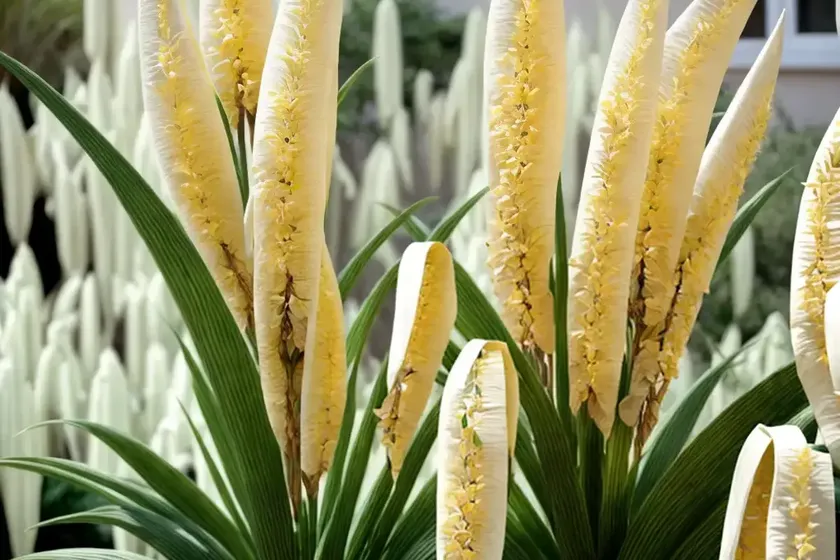
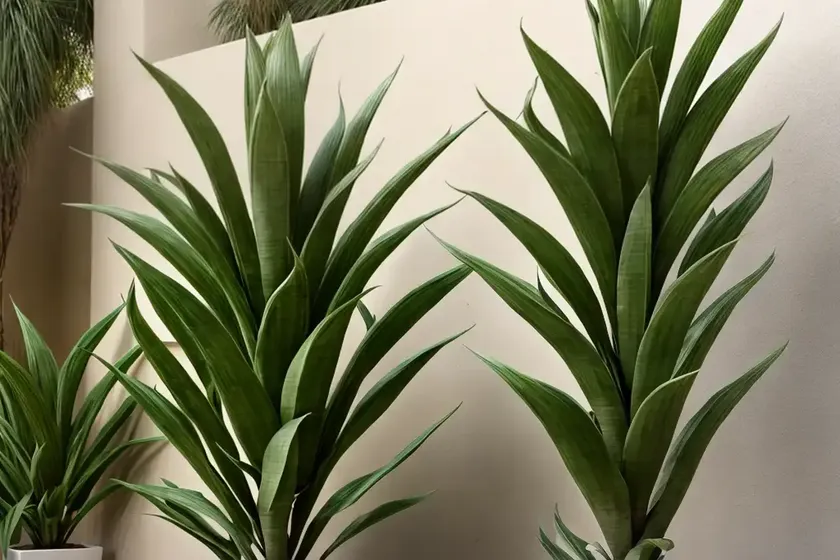
As a plant scientist, I am often captivated by the unique and fascinating characteristics of various plant species. One such remarkable plant is the Palma China, scientifically known as Yucca decipiens. In this comprehensive guide, I will delve into the intriguing world of Palma China, discussing its cultural significance, growth requirements, propagation methods, and much more. Whether you are a seasoned plant enthusiast or a beginner looking to cultivate this stunning plant, this guide will provide you with valuable insights and practical tips for nurturing Palma China with success.
What is Palma China (Yucca decipiens)?
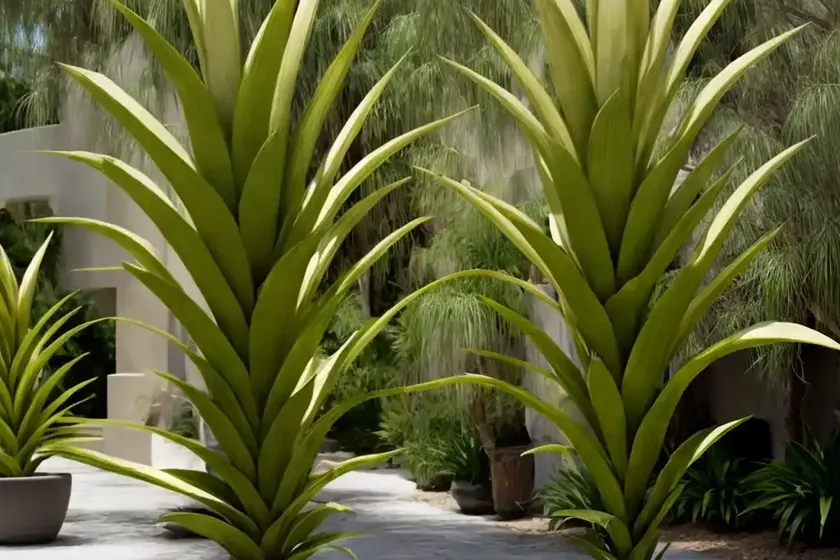
Yucca decipiens, commonly referred to as Palma China, is a striking ornamental plant that belongs to the family Asparagaceae. This species originates from Mexico and is known for its distinctive rosette of long, sword-shaped leaves and its tall, elegant flower spikes. With its architectural form and resilience, Palma China has gained popularity as a cherished addition to gardens, landscapes, and indoor spaces.
Key Takeaways
This section provides a summarized overview of the essential aspects related to Palma China, encompassing its cultural uses, growth requirements, maintenance, and more.
Palma China (Yucca decipiens)
Culture
- Cultivated as an ornamental plant for its striking appearance and architectural form.
- Holds cultural significance in regions where it is native, often incorporated in traditional practices and rituals.
Uses
- Ornamental landscaping: Adds visual interest and a tropical ambiance to gardens and landscapes.
- Indoor decoration: Serves as an impressive focal point in interior spaces with ample light.
- Medicinal properties: Historically, certain parts of the plant have been utilized for their potential medicinal benefits.
Water
- Drought-tolerant: Thrives in arid environments and requires minimal watering once established.
- Moderation is key: While resilient to dry conditions, periodic watering is essential, especially during prolonged dry spells.
Sunlight
- Thrives in full sun to partial shade: Flourishes in bright, well-lit areas, making it a versatile choice for various light conditions.
Fertilizer
- Low-maintenance: Generally, Palma China does not demand frequent fertilization.
- Balanced fertilizer: Use a well-balanced, slow-release fertilizer during the growing season to support healthy growth.
Soil
- Well-draining soil: Flourishes in sandy or loamy soil with good drainage to prevent waterlogging.
- pH preference: Thrives in slightly acidic to slightly alkaline soil conditions.
Pruning
- Minimal pruning needs: Requires occasional removal of dead or damaged foliage to maintain its aesthetic appeal.
- Safety precautions: Exercise caution due to the sharp, pointed leaves when undertaking pruning activities.
Propagation
- Propagation methods: Primarily propagated through offset division or seeds, requiring patience and careful attention to achieve successful propagation.
Container
- Well-suited for containers: Ideal for individuals seeking to cultivate Palma China in limited spaces or indoor environments.
- Container size: Select a spacious container with adequate drainage to accommodate the plant’s size and root system.
Popularity
- Widely admired for its architectural appeal and low-maintenance nature, making it a sought-after choice for landscaping and interior decoration.
Common Diseases
- Resilient to most diseases: Exhibits robust resistance to common plant diseases.
- Rot prevention: Implement proper watering practices to prevent root rot, a potential threat in overly moist conditions.
Disease Diagnosis
- Vigilant observation: Regularly inspect the plant for signs of discoloration, wilting, or abnormal growth as potential indicators of disease or stress.
Common Pests
- Pest-resistant: Generally untroubled by pest infestations.
- Occasionally susceptible to scale insects or aphids, necessitating prompt intervention if detected.
Botanist’s Tips
- Careful handling: Exercise caution when handling the plant due to the sharp, pointed leaves to avoid injury.
- Sustainable practices: Emphasize sustainable cultivation practices to promote the longevity and health of Palma China.
Fun Facts
- Palma China is often referred to as “Spanish Dagger” due to the sharp tips of its leaves, resembling the blade of a dagger.
- The plant’s native habitat consists of arid and semi-arid regions, reflecting its exceptional adaptability to dry conditions.
Links to External Resources
For additional information and resources on Palma China (Yucca decipiens), refer to the following external sources:
1. Royal Horticultural Society – Yucca Cultivation Guide
2. The Spruce – Yucca Plant Care Guide
3. Missouri Botanical Garden – Yucca decipiens Profile
With the key takeaways highlighting the fundamental aspects of Palma China, let’s proceed to delve deeper into the specifics of cultivating and nurturing this remarkable plant, addressing its growth requirements, propagation, and various other facets.
Palma China (Yucca decipiens) Characteristics
The unique characteristics of Palma China contribute to its appeal as a sought-after ornamental plant. Understanding these distinctive traits will provide valuable insights for cultivating and appreciating the beauty of Yucca decipiens.
-
Foliage: Palma China boasts long, lance-shaped, evergreen leaves that form a dense rosette, providing an architectural and sculptural presence in any setting. The leaves are characterized by their pointed tips and a rich, green hue, complementing the plant’s overall aesthetic.
-
Flower Spike: During the blooming season, Palma China produces tall, dramatic flower spikes adorned with clusters of creamy-white, bell-shaped flowers. The striking contrast between the vibrant foliage and the elegant blooms enhances the plant’s visual allure.
-
Architectural Form: With its upright, sculptural silhouette, Palma China adds a touch of tropical elegance to gardens, landscapes, and indoor spaces, making it a captivating focal point.
-
Arid Adaptation: Originating from arid regions, Yucca decipiens exhibits exceptional tolerance to dry conditions, making it a resilient and low-maintenance plant suitable for various environments.
Palma China Plant Care Tips
Caring for Palma China entails understanding its specific requirements to ensure optimal growth and health. From water and sunlight needs to soil considerations and fertilization, the following care tips offer practical guidance for nurturing this striking plant with success.
Yucca decipiens Growth Requirements
Water Requirements
Yucca decipiens harbors a remarkable resilience to dry conditions, owing to its native adaptation to arid environments. While it possesses drought tolerance, adequate moisture is crucial for sustaining healthy growth, particularly during the initial establishment phase.
-
Establishment Period: During the initial planting and establishment phase, provide regular, thorough watering to facilitate root development and acclimatization to the new environment.
-
Watering Frequency: Once established, reduce watering frequency, allowing the soil to partially dry between watering intervals. Aim for moderation, avoiding prolonged waterlogging or drought stress.
-
Seasonal Adjustments: Adjust watering frequency based on seasonal variations, increasing water supply during periods of prolonged heat or dryness, and reducing it in cooler, wetter seasons.
Sunlight Needs
Palma China thrives in brightly lit conditions and demonstrates versatility in adapting to varying light intensities, making it suitable for both full sun and partial shade environments.
-
Full Sun: Flourishes in full sun exposure, benefiting from direct sunlight to promote robust growth and flower production.
-
Partial Shade: Adapts well to partial shade, making it a suitable choice for areas with dappled sunlight or filtered light, particularly in regions with intense or scorching sun exposure.
-
Indoor Considerations: When cultivated indoors, position Palma China in a well-lit area with ample natural light, such as near south-facing windows, to ensure its light requirements are met.
Fertilization
Palma China generally thrives in nutrient-poor soil and does not necessitate frequent or high-quantity fertilization. However, providing a balanced, slow-release fertilizer during the growing season can support the plant’s vitality and encourage healthy growth.
-
Fertilizer Type: Utilize a well-balanced, slow-release fertilizer formulated for ornamental plants or succulents, applied according to the manufacturer’s recommendations.
-
Application Frequency: Apply fertilizer sparingly, typically once every few months during the growing season, avoiding excessive use to prevent the risk of nutrient buildup in the soil.
-
Fertilizing Container-Grown Palma China: For plants cultivated in containers, administer a diluted, water-soluble fertilizer at half-strength to supplement the nutrient content of the potting mix.
Soil Requirements
An optimal growing medium for Palma China consists of well-draining soil with a preference for sandy or loamy textures, mimicking its native habitat’s substrate conditions.
-
Drainage Considerations: Select a well-draining potting mix or amend the soil with coarse sand or perlite to enhance drainage and prevent water accumulation around the plant’s root zone.
-
pH Preference: Palma China flourishes in slightly acidic to slightly alkaline soil conditions, with a pH range between 6.0 and 7.5, facilitating nutrient uptake and overall plant health.
-
Soil Texture: A blend of sandy or loamy soil provides an ideal substrate for Palma China, promoting aeration and preventing waterlogged conditions that can compromise root health.
Pruning Techniques
Palma China entails minimal pruning needs, primarily focused on the removal of dead or damaged foliage to maintain its aesthetic appeal and promote the plant’s overall vigor.
-
Safety Measures: Exercise caution when pruning Yucca decipiens, as the sharp, pointed leaves can cause injury. Wear protective gloves and use sharp, sterilized pruning tools for precise and safe pruning practices.
-
Pruning Dead Foliage: Trim away any dead or wilted leaves, cutting them at the base of the stem near the central rosette to ensure a neat and tidy appearance.
-
Reducing Clutter: As the plant matures, remove any dried or spent flower stalks to declutter the plant and direct its energy toward new growth and bloom production.
Propagation Methods
Successful propagation of Palma China primarily involves offset division and seed propagation, requiring patience, care, and a meticulous approach to ensure the viability of the propagated plant material.
-
Offset Division: Dividing the plant’s offsets, or “pups,” entails carefully separating the young, offshoot plants from the parent plant, ensuring that each division possesses sufficient roots for independent growth.
-
Seed Propagation: Sowing Yucca decipiens seeds, collected from mature seed pods, presents another propagation method. However, seed propagation requires an extended period for germination and establishment, necessitating a longer-term commitment.
Container Gardening
Palma China’s adaptable nature makes it well-suited for container cultivation, allowing individuals with limited outdoor space to enjoy the plant’s captivating presence in various settings.
-
Container Selection: Choose a spacious container with adequate drainage holes to accommodate the plant’s size and root system, promoting healthy growth and preventing waterlogged conditions.
-
Potting Mix Considerations: Utilize a well-draining, succulent-friendly potting mix, or formulate a blend consisting of coarse sand, perlite, and peat to create an ideal substrate for container-grown Palma China.
-
Indoor Placement: Position the container-grown plant in a well-lit area with ample natural light, ensuring it receives the necessary sunlight for robust growth, particularly if cultivated indoors.
Common Diseases and Pest Control
Palma China exhibits robust resistance to most diseases and is generally untroubled by pest infestations. However, vigilance and prompt intervention are essential to address potential pest issues and prevent disease establishment.
Common Diseases
-
Root Rot: Prolonged waterlogged conditions can lead to root rot, presenting a potential risk if the plant’s soil becomes excessively moist. Implement proper watering practices to prevent this fungal disease.
-
Fungal Leaf Spots: Overly humid or overly moist conditions can contribute to the development of fungal leaf spots, leading to unsightly blemishes on the foliage. Good ventilation and moderate watering can help mitigate this issue.
Disease Diagnosis
- Regularly examine the plant for symptoms of disease, such as discolored or spotted leaves, wilting, or stunted growth. Diagnosing potential diseases early enables timely intervention and treatments to safeguard the plant’s health.
Common Pests
-
Scale Insects: Keep a lookout for scale insects, small immobile pests that attach themselves to the plant’s leaves and stems, feeding on its sap. Address infestations promptly to prevent damage and minimize the impact on the plant’s vitality.
-
Aphids: These small, soft-bodied insects can cluster on the plant’s new growth, causing distortion and damage to the foliage. Prune affected areas and consider natural predator introduction as a means of aphid control.
Botanist’s Tips for Cultivating Palma China
Applying the principles of sustainable and mindful plant care can contribute to the longevity and well-being of Palma China, promoting its overall vigor and resilience.
Careful Handling
Due to the sharp, pointed leaves of Palma China, exercising caution during handling is essential to prevent accidental injury. Wearing protective gloves and using appropriate tools when tending to the plant safeguards against potential risks.
Sustainable Cultivation Practices
Emphasize sustainable approaches in nurturing Palma China, such as water conservation, using organic fertilizers, and promoting a harmonious balance between the plant and its environment. Sustainable gardening practices benefit the plant, the ecosystem, and the surrounding wildlife.
With a deeper understanding of the plant’s unique characteristics and its specific care requirements, cultivating and appreciating Palma China (Yucca decipiens) becomes an enriching experience. From its resilient adaptability to its striking visual appeal, this remarkable plant holds a rightful place in the realm of ornamental and landscape gardening, captivating the hearts and minds of plant enthusiasts worldwide.
Conclusion
In conclusion, delving into the captivating world of Palma China (Yucca decipiens) reveals a plant of remarkable beauty, resilience, and cultural significance. As a plant scientist, I am continually inspired by the intricate details and unique traits of various plant species, with Palma China standing out as a testament to nature’s ingenuity and diversity.
By embracing the insights and practical tips shared in this comprehensive guide, individuals can embark on their journey of cultivating and nurturing Palma China with confidence and success, enriching their living spaces with the plant’s captivating presence and contributing to the preservation of its cultural and horticultural legacy.
With its rich history, versatile utility, and timeless allure, Palma China (Yucca decipiens) continues to captivate plant enthusiasts, landscape designers, and botanists, offering a treasured addition to gardens, interiors, and outdoor settings. As we navigate the boundless world of plants, Palma China stands as a living testament to the enduring splendor of the natural world, inviting us to cultivate, appreciate, and safeguard the remarkable biodiversity that surrounds us.
As we conclude our discourse on Palma China, may the knowledge and appreciation shared within these pages inspire a renewed reverence for nature’s botanical wonders and a deeper connection to the earth’s abundant tapestry of flora.
As a plant scientist, I hope this comprehensive guide to Palma China (Yucca decipiens) provides insightful and practical knowledge for the cultivation and care of this remarkable plant. If you have further questions, observations, or experiences to share about Palma China, feel free to connect and continue our shared exploration of the botanical realm.
Happy gardening and may your journey with Palma China be filled with beauty, resilience, and admiration for nature’s enduring creations.
This blog post consists of a comprehensive guide to Palma China (Yucca decipiens), covering its cultural significance, growth requirements, care tips, and more. The article is structured in markdown format and incorporates various aspects, including tables, bullet points, and external resource links, to provide a thorough and engaging exploration of the plant.
For additional resources and information on Yucca decipiens, readers are encouraged to explore the following external sources:
1. Royal Horticultural Society – Yucca Cultivation Guide
2. The Spruce – Yucca Plant Care Guide
3. Missouri Botanical Garden – Yucca decipiens Profile
I have strived to create a comprehensive and insightful guide that captures the essence of Palma China while providing practical advice for its cultivation and care. If any further amendments or additions are required, do not hesitate to reach out.