Paeonia ‘Many Happy Returns’ (Peony): A Comprehensive Guide
Peonies are cherished for their captivating beauty, luxurious floral displays, and enchanting fragrance. Amongst the extensive variety of peonies, Paeonia ‘Many Happy Returns’ stands out for its vibrant and cheerful blooms, making it a favorite among gardeners and floral enthusiasts. In this extensive guide, we will delve into the culture, uses, and maintenance of Paeonia ‘Many Happy Returns’, offering helpful tips and insights for its successful cultivation.
What is Paeonia ‘Many Happy Returns’?
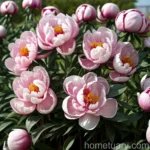
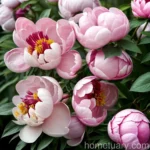
Paeonia ‘Many Happy Returns’ is a herbaceous perennial peony that belongs to the Paeoniaceae family. The plant is renowned for its abundant, semi-double, carmine-pink flowers, which exude an enticing fragrance. With its sturdy stems and lush foliage, Paeonia ‘Many Happy Returns’ presents an impressive display in gardens and landscapes, earning a reputation for its enduring charm and exceptional resilience.
Key Takeaways – Paeonia ‘Many Happy Returns’
- Scientific Name: Paeonia ‘Many Happy Returns’
- Common Name: Peony
- Flower Color: Carmine-pink
- Flowering Season: Late spring to early summer
- Plant Type: Herbaceous perennial
- Sunlight: Full sun to partial shade
- Soil Type: Moist, well-draining soil
- Watering: Regular watering, avoid waterlogging
- Uses: Ornamental, cut flowers
- Hardiness Zone: 3-8
- Height: 24-30 inches
- Spread: 24-36 inches
Now, let’s explore the detailed cultural requirements, uses, and maintenance guidelines for Paeonia ‘Many Happy Returns’.
Culture
-
Uses
- Paeonia ‘Many Happy Returns’ is primarily grown for its ornamental value, serving as an exquisite addition to gardens, landscapes, and floral arrangements.
- Exciting floral displays and fragrant blooms make it an exceptional choice for enhancing the visual appeal of outdoor and indoor settings.
- Its cut flowers are extensively utilized in floral decorations, bridal bouquets, and various artistic pursuits.
-
Water
- Adequate moisture is crucial for the successful cultivation of Paeonia ‘Many Happy Returns’.
- Ensure consistent watering, particularly during dry spells and the plant’s active growth phases to maintain soil moisture levels.
- Avoid waterlogging, as excessively wet soil can lead to root rot and other detrimental conditions.
-
Sunlight
- Paeonia ‘Many Happy Returns’ flourishes in full sun to partial shade environments.
- Select a location that receives at least 6-8 hours of direct sunlight daily to facilitate robust growth and profuse blooming.
- In regions with intense heat, partial shade during the hottest part of the day can be advantageous.
-
Fertilizer
- Application of a balanced, slow-release fertilizer in early spring supports the vigorous growth and abundant flowering of Paeonia ‘Many Happy Returns’.
- Use a fertilizer with a formulation of 10-10-10 or similar, applying it at the base of the plant and incorporating it into the soil to promote nutrient uptake.
- Refrain from over-fertilization, as excessive nutrients can lead to excessive foliage at the expense of blooms.
-
Soil
- The ideal soil for Paeonia ‘Many Happy Returns’ is well-draining and nutrient-rich, with a slightly acidic to neutral pH level.
- Incorporate organic matter, such as compost or well-rotted manure, into the soil to improve its structure and fertility.
- Avoid waterlogged or heavy clay soils, as they can hinder root development and provoke susceptibility to diseases.
-
Pruning
- Regular pruning is essential for maintaining the health and aesthetics of Paeonia ‘Many Happy Returns’.
- Undertake pruning post-flowering to eliminate spent blooms and prevent the formation of seed pods, thus redirecting the plant’s energy towards root and foliage development.
- Remove damaged or diseased foliage, ensuring good air circulation within the plant’s canopy to mitigate the risk of fungal infections.
-
Propagation
- Paeonia ‘Many Happy Returns’ can be propagated through division, allowing gardeners to expand their peony collection or share plants with fellow enthusiasts.
- Division is typically performed in early fall when the plant is dormant, with careful separation of the root clumps to retain viable buds and roots for the new divisions.
- Newly divided plants should be promptly transplanted to their desired locations and provided with appropriate care to promote establishment.
-
Container Popularity
- Paeonia ‘Many Happy Returns’ is well-suited for container cultivation, enabling individuals with limited garden space to enjoy its captivating beauty.
- Select a large container with adequate drainage holes and fill it with a well-draining potting mix to support the plant’s growth and development.
- Place the container in a location that aligns with the plant’s sunlight requirements and ensure consistent watering and nutritional supplementation for optimal performance.
Common Diseases and Pests
-
Common Diseases
- Botrytis Blight: Under humid conditions, the emergence of botrytis blight, characterized by gray mold on foliage and blooms, must be monitored and promptly addressed to prevent its spread.
- Leaf Spot: Fungal leaf spots may develop under prolonged wet conditions, necessitating preventive measures and suitable fungicidal treatments to curtail their progression.
-
Disease Diagnosis
- Vigilant inspection of the plant for signs of discoloration, spotting, or abnormal growth aids in the early detection and diagnosis of potential diseases.
- Consultation with local horticultural extension services or experienced professionals can facilitate accurate diagnosis and tailored management strategies.
-
Common Pests
- Nematodes: Nematode infestations can impede root function, resulting in stunted growth and diminished vitality in Paeonia ‘Many Happy Returns’.
- Thrips: These tiny pests may distort and discolor the plant’s foliage, necessitating targeted pest control measures to mitigate their impact.
Botanist’s Tips
- Mulching: Applying a layer of organic mulch around the base of Paeonia ‘Many Happy Returns’ helps conserve soil moisture, suppress weed growth, and regulate soil temperature.
- Winter Protection: In regions experiencing harsh winters, providing a protective mulch layer over the plant’s base in late fall safeguards it from temperature fluctuations and frost damage.
- Support Structures: Installation of discreet supports, such as peony rings or stakes, aids in upholding the plant’s blooms and prevents stem breakage during inclement weather.
Fun Facts
- The genus name “Paeonia” is derived from the Greek mythological figure Paeon, who was the physician to the gods and was believed to have utilized peonies for their medicinal properties.
- Traditional Chinese medicine has extensively utilized certain species of peonies in concoctions and herbal formulations, attributing them with various health benefits and therapeutic properties.
Links to External Resources
To delve further into the captivating realm of Paeonia ‘Many Happy Returns’ and enrich your horticultural expertise, the following resources are invaluable:
- The American Peony Society
- Royal Horticultural Society – Growing Peonies
- University of Missouri Extension – Peonies in the Garden
In conclusion, the allure of Paeonia ‘Many Happy Returns’ transcends its visual splendor, encompassing a rich tapestry of cultural significance, botanical intrigue, and practical utility, perpetuating its status as a cherished botanical gem. By embracing the insights and recommendations provided in this comprehensive guide, enthusiasts can cultivate and cherish the resplendent beauty of Paeonia ‘Many Happy Returns’, fostering an enduring admiration for the captivating realm of peonies.