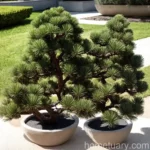
Pinus heldreichii ‘Malink’ (Bosnian Pine): An In-Depth Plant Profile
Pinus heldreichii ‘Malink,’ commonly known as the Bosnian Pine, is a unique and visually striking coniferous tree that is native to the Balkan Peninsula. This evergreen species boasts a rich cultural history and is valued for its ornamental appearance and various practical uses. In this comprehensive plant profile, we will explore the key characteristics, cultivation requirements, uses, and maintenance tips for the Pinus heldreichii ‘Malink.’ Additionally, we will delve into the common diseases and pests that affect this species, along with botanist’s tips and fun facts that make it a fascinating addition to any landscape.
What is Pinus heldreichii ‘Malink’ (Bosnian Pine)?
Pinus heldreichii ‘Malink’ is a cultivar of Pinus heldreichii, a slow-growing, evergreen conifer that belongs to the Pinaceae family. This species is native to the mountainous regions of the Balkan Peninsula, including Bosnia and Herzegovina, Serbia, Montenegro, and Albania. The Bosnian Pine is known for its tall, straight trunk, dense crown, and dark green needles, making it a visually striking addition to both natural and cultivated landscapes.
Key Takeaways – Pinus heldreichii ‘Malink’ (Bosnian Pine)
Before we delve deeper into the unique characteristics and care requirements of Pinus heldreichii ‘Malink,’ let’s outline some key takeaways that will guide our exploration:
- Botanical Name: Pinus heldreichii ‘Malink’
- Common Name: Bosnian Pine
- Family: Pinaceae
- Native Range: Balkan Peninsula
- Growth Rate: Slow
- Cultivation Uses: Ornamental, Timber
- Water: Moderate
- Sunlight: Full Sun
- Fertilizer: Balanced, Slow-Release
- Soil: Well-Drained, Acidic
- Pruning: Minimal
- Propagation: Seed, Cuttings
- Popularity: Increasing in Cultivation
- Common Diseases: Bacterial Canker, Diplodia Tip Blight
- Common Pests: Pine Weevils, Pine Shoot Moth
Now that we have a broad overview of the Bosnian Pine, let’s delve into the specifics of its cultivation, maintenance, and unique characteristics.
Culture
Understanding the specific cultural requirements of Pinus heldreichii ‘Malink’ is essential for successfully growing and maintaining this majestic conifer. From its water and sunlight needs to soil preferences and pruning requirements, the following sections will provide comprehensive insights into the cultural aspects of cultivating the Bosnian Pine.
Water
Like many coniferous species, the Bosnian Pine prefers moderate moisture levels. While this species exhibits some drought tolerance once established, it is crucial to provide regular, deep watering, particularly during dry periods. However, it is equally important to ensure that the soil is well-drained to prevent waterlogging, which can lead to root rot and other moisture-related issues.
Watering Tips for Pinus heldreichii ‘Malink’:
– Water young trees regularly during their establishment phase.
– During dry spells, provide supplemental watering to maintain soil moisture.
– Avoid overwatering, particularly in heavy or poorly-drained soils.
Sunlight
Full sunlight is essential for the optimum growth and development of Pinus heldreichii ‘Malink.’ As a sun-loving species, this conifer thrives in open, unobstructed areas where it can receive ample sunlight throughout the day. In shaded conditions, the Bosnian Pine may exhibit reduced vigor and sparse foliage, compromising its ornamental appeal.
Sunlight Requirements:
– Ensure that the planting site receives at least 6-8 hours of direct sunlight daily.
– Avoid planting in the shade of buildings or large trees that may obstruct sunlight.
Fertilizer
When it comes to fertilizing the Bosnian Pine, a balanced, slow-release fertilizer can help support the tree’s growth and overall health. However, it is important to apply fertilizers judiciously, as excessive fertilization can lead to nutrient imbalances and environmental pollution. Additionally, a soil test can provide valuable insights into the specific nutrient needs of the planting site, guiding the application of appropriate fertilizers.
Fertilization Guidelines:
– Apply a slow-release, balanced fertilizer in early spring before new growth begins.
– Refrain from over-fertilizing, particularly in nutrient-rich soils.
– Consider conducting a soil test to determine specific nutrient requirements.
Soil
Pinus heldreichii ‘Malink’ thrives in well-drained, acidic soils that mimic its native habitat in the Balkan Peninsula. While it can tolerate a range of soil textures, including sandy and loamy soils, ensuring proper drainage is critical to prevent waterlogged conditions. Additionally, incorporating organic matter into the soil during planting can enhance its moisture-retention capacity and overall fertility.
Soil Recommendations:
– Select well-drained, acidic soils with a pH of 4.5 to 6.0.
– Incorporate organic matter, such as peat moss or compost, into the planting site to improve soil structure and fertility.
Pruning
Pruning requirements for Pinus heldreichii ‘Malink’ are relatively minimal compared to many ornamental trees and shrubs. However, periodic maintenance pruning can help remove dead, damaged, or diseased branches, promoting overall tree health and aesthetics. It is important to exercise caution when pruning conifers, as excessive or improper pruning can compromise their natural form and long-term vigor.
Pruning Guidelines:
– Prune dead, damaged, or diseased branches to maintain tree health.
– Avoid excessive pruning that alters the natural shape and structure of the tree.
– Perform pruning during the dormant season to minimize stress on the tree.
Propagation
Propagating Pinus heldreichii ‘Malink’ can be achieved through both seed propagation and vegetative propagation using cuttings. While growing this cultivar from seed may require more time and patience, propagating it from cuttings can yield genetically identical offspring with desirable characteristics. Understanding the propagation techniques for this species can expand its availability and facilitate its conservation efforts.
Propagation Methods:
– Seed Propagation: Collect mature cones, extract the seeds, and germinate them in a suitable growing medium.
– Vegetative Propagation: Take semi-hardwood cuttings from a healthy, established tree and root them under controlled conditions.
Container Popularity
While Pinus heldreichii ‘Malink’ is primarily known for its use in larger landscapes and natural settings, its striking appearance and adaptability make it a compelling choice for container cultivation. When grown in containers, this conifer can bring a touch of elegance to patios, balconies, and other confined spaces, offering a versatile option for those with limited garden space.
Container Considerations:
– Select a large, sturdy container with adequate drainage holes to accommodate the tree’s root system.
– Use a well-draining, acidic potting mix to mimic the preferred soil conditions of the Bosnian Pine.
– Provide regular watering and ensure that the container receives sufficient sunlight for optimal growth.
Common Diseases
Pinus heldreichii ‘Malink’ is susceptible to certain diseases that can impact its health and appearance if left unchecked. By familiarizing ourselves with the common diseases that affect this species and learning to recognize their symptoms, we can take proactive measures to prevent and manage potential disease issues.
Disease Diagnosis
Two prevalent diseases that can affect the health of Pinus heldreichii ‘Malink’ are bacterial canker (Pseudomonas spp.) and Diplodia tip blight (Diplodia pinea). Bacterial canker typically manifests as sunken lesions on branches and trunks, often accompanied by resin oozing. Diplodia tip blight, on the other hand, causes dieback of new shoots, leading to the development of brown, stunted needles. Early detection and prompt intervention are crucial for managing these diseases effectively.
Symptoms and Management:
– Bacterial Canker: Look for sunken, discolored lesions on branches. Prune affected branches and promote overall tree health to prevent the spread of the disease.
– Diplodia Tip Blight: Monitor new growth for signs of dieback and brown discoloration. Prune and destroy affected branches, and provide proper cultural care to minimize disease pressure.
Common Pests
In addition to diseases, Pinus heldreichii ‘Malink’ is vulnerable to certain insect pests that can compromise its vitality and aesthetics. Being aware of these common pests and their characteristic damage symptoms is essential for implementing timely control measures and protecting the tree from potential infestations.
Botanist’s Tips
As a seasoned botanist, I have had the opportunity to study and cultivate diverse plant species, including the captivating Pinus heldreichii ‘Malink.’ Based on my experience and observations, here are some valuable tips for successfully growing and caring for this unique Bosnian Pine cultivar:
- Start young trees in well-prepared soil to promote healthy root development and long-term vigor.
- Regularly monitor the tree for signs of stress, disease, or pest infestations, and address issues promptly.
- Ensure adequate air circulation around the canopy to minimize the risk of fungal diseases, such as Diplodia tip blight.
- Incorporate the Bosnian Pine into diverse landscape designs, considering its mature size and growth habit to maximize its ornamental impact.
Fun Facts
- The Pinus heldreichii species, to which ‘Malink’ belongs, has been described as one of the oldest tree species in Europe, with some individuals believed to be over 1,000 years old.
- In its natural habitat, the Bosnian Pine thrives in harsh, high-altitude environments, showcasing its remarkable adaptability to challenging growing conditions.
- The wood of Pinus heldreichii has been historically used for construction, shipbuilding, and crafting musical instruments due to its durability and attractive grain patterns.
Conclusion
In conclusion, Pinus heldreichii ‘Malink’ (Bosnian Pine) stands out as a captivating and resilient tree species that offers both ornamental value and practical uses. From its distinctive appearance and slow growth rate to its specific cultural requirements and susceptibility to certain diseases and pests, the Bosnian Pine presents a fascinating subject for plant enthusiasts, landscape designers, and conservation efforts.
Understanding the intricacies of cultivating and caring for Pinus heldreichii ‘Malink’ equips us with the knowledge and skills to harness its aesthetic and ecological potential while promoting its long-term health and sustainability. As we continue to appreciate and embrace the natural world’s diversity, the unique attributes and enduring charm of the Bosnian Pine remind us of the unyielding resilience and beauty inherent in the plant kingdom.
Links to External Resources
To further enrich your understanding of Pinus heldreichii ‘Malink’ and explore additional insights into its cultivation, maintenance, and ecological significance, I recommend consulting the following authoritative resources:
- Royal Horticultural Society – Pinus heldreichii ‘Malink’ Profile
- University of Florida IFAS Extension – Pine Wilt Disease in Florida
- Missouri Botanical Garden – Propagation of Trees and Shrubs
- American Conifer Society – Conifer Database
- USDA Forest Service – Forest Insect and Disease Leaflet 26: Diplodia Blight of Pine