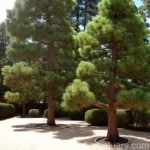
Pinus bungeana (Lacebark Pine): A Masterpiece of Nature
Introduction to Pinus bungeana
Pinus bungeana, commonly known as Lacebark Pine, is a captivating species of pine tree that belongs to the Pinaceae family. This stunning evergreen conifer is native to China, where it can be found adorning the mountainous regions. The Lacebark Pine holds a special place in the hearts of plant enthusiasts, landscape designers, and conservationists due to its remarkable characteristics and ecological significance.
As a plant scientist, I have delved deep into the world of Pinus bungeana to unravel its secrets and understand its role in the natural ecosystem. In this comprehensive guide, we will explore the various facets of this enchanting tree, ranging from its cultural significance to its care requirements, uses, diseases, and pests. So, let’s embark on a journey to discover the beauty and wonder of Pinus bungeana.
Key Takeaways – Pinus bungeana (Lacebark Pine)
Before we delve into the details, let’s quickly summarize the key takeaways about Pinus bungeana. This will give you a bird’s eye view of what to expect as we explore the various aspects of this remarkable tree.
- Plant Name: Pinus bungeana (Lacebark Pine)
- Habitat: Native to China, mainly found in mountainous regions
- Appearance: Characterized by unique exfoliating bark, long blue-green needles, and attractive cones
- Cultural Significance: Valued for its ornamental beauty and ecological importance
- Uses: As an ornamental tree in landscapes and gardens, and in traditional medicine
- Cultivation: Adaptable to various soil and climate conditions, with moderate water and sunlight requirements
- Diseases: Susceptible to certain fungal infections and pests
- Conservation Status: Considered as a species of least concern in terms of endangerment
- Fun Facts: Fascinating tidbits about the tree’s symbolism and ecological role
Now that we have an overview of what’s in store, let’s delve deeper into the world of Pinus bungeana.
What is Pinus bungeana (Lacebark Pine)?
Pinus bungeana, often referred to as the Lacebark Pine, is a species of pine tree characterized by its distinctive exfoliating bark, long bluish-green needles, and elegant cones. In its native habitat of China, the Lacebark Pine thrives in the cool, mountainous regions, where it graces the landscape with its remarkable presence.
Pinus bungeana Characteristics
The Lacebark Pine is distinguished by several notable characteristics that set it apart from other conifer species:
-
Bark: The most striking feature of Pinus bungeana is its exfoliating bark, which peels away in small, irregular patches to reveal a mosaic of green, white, and creamy colors underneath. This unique bark pattern makes it a standout ornamental tree in both natural and cultivated landscapes.
-
Needles: The tree’s foliage consists of long, slender needles that range from bluish-green to dark green in color. These needles are bundled in fascicles and contribute to the tree’s graceful appearance.
-
Cones: Lacebark Pine produces attractive cones that start off green and eventually mature to a brown hue. These cones add visual interest to the tree and are a source of seeds for reproduction.
-
Growth Habit: Pinus bungeana typically forms a pyramidal or oval-shaped crown, creating a stately silhouette in the landscape.
The combination of these characteristics makes Pinus bungeana an enchanting addition to gardens, parks, and natural habitats.
Lacebark Pine Facts
To better understand the significance of Pinus bungeana, let’s delve into some interesting facts about this captivating tree:
-
Symbolism: The exfoliating bark of the Lacebark Pine has symbolic significance in Chinese culture, representing longevity, resilience, and renewal.
-
Ecological Role: In its native habitat, Pinus bungeana plays a crucial role in supporting diverse ecosystems, providing shelter and sustenance for various wildlife species.
-
Adaptability: Despite its native origins, Lacebark Pine has been successfully cultivated in different parts of the world, showcasing its adaptability to varied environmental conditions.
Lacebark Pine Care
Water
Pinus bungeana exhibits moderate water requirements, preferring well-drained soil and regular watering. While it can tolerate short periods of drought, it’s essential to maintain adequate moisture levels, especially during the tree’s establishment phase. Once established, the tree generally shows good tolerance to dry conditions.
Sunlight
As is typical for most conifers, Lacebark Pine thrives in full sunlight to partial shade. It’s important to provide the tree with ample sunlight to ensure healthy growth and development of its unique visual characteristics.
Fertilizer
When it comes to fertilization, Pinus bungeana generally thrives in nutrient-rich soils and may not require regular fertilization if planted in favorable conditions. However, in nutrient-poor soils or for trees in containers, an application of balanced, slow-release fertilizer in spring can provide a beneficial nutrient boost.
Soil
Pinus bungeana is adaptable to various soil types, including sandy, loamy, or clay soils, as long as they are well-draining. The tree shows good tolerance to slightly acidic to slightly alkaline soil pH levels.
Pruning
Pruning of Pinus bungeana is generally minimal, mainly focused on the removal of dead, damaged, or diseased branches. This helps maintain the tree’s natural form and promotes good air circulation within the canopy. It’s advisable to carry out pruning during the dormant season to minimize stress on the tree.
Propagation
Pinus bungeana can be propagated through both seed and cuttings. Seed propagation involves collecting mature cones, extracting the seeds, and sowing them in well-prepared seed beds. For cuttings, semi-hardwood or hardwood cuttings can be taken from the tree and treated with rooting hormone before planting.
Container Popularity
In addition to being used in traditional landscapes and natural habitats, Pinus bungeana is also favored for container cultivation. Its attractive appearance and moderate size make it a suitable choice for container gardening, where it can be showcased on patios, decks, or in urban spaces.
Container – Common Diseases
While generally resilient, Pinus bungeana may be susceptible to certain diseases, notably those caused by fungal pathogens. Common diseases that may affect Lacebark Pine include:
-
Dothistroma Needle Blight: This fungal disease can cause browning and premature shedding of needles, leading to defoliation in severe cases.
-
Diplodia Tip Blight: Characterized by dieback of new shoots and the presence of grayish fungal fruiting structures on infected plant parts.
-
Canker Diseases: Various canker-causing fungi may infect the branches or trunk of the tree, leading to the development of sunken, discolored areas and dieback.
Disease Diagnosis
Proper diagnosis of diseases affecting Pinus bungeana is crucial for implementing effective management strategies. This may involve a thorough assessment of symptoms, microscopic examination of affected tissues, and laboratory testing to identify the causal pathogens.
Common Pests
In addition to diseases, Lacebark Pine may also face challenges from pest infestations. Common pests that can affect Pinus bungeana include:
-
Pine Needle Scale: These tiny, armored scales can infest the needles of the tree, causing discoloration and reduced vigor.
-
Pine Moth Larvae: The larvae of certain moth species may feed on the needles or bore into the bark, potentially causing significant damage to the tree.
-
Pine Sawfly: Sawfly larvae can defoliate the tree by feeding on the needles, particularly during high infestation levels.
Botanist’s Tips
To ensure the health and vitality of Pinus bungeana, here are some expert tips for care and maintenance:
-
Mulching: Providing a layer of mulch around the base of the tree helps conserve soil moisture, moderate soil temperatures, and suppress weed growth.
-
Monitoring: Regular inspection of the tree for signs of pests, diseases, or environmental stress is essential for early detection and prompt intervention.
-
Adequate Spacing: When planting multiple Lacebark Pines, ensure proper spacing to allow for good air circulation and prevent overcrowding as the trees mature.
Fun Facts
In between the care and cultivation details, it’s always fun to sprinkle in some fascinating tidbits about Pinus bungeana. Here are some intriguing facts about the Lacebark Pine:
-
Longevity: When well-cared for, Pinus bungeana can live for several decades, if not centuries, showcasing the enduring quality symbolized by its exfoliating bark.
-
Medicinal Uses: In traditional Chinese medicine, certain parts of the Lacebark Pine are used for their purported medicinal properties, serving as a testament to the tree’s cultural and therapeutic significance.
-
Wildlife Habitat: The resilient and long-lived nature of Pinus bungeana makes it an important habitat element for a variety of wildlife species, including birds, small mammals, and insects.
Links to External Resources
To further enrich your understanding of Pinus bungeana, I encourage you to explore the following resources:
- Royal Horticultural Society – Pinus bungeana
- Missouri Botanical Garden – Lacebark Pine
- North Carolina State University – Pinus bungeana
- The American Conifer Society
- Floridata – Lacebark Pine
Conclusion
In conclusion, the exploration of Pinus bungeana, the Lacebark Pine, offers a glimpse into the fascinating world of this remarkable tree. From its symbolic significance and ornamental beauty to its ecological importance and cultural uses, the Lacebark Pine continues to captivate the hearts and minds of plant enthusiasts around the world.
As a plant scientist, I am continually inspired by the resilience and elegance of Pinus bungeana, and I hope that this guide has ignited a similar sense of wonder and appreciation for this extraordinary species. Whether gracing a mountain slope in its native China or adorning a garden in a distant land, the Lacebark Pine stands as a testament to the enduring beauty and ecological significance of our natural world.
So, the next time you encounter a Pinus bungeana, take a moment to admire its exfoliating bark, glistening needles, and stoic presence, and remember the intricate tapestry of life and meaning woven into this majestic tree.