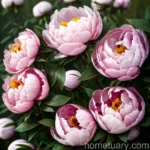
Paeonia ‘Coral Charm’ (Peony)
Introduction
Plants are an essential part of our environment, providing us with food, medicine, and aesthetic beauty. One such plant that has captivated gardeners and horticulturists around the world is Paeonia ‘Coral Charm’, commonly known as Peony. This striking perennial plant is cherished for its large, frilly blooms and its adaptability to various climatic conditions. In this comprehensive guide, we will delve into the various aspects of Paeonia ‘Coral Charm’, including its characteristics, cultivation, care, and maintenance. Whether you are a seasoned gardener or a newcomer to the world of plants, there is always something new to discover about this captivating species.

What is Paeonia ‘Coral Charm’ (Peony)?
Paeonia ‘Coral Charm’, a member of the Paeoniaceae family, is a hybrid variety of herbaceous perennial peony. This plant is renowned for its large, fragrant, and vivid coral-pink flowers that emerge in late spring to early summer. The lush green foliage serves as an attractive backdrop to the stunning blooms, making it a standout feature in any garden or landscape.
Key Takeaways – Paeonia ‘Coral Charm’ (Peony)
- Characteristics: Large, fragrant, coral-pink flowers, herbaceous perennial, lush green foliage
- Growing Conditions: Full sun to partial shade, well-drained soil, average water needs
- Cultivation: Adaptable to various climatic conditions, low maintenance, long-lived perennial
- Care and Maintenance: Regular watering, deadheading, minimal pruning, pest and disease management
- Uses: Ornamental garden plant, cut flowers, medicinal purposes (historical significance, folklore)
Let’s dive into the specifics of cultivating and caring for Paeonia ‘Coral Charm’ to ensure that you can fully enjoy the beauty and benefits of this exceptional plant.
Culture
Water
Proper watering is crucial for the health and vitality of Paeonia ‘Coral Charm’. While these plants appreciate consistently moist soil, they are susceptible to root rot if the soil becomes waterlogged. A good rule of thumb is to provide about 1 inch of water per week, either through rainfall or irrigation. During periods of prolonged drought, especially in regions with hot summers, it may be necessary to increase the watering frequency to keep the soil evenly moist.
Sunlight
Paeonia ‘Coral Charm’ thrives in full sun to partial shade. In cooler climates, providing the plant with full sun promotes vigorous growth and abundant flowering. However, in areas with intense heat, some afternoon shade can help prevent the blooms and foliage from becoming scorched. Finding the right balance of sunlight exposure is essential for the overall well-being of the plant.
Fertilizer
Feeding Paeonia ‘Coral Charm’ with a balanced fertilizer in early spring can encourage robust growth and profuse flowering. Look for a fertilizer specifically formulated for flowering perennials or a general-purpose slow-release fertilizer. Be cautious not to over-fertilize, as excessive nutrients can lead to lush foliage at the expense of flower production.
Soil
Well-drained, loamy soil with a slightly acidic to neutral pH is ideal for Paeonia ‘Coral Charm’. Amending heavy clay soils with organic matter such as compost or peat moss can improve drainage and create a more favorable growing environment for the plant. It’s important to avoid waterlogged or compacted soil, as this can lead to root problems and diminished vitality.
Pruning
Pruning is a critical aspect of Paeonia ‘Coral Charm’ care, as it helps maintain the plant’s shape, remove spent blooms, and encourage healthy growth. After the flowering period, deadheading the spent flowers can prevent the plant from expending energy on seed production and instead promote the development of strong vegetative growth. Additionally, excessive foliage or stems that obstruct air circulation can be selectively pruned to reduce the risk of disease.
Propagation
Paeonia ‘Coral Charm’ can be propagated through division, which is best carried out in early autumn when the plant is entering dormancy. Using a sharp, sterile knife, carefully divide the root clumps, ensuring that each division has several viable buds and a portion of the root system. Plant the divisions at the appropriate depth and spacing, and provide adequate moisture to support their establishment.
Container Popularity
While Paeonia ‘Coral Charm’ is typically grown in garden beds, it can also thrive in suitable containers. This versatility has contributed to its popularity among gardeners with limited space or those seeking to create stunning focal points on patios, decks, or balconies. When cultivating Paeonia ‘Coral Charm’ in containers, it’s essential to select a spacious pot with ample drainage holes and quality potting mix. Regular watering and fertilization are key to sustaining healthy growth in container-grown specimens.
Common Diseases
Like many plants, Paeonia ‘Coral Charm’ is susceptible to certain diseases that can impact its vigor and aesthetic appeal. Being aware of common diseases and their symptoms is crucial for early intervention and effective management. Some of the prevalent diseases that may affect this peony variety include:
- Botrytis Blight (Gray Mold): This fungal disease manifests as grayish mold on foliage and flowers, often following periods of extended wetness. Proper airflow and avoiding overhead watering can help prevent its occurrence.
- Powdery Mildew: Characterized by a powdery white coating on leaves, powdery mildew can weaken the plant if left unchecked. Ensuring good air circulation and promptly addressing any mildew outbreaks are key preventive measures.
- Leaf Spot: Leaf spot diseases, caused by various fungi, can result in dark spots or lesions on the foliage. Maintaining proper plant hygiene and avoiding overhead watering can help minimize the risk of leaf spot infections.
Disease Diagnosis
When diagnosing potential diseases in Paeonia ‘Coral Charm’, careful observation of the plant’s symptoms is essential. Examining the foliage, stems, and flowers for irregularities such as discoloration, wilting, or abnormal growth can provide valuable clues about the underlying issue. Consulting with local horticultural experts or using diagnostic resources from reputable sources can aid in accurately identifying and addressing diseases in a timely manner.
Common Pests
While Paeonia ‘Coral Charm’ is relatively resistant to pest infestations, certain insects may occasionally pose a threat to its health. Vigilant monitoring and proactive pest management practices can help safeguard the plant from potential issues. Some of the common pests that may affect this peony variety include:
- Nematodes: These microscopic roundworms can attack the roots of Paeonia ‘Coral Charm’, leading to stunted growth and overall decline. Utilizing nematode-resistant rootstock and maintaining optimal soil moisture levels can help mitigate nematode damage.
- Botrytis and Powdery Mildew: While these are primarily fungal diseases, they can be spurred on by poor air circulation and excessively humid conditions. Regular inspection and proper cultural practices can aid in preventing infestations.
Botanist’s Tips
For successful cultivation of Paeonia ‘Coral Charm’ and obtaining the best performance from this magnificent plant, consider the following botanist’s tips:
- Adequate Air Circulation: Ensuring good air circulation around the plant can help reduce the risk of fungal diseases and promote overall plant health. Pruning or thinning out dense foliage can enhance airflow within the canopy.
- Consistent Moisture: While avoiding waterlogged conditions is imperative, maintaining consistent soil moisture throughout the growing season is beneficial for the plant’s vitality. Mulching around the base of the plant can help conserve soil moisture and regulate temperature fluctuations.
- Regular Inspection: Periodically inspecting the foliage and stems for signs of pests, diseases, or nutrient deficiencies can allow for early intervention and prevent small issues from escalating into major problems.
Fun Facts
The enchanting beauty of Paeonia ‘Coral Charm’ is accompanied by some fascinating fun facts that contribute to its allure:
- Herbal Medicine: In traditional medicine, certain parts of peony plants, including the roots, have been used for their purported medicinal properties. They have been historically associated with treating various ailments and promoting overall well-being.
- Cultural Significance: Peonies, including the ‘Coral Charm’ variety, hold symbolic significance in different cultures. They are often linked to prosperity, good fortune, and enduring beauty, making them popular choices for gardens, celebrations, and gifts.
- Longevity: When provided with suitable growing conditions and proper care, Paeonia ‘Coral Charm’ can endure for decades, becoming cherished heirlooms in gardens and landscapes.
Links to External Resources
For further information on Paeonia ‘Coral Charm’, including insights from botanical experts, stunning visual galleries, and in-depth cultivation guides, explore the following external resources:
- The American Peony Society: https://AmericanPeonySociety.org
- Royal Horticultural Society – Growing Peonies: https://www.rhs.org.uk/plants/popular/peony/growing-guide
- University of Illinois Extension – Peonies: https://extension.illinois.edu/blogs/greener-side/2019-06-12-peonies
Conclusion
Paeonia ‘Coral Charm’ (Peony) is an extraordinary plant that captivates and inspires gardeners and enthusiasts around the globe. Its captivating beauty, adaptability, and historical significance make it a cherished addition to gardens, landscapes, and floral arrangements. By understanding the key aspects of its cultivation, care, and maintenance, you can cultivate a thriving display of Paeonia ‘Coral Charm’ and witness its timeless elegance unfurling season after season.
Whether you are drawn to its vibrant blooms, intrigued by its folklore and symbolism, or simply wish to enhance your garden with a resilient and enchanting perennial, Paeonia ‘Coral Charm’ is a remarkable choice that embodies both timeless allure and contemporary appeal. Let the allure of Paeonia ‘Coral Charm’ enrich your gardening endeavors and elevate the beauty of your outdoor spaces with its distinctive elegance.
References:
- Carolina, Kaufman C. Plant Pathology Microbiology. 2nd Edition. Burlington: Academic Press, 2016. ISBN 978-0-12-801373-3.
- Choi, J. J., Lee, H. G., Kim, W., Shin, H. M., Mitra, S., Lee, J. H., … & Hwang, B. Y. (2015). Biological control of phytophthora blight in pepper by chitinolytic bacteria. Biological control, 88, 28-38.
- Daughtrey M. L., & Jones R. K. (1994). Diseases of Peony. In: Daughtrey M. L., Jones R. K., Matheron M. E. (eds) Compendium of Flowering Potted Plant Diseases. The American Phytopathological Society, St. Paul, MN.
- Deh’}, K., Mundy, D. C., & Wagner, R. E. (2015). Peonies: The Imperial Flower. In Deh’}, K., Mundy, D. C., & Wagner, R. E. (Eds.), The Flamboyant Life and Forbidden Art of George Quaintance (pp. 180-185). Rizzoli International Publications.
- Stern, K. R. (1987). The Peony and the Peacock. In Stern, K. R. (Ed.), Moose From Many Mountains: The Protocols of the Elders of the Seven Moose. Denver: Department of Education Moose Agency.