Exploring the Paeonia ‘Cora Louise’ (Itoh Peony)
Introduction
Plants have an undeniable allure that captivates the human mind and soul. The Paeonia ‘Cora Louise,’ commonly known as the Itoh Peony, is one such plant that enthralls with its beauty, versatility, and remarkable characteristics. In this comprehensive guide, we will delve into the world of the Paeonia ‘Cora Louise’ (Itoh Peony), exploring its description, care tips, characteristics, uses, propagation, diseases, and much more. Let’s embark on a journey to uncover the secrets of this magnificent plant and gain insights into how to nurture and appreciate its splendor.
What is Paeonia ‘Cora Louise’ (Itoh Peony)?
The Paeonia ‘Cora Louise’ is a captivating hybrid plant, also known as an Itoh Peony. This particular hybrid is a cross between the garden and tree peony, combining the best attributes of both parents. Revered for its mesmerizing blooms and lush foliage, the Itoh Peony has earned a special place in gardens around the world. With a sophisticated charm and graceful demeanor, this plant has become a favorite among horticulturists and gardening enthusiasts.
Paeonia ‘Cora Louise’ Description
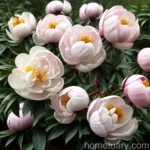
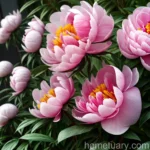
The Paeonia ‘Cora Louise’ features large, semi-double to double, light yellow blooms that are accented with a touch of apricot near the center. The flowers are held high above the foliage on strong stems, creating a striking visual display. The lush green foliage serves as an elegant backdrop to the resplendent blooms, further enhancing the plant’s appeal.
Itoh Peony Varieties
While the Paeonia ‘Cora Louise’ is a remarkable variety in its own right, the Itoh Peony family encompasses a diverse range of cultivars, each with its own unique floral displays and growth habits. Some popular Itoh Peony varieties include ‘Julia Rose,’ ‘Bartzella,’ ‘Canary Brilliants,’ and ‘First Arrival,’ among others. Each variety contributes to the rich tapestry of Itoh Peonies, offering a spectrum of colors, forms, and flowering patterns.
Key Takeaways – Paeonia ‘Cora Louise’ (Itoh Peony)
Before we dive deeper into the captivating world of the Paeonia ‘Cora Louise,’ let’s explore the key takeaways that will guide our journey through the various aspects of this enchanting plant.
- Paeonia ‘Cora Louise’ Care Tips
-
Understanding the specific needs of the Paeonia ‘Cora Louise’ for optimal growth and health.
-
Growing Itoh Peonies
-
Exploring the essential factors for successfully cultivating Itoh Peonies, including ideal growing conditions and practices.
-
Paeonia ‘Cora Louise’ Characteristics
-
Uncovering the unique and distinctive attributes that define the Paeonia ‘Cora Louise’.
-
Itoh Peony Bloom Time
-
Observing the flowering period of the Itoh Peony and the beauty it brings to the landscape.
-
Paeonia ‘Cora Louise’ Planting Guide
-
Providing insights into the best practices for planting the Paeonia ‘Cora Louise’ and ensuring its establishment.
-
How to Propagate Paeonia ‘Cora Louise’
-
Exploring the methods of propagating the Paeonia ‘Cora Louise’ to expand its presence in the garden.
-
Paeonia ‘Cora Louise’ Maintenance
-
Understanding the essential maintenance activities required to promote the long-term health and vigor of the plant.
-
Paeonia ‘Cora Louise’ Garden Design
-
Exploring creative and captivating garden designs that incorporate the beauty of the Paeonia ‘Cora Louise’ as a centerpiece.
-
Best Companion Plants for Paeonia ‘Cora Louise’
-
Discovering plant partners that complement the allure of the Paeonia ‘Cora Louise’ and create harmonious garden compositions.
-
Itoh Peony Disease Resistance
- Understanding the resilience of the Itoh Peony and its ability to withstand common plant diseases.
Culture
Cultivating the Paeonia ‘Cora Louise’ entails understanding its cultural requirements, including factors such as water, sunlight, fertilizer, soil, and pruning. These elements form the foundation for nurturing a healthy and thriving plant.
Uses
The Paeonia ‘Cora Louise’ serves as an exquisite addition to gardens, providing captivating blooms that elevate the visual appeal of the landscape. Its versatile nature allows it to be utilized in various garden designs, from formal borders to naturalistic settings.
Water
Maintaining an appropriate watering regimen is crucial for the well-being of the Paeonia ‘Cora Louise.’ Adequate moisture levels support robust growth and blooming while preventing water-related stress.
- Watering Requirements:
- Provide consistent moisture, ensuring that the soil remains evenly moist, especially during the active growing season and flowering period.
- Avoid overwatering, as excessive moisture can lead to root rot and other detrimental conditions.
- Adjust the frequency of watering based on environmental conditions, such as temperature and rainfall.
Sunlight
As with many plants, the Itoh Peony thrives under specific sunlight conditions that influence its growth and flowering performance. Understanding its sunlight preferences is essential for cultivating a healthy and vibrant specimen.
- Sun Exposure:
- Plant the Paeonia ‘Cora Louise’ in a location that receives ample sunlight, ideally providing at least 6 to 8 hours of direct sunlight daily.
- While the plant appreciates sunlight, it benefits from some protection against intense afternoon sun, especially in regions with hot climates.
- Adequate sunlight promotes strong stem development, robust blooming, and overall plant vigor.
Fertilizer
Supplemental fertilization can enhance the growth and flowering prowess of the Paeonia ‘Cora Louise.’ Incorporating a balanced and appropriate fertilizer regimen can provide the necessary nutrients to support the plant’s vitality.
- Fertilization Tips:
- Apply a balanced, slow-release fertilizer formulated for flowering plants in early spring before new growth emerges.
- Refrain from over-fertilizing, as excessive nutrients can lead to lush foliage at the expense of blooming.
- Monitor the plant’s response to the fertilizer and adjust the application as needed based on its performance.
Soil
The soil composition and quality play a significant role in the health and development of the Paeonia ‘Cora Louise.’ Understanding the soil preferences and implementing proper soil management practices can lay the groundwork for a thriving plant.
- Soil Preferences:
- Plant the Paeonia ‘Cora Louise’ in well-draining soil with a loamy texture, enriched with organic matter to support optimal growth.
- Ensure that the soil pH falls within the slightly acidic to neutral range, typically between 6.5 and 7.0, to facilitate nutrient uptake and overall plant health.
- Regularly amend the soil with compost or organic mulch to improve its structure and fertility over time.
Pruning
Pruning is an essential aspect of Paeonia ‘Cora Louise’ maintenance, allowing for the removal of spent blooms, shaping of the plant, and overall rejuvenation. Adhering to proper pruning techniques contributes to the plant’s longevity and vigor.
Pruning Techniques
- Deadheading: Remove faded flowers promptly to encourage continuous blooming and prevent seed production, which can divert energy away from the plant.
- Spring Pruning: Perform selective pruning in early spring to eliminate weak or damaged stems and promote robust growth.
- Thinning: Periodically thin out older stems to improve air circulation and light penetration, reducing the risk of disease and promoting overall plant health.
Propagation
Expanding the presence of the Paeonia ‘Cora Louise’ in the garden often involves propagation techniques. From division to seed propagation, understanding the methods of propagation allows for the creation of new plants and the perpetuation of cherished varieties.
How to Propagate Paeonia ‘Cora Louise’
- Division: Divide mature Paeonia ‘Cora Louise’ plants in early fall when they are dormant, ensuring that each division possesses viable buds and a healthy root system.
- Seed Propagation: While seed propagation is less commonly practiced due to the lengthy time to blooming, it offers the potential for creating new variations and cultivars over time.
- Root Cuttings: Utilize root cuttings as a method of propagation, ensuring that each cutting contains viable root sections and buds for successful establishment.
Container Popularity
The appeal of cultivating the Paeonia ‘Cora Louise’ in containers has grown significantly, offering gardeners the opportunity to enjoy its beauty in various settings such as patios, balconies, and small gardens.
Growing Paeonia ‘Cora Louise’ in Containers
- Selecting Containers: Choose large, sturdy containers with ample drainage holes to accommodate the plant’s root system and provide proper aeration.
- Potting Mix: Use a well-draining, high-quality potting mix enriched with organic matter to support the plant’s growth and vigor in a container environment.
- Watering and Maintenance: Monitor the moisture levels in the container, ensuring consistent watering to prevent the soil from drying out excessively in the confined space.
Common Diseases
While the Paeonia ‘Cora Louise’ exhibits considerable disease resistance, it is not invulnerable to certain common plant ailments. Awareness of potential diseases and their preventive measures is essential for maintaining the plant’s health.
Disease Diagnosis
- Botrytis Blight: Recognized by the presence of gray mold on the plant, typically affecting flower buds and petals. Provide proper air circulation and avoid overhead watering to mitigate the risk of botrytis blight.
- Powdery Mildew: Identified by the powdery white coating on the foliage, particularly in humid conditions. Employing fungicidal treatments and promoting good air circulation can help prevent and manage powdery mildew infestations.
Common Pests
Although the Paeonia ‘Cora Louise’ is resilient against many pests, certain invaders may pose a threat to its well-being. Vigilance and prompt action are key in addressing potential pest issues.
Botanist’s Tips
- Aphids: Keep an eye out for aphids, particularly on new growth and flower buds, and employ natural predators or insecticidal treatments as necessary to control infestations.
- Spider Mites: Monitor the undersides of leaves for signs of spider mite activity, addressing any infestations promptly to prevent damage to the foliage.
Fun Facts
- The Itoh Peony is named after Toichi Itoh, the renowned Japanese plant breeder who successfully hybridized the first Itoh Peony in the 1940s.
- Some Itoh Peony varieties display multiple color transitions in their blooms, creating a captivating and ever-changing floral display.
- The Paeonia ‘Cora Louise’ is celebrated for its resilience and adaptability, thriving in a wide range of climatic conditions and soil types.
Links to External Resources
To further expand your understanding and appreciation of the Paeonia ‘Cora Louise’ and Itoh Peonies in general, we recommend exploring the following resources:
- American Peony Society: https://americanpeonysociety.org/
- Royal Horticultural Society – Growing Peonies: https://www.rhs.org.uk/plants/popular/peonies/grow
- University of Missouri Extension – Planting and Transplanting Peonies: https://extension2.missouri.edu/g6850
In conclusion, the Paeonia ‘Cora Louise’ (Itoh Peony) stands as a testament to the captivating beauty and enduring allure of plants. Its elegance, resilience, and enchanting blooms elevate not only garden landscapes but also the spirits of those who encounter its splendor. By embracing the care tips, cultural insights, and propagation techniques outlined in this guide, you can embark on a fulfilling journey with the Paeonia ‘Cora Louise,’ witnessing its grace and charm unfurl with each passing season.
Remember, the world of plants is a wondrous realm teeming with stories of growth, beauty, and the interconnectedness of nature. As we cultivate and cherish our botanical companions, we become stewards of this natural tapestry, nurturing life and celebrating the enduring magic of the plant kingdom.
Thank you for joining us on this exploration of the Paeonia ‘Cora Louise.’ May your gardens bloom with the resplendent beauty of the Itoh Peony, and may your connection with nature continue to flourish and inspire.
Happy gardening!