Miscanthus Sinensis ‘Strictus’ (Porcupine Grass)
Welcome, fellow plant enthusiasts! Today, we are going to immerse ourselves in the mesmerizing world of Miscanthus sinensis ‘Strictus’, commonly known as.
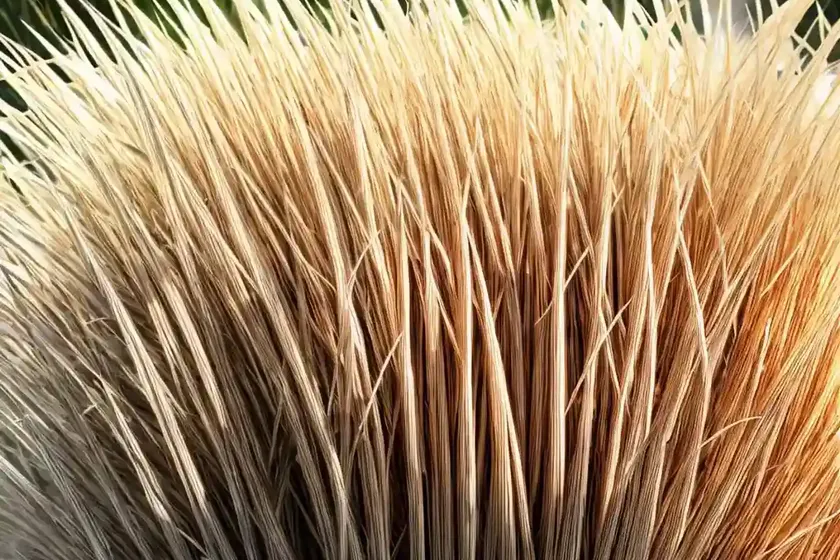
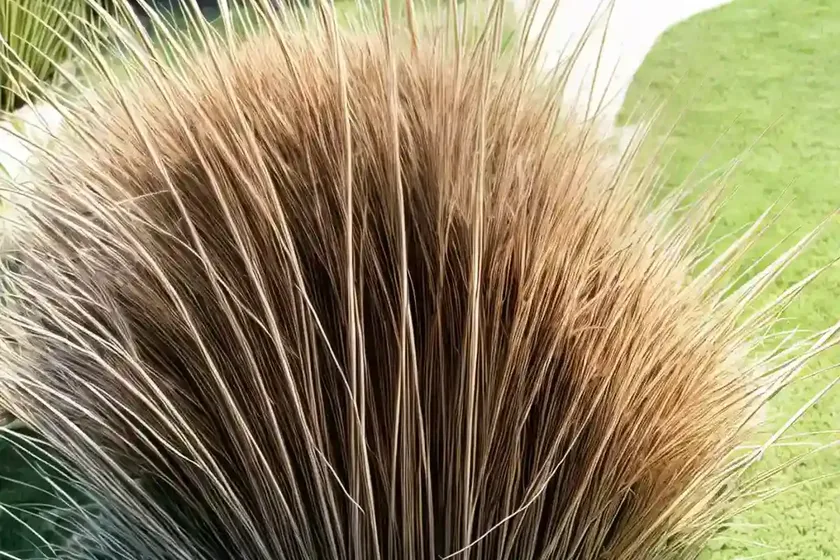
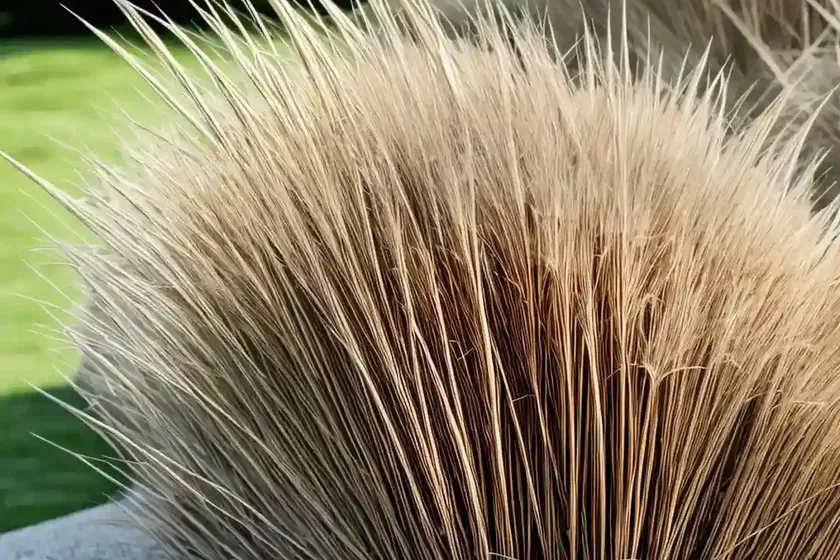
Welcome, fellow plant enthusiasts! Today, we are going to immerse ourselves in the mesmerizing world of Miscanthus sinensis ‘Strictus’, commonly known as Porcupine Grass. This versatile and striking ornamental grass is a favorite among landscapers and gardeners for its unique texture, color, and low maintenance requirements. Throughout this article, we will explore everything you need to know about this stunning grass – from its cultural requirements to its landscape uses, and from its growth habits to its propagation methods.
So, let’s dive in and unravel the fascinating world of Miscanthus sinensis ‘Strictus’!
What is Miscanthus sinensis ‘Strictus’ (Porcupine Grass)?
Miscanthus sinensis ‘Strictus’, a member of the Poaceae family, is a clump-forming perennial grass native to Eastern Asia. It is commonly known as Porcupine Grass due to its distinctive banded foliage that resembles the quills of a porcupine. This eye-catching feature makes it a popular choice for adding visual interest and texture to landscapes and gardens.
The grass typically reaches a height of 4 to 6 feet, with a spread of 2 to 4 feet, creating an elegant and statuesque presence in outdoor settings. Miscanthus sinensis ‘Strictus’ is renowned for its striking vertical growth habit, making it an ideal candidate for creating dramatic focal points in garden designs.
Now, let’s delve into the various aspects of caring for and utilizing Miscanthus sinensis ‘Strictus’ in your gardening endeavors.
Key Takeaways – Miscanthus sinensis ‘Strictus’ (Porcupine Grass)
Culture
Cultivating Miscanthus sinensis ‘Strictus’ requires an understanding of its cultural preferences. From water and sunlight requirements to soil and fertilization needs, every aspect plays a crucial role in ensuring the health and vitality of this ornamental grass.
Uses
Understanding the versatile uses of Miscanthus sinensis ‘Strictus’ is essential for incorporating it effectively into landscape designs and garden settings. Whether used as a standalone specimen or in combination with other plants, its uses are diverse and impactful.
Water
Watering is a critical aspect of maintaining the health and vigor of Miscanthus sinensis ‘Strictus’. Understanding its water needs and implementing appropriate watering practices is essential for its long-term survival and optimal growth.
Sunlight
Like all plants, sunlight is a primary requirement for the growth and development of Miscanthus sinensis ‘Strictus’. Understanding its sunlight preferences will guide you in selecting the ideal planting locations and ensuring its well-being.
Fertilizer
Providing the necessary nutrients through fertilization is vital for promoting healthy growth and enhancing the ornamental appeal of Miscanthus sinensis ‘Strictus’. Strategic fertilization practices will contribute to its overall vigor and visual impact.
Soil
The soil composition and structure significantly influence the growth and performance of Miscanthus sinensis ‘Strictus’. Knowledge of its soil preferences and the ability to optimize soil conditions will be instrumental in cultivating thriving specimens.
Pruning
Pruning plays a pivotal role in maintaining the aesthetic appeal and vitality of Miscanthus sinensis ‘Strictus’. Understanding the appropriate timing and techniques for pruning will contribute to its overall health and visual allure.
Propagation
Knowledge of effective propagation methods is essential for multiplying and propagating Miscanthus sinensis ‘Strictus’. Understanding the various techniques will empower you to expand your Porcupine Grass collection and share its beauty with others.
Container Popularity
Miscanthus sinensis ‘Strictus’ exhibits characteristics that make it well-suited for container cultivation. Exploring its popularity as a container plant opens up exciting possibilities for incorporating it into various settings.
Container Common Diseases
Understanding the common diseases that can affect Miscanthus sinensis ‘Strictus’ when grown in containers is crucial for implementing preventative measures and preserving the health of the plants.
Disease Diagnosis
In the event of disease symptoms or abnormalities, accurate diagnosis is vital for implementing targeted treatments and preventing the spread of diseases among Miscanthus sinensis ‘Strictus’ specimens.
Common Pests
Pest management is an integral aspect of maintaining the health and beauty of Miscanthus sinensis ‘Strictus’. Identifying and addressing common pests will contribute to the success of cultivating this distinct ornamental grass.
Botanist’s Tips
Insights and tips from botanists and experienced growers can provide valuable guidance for effectively caring for and utilizing Miscanthus sinensis ‘Strictus’ in various horticultural settings.
Fun Facts
Delving into the intriguing and lesser-known facts about Miscanthus sinensis ‘Strictus’ provides a deeper appreciation for its unique characteristics and ecological significance.
Links to External Resources
Drawing upon reliable external resources can enhance your understanding of Miscanthus sinensis ‘Strictus’ and enrich your knowledge as a plant enthusiast or professional.
Now, armed with an overview of the key aspects we will explore, let’s embark on an enriching journey into the world of Miscanthus sinensis ‘Strictus’ (Porcupine Grass).
Miscanthus sinensis ‘Strictus’ (Porcupine Grass) Plant Care
In this section, we will delve into the specific care requirements of Miscanthus sinensis ‘Strictus’ – from planting tips to its growth habits and seasonal changes. Understanding these factors is essential for ensuring the successful cultivation and long-term health of this captivating ornamental grass.
Porcupine Grass Planting Tips
When planting Miscanthus sinensis ‘Strictus’, several key factors should be considered to create an optimal environment for its growth and development. From site selection to spacing recommendations, planting tips are crucial for establishing thriving specimens.
Site Selection
Select a planting site that receives full to partial sunlight, as Miscanthus sinensis ‘Strictus’ thrives in such conditions. The site should also have well-draining soil to prevent waterlogging, which can lead to root rot.
Spacing Recommendations
Allow ample space between individual Miscanthus sinensis ‘Strictus’ plants to accommodate their mature size and prevent overcrowding. A spacing of approximately 3 to 5 feet between plants is generally recommended to allow for proper air circulation and growth.
Soil Preparation
Prior to planting, prepare the soil by incorporating organic matter such as compost to improve its fertility and drainage. Miscanthus sinensis ‘Strictus’ prefers moderately fertile, loamy soil, and amending the soil with organic matter can create an ideal growing medium.
Planting Depth
When planting Miscanthus sinensis ‘Strictus’, ensure that the crown of the plant is placed at the same level as the surrounding soil. Planting too deeply can lead to issues such as poor growth and susceptibility to diseases.
Watering After Planting
After planting, provide adequate water to help the newly installed Miscanthus sinensis ‘Strictus’ plants establish their root systems. Water deeply to ensure that the root ball and surrounding soil are thoroughly moistened.
Miscanthus sinensis ‘Strictus’ Varieties
While the ‘Strictus’ variety is renowned for its striking banded foliage, it is part of the larger Miscanthus sinensis species, which encompasses a diverse array of cultivars and varieties. Exploring the different varieties within the species offers opportunities to select plants that suit specific preferences or design requirements.
Variegated Varieties
Some Miscanthus sinensis varieties display variegated foliage, featuring contrasting colors such as green and creamy white. These variegated cultivars can introduce additional visual interest and diversity into landscape designs.
Weeping Habits
Certain cultivars exhibit weeping or cascading growth habits, adding an elegant and graceful dimension to ornamental grass displays. Understanding these growth habits allows for creative incorporation into various garden settings.
Dwarf Varieties
For smaller garden spaces or container plantings, dwarf Miscanthus sinensis varieties may be particularly well-suited. These compact forms offer the distinctive appeal of Porcupine Grass in a more restrained and manageable size.
Porcupine Grass Landscape Uses
In landscaping, Miscanthus sinensis ‘Strictus’ is valued for its versatile uses and decorative qualities. Understanding its landscape uses enables gardeners and landscapers to maximize its visual impact and contribute to cohesive and well-designed outdoor spaces.
Focal Point Planting
The statuesque and upright growth habit of Miscanthus sinensis ‘Strictus’ makes it an ideal choice for creating focal points within garden beds or landscape compositions. Its vertical structure and dramatic appearance draw attention and lend a sense of grandeur to outdoor settings.
Border Planting
When used as a border plant, Miscanthus sinensis ‘Strictus’ delineates and defines garden spaces, providing a visually appealing and dynamic boundary. Its upright form and banded foliage contribute to the overall structure and aesthetics of borders.
Mass Plantings
The ornamental appeal of Miscanthus sinensis ‘Strictus’ is heightened when planted in mass groupings. This approach creates a visually striking display, particularly when the plants sway and interplay in the wind, showcasing their captivating foliage.
Mixed Plantings
For a dynamic and diverse landscape, incorporating Miscanthus sinensis ‘Strictus’ into mixed plantings allows for contrasting textures and forms. Pairing it with other ornamental grasses, perennials, or shrubs leads to visually rich and engaging plant arrangements.
Erosion Control
In areas prone to soil erosion, the extensive root systems of Miscanthus sinensis ‘Strictus’ provide effective erosion control. This functional aspect of the grass contributes to its ecological value in landscape restoration and conservation efforts.
Miscanthus sinensis ‘Strictus’ Growth Habits
Understanding the growth habits of Miscanthus sinensis ‘Strictus’ is essential for anticipating its development and integrating it into garden designs. From its annual growth rate to seasonal color changes, these habits inform decisions related to placement and maintenance.
Annual Growth Rate
Miscanthus sinensis ‘Strictus’ exhibits a moderate to fast growth rate, with established plants producing substantial growth each year. This rapid growth contributes to its ability to fill in spaces and provide a relatively swift impact in garden compositions.
Seasonal Color Changes
Throughout the seasons, Miscanthus sinensis ‘Strictus’ undergoes striking color changes. In the spring and summer, the foliage displays vibrant green hues with distinct bands of yellow; as autumn arrives, the foliage takes on stunning shades of golden-yellow and russet, adding seasonal interest to the landscape.
Unique Growth Pattern
The vertical and upright growth pattern of Miscanthus sinensis ‘Strictus’ distinguishes it from other ornamental grasses. Its columnar habit creates a commanding presence in outdoor settings, contributing to its role as a focal and structural element in garden designs.
Porcupine Grass Maintenance Guide
Maintaining the health and vitality of Miscanthus sinensis ‘Strictus’ involves various aspects of care, from pruning techniques to seasonal considerations. Adhering to a comprehensive maintenance guide enables gardeners to optimize the longevity and beauty of their Porcupine Grass plants.
Pruning Techniques
Effective pruning techniques are essential for preserving the shape and aesthetics of Miscanthus sinensis ‘Strictus’. In late winter or early spring, remove the previous year’s foliage by cutting it back to a few inches above ground level to allow for vigorous new growth.
Winter Care
During winter, Miscanthus sinensis ‘Strictus’ benefits from minimal maintenance and protection from extreme weather conditions. Leaving the dried foliage intact throughout winter provides natural insulation for the plant, enhancing its winter hardiness.
Summer Maintenance
In the summer months, regular monitoring of moisture levels and attention to watering needs are crucial for supporting the growth and vitality of Miscanthus sinensis ‘Strictus’. Additionally, periodic inspection for pest or disease issues is recommended to address any emerging concerns promptly.
Miscanthus sinensis ‘Strictus’ Propagation Methods
The propagation of Miscanthus sinensis ‘Strictus’ presents opportunities to multiply plants and share their beauty with others. Understanding the various propagation methods empowers gardeners to expand their Porcupine Grass collection and contribute to its conservation and enjoyment.
Division
Dividing established clumps of Miscanthus sinensis ‘Strictus’ is a common and effective propagation method. During the early spring, carefully dig up the clump and divide it into smaller sections, each containing viable rhizomes and shoots, which can then be replanted.
Seed Propagation
Though less commonly practiced, propagating Miscanthus sinensis ‘Strictus’ from seeds offers a method of generating new plants. Collect mature seeds from existing plants and sow them in a suitable growing medium, providing the necessary conditions for germination and initial growth.
Container Gardening
Propagation can also be accomplished through container gardening, where divisions or seedlings are established and grown in containers before being transplanted to their permanent outdoor location. Container gardening offers flexibility and control over the propagation process.
Porcupine Grass Soil Requirements
The soil requirements of Miscanthus sinensis ‘Strictus’ directly impact its growth and overall health. Understanding these soil preferences and implementing appropriate soil management practices are fundamental for the successful cultivation of thriving Porcupine Grass specimens.
Soil Preferences
Miscanthus sinensis ‘Strictus’ thrives in moderately fertile, well-draining soil. It prefers loamy soil with a slightly acidic to neutral pH. Optimizing these soil characteristics promotes robust growth and minimizes the risk of stress-related issues.
Soil pH Preferences
The ideal soil pH range for Miscanthus sinensis ‘Strictus’ is slightly acidic to neutral, typically falling within the range of 6.0 to 7.0. Maintaining a suitable pH level supports nutrient availability and uptake, contributing to the overall vigor and vitality of the plants.
Amending Soil
Amending the soil with organic matter such as compost or well-rotted manure can enhance its structure, fertility, and drainage capacity. This practice improves the overall soil quality and creates an environment conducive to the healthy growth of Miscanthus sinensis ‘Strictus’.
Porcupine Grass Water Needs
Water is a vital resource for the health and survival of Miscanthus sinensis ‘Strictus’. Understanding its water needs, implementing appropriate watering practices, and addressing drought tolerance are essential for promoting the long-term vitality of these striking ornamental grasses.
Watering Practices
When establishing Miscanthus sinensis ‘Strictus’ plants, consistent and thorough watering is crucial to support the development of their root systems. During periods of active growth, regular monitoring of soil moisture levels and supplemental watering as needed are recommended.
Drought Tolerance
Once established, Miscanthus sinensis ‘Strictus’ exhibits good drought tolerance, making it suitable for landscapes with drier conditions. Periods of extended drought may necessitate supplemental irrigation to prevent excessive stress and maintain the vigor of the plants.
Water-Wise Gardening
Incorporating water-wise gardening practices, such as mulching and efficient irrigation methods, can contribute to the conservation of water resources while promoting the health and sustainability of Miscanthus sinensis ‘Strictus’ and other ornamental plants in the landscape.
Porcupine Grass Sunlight Requirements
As with many plants, sunlight is a fundamental requirement for the growth and well-being of Miscanthus sinensis ‘Strictus’. Understanding its sunlight preferences and selecting appropriate planting locations are pivotal for fostering healthy and robust Porcupine Grass specimens.
Sunlight Preferences
Miscanthus sinensis ‘Strictus’ thrives in full to partial sunlight, requiring at least 6 hours of direct sunlight each day to support optimal growth and the development of its distinctive foliage. Adequate sunlight exposure promotes sturdy growth and vibrant coloration.
Shade Tolerance
While Miscanthus sinensis ‘Strictus’ prefers ample sunlight, it also exhibits a degree of tolerance to partial shade. When grown in shadier conditions, it may display slightly reduced growth and color intensity but can still thrive if provided with sufficient light.
Planting Location Considerations
Selecting suitable planting locations that provide the requisite sunlight exposure for Miscanthus sinensis ‘Strictus’ is essential for maximizing its ornamental value and longevity. Evaluating the sunlight conditions in different areas of the landscape guides effective placement.
Porcupine Grass Fertilization Tips
Supplemental fertilization plays a significant role in enhancing the growth and ornamental appeal of Miscanthus sinensis ‘Strictus’. Understanding its fertilization needs and implementing appropriate fertilization practices contributes to the overall vitality and visual impact of the plants.
Fertilization Timing
Apply a balanced, slow-release fertilizer to Miscanthus sinensis ‘Strictus’ in early spring, just before the onset of active growth. This timing coincides with the plants’ increased nutrient requirements and helps sustain their vigor throughout the growing season.
Nutrient Requirements
Miscanthus sinensis ‘Strictus’ benefits from a balanced fertilizer formulation with equal or balanced proportions of nitrogen, phosphorus, and potassium, along with essential micronutrients. Providing these essential nutrients supports healthy foliage, robust growth, and vibrant coloration.
Organic Fertilizer Options
Organic fertilizers, such as compost or well-rotted manure, can serve as valuable alternatives for nourishing Miscanthus sinensis ‘Strictus’. These natural fertilizers supply nutrients while also improving soil structure and fostering a healthy soil ecosystem.
Fertilization Frequency
For established Miscanthus sinensis ‘Strictus’ plants, fertilize annually in early spring with a single application of slow-release fertilizer. Regular monitoring of the plants’ growth and appearance can help determine the need for additional fertilization or adjustments in the fertilization regimen.
Porcupine Grass Common Diseases
While generally resilient, Miscanthus sinensis ‘Strictus’ may be susceptible to certain diseases that can impact its health and ornamental appeal. Identifying common diseases and implementing preventive measures are critical for maintaining the vitality of these striking ornamental grasses.
Leaf Spot
Leaf spot, caused by fungal pathogens, can result in the formation of circular lesions on the foliage of Miscanthus sinensis ‘Strictus’. Proper sanitation, adequate air circulation, and the prompt removal of infected plant material help minimize the risk and spread of leaf spot.
Rust
Rust diseases, characterized by the appearance of orange or reddish-brown pustules on the leaves, can affect Miscanthus sinensis ‘Strictus’ under favorable environmental conditions. Fungicidal treatments and the removal of infected plant debris aid in managing rust diseases.
Anthracnose
Anthracnose, caused by various fungal pathogens, can lead to the development of irregularly shaped lesions and dieback of plant tissues in Miscanthus sinensis ‘Strictus’. Maintaining optimal growing conditions and promptly addressing disease symptoms are integral to anthracnose management.
Porcupine Grass Disease Prevention
Effective disease prevention strategies are essential for safeguarding the health and visual appeal of Miscanthus sinensis ‘Strictus’. Incorporating cultural practices and proactive measures helps create an environment that minimizes the incidence and impact of diseases.
Sanitation Practices
Practicing good sanitation, such as removing fallen leaves and debris from around Miscanthus sinensis ‘Strictus’ plants, reduces the accumulation of potential disease sources and creates a cleaner and healthier growing environment.
Air Circulation
Promoting adequate air circulation around Miscanthus sinensis ‘Strictus’ plants helps mitigate the conditions conducive to disease development, particularly foliar diseases such as leaf spot and rust. Proper spacing and the removal of overcrowded growth aid in enhancing air movement.
Disease-Resistant Cultivars
Selecting disease-resistant cultivars within the Miscanthus sinensis species, if available, can contribute to reduced disease susceptibility and lower maintenance requirements. Disease-resistant varieties offer additional assurance against common ornamental grass diseases.


