Pacific Rush (Juncus Effusus)
In the world of ornamental grasses, Pacific Rush (Juncus effusus) stands out as a versatile and visually appealing plant. With its elegant cylindrical.
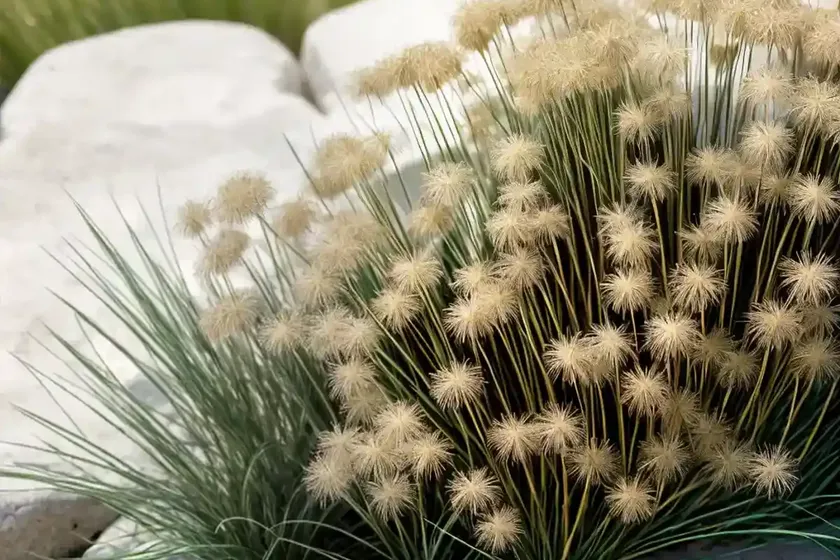
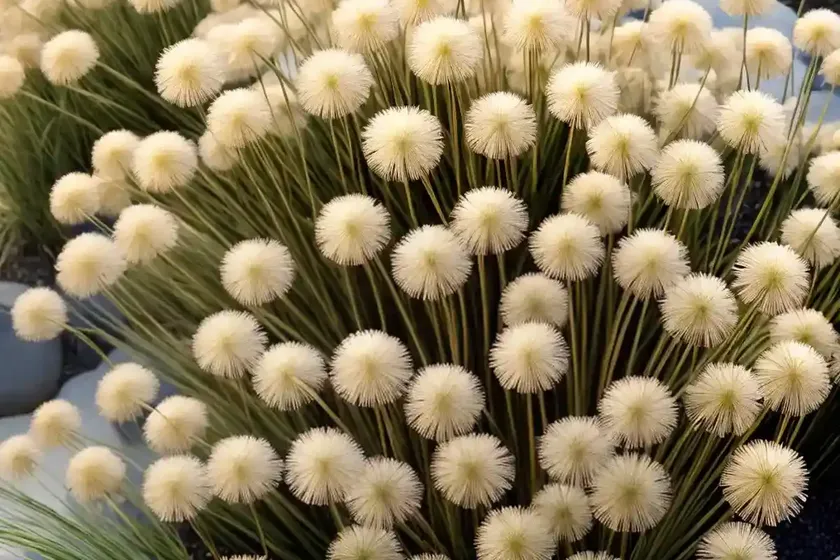
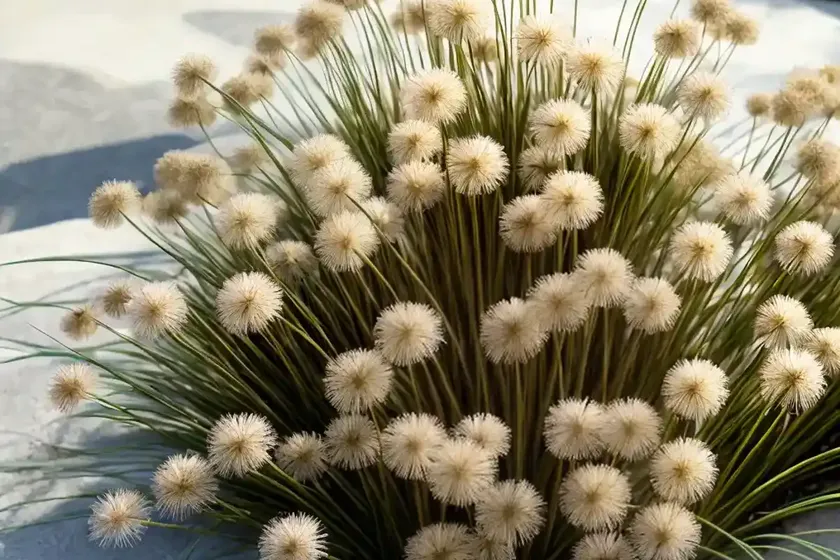
In the world of ornamental grasses, Pacific Rush (Juncus effusus) stands out as a versatile and visually appealing plant. With its elegant cylindrical foliage and adaptability to diverse growing conditions, this plant has gained popularity among gardeners, landscapers, and restoration experts. In this comprehensive guide, we will delve into the various aspects of Pacific Rush, from its cultural requirements to propagation and pest management. Whether you are a seasoned gardener or a beginner in the world of ornamental plants, this guide will equip you with the knowledge and skills to cultivate and care for the Pacific Rush.
What is Pacific Rush (Juncus effusus)?
Pacific Rush, scientifically known as Juncus effusus, is a herbaceous perennial plant native to many regions across the globe, including North America, Europe, Asia, and Africa. This plant belongs to the Juncaceae family and is commonly referred to as Soft Rush or Common Rush. The species name “effusus” translates to “abundant” or “profuse,” reflecting the plant’s vigorous growth habit and prolific spread in favorable conditions.
Key Takeaways
Before delving into the specific aspects of caring for Pacific Rush, let’s take a moment to highlight the key takeaways about this remarkable plant. The following points will be discussed in detail throughout this guide:
- Cultural requirements, including water, sunlight, and soil preferences
- Pruning and propagation techniques
- Container gardening and its suitability for Pacific Rush
- Common diseases and pests affecting Juncus effusus
- Botanist’s tips for successful cultivation
- Fun facts about Pacific Rush
- Links to external resources for further exploration
Culture
The successful cultivation of Pacific Rush is contingent upon understanding its cultural requirements. From water and sunlight preferences to soil composition and fertilization, providing the right growing conditions is essential for the health and vigor of this ornamental grass.
Uses
Before delving into the specific cultural requirements, it’s important to understand the diverse uses of Pacific Rush. Its versatility lends itself to various applications, including landscaping, erosion control, and as a decorative element in gardens and natural areas. Additionally, Pacific Rush has cultural and medicinal significance, making it a valuable plant beyond its aesthetic appeal.
Landscaping and Erosion Control
Pacific Rush’s graceful, upright growth habit and attractive foliage make it an ideal candidate for landscaping projects. Whether used as a border plant, ground cover, or in rain gardens, its adaptability to moist and wet conditions allows for creative and functional landscaping designs.
In the context of erosion control, Pacific Rush plays a crucial role in stabilizing soil on slopes, preventing runoff, and enhancing the ecological integrity of riparian areas and wetlands.
Decorative Plant in Gardens
The aesthetic appeal of Pacific Rush, with its slender, deep green stems, adds a touch of elegance to garden beds, pond edges, and water features. Its architectural form and non-invasive nature make it a sought-after choice for formal garden designs, modern landscaping, and other contemporary garden styles.
Medicinal and Cultural Uses
Beyond its ornamental value, Pacific Rush has historic and cultural significance. Traditionally, it has been used for basket weaving, as a source of natural dye, and even for medicinal purposes. Exploring the plant’s traditional uses adds a layer of depth to its botanical significance and cultural relevance.
Water
Pacific Rush is inherently fond of moist to wet conditions, making it an excellent choice for areas with high water availability. Its adaptability to wetlands, pond edges, and streamside environments makes it an invaluable addition to ecological restoration projects and garden designs with water features.
Water Requirements
In terms of water requirements, Pacific Rush thrives in consistently moist soil and can even tolerate periods of inundation. Whether grown in natural or artificial wetlands, it is well-suited to environments with a high water table. While it can tolerate brief periods of drought, avoiding prolonged dry spells is essential for the plant’s overall health and vitality.
Sunlight
Understanding a plant’s sunlight preferences is fundamental to its successful cultivation. In the case of Pacific Rush, its affinity for full sun to part shade positions it as a versatile option for a range of light conditions in gardens and landscapes.
Sunlight Preferences
Pacific Rush demonstrates its best growth and coloration when exposed to full sun for a significant portion of the day. However, it also adapts well to part shade, particularly in regions with hot summers or intense sunlight. Providing ample natural light will encourage robust growth and the development of rich green foliage.
Fertilizer
Unlike many garden plants, Pacific Rush is relatively low-maintenance when it comes to fertilizer requirements. Its native habitat and adaptation to nutrient-poor soils make it well-equipped to thrive without regular fertilization.
Soil Preferences
Pacific Rush exhibits a preference for organic-rich, loamy soils with good moisture retention. While it can tolerate a wide range of soil types, promoting soil fertility and structure through the addition of organic matter is beneficial, especially when establishing new plantings.
Pruning
Pruning is an essential aspect of maintaining the health and aesthetic appeal of Pacific Rush. Understanding the proper techniques and timing for pruning will contribute to the plant’s vigor and appearance.
Maintenance Pruning
As a low-maintenance plant, Pacific Rush requires minimal pruning. However, removing old or damaged stems in late winter or early spring can rejuvenate the plant and promote new growth. Additionally, deadheading spent flowerheads can contribute to a tidier appearance and prevent self-seeding in garden settings.
Propagation
Expanding your collection of Pacific Rush or propagating it for restoration projects involves understanding the viable methods of reproduction and establishing new plants.
Methods of Propagation
Pacific Rush can be propagated through various methods, including division, seed propagation, and stem cuttings. Each approach offers distinct advantages in terms of success rate and the speed of establishing new plants.
Division
Dividing mature clumps of Pacific Rush is a straightforward method of propagation. It involves carefully separating the root mass into smaller sections, each containing several stems and associated roots. This method is best performed in early spring or late summer to allow the new divisions ample time to establish before winter sets in.
Seed Propagation
While Pacific Rush does produce viable seeds, germination and seedling establishment can be more challenging compared to other propagation methods. However, collecting and sowing mature seeds in a controlled environment can yield new plants, especially when accompanied by stratification to mimic natural conditions.
Stem Cuttings
Propagating Pacific Rush from stem cuttings offers a reliable and efficient means of rapidly establishing new plants. Selecting healthy stems and rooting them in a suitable growing medium can yield numerous new individuals. This method is particularly valuable in restoration and landscaping projects where a large number of plants are needed.
Container Popularity
The adaptability of Pacific Rush to container gardening broadens its appeal and potential applications in diverse settings.
Container Gardening
Pacific Rush is well-suited to container gardening, making it an excellent choice for patios, balconies, and other outdoor living spaces. Its graceful form and minimal maintenance requirements make it an attractive option for adding greenery to confined areas and urban environments.
Common Diseases
While Pacific Rush is generally robust and resistant to many pests and diseases, understanding and identifying common issues is crucial for timely intervention and prevention.
Disease Diagnosis
Among the potential diseases that may affect Pacific Rush, root rot and leaf spot are primary concerns. Proper cultural practices, including adequate air circulation and soil drainage, can mitigate the risk of these conditions. Additionally, monitoring the plant for any signs of discoloration, wilting, or unusual growth patterns is pivotal for early diagnosis and control.
Common Pests
The resilience of Pacific Rush against pests is a notable advantage, but occasional pest infestations may occur, requiring vigilant monitoring and management.
Pest Management
Pests such as aphids, slugs, and snails can pose a threat to Pacific Rush, particularly in high-moisture environments. Employing proactive measures, including regular inspection, natural predators, and targeted interventions, can effectively control pest populations without the need for harsh chemicals.
Botanist’s Tips
As a plant scientist and enthusiast, I am delighted to share some valuable tips for cultivating and caring for Pacific Rush. These insights are based on scientific knowledge and practical experience, aiming to enhance your success in growing this exceptional plant.
Expert Advice
-
Ensure adequate drainage: While Pacific Rush thrives in moist conditions, poorly drained soils can lead to root rot and other issues. Amending the soil with organic matter and creating raised beds can improve drainage in wet or clay soils.
-
Regular monitoring: Observing the plant for any signs of stress, disease, or pest activity is essential for early detection and intervention. This proactive approach can prevent minor issues from escalating into significant problems.
-
Mulching for moisture retention: Applying a layer of organic mulch around Pacific Rush helps retain soil moisture, suppress weed growth, and provide insulation during temperature fluctuations. However, it’s important to avoid excessive mulch depth, which can hinder air circulation and create favorable conditions for pests and diseases.
Fun Facts
Uncovering the fascinating aspects of Pacific Rush adds depth to its allure and botanical significance. Here are a few intriguing facts about this remarkable plant:
-
Juncus effusus has been historically utilized for basket weaving due to the flexibility and strength of its stems. In addition to its ornamental value, this utilitarian aspect showcases the plant’s cultural relevance.
-
The dense, cylindrical clusters of Pacific Rush serve as valuable habitat and foraging sites for numerous small insects, contributing to the biodiversity and ecological balance of wetland environments.
Links to External Resources
Exploring external resources can enrich your understanding of Pacific Rush and provide valuable insights from experts, researchers, and fellow enthusiasts. Here are some recommended links to expand your knowledge:
- Pacific Rush Care and Maintenance Guidelines
- Landscaping Ideas with Juncus effusus
- The Medicinal and Cultural Uses of Pacific Rush
- Conservation and Restoration Strategies for Juncus effusus in Wetlands
In conclusion, Pacific Rush stands as a captivating and multifaceted plant, offering a myriad of benefits to natural ecosystems, garden landscapes, and cultural heritage. By understanding its cultural requirements, propagation techniques, and pest management, you can fully appreciate and harness the potential of Juncus effusus in various settings. Whether as a decorative element in gardens or a valuable contributor to wetland restoration, Pacific Rush exemplifies the resilience and beauty of ornamental grasses. I hope this comprehensive guide has provided you with valuable insights and inspiration to embark on your journey of growing and caring for Pacific Rush.
Remember, the green world of plants is an ever-evolving tapestry of beauty and intrigue, and each species, including Pacific Rush, contributes its own unique charm to this botanical mosaic.
Happy gardening!
Disclaimer: The information provided in this guide is based on current botanical knowledge and practices. It is advised to consult local gardening experts and botanical resources for region-specific recommendations and guidelines.


