Oxalis Vulcanicola ‘Zinfandel’)
Plants play an essential role in our lives, providing food, oxygen, and enhancing the aesthetic appeal of our surroundings. Among the vast array of plant.
Introduction
Plants play an essential role in our lives, providing food, oxygen, and enhancing the aesthetic appeal of our surroundings. Among the vast array of plant species, Oxalis vulcanicola ‘Zinfandel’, commonly known as Zinfandel Oxalis, holds a special place due to its captivating appearance and versatile uses. This blog post is a comprehensive guide for plant enthusiasts, covering various aspects of the Zinfandel Oxalis, from its characteristics and cultivation techniques to its ecological significance and potential benefits.
What is Oxalis vulcanicola ‘Zinfandel’
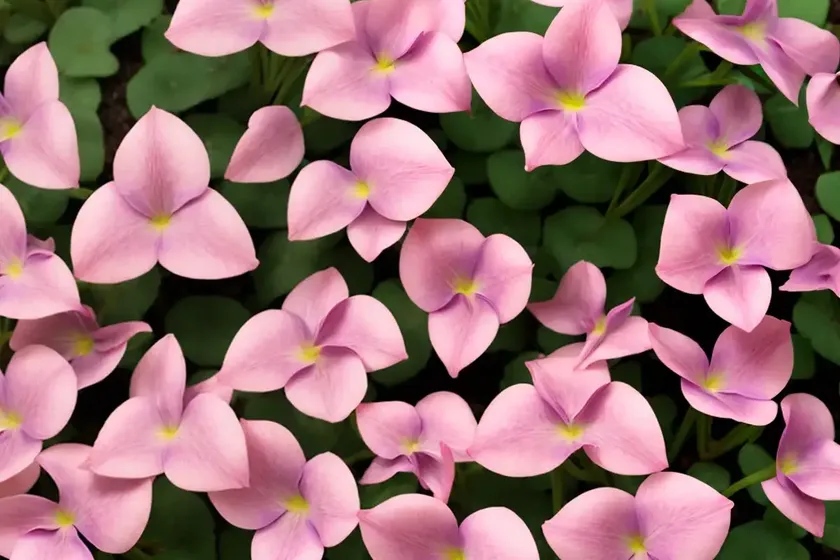
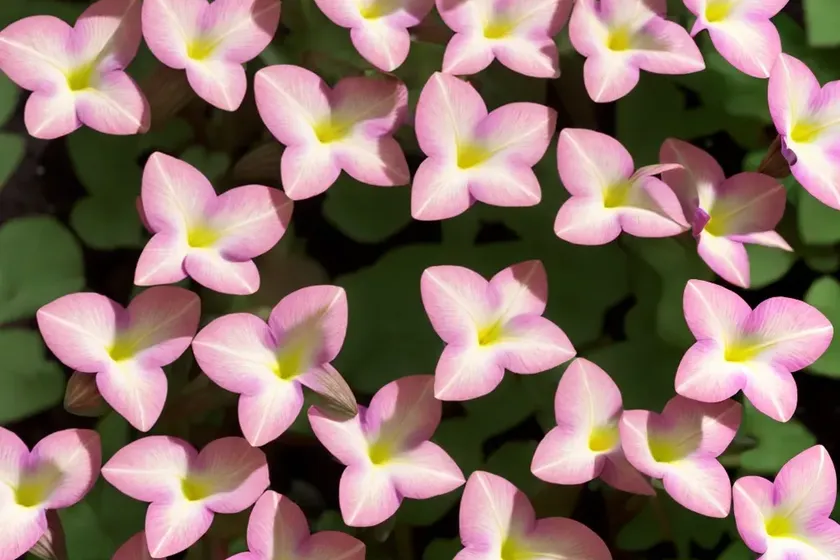
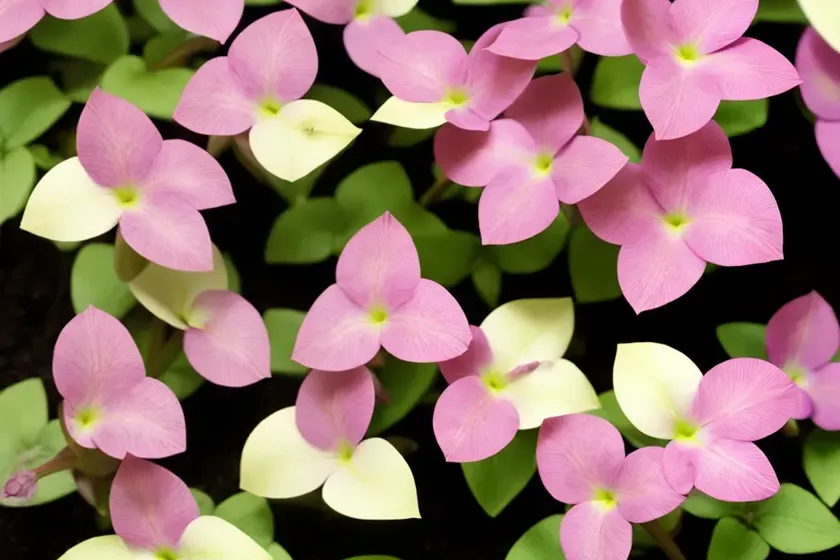
Oxalis vulcanicola ‘Zinfandel’ is a striking, low-growing perennial plant that belongs to the Oxalidaceae family. It is admired for its trifoliate leaves and vibrant, wine-colored foliage, which sets it apart from other Oxalis species. This hardy, ornamental plant is native to South America and has gained popularity among gardeners for its resilience and decorative value.
Key Takeaways
Oxalis vulcanicola ‘Zinfandel’
- Genus: Oxalis
- Species: Vulcanicola
- Cultivar: Zinfandel
- Common Name: Zinfandel Oxalis
- Family: Oxalidaceae
Culture
Water
Zinfandel Oxalis prefers moist but well-drained soil. It is essential to water the plant regularly, especially during dry spells, to maintain adequate moisture levels in the soil. However, overwatering should be avoided, as it may lead to root rot and other moisture-related issues.
Sunlight
This plant thrives in partial to full sunlight. It is recommended to provide it with at least 4-6 hours of sunlight per day for optimal growth and foliage coloration. In regions with intense heat, partial shade during the hottest part of the day can help prevent leaf scorching.
Fertilizer
Regular fertilization is beneficial for Zinfandel Oxalis, particularly during the growing season. A balanced, water-soluble fertilizer can be applied at half the recommended strength once a month to provide essential nutrients for healthy growth and vibrant foliage.
Soil
Zinfandel Oxalis prefers well-draining, slightly acidic soil with good fertility. A combination of peat moss, perlite, and organic compost can create an ideal growing medium for this plant. It is important to ensure that the soil is not waterlogged, as it can lead to root diseases.
Pruning
Pruning can help maintain the compact and tidy appearance of Zinfandel Oxalis. Deadheading spent flowers and removing any damaged or yellowing leaves can promote continuous blooming and rejuvenate the plant’s overall aesthetics.
Uses
Container Popularity
Due to its compact growth habit and attractive foliage, Zinfandel Oxalis is well-suited for container gardening. It adds a delightful burst of color to patio planters, hanging baskets, and mixed container arrangements, making it a popular choice for urban and small-space gardens.
Common Diseases
Zinfandel Oxalis is relatively resistant to diseases, particularly when grown in favorable conditions with proper care and maintenance. However, it may be susceptible to fungal infections such as powdery mildew in humid or poorly ventilated environments.
Disease Diagnosis
Symptoms of powdery mildew on Zinfandel Oxalis may include a powdery white coating on the leaves, which can hinder photosynthesis and weaken the plant. Proper air circulation, controlled watering, and the removal of affected plant parts can help manage this condition.
Common Pests
Zinfandel Oxalis is generally unattractive to most pests, but it may occasionally fall prey to common garden pests such as aphids, spider mites, and mealybugs. Regular monitoring and the use of natural pest control methods can help prevent infestations on this ornamental plant.
Botanist’s Tips
- Companion Planting: Zinfandel Oxalis complements a wide range of flowering and foliage plants, such as pansies, violas, and ornamental grasses, in garden beds and containers.
- Winter Care: In regions with harsh winters, Zinfandel Oxalis can be overwintered indoors or mulched to protect it from freezing temperatures.
- Landscaping: Its low-growing, clumping habit makes Zinfandel Oxalis an excellent choice for edging pathways, rock gardens, and mixed borders.
Fun Facts
- The foliage of Zinfandel Oxalis undergoes a color transformation throughout the day, ranging from deep burgundy in the morning to a rich wine-red hue in the afternoon.
- Zinfandel Oxalis is known to attract pollinators such as bees and butterflies, contributing to the biodiversity of garden ecosystems.
Links to External Resources
To explore further information about Oxalis vulcanicola ‘Zinfandel’, the following external resources are recommended:
- Royal Horticultural Society – Oxalis
- University of Minnesota Extension – Growing Oxalis Indoors
- Missouri Botanical Garden – Zinfandel Oxalis Care Guide
In conclusion, Oxalis vulcanicola ‘Zinfandel’ is a captivating plant that offers an array of benefits, from its ornamental charm to its ecological contributions. By understanding its unique characteristics and adopting appropriate cultivation practices, plant enthusiasts can enjoy the beauty and versatility of this splendid addition to garden spaces. Whether in containers, landscape beds, or indoor settings, Zinfandel Oxalis is sure to captivate with its distinct foliage and graceful presence.


